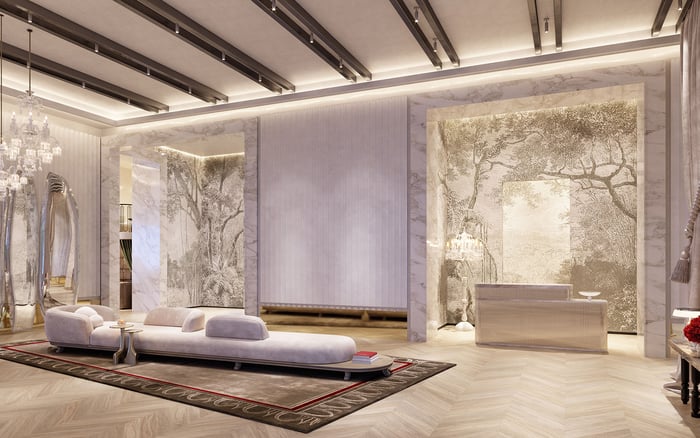
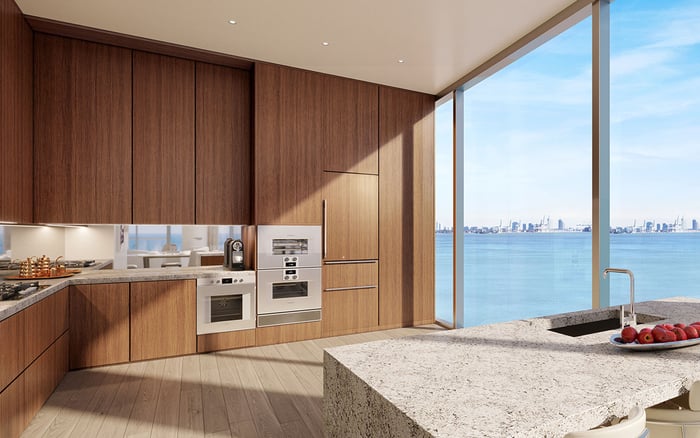
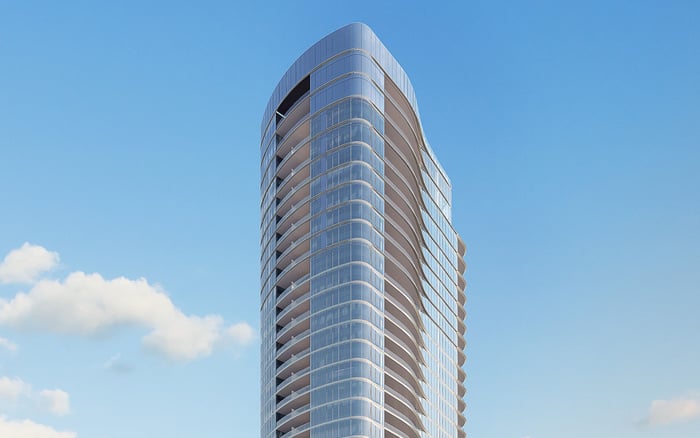
In South Florida’s glass-forward condo market, privacy is not a cosmetic detail. Buyers considering residences with floor-to-ceiling glass opposite neighboring towers should evaluate stack positioning, nighttime visibility, association rules, future development, and whether any fix will compromise the light-and-view premium they are paying for.
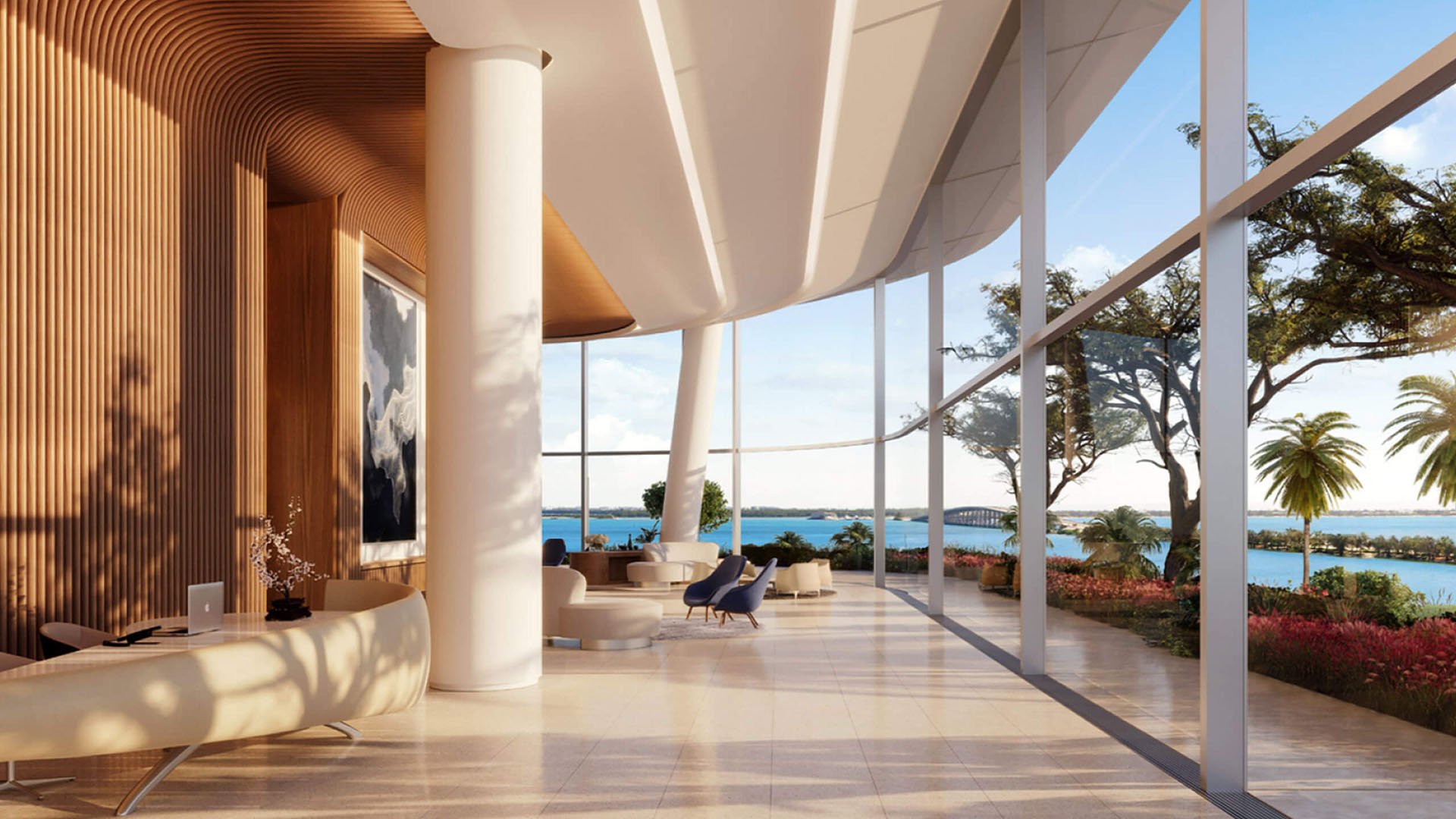
Floor-to-ceiling glass is one of the defining luxuries of contemporary South Florida living. It sharpens bay views, amplifies daylight, and gives a residence the prized, gallery-like openness buyers associate with premium design. But in vertical neighborhoods such as Brickell, Downtown, and Edgewater, that same glass can create a far more intimate relationship with the next tower than many buyers realize during a polished daytime tour.
That is why sightline privacy should be treated as a buying criterion, not an afterthought. In dense districts where high-rise development continues to cluster, a residence may enjoy cinematic water or skyline exposure in one direction while also looking directly into another building’s living rooms, balconies, or bedroom stacks in another. For buyers weighing towers such as Una Residences Brickell or The Residences at 1428 Brickell, that distinction can materially shape daily comfort.
A seller may not present this issue in aesthetic terms, and privacy rarely appears as a neat checkbox in standard paperwork. The practical move is to ask directly whether neighboring towers create interior visibility that is not obvious at first glance, especially from bedroom suites, primary baths, and entertaining areas near the glass.
The most common mistake is judging privacy from a single interior vantage point at a single time of day. A unit that feels open and serene at 2 p.m. can feel unexpectedly exposed after sunset. Once the apartment is illuminated, interior life becomes easier to read from surrounding buildings unless shades, lighting controls, or switchable glazing are part of the design strategy.
For that reason, serious buyers should see the residence twice: once in daylight and once after dark. The second visit is often more revealing than the first. It shows how visible seating areas, dining rooms, bedrooms, and circulation zones become when the glass starts acting less like a frame for the view and more like a display surface.
This is especially relevant in dense enclaves such as Brickell and Downtown, where vertical living is part of the neighborhood’s DNA. A glamorous rendering or listing photograph may celebrate transparency, but only an in-person visit tells you whether that transparency still feels luxurious when another resident across the way can trace your evening routine.
Privacy is shaped by architecture before it is shaped by window treatments. Broad parallel towers typically create more direct line-of-sight exposure than buildings that are offset, angled, curved, or more carefully staggered. Likewise, corner and edge units are not automatically more private. If a prized corner points toward another tower’s corner stack or balcony line, the exposure can feel more direct, not less.
Buyers should compare exact stack positions and study how the building sits on its site. Massing, setbacks, facade articulation, and orientation all influence whether your glass meets open sky, a diagonal urban view, or someone else’s dining room. This is one reason residences in design-driven waterfront projects such as Aria Reserve Miami or EDITION Edgewater should be assessed not only for finishes and amenities, but for how the building’s form manages neighboring sightlines.
If the unit is in pre-construction or early delivery, ask to see the site context clearly. If the tower is already complete, stand close to the glass and also sit in the principal living areas. What you see while standing is not always what you experience from the sofa, bed, or dining table.
A private outlook is not necessarily permanent. In Miami, active development means an open parcel, parking lot, or low-rise site nearby may eventually become another tower. Buyers who care about privacy should review local planning activity around the building rather than relying only on current conditions.
This matters in fast-evolving submarkets such as Brickell, Downtown, and Edgewater, where new inventory can tighten sightlines over time. A residence with appealing lateral openness today may face a much more intimate urban relationship once a neighboring site is entitled and built.
In practical terms, buyers should ask a simple question: what can rise around this building, and where? If a premium is being paid for the sensation of openness, that sensation should be tested against the development pipeline, not just the present skyline.
When a buyer discovers a sightline issue, the reflex answer is often some version of film, tint, drapery, or motorized shades. Each option addresses a different problem, and each changes the residence in a different way.
Privacy film is a broad category, not a single solution. Frosted film obscures views but sacrifices transparency. Reflective film changes the facade’s appearance and can affect aesthetics. So-called one-way mirror film is also widely misunderstood. Its privacy effect depends on brighter light outside than inside, which means it may work in daytime conditions yet reverse at night when the apartment is lit.
Smart glass offers a more refined alternative for some owners, allowing the glazing to change tint electronically without relying on permanent curtains or a heavy layered look. For highly designed residences where the glass aesthetic is central to the architecture, that can be compelling. Yet any intervention that adds tint or opacity can also reduce daylight quality and soften the very clarity that justified the purchase.
In oceanfront settings, buyers drawn to projects like 57 Ocean Miami Beach may be especially sensitive to this trade-off. The same is true for buyers drawn to pure-glass architecture considering Glass House Boca Raton. The key question is not simply whether privacy can be improved, but whether the solution preserves the residence’s intended mood, light, and rental appeal.
In condominium buildings, windows and exterior glazing are often not an owner-controlled canvas. Depending on the governing documents, they may be common elements or limited common elements subject to association authority. That means a buyer cannot assume replacement glass, exterior film, facade-altering tint, or even certain shade systems will be approved simply because they are technically feasible.
Before closing, review the declaration, house rules, and architectural review procedures. Ask whether film is permitted, whether motorized shades must meet appearance standards, and whether glazing-related upgrades require board approval. If the issue would be best solved at the building level rather than the unit level, reserve planning and association budgeting may become part of the conversation.
Municipal review can matter as well. Exterior changes that alter glazing appearance may not be treated as a purely personal interior design choice. In high-design buildings, preserving facade consistency is often just as important as solving privacy at the unit level.
A polished luxury purchase deserves a disciplined inspection process. For sightline privacy, the essentials are straightforward.
First, visit in both daylight and darkness. Second, test the residence from seated positions in principal rooms, not just from the entry and terrace. Third, compare the unit’s exact stack to neighboring towers and balcony lines. Fourth, ask what modifications are actually allowed by the association. Fifth, consider nearby development sites that could narrow privacy later.
Finally, be honest about lifestyle. Some buyers are perfectly comfortable with an urban, visually connected atmosphere. Others want the serenity of openness without mutual visibility. Neither preference is more sophisticated, but the distinction should be resolved before contract, not after installation estimates begin.
Why do floor-to-ceiling glass units feel less private in some towers? In dense high-rise neighborhoods, broad glass facades can face directly into neighboring buildings, creating clear interior sightlines.
Is nighttime usually worse for privacy than daytime? Yes. Once interior lights are on, neighboring residents can often see in more clearly unless shades, lighting strategy, or switchable glass are used.
Are corner units always more private? No. A corner can still face another tower’s corner stack or balcony line, which may create very direct exposure.
Does one-way film solve the problem full-time? Not reliably. Its mirror effect depends on brighter conditions outside than inside and can reverse at night.
Will privacy film change the feel of the residence? It can. Some films reduce clarity, daylight, or the clean glass aesthetic that supports a luxury condo’s appeal.
Can I change the glazing after I buy the unit? Not always. In many condos, exterior glazing is controlled by the association and may require approval.
Should I inspect the unit more than once? Absolutely. A daytime visit and an after-dark visit reveal very different privacy conditions.
Can future development affect privacy even if the view is open now? Yes. Nearby entitled or developable sites can introduce new towers and tighter sightlines later.
Are smart-glass systems a real residential option? Yes. They can provide adjustable privacy while preserving a cleaner look than permanent curtains or films.
What neighborhoods deserve extra attention for sightline privacy? Areas with dense vertical living such as Brickell, Downtown, and Edgewater typically warrant the closest review.
When you're ready to tour or underwrite the options, connect with MILLION.
If branded residences are on your mind — as a home or as an allocation — we would be glad to share what we are seeing, privately.
Begin a quiet conversation