A discreet buyer’s guide to evaluating balcony comfort in South Florida residences, from shade behavior and fan placement to terrace usability before a purchase.
For many South Florida buyers, the balcony is the emotional close. It is where morning espresso, a late dinner, or a quiet view becomes the reason to choose one residence over another. Yet balcony comfort is often judged too quickly, sometimes from a rendering, a sunset photograph, or a single showing at the wrong hour.
A terrace is not merely an outdoor room. It is a compact environmental system shaped by exposure, overhangs, neighboring structures, ceiling height, airflow, privacy, furnishings, glass, and building rules. Before buying, the goal is not simply to decide whether the balcony is beautiful. The better question is whether it will be comfortable during the hours you intend to use it.
In Brickell, for example, vertical density can create alternating pockets of shade and reflection. A residence at The Residences at 1428 Brickell should be studied not only for skyline drama, but also for how its outdoor space feels in morning light, afternoon heat, and evening breeze. The most elegant balcony is the one that supports your actual rhythm.
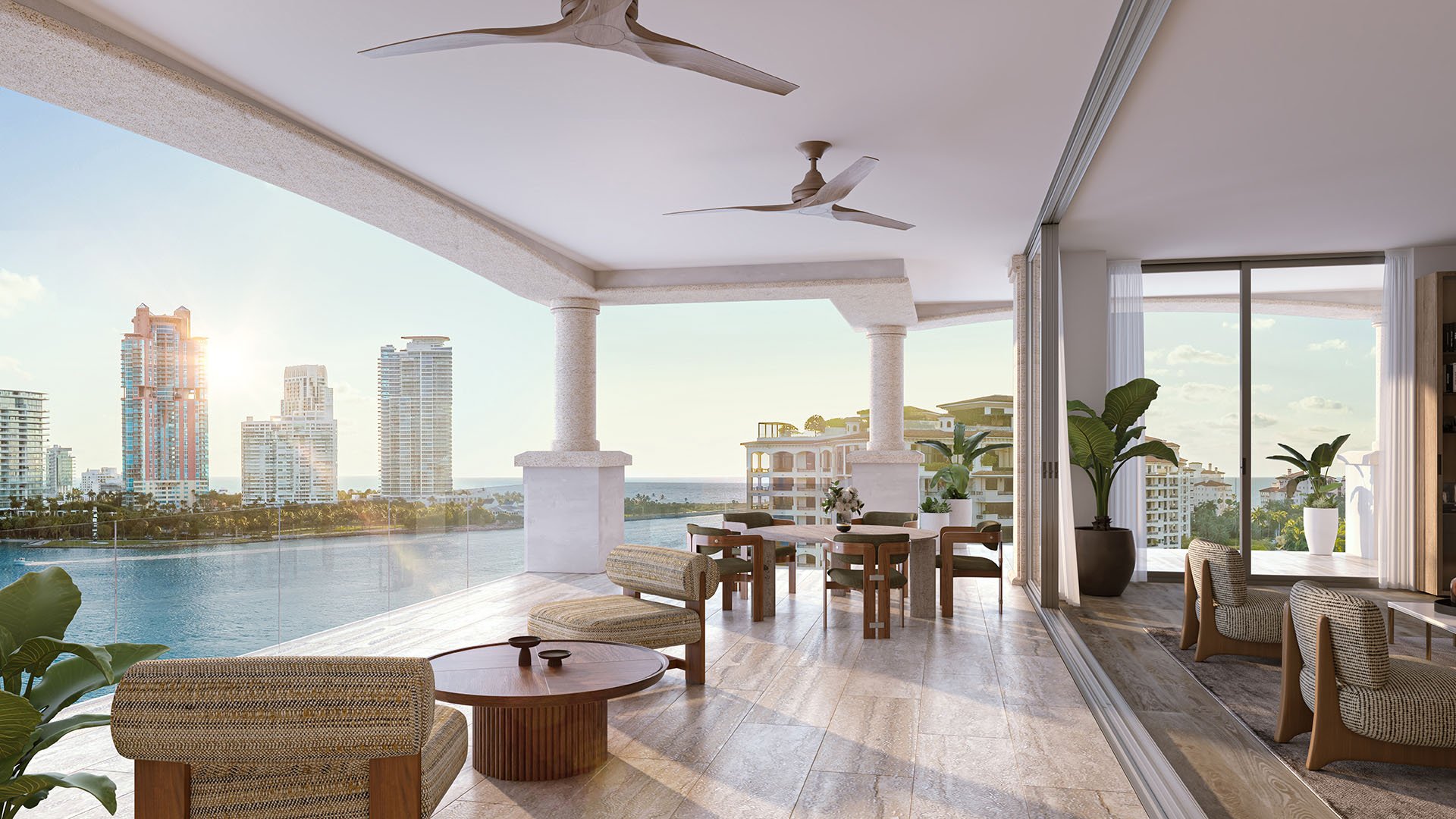
Balcony depth matters, but shade often determines whether that depth is usable. A large terrace with harsh exposure can feel less inviting than a smaller one protected by a deep slab, architectural screen, recessed line, or adjacent facade. When comparing residences, ask which portions of the outdoor area receive direct sun at different times of day.
Review the balcony as a sequence of zones. Is there a shaded dining position? Is there a protected lounge corner? Does the glass rail intensify brightness at seated height? Is the ceiling overhang deep enough to provide practical relief, or is it primarily architectural? These questions are especially valuable when comparing waterfront and high-floor homes, where views can distract from comfort.
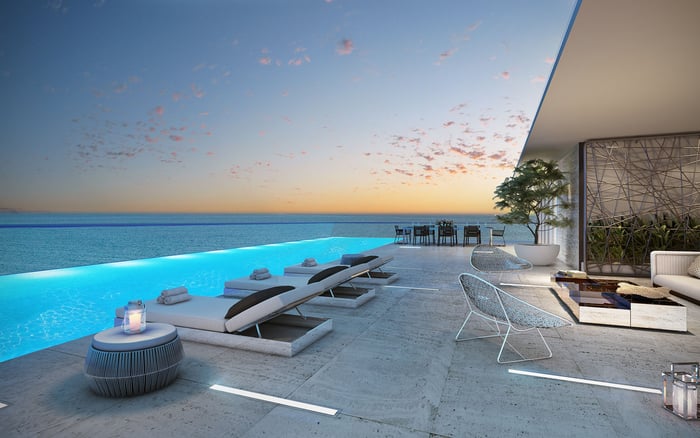
Shade should also be considered in relation to furniture. A dining table placed in full sun may become ceremonial rather than useful. Outdoor upholstery can look perfect in a presentation, but the practical question is whether guests will choose to sit there at noon, late afternoon, and after rain. A terrace with several comfort positions will age better than one designed around a single camera angle.
Not all shade performs the same way. Fixed architectural shade, such as an overhang or recessed balcony condition, is typically the most seamless because it belongs to the building. Flexible shade, such as approved exterior screens or umbrellas, may be more adjustable, but it often depends on association permissions, wind sensitivity, storage, and visual rules. Natural protection from neighboring massing can be useful, though its effect may shift as the sun moves.
Before assuming you can add a shade device after closing, ask what is allowed. Luxury buildings often protect facade consistency, which can affect awnings, screens, umbrellas, planters, lighting, and ceiling-mounted elements. The question is not only what looks good, but what is permitted, maintainable, and appropriate for the balcony’s exposure.
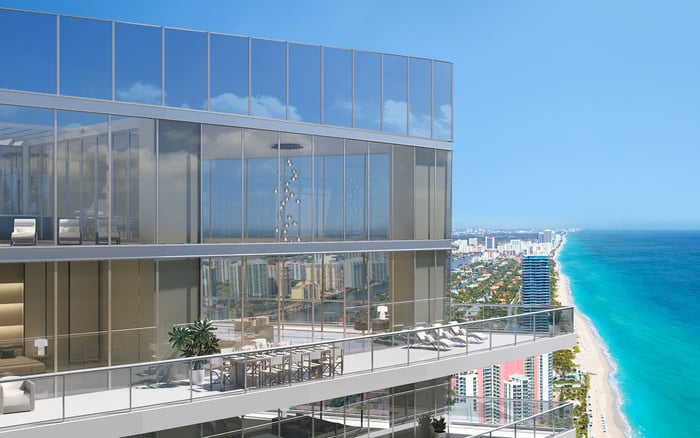
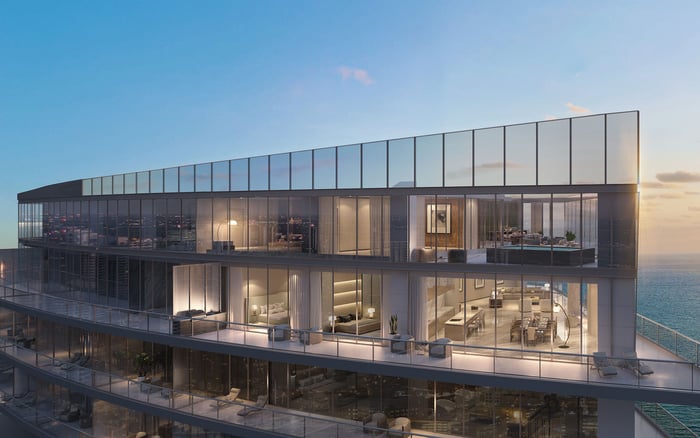
On Miami Beach, outdoor comfort tends to be inseparable from design restraint. A buyer considering The Perigon Miami Beach, for instance, should think about how shade integrates with architecture rather than how much equipment can be added later. The most refined terraces often feel effortless because comfort was considered before decoration.
A ceiling fan may appear to be a small convenience, but on a South Florida terrace it can determine whether an outdoor space is used daily or only occasionally. First, determine whether fans are already installed, prewired, or allowed. If they are allowed, ask where they can be placed, who must approve them, and whether there are building standards for finish, size, controls, and service access.
Fan placement matters as much as the fan itself. A fan centered over unused floor area may do little for the dining or lounge zone. A fan mounted too low can interrupt sightlines or feel intrusive. A fan placed where airflow is blocked by walls, furniture, or glass may not perform as expected. Stand where you intend to sit and imagine the airflow from that exact position.
Also consider sound and vibration. The quiet luxury expectation is not simply moving air. It is moving air without hum, wobble, or visual clutter. Ask whether the ceiling condition supports a clean installation and whether future service can be performed without damaging finishes.
A terrace should be measured like an interior room. Width, depth, column placement, door swing, storage, drainage points, and ceiling height all affect comfort. A terrace that looks generous on a plan may become difficult once lounge chairs, dining chairs, planters, and circulation are introduced.
The most successful outdoor layouts offer a clear path from the interior, a primary seating area, and a secondary moment that does not compete with the view. If the terrace is narrow, prioritize fewer pieces and better placement. If it is deep, consider how shade and fans support each zone rather than assuming every area will feel equally usable.
At Villa Miami, buyers drawn to bayfront living should study the transition from interior entertaining areas to exterior seating. A wide opening can make a terrace feel like part of the residence, but comfort still depends on shade, airflow, and the ability to furnish without blocking circulation.
A single tour rarely tells the whole story. If balcony comfort is central to the purchase, visit or request perspective at the times you expect to use the space most. Morning users should focus on early light, heat, and privacy from neighboring buildings. Evening entertainers should evaluate glare, ambient noise, lighting potential, and whether the seating area feels protected enough for long dinners.
Photographs can flatten these differences. A terrace may look serene in soft light but feel exposed at another hour. Conversely, a balcony that photographs modestly may perform beautifully because it is shaded, quiet, and naturally ventilated. Buyers who evaluate comfort by lifestyle rather than image often make the more durable decision.
Oceanfront and elevated residences can offer extraordinary views, but exposure deserves careful attention. Higher floors, open water, and corner conditions can make outdoor comfort more variable. Ask how the balcony is typically used by current residents, what furniture types are practical, and whether loose items require special care. These are lifestyle questions as much as design questions.
In Sunny Isles, the allure of open horizons is powerful. At Bentley Residences Sunny Isles, buyers should compare the emotional value of the view with the everyday performance of the outdoor area. The right question is not simply “How impressive is it?” It is “How often will I choose to sit here?”
Privacy also changes with elevation and orientation. A balcony facing open water may feel private, while one angled toward another tower may need more thoughtful furniture placement. Shade and fans can support comfort, but privacy is what allows that comfort to feel relaxed.
Before committing, ask for clarity on balcony modifications, fan approvals, exterior lighting rules, furniture restrictions, drainage maintenance, cleaning access, and any limitations on attached shade. If the residence is pre-construction, ask how outdoor areas shown in renderings compare with delivered conditions and what elements are included versus staged.
Request dimensions that matter to real use. The clear depth from glass door to railing is more useful than an overall balcony number. The ceiling condition, outlet locations, and approved fixture zones can determine whether the balcony supports dining, lounging, or both.
The strongest balcony is not necessarily the largest. It is the one whose shade, airflow, proportion, and rules align with the way you intend to live.
Why should I compare balcony shade before buying? Shade often determines whether an outdoor space is usable during your preferred hours, especially for dining or lounging.
Is a deeper balcony always better? Not always. A smaller, better-shaded terrace can be more comfortable than a larger exposed one.
Can I add a ceiling fan after closing? Possibly, but confirm association rules, wiring, approval requirements, and suitable mounting conditions before relying on that plan.
What should I look for in fan placement? Focus on whether airflow reaches the actual seating or dining zone without interfering with views, lighting, or ceiling proportions.
Are umbrellas a good shade solution? They can be useful, but permissions, storage, wind exposure, and facade rules should be reviewed before purchase.
How do I judge terrace furniture fit? Measure clear usable depth, door swing, circulation paths, and the space needed behind dining chairs or lounge seating.
Should I visit the balcony more than once? If outdoor living is important, yes. Different times of day can reveal major differences in sun, glare, privacy, and comfort.
Do high-floor balconies require special consideration? Yes. Elevated outdoor spaces can feel different in exposure, privacy, and furniture practicality than lower-floor terraces.
What matters most for entertaining outdoors? Look for shaded seating, comfortable airflow, easy interior access, and enough circulation so guests do not feel compressed.
What is the best balcony to buy? The best balcony is the one that fits your daily routine, not just the one that photographs beautifully.
To compare the best-fit options with clarity, connect with MILLION.
If branded residences are on your mind — as a home or as an allocation — we would be glad to share what we are seeing, privately.
Begin a quiet conversation