A buyer-focused look at why a practical bicycle room at One Thousand Museum Downtown Miami can influence daily livability, wellness, and long-term positioning in an ultra-luxury tower.
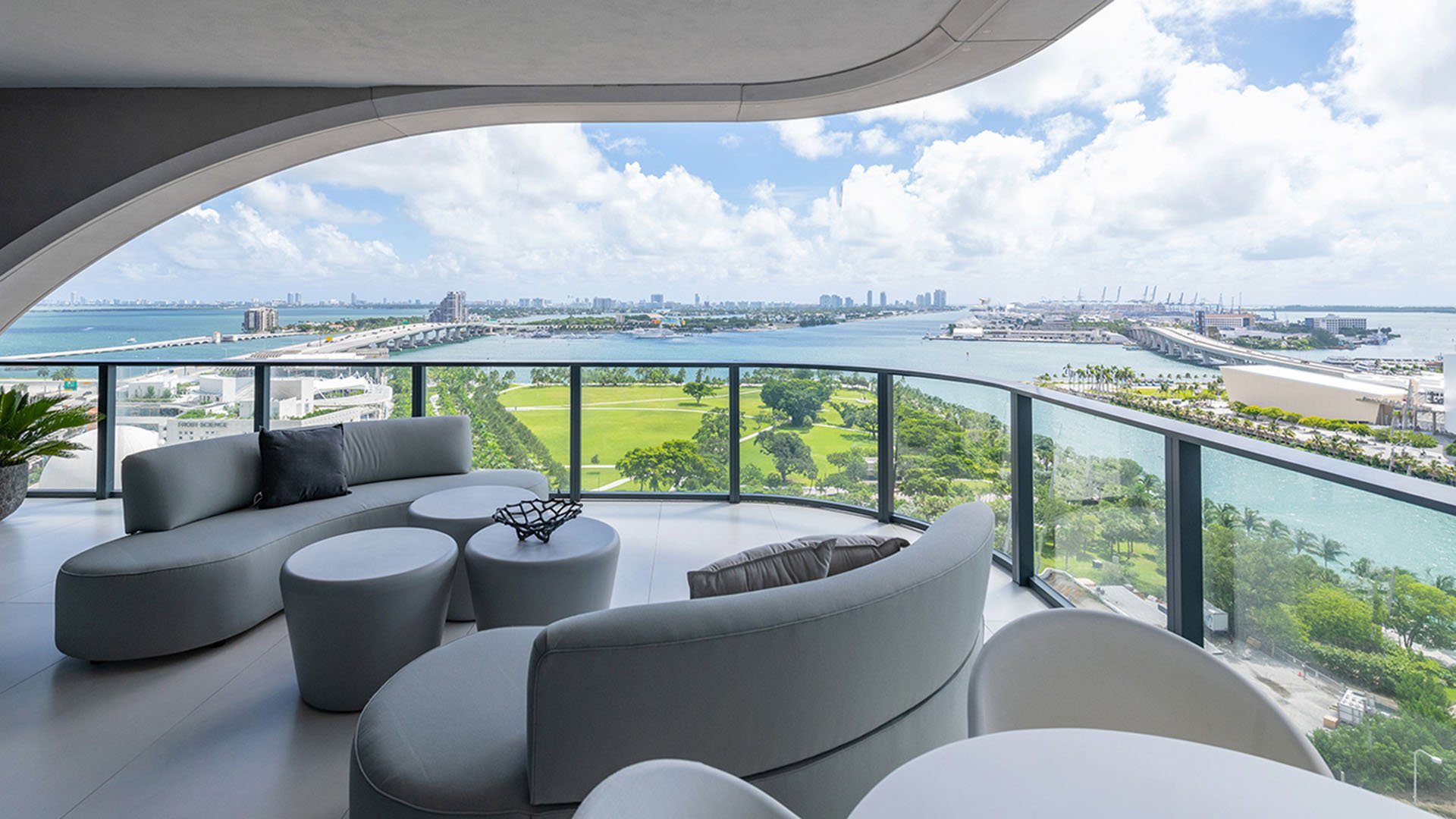
At One Thousand Museum Downtown Miami, the obvious conversation begins with architecture, skyline presence, and the identity of a trophy residential tower. Yet the more refined buyer conversation does not stop at sculptural exteriors, views, finishes, valet, or spa-style amenities.
For a residence expected to perform at an ultra-luxury level, the quieter systems of daily life matter. The bicycle room is one of those systems. It is easy to dismiss bicycle storage as secondary, but in a dense Downtown setting, it can become a practical mobility amenity that shapes how residents actually use the city.
That is especially true for One Thousand Museum Downtown Miami, where urban-core living can involve walking, biking, e-bikes, scooters, valet, and cars as parts of the same mobility ecosystem. For the buyer, the question is not whether one mode replaces another. The question is whether the building makes daily movement feel easy.
Ultra-luxury buyers still care deeply about what can be seen: the water views, the arrival sequence, the pool, the wellness spaces, the lobby, the private services, and the architectural statement. But when two premium towers feel comparable on views, interiors, parking, and concierge service, the final decision often shifts toward friction.
Friction is the accumulation of small inconveniences. Waiting for the wrong elevator. Needing staff assistance for something that should take two minutes. Storing a bicycle in a place that feels remote, crowded, or awkward. Navigating a valet sequence for a destination close enough to reach without a car.
A useful bicycle room reduces those irritations. It gives the resident another way to move through Downtown without making every short trip dependent on a driver, garage access, or valet timing. In a luxury purchase, this may sound almost too practical to matter. In reality, practical ease is one of the most discreet forms of luxury.
The value is not merely that a building has a bicycle room. The value is whether the resident can use it quickly, safely, and consistently. A credible buyer should ask how the room functions day to day: Is it secure? Is it convenient to reach from the residence and the street? Does it avoid unnecessary staff dependence? Does it work for exercise riders, commuters, errands, and family outings?
Because exact specifications are not the point here, the buyer’s analysis should focus on operational quality. A bicycle room that feels effortless becomes part of the building’s wellness infrastructure. A bicycle room that feels inconvenient becomes storage in name only.
This is why the topic belongs in a serious purchase conversation at One Thousand Museum Downtown Miami. It connects lifestyle to architecture. The tower may be ultra-modern in expression, but the resident experience is ultimately judged by how smoothly the building supports everyday movement.
Downtown is not a suburban ownership pattern with every trip beginning in a private garage. It is a layered urban environment. A resident may want to move through the waterfront district, reach a nearby dining appointment, take a fitness ride, or run a quick errand without turning the moment into a full car trip.
In that setting, the bicycle room becomes a bridge between the private residence and the city. It allows a buyer to imagine living with more options, not fewer. A car and valet still matter. So do walking routes, scooters, and rides by bicycle or e-bike. The best luxury mobility profile is not about replacing one mode with another. It is about choosing the right one without friction.
This same theme is visible across other Downtown and urban-core residences. Buyers considering Aston Martin Residences Downtown Miami, Waldorf Astoria Residences Downtown Miami, or Casa Bella by B&B Italia Downtown Miami are not only comparing brand, height, design, and amenity programming. They are also comparing how each building may support the resident’s real movement through Miami.
Luxury buyers are often highly attuned to detail, but not every detail announces itself during a tour. A pool deck photographs well. A bicycle room usually does not. Yet an amenity used several times a week may carry greater emotional weight than one visited only occasionally.
That emotional weight comes from reliability. If a resident can leave the building quickly for a ride, store a bike securely, return without complication, and avoid unnecessary elevator or staff bottlenecks, the building feels intelligent. If the process is slow or inconvenient, the owner begins to notice the mismatch between price and daily performance.
For buyers accustomed to dense urban environments, this matters even more. Wellness, sustainability, and short-distance mobility can be expected parts of urban living. A building that treats bicycle access as an afterthought can feel less aligned with contemporary expectations, even when its visible amenities are impressive.
The wellness conversation in luxury real estate is often framed around gyms, spas, treatment rooms, pools, and recovery spaces. Those amenities matter. But wellness also includes the ability to incorporate movement into ordinary life.
For some residents, a bicycle is exercise. For others, it is a way to commute, meet friends, explore the waterfront, or take family outings. The bicycle room supports those uses by making movement easier to begin. That is a subtle but meaningful distinction: the amenity does not create wellness by itself, but it lowers the barrier to a more active rhythm.
This is also where investment thinking and lifestyle thinking overlap. A residence that supports more flexible urban living can feel more resilient to future buyer expectations. As Miami’s luxury towers compete for sophisticated residents, micro-mobility infrastructure may become less of a bonus and more of an assumed standard.
Resale value is shaped by many factors, including views, floor height, condition, design relevance, service quality, and building reputation. Bicycle-room usefulness should not be overstated as a standalone driver. Still, it can contribute to the impression that a tower is operationally current.
Future buyers may increasingly ask how a building manages daily life, not only how it photographs. They may compare the convenience of bicycle storage, the ease of street-level access, and the ability to move through traffic-heavy moments without relying on a short car trip. In that comparison, a well-executed bicycle room can become one more point in favor of the building.
This is why the issue belongs in the same conversation as valet, parking, wellness programming, and private services. For a buyer comparing One Thousand Museum Downtown Miami with a nearby luxury address or with a Brickell option such as 2200 Brickell, the better question is not whether the building has storage. The better question is whether the building supports the owner’s preferred rhythm of movement.
A bicycle room will not replace architecture, views, privacy, or service as the headline reasons to purchase at a trophy tower. But it can influence the buyer decision at the margin, and margins often matter most in ultra-premium real estate.
The buyer who understands this is not shopping for a bike rack. They are evaluating a full residential system. Does the tower make it easy to leave, return, store, move, and live? Does it reduce unnecessary dependence on cars for nearby destinations? Does it support both prestige and practicality?
At One Thousand Museum Downtown Miami, the bicycle room conversation is ultimately a test of modern luxury. The most compelling residences are not only beautiful from a distance. They are graceful in use.
Why does a bicycle room matter at One Thousand Museum Downtown Miami? Because the tower sits in a dense Downtown setting where short-distance mobility can shape daily convenience.
Is the bicycle room more than a storage feature? Yes. For many buyers, it functions as part of the broader micro-mobility and wellness ecosystem.
What should buyers evaluate in a bicycle room? Security, ease of access, location within the building, and whether use feels simple without unnecessary delays.
Does bicycle-room usefulness replace valet or parking? No. It complements them by giving residents another option for nearby trips and active routines.
Why is Downtown especially relevant to this issue? Downtown living often involves waterfront, dining, and urban-core destinations close enough for alternative mobility.
Can a bicycle room influence resale appeal? It can support resale positioning if future buyers increasingly expect practical micro-mobility infrastructure.
Is this primarily a wellness amenity? It can be, especially for residents who use bikes for exercise, commuting, errands, or family outings.
Should buyers ask for exact bicycle-room specifications? Yes, but they should also focus on how the room works in real daily use rather than capacity alone.
How does this relate to luxury buyer psychology? Ultra-luxury buyers often value anything that reduces daily friction and makes ownership feel effortless.
What is the main lesson for buyers? Small operational details can become decisive when competing towers are otherwise comparable.
If you'd like a private walkthrough and a curated shortlist, connect with MILLION.
If branded residences are on your mind — as a home or as an allocation — we would be glad to share what we are seeing, privately.
Begin a quiet conversation