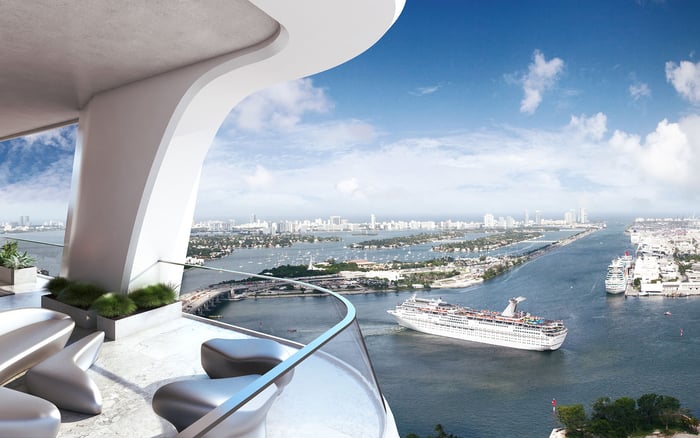
A buyer-focused comparison of One Thousand Museum Downtown Miami and ORA by Casa Tua Brickell, framed around amenity density, elevator wait-time diligence, and owner-control questions rather than a simple ranking.
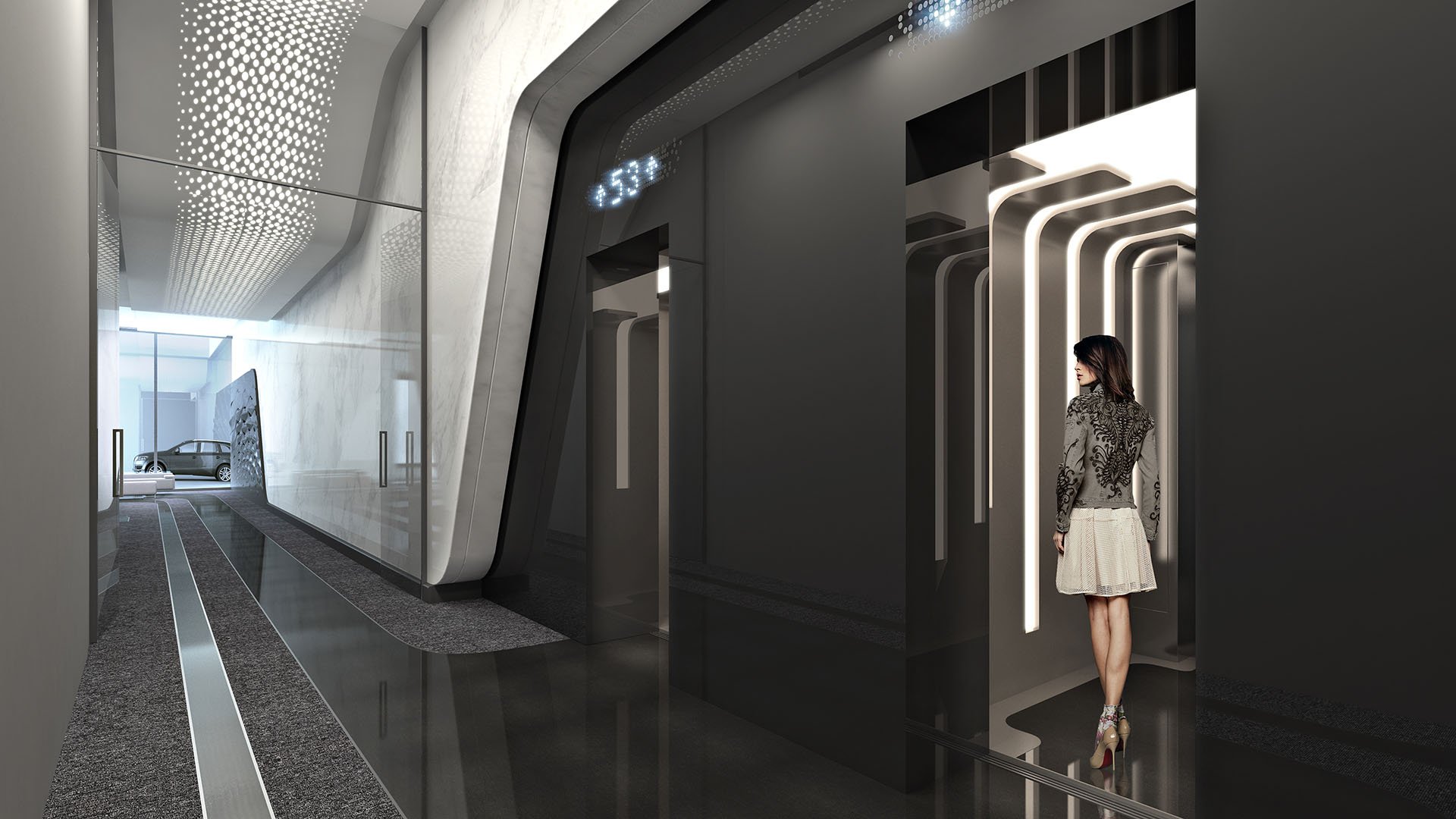
For a certain South Florida buyer, the comparison between One Thousand Museum Downtown Miami and ORA by Casa Tua Brickell is not a conventional beauty contest. Both belong in the conversation around high-design, amenity-rich Miami living. The more useful question is what each ownership model asks of its residents: how private daily life feels, how predictable vertical circulation may be, and how much practical control an owner has over use, governance, and service culture.
That distinction matters because ultra-prime buyers increasingly underwrite buildings the way they underwrite homes: not only by view, finish, or name recognition, but by operating behavior. Amenity density, elevator wait times, and owner control are not marketing phrases. They are lived experiences. They shape mornings, guest arrivals, staff access, family routines, rental flexibility, resale confidence, and the sense of calm a luxury residence is meant to protect.
One Thousand Museum Downtown Miami represents the established luxury condominium side of the comparison. ORA by Casa Tua Brickell represents a Brickell project oriented around branded hospitality. The right fit depends less on a universal hierarchy than on whether the buyer wants a more traditional private condominium framework or a residence shaped by lifestyle programming and hospitality energy.
Amenity density is often misunderstood. A long amenity menu can be impressive, but buyers should ask how many residents, guests, staff members, and scheduled users may interact with those spaces at the same time. A private spa, lounge, pool, fitness floor, or dining concept has different value when it feels effortless at peak hours rather than ceremonial but congested.
For One Thousand Museum, the relevant question is how the building’s existing amenity spaces perform for current residents under real daily conditions. Buyers should review current rules, reservation protocols, guest policies, staffing arrangements, and any association guidance on amenity access. The point is not to assume scarcity or abundance. It is to understand the operating rhythm of an established Downtown building.
For ORA by Casa Tua Brickell, the inquiry shifts to the implications of branded hospitality. Branded programming can deepen the lifestyle proposition, particularly for buyers who value food, beverage, service, social energy, and managed convenience. It also requires more detailed questions: which amenities are exclusively residential, which may be tied to hospitality programming, how guests are handled, and whether certain spaces are subject to scheduling, fees, capacity limits, or separate operational rules.
In both cases, buyers should avoid shorthand conclusions such as “more amenities” or “better amenities” unless they can see the ratios and rules behind the experience. Amenity density requires a careful look at unit count, amenity square footage, resident capacity, guest permissions, booking rights, and hours of use. Luxury is not the length of the amenity brochure. It is whether access feels composed when owners actually need it.
Elevator performance is one of the least glamorous and most consequential parts of luxury condominium life. In a tall urban residence, the elevator bank is the private street. It determines how smoothly residents move between car, lobby, amenity level, home, and the city beyond. For owners with children, staff, drivers, security teams, frequent deliveries, or large-scale entertaining, vertical circulation becomes part of the home’s daily architecture.
The available facts do not support a claim that either building has a documented elevator advantage. That is precisely why buyers should treat elevator wait times as a diligence question rather than a talking point. Relevant materials include elevator specifications, cab counts, service elevator access, destination-dispatch technology if applicable, maintenance history, loading procedures, move-in rules, and how the building separates residents, staff, deliveries, and hospitality-related traffic.
At One Thousand Museum, a purchaser can ask management and the association how elevator service performs during weekday mornings, weekend evenings, major events, and move-in periods. In an established building, anecdotal owner experience and management disclosures can be especially useful, provided they are weighed carefully.
At ORA by Casa Tua Brickell, a purchaser should focus on how the future operating model is intended to distribute residential, guest, service, and branded-hospitality traffic. If hospitality programming is central to the ownership experience, the elevator plan should be read through that lens. The most elegant lobby in Miami still depends on movement that feels controlled, legible, and private.
Owner control is not simply whether a buyer receives a deed. In luxury condominium ownership, control lives in the declaration, association voting structure, budgets, rules and regulations, management agreements, branded-service agreements, rental provisions, guest policies, and developer-reserved rights. These documents shape the owner’s actual authority over use, costs, services, and building evolution.
For One Thousand Museum, diligence should focus on current condominium documents and operating practices. Buyers should understand association governance, budget obligations, rules for amenity access, alteration approvals, leasing provisions, staff procedures, insurance responsibilities, and any policies affecting privacy or guest movement. Because the building is already part of the Downtown luxury landscape, buyers may be able to evaluate how the ownership structure has matured in practice.
For ORA by Casa Tua Brickell, the branded-hospitality orientation raises a different set of questions. Buyers should closely examine how brand standards, service agreements, rental-management options if any, short-term-use rules, owner access, guest access, and developer rights are structured. A strong brand can bring consistency, identity, and desirability, but owners should understand where brand authority ends and owner governance begins.
This is where legal review becomes an investment tool. A buyer may love the service concept and still need clarity on voting rights, fee obligations, termination provisions, amendment thresholds, and management discretion. In a high-profile Brickell project, lifestyle and governance are intertwined. The more compelling the programming, the more important it becomes to understand who controls it.
Downtown and Brickell both offer vertical urban living, but they communicate different moods. Downtown can appeal to buyers who want cultural proximity, skyline drama, and a more established trophy-condominium posture. Brickell often appeals to buyers who want financial-district immediacy, restaurants, social momentum, and a denser live-work-play cadence.
That geographic distinction should not be overstated, but it helps frame the ownership choice. One Thousand Museum Downtown Miami may speak to a buyer who prioritizes a highly recognizable condominium address within a more classic private-residence framework. ORA by Casa Tua Brickell may speak to a buyer who wants the energy of a branded social and hospitality environment integrated into the residential proposition.
Neither approach is inherently superior. The more private-feeling model can still have robust amenities. The hospitality-oriented model can still be serious real estate. The difference lies in how daily life is orchestrated and how much of that orchestration is governed by association control, brand standards, service agreements, and access rules.
Investment buyers should be especially careful not to substitute brand appeal or architectural prestige for operating clarity. The provided facts do not support current pricing, carrying-cost, rental-policy, or fee comparisons between the two properties. That means serious underwriting should begin with current budgets, maintenance obligations, insurance assumptions, rental rules, tax expectations, and a realistic exit strategy.
Resale value in the ultra-prime market is often shaped by more than price per square foot. Buyers care about building reputation, privacy, staff consistency, maintenance quality, governance stability, amenity performance, and whether the ownership model remains legible over time. In that sense, both buildings should be evaluated not just as residences, but as operating environments.
The best buyer is the one who can articulate a preference. If the priority is established condominium ownership with a Downtown profile, One Thousand Museum deserves close attention. If the priority is Brickell lifestyle intensity with branded hospitality as part of the experience, ORA by Casa Tua deserves equally careful review. The purchase decision should follow the documents, the operations, and the buyer’s tolerance for shared programming versus private control.
Is One Thousand Museum Downtown Miami better than ORA by Casa Tua Brickell? This is not a ranking. The better fit depends on whether a buyer prefers an established luxury condominium model or a Brickell ownership experience oriented around branded hospitality.
What is the main difference between the two ownership models? One Thousand Museum is framed as established Downtown condominium ownership, while ORA by Casa Tua Brickell is framed around a branded hospitality lifestyle in Brickell.
Can buyers compare amenity density directly? Only with the right documents. Buyers need unit count, amenity square footage, capacity rules, guest access, and reservation policies before drawing conclusions.
Are elevator wait times known for either building? No verified wait-time comparison is supported here. Buyers should request elevator specifications, traffic separation plans, and operational disclosures.
Why does owner control matter in a luxury condo? Owner control affects voting rights, fees, rental flexibility, amenity access, brand influence, management discretion, and long-term building direction.
What should a buyer request before contracting at ORA by Casa Tua Brickell? A buyer should review offering documents, branded-service agreements, use rules, rental language, amenity access terms, and developer-reserved rights.
What should a buyer review at One Thousand Museum Downtown Miami? A buyer should review current condominium documents, budget materials, rules and regulations, elevator policies, amenity rules, and association governance.
Is branded hospitality always positive for owners? It can be valuable when it adds service, identity, and convenience. Buyers should still understand costs, access rights, and governance boundaries.
Should investors rely on current price comparisons alone? No. Investment analysis should include carrying costs, rental rules, management obligations, governance stability, and the likely resale audience.
Which buyer profile should consider each property? Privacy-focused Downtown buyers may gravitate to One Thousand Museum, while lifestyle-driven Brickell buyers may study ORA by Casa Tua more closely.
When you're ready to tour or underwrite the options, connect with MILLION.
If branded residences are on your mind — as a home or as an allocation — we would be glad to share what we are seeing, privately.
Begin a quiet conversation