A buyer-focused guide to separating emotional grandparent-suite language from measurable aging-ready design in South Florida luxury homes and condos.
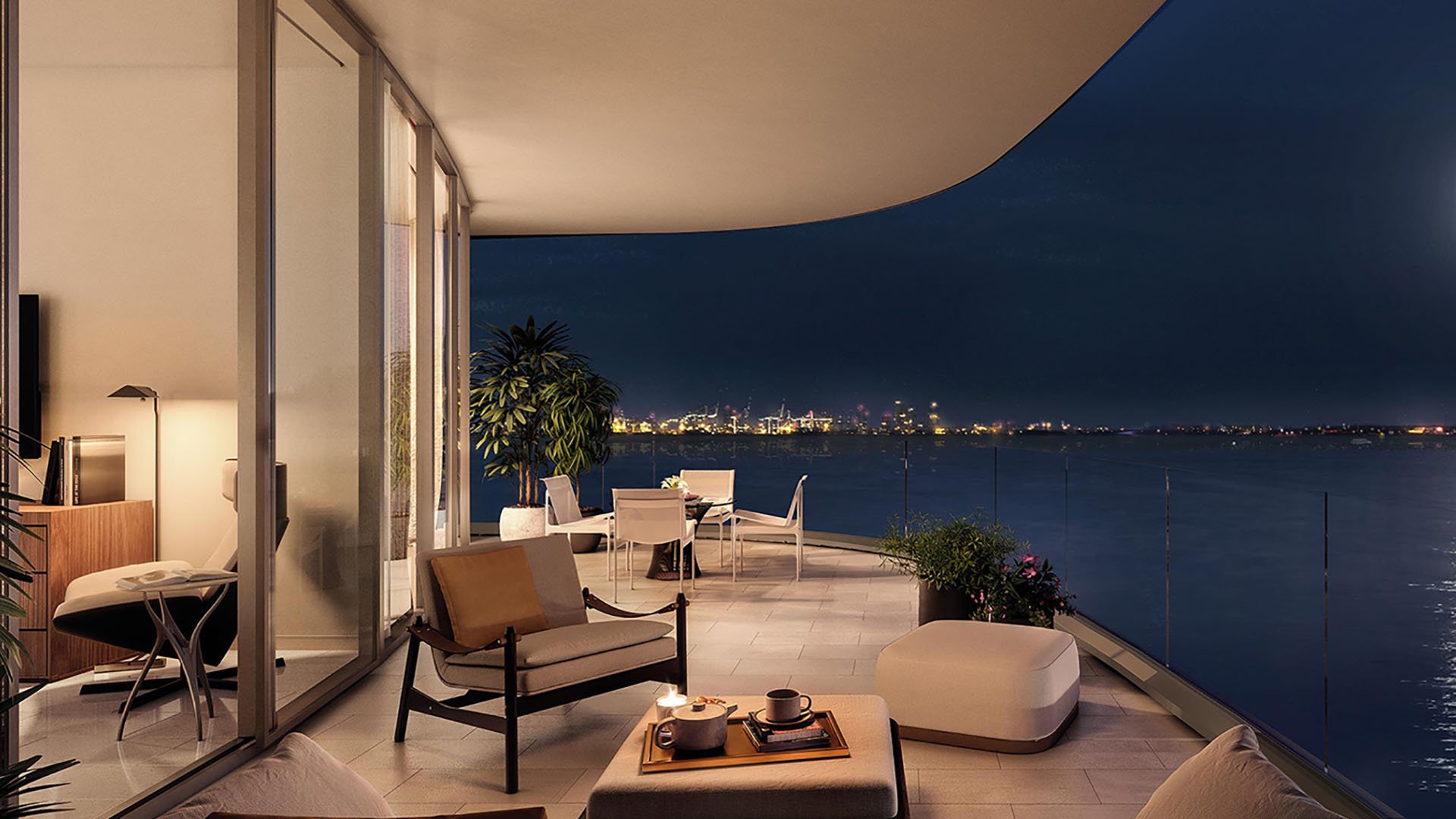
“Grandparent suite” is one of luxury real estate’s most emotionally powerful phrases. It promises closeness without crowding, independence without isolation, and a graceful future in which family life adapts across generations. But the label alone does not prove that a residence is ready for long-term, multigenerational use.
In South Florida, where waterfront views, private elevators, resort amenities, and dramatic finishes can dominate the sales conversation, the phrase can easily become marketing theater. A bedroom with an en suite bath may be a lovely guest room. It may even be a secondary primary suite. It is not automatically aging-ready.
The distinction matters in Brickell towers, Aventura condominiums, oceanfront residences, Broward high-rises, Palm Beach estates, and single-family homes across the region. A true grandparent suite should be reviewed for step-free access, privacy, bathroom safety, storage, climate comfort, and emergency usability. If those elements are not visible in the plan and confirmed during due diligence, the language should be treated as atmosphere, not evidence.
Start by forcing clarity. A polished guest room is designed for occasional comfort. It may have beautiful linens, a generous closet, and a calm view, but it does not necessarily support mobility changes, caregiving, or extended stays.
A secondary primary suite is usually larger and more private. It may offer a better bath, more storage, and distance from the main bedroom. Still, it can fail the aging test if the path to it includes steps, tight turns, heavy doors, or a shower threshold that becomes difficult at night.
A caregiver-friendly suite adds another layer: practical access for a nurse, aide, or family member without disrupting the household. Ask how someone enters, where they park, whether building staff can assist, and whether guest or service circulation makes daily care discreet.
A genuinely aging-ready grandparent suite is the most demanding category. It requires an accessible route into and through the residence, usable doors, reachable controls, maneuvering space, bathroom planning that can adapt over time, and a layout that remains practical during storms, elevator interruptions, or power loss.
The fastest way to test the claim is to ask for dimensions and plan details, not adjectives. Doorways are a clean red flag. If the suite entry, bathroom door, closet door, or route from the elevator is narrow or awkward, the buyer should understand the limitation before being charmed by finishes.
Turning space is equally revealing. Ask whether a mobility device, caregiver, or walker can move comfortably in the bedroom, bathroom, and route between bed and toilet. Renderings often show furniture floating in idealized space; actual maneuvering space depends on walls, door swings, vanities, tubs, nightstands, and closet systems.
Controls should be reachable and intuitive. That includes light switches, thermostats, window treatments, shower controls, electrical outlets, and emergency call options if installed. Storage should be usable without ladders or deep bending. A suite that requires a resident to cross a dark hall to reach medication, linens, or climate controls is not as independent as it sounds.
Bathrooms expose the difference between design drama and daily safety. Glossy stone, sculptural tubs, and glassy shower enclosures can be beautiful, but slip resistance, lighting, potential grab-bar locations, and shower entry deserve close attention.
Ask whether the bathroom can adapt if support bars, seating, or assistive devices are needed later. Confirm clear floor space at the toilet and shower. Test whether the shower can be entered without an awkward curb. Study the night route from bed to bath: lighting should be intuitive, switches should be reachable, and flooring transitions should not create trip points.
Alarm placement also belongs in the conversation. In luxury homes, aesthetics sometimes hide devices. For an older resident, clear alerting and easy-to-understand emergency cues can be as important as the stone selection.
“Private wing” and “lock-off” are two phrases that deserve careful interrogation. Autonomy is not created by a door alone. It is created by circulation, sound separation, bathroom access, storage, laundry access, and rules that allow the suite to be used as intended.
Ask whether the suite has a separate entry or at least a dignified path that does not cut through entertaining spaces. Ask whether a kitchenette is permitted, not merely sketched. Ask how a caregiver arrives after hours, whether building staff can grant access, and whether the route from valet, garage, or lobby is step-free.
In a condo, also review association rules and building procedures. A plan may physically support a semi-independent family member, but restrictions on staff access, deliveries, medical equipment, pets, renovations, or extended guests can complicate real life. A balcony, terrace, pool deck, dining room, and wellness amenity are valuable only if the resident can reach them safely and comfortably.
Aging-ready design in South Florida is inseparable from building systems. The question is not just whether the residence has exquisite air conditioning. It is whether the suite remains practical during HVAC interruptions, power outages, elevator outages, or storm-related disruptions.
In a high-rise, ask what emergency power and procedures actually support. Elevators, corridor lighting, communications, medication refrigeration, cooling areas, and staff coordination are different considerations from decorative lobby lighting. If the suite is on a high floor, understand the plan for mobility devices, evacuation assistance, caregiver entry, and medical pickup.
Storm language also needs precision. Broad claims about resilience do not answer every buyer concern. Buyers should independently review evacuation logistics, flood exposure, access routes, insurance considerations, and building procedures, especially for waterfront luxury property where the view can distract from everyday practicality.
Before accepting grandparent-suite language, request the actual plan, not only renderings. Confirm step-free routes from parking, lobby, elevator, living spaces, bedroom, bath, outdoor areas, and emergency exits. Review door clearances, turning space, shower entry, toilet access, vanity usability, bathroom adaptability, lighting, flooring transitions, and reachable controls.
Then move beyond the residence. Ask for building emergency procedures, generator scope, elevator protocols, staff-access rules, communication plans, evacuation information, flood review materials, insurance disclosures, association documents, inspection obligations, and renovation permissions.
The strongest move is to bring an accessibility consultant, architect, or occupational therapist before contract confidence hardens. In the ultra-premium market, discretion is important, but precision is more important. A truly future-ready suite can be elegant, private, and deeply comfortable. It simply has to prove itself.
Is a grandparent suite the same as a guest room? No. A guest room supports short stays, while a credible grandparent suite supports privacy, mobility, safety, storage, and daily independence.
What is the first red flag in a marketed grandparent suite? A plan that describes comfort but does not show routes, bathroom details, privacy, or emergency assumptions should be questioned.
Why do doorway details matter so much? Doorway clearance affects whether mobility devices, walkers, wheelchairs, and caregivers can move through the suite without awkward workarounds.
Does an en suite bath make a room aging-ready? Not by itself. Shower entry, toilet access, clear floor space, support options, lighting, and slip resistance all need review.
Should buyers test the route outside the suite? Yes. The path to elevators, parking, dining, outdoor areas, medical pickup, and amenities often reveals whether the suite works in real life.
What should condo buyers ask about power outages? Ask what emergency procedures and backup systems support, including elevators, lighting, communications, medication storage, and cooling options.
Why do flood and evacuation checks matter for luxury buyers? Waterfront positioning can obscure access, insurance, and evacuation issues that become especially important for older residents.
Are lock-off suites automatically better for grandparents? No. They must be tested for separate access, acoustic privacy, laundry, kitchenette permissions, caregiver circulation, and association rules.
Can a beautiful bathroom still be unsafe? Yes. Polished finishes, poor lighting, awkward shower entries, and limited future support options can make a glamorous bath impractical.
What is the best way to shortlist comparable options for touring? Start with location fit, delivery status, and daily lifestyle priorities, then compare stacks and elevations to validate views and privacy.
For a confidential assessment and a building-by-building shortlist, connect with MILLION.
If branded residences are on your mind — as a home or as an allocation — we would be glad to share what we are seeing, privately.
Begin a quiet conversation