A discreet buyer’s guide to ownership planning for Los Angeles residents considering Sunny Isles Beach, with attention to title, financing, tax coordination, lifestyle use, and long-term asset stewardship.
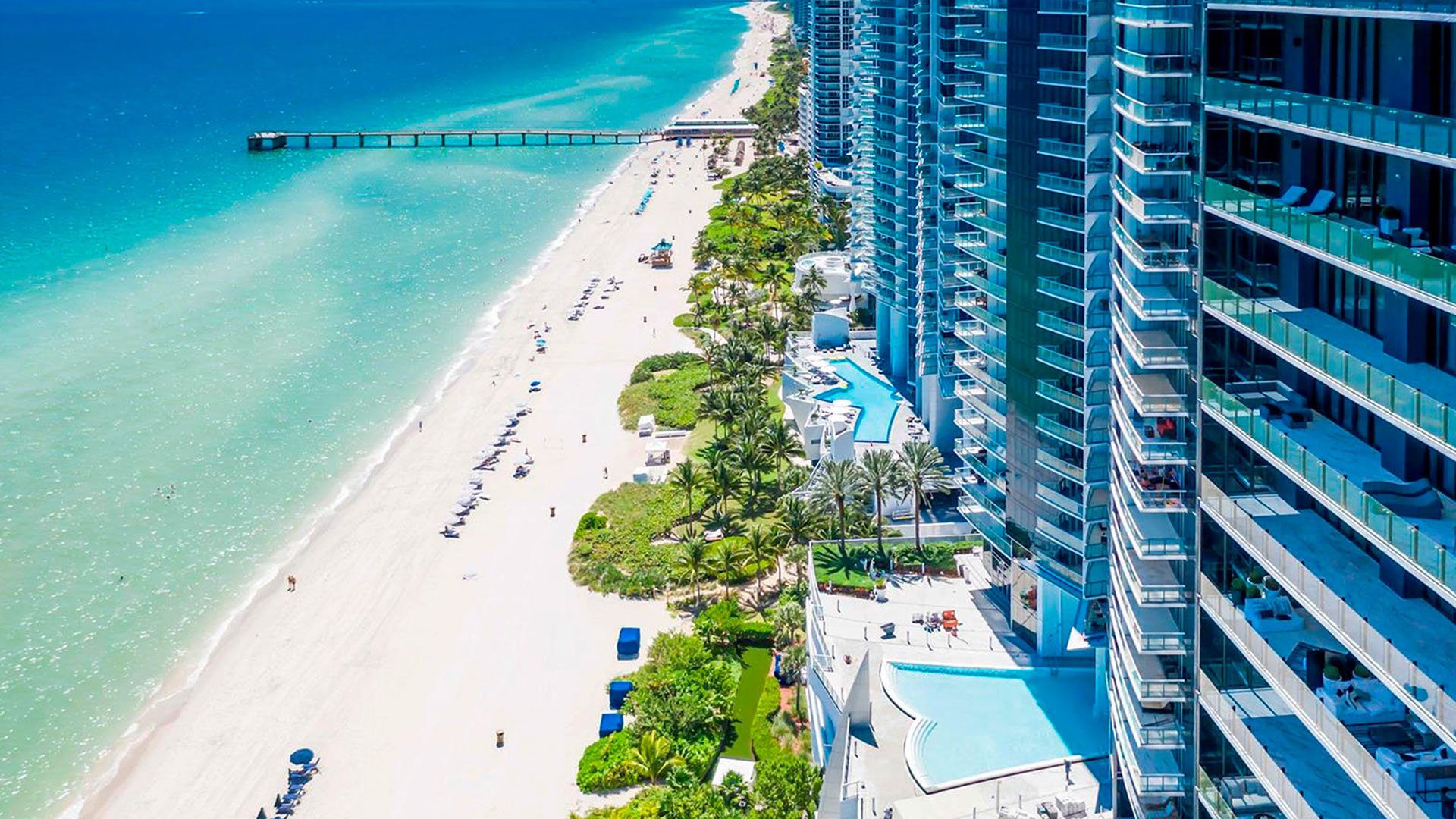
For a Los Angeles buyer, Sunny Isles Beach can feel immediately legible: architecture with presence, resort-caliber service, private elevators, deep terraces, and an oceanfront rhythm that favors discretion over spectacle. Yet the planning exercise is not simply a move from one coastal market to another. It is a shift in legal jurisdiction, advisory coordination, residency assumptions, asset protection preferences, and family governance.
The most sophisticated buyers treat the property search and ownership plan as parallel tracks. The residence may be selected for view, building culture, amenities, and proximity to Miami or Bal Harbour, but the structure of ownership should be reviewed before a contract is signed. In practice, that means gathering the real estate advisor, attorney, tax advisor, wealth manager, insurance specialist, and lender early enough for their guidance to shape the offer, not merely react to it.
Sunny Isles Beach has a distinct luxury profile. Towers such as Bentley Residences Sunny Isles and St. Regis® Residences Sunny Isles appeal to buyers who want a highly serviced vertical lifestyle with privacy, water views, and a polished arrival sequence. The more rarefied the asset, the more important it becomes to align title, financing, estate planning, and intended use before closing.
The first question is not whether the residence is beautiful. It is how it will be used. A Los Angeles family purchasing in Sunny Isles Beach may be acquiring a seasonal retreat, a future primary residence, a family gathering place, a portfolio hold, or a legacy asset for the next generation. Each use case carries different planning implications.
If the property is primarily personal, the planning emphasis often centers on privacy, estate continuity, and ease of family access. If the residence is part of an investment strategy, the focus may expand to income treatment, expense tracking, rental permissions, management, and reserves. If the acquisition is labeled a second home, that label should be reflected consistently across financing, insurance, personal accounting, and estate documents.
The language matters because inconsistency can create friction. A buyer who describes the residence differently to a lender, insurer, attorney, and family office may invite confusion at the worst possible time. Before touring, define the intended use in writing, even if the plan remains flexible.
Luxury buyers often ask whether they should purchase personally, through a trust, through a company, or through another structure. The right answer depends on privacy goals, family circumstances, financing, tax posture, liability preferences, estate planning, and any international connections. There is no universal structure that fits every buyer moving capital from Los Angeles into Sunny Isles Beach.
What matters is sequence. Title planning should be discussed before the purchase agreement is finalized, because the named buyer, deposit path, financing application, insurance binder, and closing documents need to work together. Correcting ownership structure after signing can be possible, but it is rarely as elegant as getting it right from the beginning.
This is especially relevant for trophy-caliber condominium purchases. Buildings such as The Ritz-Carlton Residences® Sunny Isles attract buyers who often have layered personal and business interests across multiple jurisdictions. For that buyer, the question is not just who owns the residence. It is who controls it, who can use it, how expenses are paid, and what happens if family circumstances change.
A move from Los Angeles to Sunny Isles Beach may involve a lifestyle change, a tax profile change, or both. Buyers should avoid casual assumptions. Residency is not determined by taste, view preference, or where one spends the most glamorous weekends. It is a documentation exercise supported by facts, habits, records, and consistency.
For some buyers, Sunny Isles Beach remains a seasonal base while California continues to be central to business, family, and daily life. For others, Florida becomes the center of personal gravity over time. Each scenario should be discussed with qualified advisors before the acquisition is positioned as anything more than it is.
Cross-border ownership planning may also include international considerations. A buyer with foreign citizenship, offshore assets, non-U.S. family members, or global income should address reporting, estate, banking, and succession issues with specialists who understand the full picture. The residence is only one asset, but it may become one of the most visible assets in the family’s planning ecosystem.
Even very liquid buyers should decide whether cash or financing better serves the overall plan. A cash purchase can simplify execution, strengthen negotiating posture, and reduce timing risk. Financing may preserve liquidity, support broader portfolio strategy, or fit estate planning objectives. Neither path is inherently more sophisticated.
The important point is that financing should be aligned with ownership structure. Lenders may evaluate individuals, trusts, entities, income sources, assets, and documentation differently. If the title plan changes late in the process, underwriting can become more complicated. This is why the lending conversation should begin before the buyer is emotionally attached to a specific line, terrace, or view corridor.
For buyers comparing Sunny Isles Beach with nearby luxury enclaves, the planning mindset remains similar. A residence such as Rivage Bal Harbour may serve a different lifestyle brief than a Sunny Isles tower, but the ownership questions remain connected: who buys, why they buy, how they hold, and how the property fits the family balance sheet.
In high-end South Florida condominium living, the building is part of the asset. Buyers should review association documents, use restrictions, leasing rules, guest policies, pet policies, renovation protocols, insurance obligations, reserve expectations, and approval processes. These details are not administrative footnotes. They shape the lived experience.
A Los Angeles buyer accustomed to single-family privacy may find condominium governance either reassuring or restrictive, depending on expectations. The best approach is to read the documents early and ask precise questions. Can family members use the residence when the owner is absent? What approvals apply to contractors or designers? How are service areas managed? What is the process for staff, deliveries, or long-term guests?
Buildings such as Armani Casa Sunny Isles Beach are purchased as much for lifestyle orchestration as for square footage. That orchestration depends on rules, management, and building culture. The right match is not only architectural. It is operational.
Waterfront ownership carries responsibilities that should be understood before closing. Insurance, maintenance, reserves, storm preparedness, and building-wide capital planning should be part of the diligence conversation. A luxury residence may appear turnkey, but ownership is still an ongoing stewardship obligation.
Buyers should ask how the building handles preparedness, communication, access, repairs, and vendor coordination. They should also understand what is covered by the association and what remains the owner’s responsibility. Interior build-outs, furnishings, art, wine storage, technology, and specialty finishes may require separate planning.
For a Los Angeles owner who will not be in residence full time, local management is essential. A trusted property manager, housekeeper, building contact, and advisor network can protect the residence from neglect and preserve the owner’s peace of mind.
Privacy is not secrecy. It is control: control over information, access, decision-making, and continuity. Buyers should discuss how their name appears in public records, how family members access the property, how staff are authorized, and how decisions are made if the owner is unavailable.
Legacy planning is equally important. A Sunny Isles Beach residence may become the place where children and grandchildren gather, or it may be a transitional asset held for a defined period. Both outcomes require planning. Trusts, operating agreements, family usage rules, and succession instructions can reduce ambiguity.
The most successful acquisitions tend to have one shared trait: the buyer defines the purpose of the residence before negotiating the price. Sunny Isles Beach rewards that discipline because the market offers beauty, service, and scarcity, but ownership excellence is created behind the scenes.
Should a Los Angeles buyer choose an ownership structure before touring Sunny Isles Beach condos? Ideally, yes. The structure can affect financing, deposits, closing documents, privacy, estate planning, and tax coordination.
Is cross-border planning only for international buyers? No. It can apply to buyers moving assets or residency between states, as well as buyers with international citizenship, family, or income ties.
Can I buy first and decide on tax residency later? You can, but it is cleaner to coordinate residency planning early. Documentation and consistency matter more than informal intention.
Should I buy personally or through an entity? That depends on privacy, financing, estate planning, liability, and tax considerations. A qualified attorney and tax advisor should review the full picture.
Does a condominium association affect ownership planning? Yes. Leasing rules, guest access, renovation approvals, insurance obligations, and use restrictions can all influence the right acquisition.
Is cash always better for a Sunny Isles Beach purchase? Not always. Cash can simplify closing, while financing may preserve liquidity or support a broader wealth strategy.
What should seasonal owners plan for? Seasonal owners should plan for management, insurance, storm preparedness, vendor access, maintenance, and clear authorization protocols.
How early should estate planning be addressed? Before closing is best. Estate documents should align with title, family goals, control rights, and succession expectations.
Can family members use the residence when the owner is away? Often that depends on building rules and the ownership structure. Buyers should confirm policies before assuming unrestricted family access.
What is the most common mistake sophisticated buyers make? They fall in love with the residence before coordinating the advisory team. The best purchases pair emotional conviction with disciplined structure.
For a confidential assessment and a building-by-building shortlist, connect with MILLION.
If branded residences are on your mind — as a home or as an allocation — we would be glad to share what we are seeing, privately.
Begin a quiet conversation