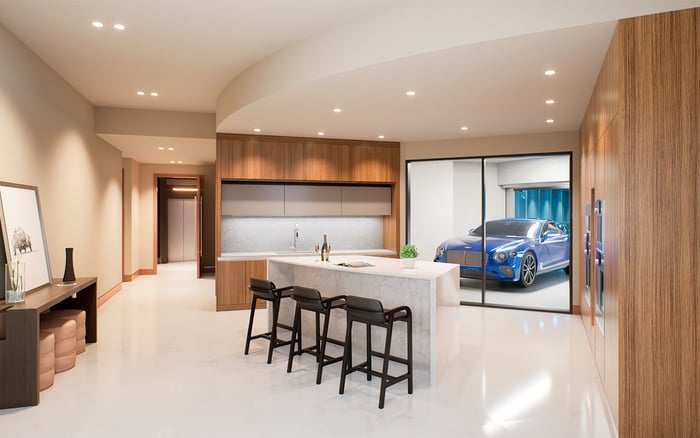
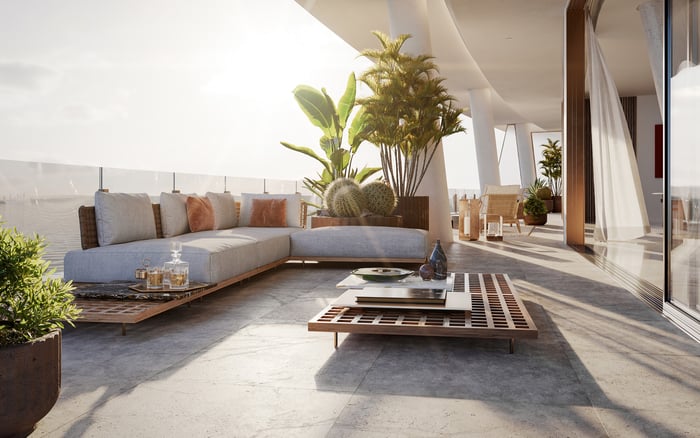
A buyer-focused guide to evaluating whether a flex wellness suite at One Park Tower by Turnberry can function as a private in-unit massage room without compromising privacy, service logistics, or future resale flexibility.
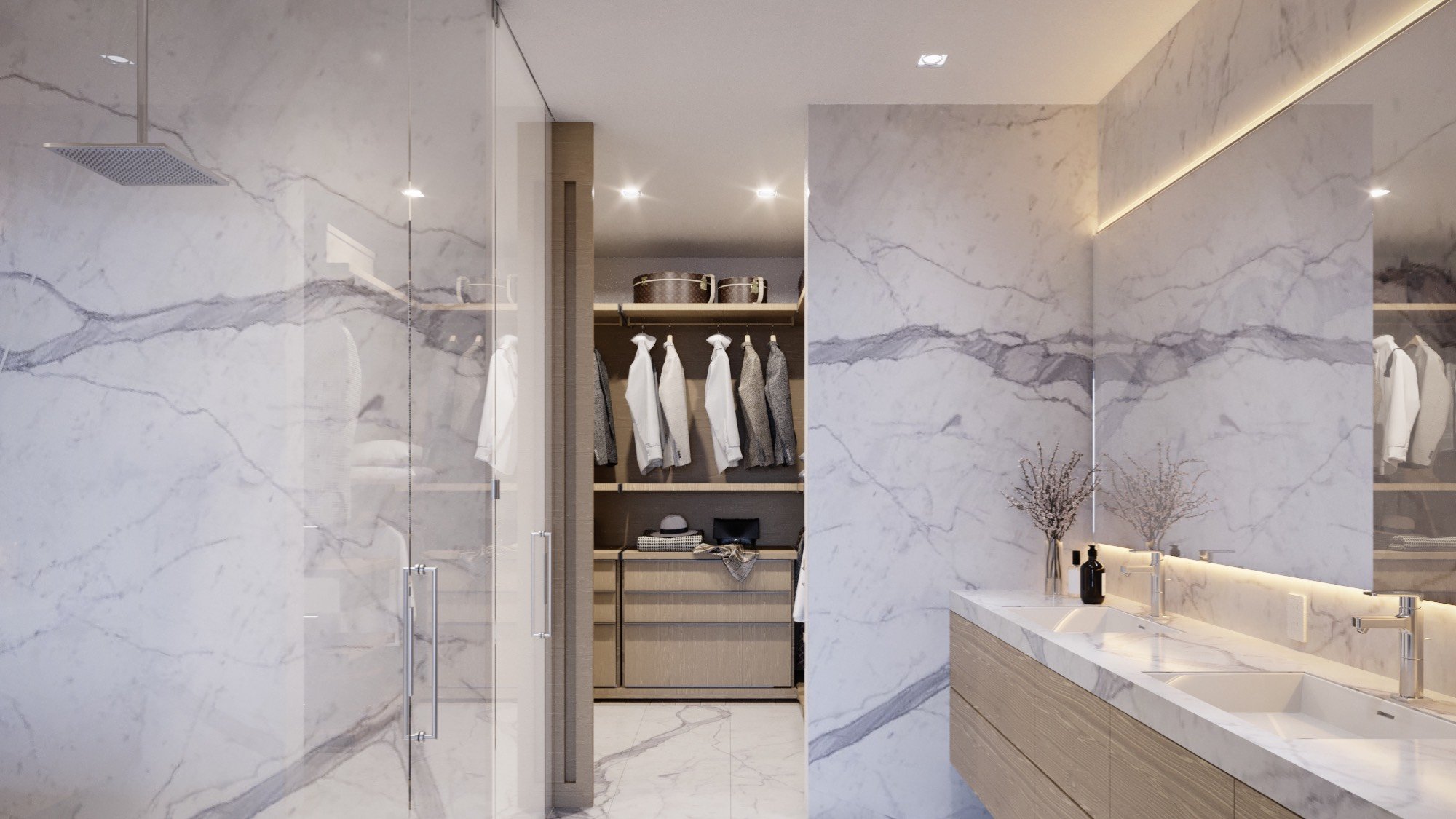
At One Park Tower by Turnberry North Miami, the sharper question is whether a private treatment room can be planned without compromising the residence. In the right layout, an in-unit massage room can become a discreet wellness advantage: a quiet, controlled setting for preferred therapists, recovery work, body treatments, or aesthetic services. In the wrong layout, it can absorb valuable square footage, disrupt family circulation, and create a resale story that feels too narrow.
For a new-construction or pre-construction buyer, the smartest approach is to treat the massage-room idea as a planning test. Can the space work elegantly now while still reading as a den, office, nursery, library, or guest room to the next owner? That question keeps the focus on livability, not novelty.
Before dedicating private interior square footage to a massage concept, review the current amenity program, reservation process, service policies, and day-to-day convenience of the building. If shared wellness spaces meet the owner’s privacy and scheduling expectations, a residence may not need a dedicated treatment room. The private suite may still be useful, but it should be justified by a clear lifestyle need.
If shared wellness access does not match the buyer’s preferred routine, the in-unit option becomes more compelling. This is especially true for owners who value complete scheduling control, recurring visits from trusted practitioners, or a more discreet setting. In that case, the residence is not duplicating an amenity; it is creating a higher-control wellness layer within the private home.
A massage room should never rely on scented candles and soft lighting to feel private. The architecture has to do the work. The best candidate space is one that can be reached without passing through the primary bedroom, children’s rooms, or any area that makes a therapist or guest feel as though they are crossing into the most personal parts of the home.
Look for a room positioned near the entry sequence, a secondary corridor, or a guest-oriented zone. The ideal location allows a practitioner to arrive, set up, complete the appointment, and leave without disturbing the household’s private rhythm. It should also be close enough to a bathroom to support handwashing, changing, and guest comfort, without being so exposed that every appointment is visible from the main living area.
Acoustic privacy is equally important. A treatment room beside a loud entertainment area, mechanical source, or high-traffic family zone may underperform, even if it looks appealing on a floor plan. Visual privacy also matters. Consider door placement, glass exposure, sightlines from the living room, and whether window treatments can support a calm, enclosed experience without making the room feel dark or improvised.
The most elegant treatment room fails if service access is awkward. Outside therapists, physical therapists, aestheticians, or wellness practitioners may need to navigate valet, parking, controlled access, elevators, front desk procedures, and building security. Buyers should confirm whether recurring in-unit visits are clearly permitted and how service providers are processed by the building.
This is not a minor operational detail. A room that functions beautifully for the owner can become a friction point if each appointment requires complicated entry coordination, long waits, or repeated explanations at reception. The better test is simple: can a practitioner arrive in a predictable, discreet, building-approved way?
Buyers should ask how regular service visits are logged, whether any provider documentation is required, and whether there are restrictions on frequency, hours, elevator use, or equipment brought into the residence. Those answers should come before committing square footage to a treatment concept.
Resale is where restraint becomes valuable. The strongest framing is usually “flex wellness suite,” not “single-purpose massage room.” A room with good lighting control, storage, soft finishes, a calm palette, and enough open floor area for a portable table can function beautifully for private treatments while still reading as a study, meditation room, guest room, or refined den.
Avoid permanent commercial-grade features unless there is a very specific reason. Wet-room conversions, highly medical finishes, fixed treatment cabinetry, or built-in plumbing changes may narrow the future audience. They can also make a residential room feel more clinical than luxurious. The most resilient design strategy is reversible: freestanding storage, layered lighting, concealed outlets, acoustic treatments that look residential, and furniture that can be changed without construction.
The room should also be easy to photograph for resale. Future buyers should see useful, flexible square footage. If the space only makes sense with a massage table in the center, the listing narrative becomes too limited. If it can be shown as a serene office, guest lounge, nursery, or wellness retreat, the owner preserves optionality.
Before assigning a room to massage use, walk the exact path a practitioner would take from arrival to departure. Include valet or parking, lobby access, elevator movement, corridor exposure, entry into the residence, setup area, bathroom access, and exit. If any portion feels disruptive, the room may be better used as a more conventional flex space.
Then test the room itself. Is there room for a portable massage table and practitioner movement on both sides? Can linens, oils, bolsters, towels, and small equipment be stored without making the room feel like a service closet? Can lighting be dimmed and controlled? Can sound be softened? Is the room near a bathroom without sitting inside a private bedroom wing?
Finally, test the resale language. If you had to describe the room in one sentence, would it appeal to a broad luxury audience? “Flexible wellness suite with office or guest-room potential” is stronger than “dedicated massage room with specialized buildout.” The former invites imagination. The latter may raise concern about lost utility.
Should I assume One Park Tower includes a dedicated in-unit massage room? No. Treat any massage-room concept as a due-diligence question tied to the specific residence layout and building rules.
What makes a room a strong candidate for massage use? It should offer acoustic privacy, visual privacy, good circulation, storage, lighting control, and convenient bathroom access.
Should the room be near the primary suite? Not necessarily. It should feel private without forcing therapists or guests through bedrooms or family-only corridors.
Do shared spa amenities make an in-unit massage room unnecessary? Sometimes. If shared wellness spaces are discreet, convenient, and easy to use, private square footage may be better preserved for flexible living.
When is a private treatment room more valuable? It is more compelling when the owner prioritizes discretion, scheduling control, and recurring visits from preferred providers.
What building rules should buyers confirm? Confirm whether regular in-unit visits by massage therapists, physical therapists, aestheticians, or wellness practitioners are clearly allowed.
Can service logistics affect the value of the room? Yes. Parking, valet, controlled access, elevators, and security procedures can determine whether appointments feel seamless or burdensome.
What design choices protect resale flexibility? Use reversible, residential finishes, freestanding storage, layered lighting, and layouts that can become an office, den, nursery, library, or guest room.
What should buyers avoid? Avoid overly medical finishes, permanent commercial-grade installations, or wet-room conversions unless the buyer profile is highly specific.
What is the best way to shortlist comparable options for touring? Start with location fit, delivery status, and daily lifestyle priorities, then compare stacks and elevations to validate views and privacy.
For a confidential assessment and a building-by-building shortlist, connect with MILLION.
If branded residences are on your mind — as a home or as an allocation — we would be glad to share what we are seeing, privately.
Begin a quiet conversation