A buyer-oriented look at how financed South Florida purchasers should weigh preconstruction flexibility against the underwriting confidence of completed luxury buildings.
For financed buyers in South Florida, the choice between preconstruction flexibility and completed-building certainty is rarely a simple matter of preference. It is a question of timing, collateral, liquidity, and tolerance for moving parts. A cash buyer can often treat preconstruction as a design-forward commitment or a long-view positioning decision. A financed buyer has a second audience at the table: the lender.
That does not make one path superior. It simply changes the lens. Preconstruction may offer time to plan, select, and organize capital. A completed building may offer a more immediate view of the asset, the association, the finished common areas, and the exact residence being financed. In an ultra-premium market, both paths can be elegant. The better path is the one that fits the buyer’s balance sheet as precisely as the residence fits the buyer’s life.
Preconstruction has a particular allure for buyers who want to enter a building early, refine their preferences, and avoid the compressed pace of a finished-residence bidding conversation. In markets such as Brickell, a buyer considering 2200 Brickell may be thinking not only about the eventual home, but also about the choreography of deposits, lender conversations, and future closing readiness.
The flexibility is both emotional and financial. A financed buyer may value time to sell another property, rebalance liquidity, prepare documentation, or coordinate family timing. Preconstruction can create a runway. It can also reduce the pressure to make every decision in a single week.
Yet that runway is not the same as certainty. The buyer must be comfortable with a future closing, future loan terms, and a project that will be evaluated by the lender when financing is actually needed. For some buyers, that is acceptable because the residence is intended as a long-term home or strategic second home. For others, the unresolved elements feel too exposed.
Completed-building certainty is powerful because the collateral is visible. The residence exists. The finishes can be walked. The building can be experienced. The association structure, monthly obligations, and available comparable context are typically easier to discuss in real time. For a financed buyer, that can matter as much as the view.
A completed residence also compresses the decision window. That can benefit buyers who want possession, clarity, and a defined closing process. It can disadvantage buyers who need time to arrange liquidity or who are still choosing between neighborhoods.
Resale opportunities often sit in this category, although the word should not be mistaken for compromise. In South Florida, many completed luxury buildings remain deeply desirable because they offer a known lifestyle, established service rhythms, and the ability to evaluate the exact home before committing. The tradeoff is narrower selection, and the best residences may require quick, well-prepared action.
High-net-worth buyers sometimes assume that strong personal finances will solve every lending concern. Strength helps, but it is not the only factor. The lender also considers the property, the building, the documentation, and the transaction structure. A buyer may be exceptionally qualified while still facing questions tied to a specific condominium, an unfinished project, or timing between contract and closing.
This is why early lender alignment is essential. Before choosing between new construction and a completed residence, financed buyers should understand how their preferred lender views condominium approvals, project status, liquidity reserves, income documentation, and closing timing. The conversation should happen before the emotional commitment becomes expensive.
For buyers comparing neighborhoods, this discipline is especially valuable. A Miami Beach purchaser looking at The Perigon Miami Beach may have a different timing profile than a buyer pursuing a completed waterfront residence elsewhere. The financing strategy should follow the asset, not the other way around.
Financing mechanics should never be separated from lifestyle. South Florida luxury buyers are often choosing between distinct daily experiences: a vertical urban rhythm, a quieter waterfront enclave, a club-oriented environment, or a beachside residence with a more seasonal cadence. The lender sees risk and collateral. The buyer lives the result.
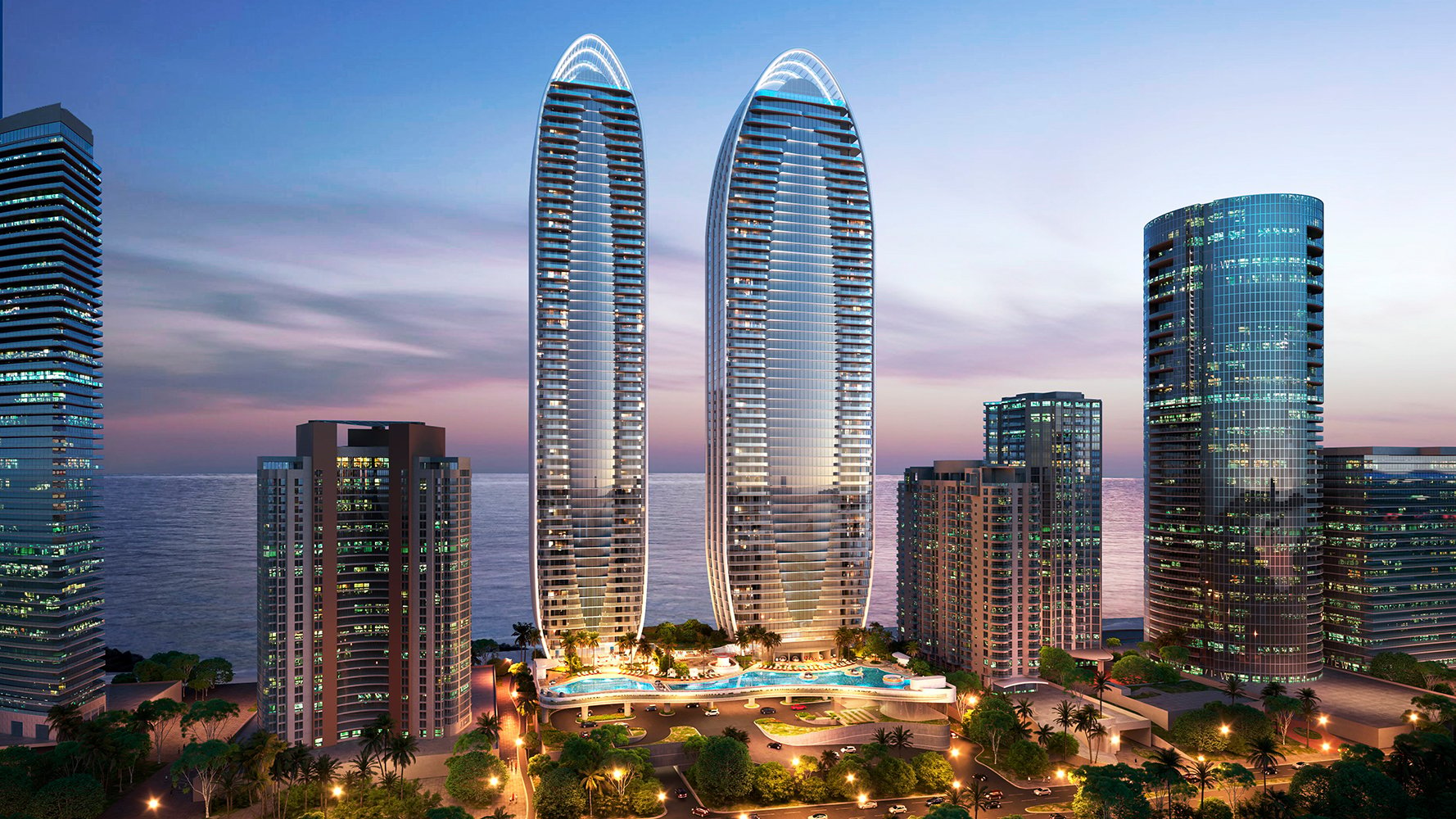
In Sunny Isles, for example, a buyer considering St. Regis® Residences Sunny Isles may be drawn to the identity of a future branded address and the appeal of planning ahead. Another buyer may prefer a completed tower nearby because the view, light, and service experience can be assessed immediately. Neither instinct is wrong. The question is whether the financing plan is as sophisticated as the lifestyle plan.
West Palm Beach adds another layer for buyers who want a refined urban setting with a different pace than Miami. A purchaser studying Alba West Palm Beach may be attracted to a residence that fits a longer planning horizon, while another buyer may want immediate certainty before relocating capital or family routines. The correct answer depends on sequencing.
Preconstruction flexibility tends to matter more when the buyer has clear long-term intent, patient capital, and comfort with future financing execution. It can be especially attractive when the buyer wants more time to coordinate a sale, preserve optionality, or select from a broader range of residences within a building.
It may also appeal when the buyer is less concerned with immediate use. A second-home buyer who does not need to occupy this season may prefer time over immediacy. A primary-residence buyer with a school or work transition may see the same timeline differently.
The key is to treat flexibility as an asset with conditions. The buyer should know what happens if personal plans change, if lending standards shift, or if closing arrives at an inconvenient moment. Flexibility is valuable only when the buyer can carry it without strain.
Completed-building certainty tends to matter more when the buyer wants speed, visible collateral, and a more defined financing path. It may also be preferable for buyers who dislike ambiguity or who need to match a purchase to a specific move-in date.
Certainty can also protect decision quality. Walking a finished residence often clarifies what renderings cannot: the light at a particular hour, the sound, the elevator experience, the arrival sequence, and the relationship between private space and shared amenities. For financed buyers, that sensory certainty complements the lender’s need for tangible collateral.
The tradeoff is that certainty usually demands readiness. The buyer should have financing conversations advanced, documentation organized, and liquidity positioned before making an offer. In the most desirable segments, hesitation can be expensive in ways not always measured only by price.
Start with the financing calendar, not the brochure. Ask when funds will be needed, when the loan must be finalized, how long approval may take, and whether the preferred lender is comfortable with the property type. Then match that calendar to the residence.
Next, define the buyer’s tolerance for uncertainty. Some buyers are comfortable with future variables if the residence is rare enough. Others sleep better when every major input is visible before signing. This is not merely financial. It is temperamental.
Finally, separate romance from readiness. A beautiful future building can be the correct purchase if the buyer has a patient plan. A completed residence can be the wiser choice if certainty protects the buyer’s lifestyle and financing. The best South Florida acquisitions are not rushed, but they are decisive.
Is preconstruction harder to finance than a completed condo? It can require more planning because the loan is typically addressed closer to completion, while a completed condo offers a more immediate collateral review.
Should financed buyers get lender guidance before signing a preconstruction contract? Yes. Early guidance helps clarify documentation, liquidity expectations, and whether the buyer’s preferred lender is comfortable with the purchase structure.
Does a completed building always offer more certainty? It usually offers more visible information, but buyers still need to review the residence, building, association obligations, and financing requirements carefully.
Can preconstruction be a good fit for a second-home buyer? Yes, if the buyer has a patient timeline and does not need immediate use of the residence.
Why does timing matter so much for financed buyers? Loan terms, buyer liquidity, and closing readiness all depend on timing, so the purchase calendar should be planned before emotions take over.
Is resale a weaker choice than new construction? No. Resale can provide immediate visibility, established building rhythms, and a clearer sense of the exact residence being purchased.
What should buyers compare besides price? They should compare timing, lender comfort, monthly obligations, liquidity needs, lifestyle fit, and the confidence they feel in the finished or future asset.
Does Brickell favor one approach over the other? Brickell offers both future and completed options, so the right approach depends on the buyer’s financing calendar and desired lifestyle pace.
Can a financed buyer pursue a branded residence confidently? Yes, provided the financing plan accounts for project status, documentation, closing timing, and the lender’s view of the specific property.
What is the most important first step? Align the lender, liquidity plan, and property timeline before choosing between preconstruction flexibility and completed-building certainty.
For a confidential assessment and a building-by-building shortlist, connect with MILLION.
If branded residences are on your mind — as a home or as an allocation — we would be glad to share what we are seeing, privately.
Begin a quiet conversation