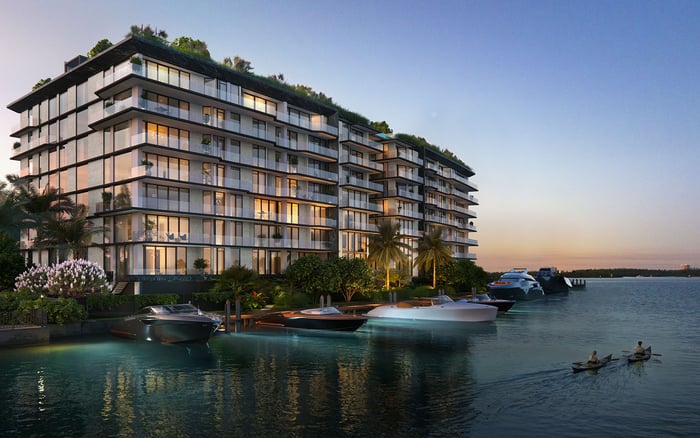
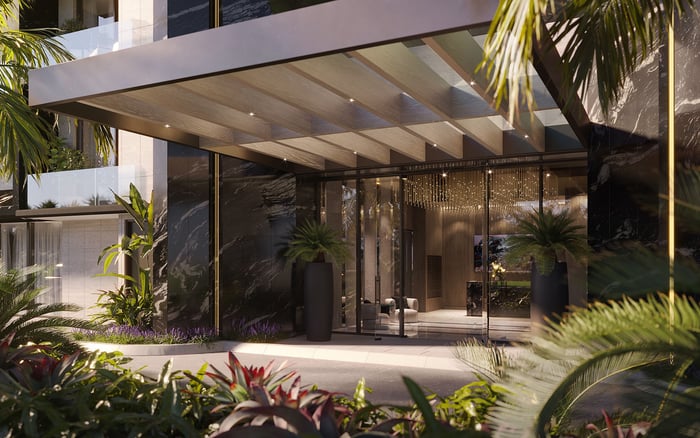
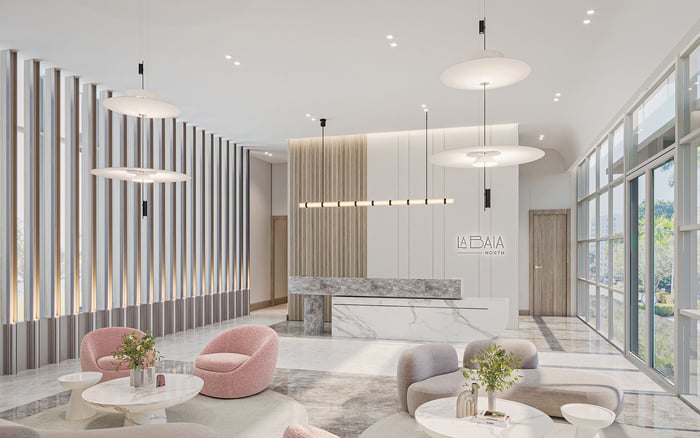
A buyer-oriented comparison of two boutique Bay Harbor Islands waterfront addresses, focused on day-to-day family livability, school proximity planning, and the micro-choices that matter once the design tour is over.
For families considering Bay Harbor Islands, the headline is rarely just “waterfront boutique living.” The real question is whether a residence makes weekdays feel effortless: predictable school runs, clean handoffs to caregivers, discreet arrivals after late practices, and enough privacy for the home to feel restorative.
Through that lens, comparing Onda Bay Harbor and La Baia North Bay Harbor Islands becomes less about any single amenity and more about your household’s living pattern. Both sit comfortably within the Bay Harbor Islands orbit-close to Bal-harbour energy without living inside it. Both present as contemporary, design-forward residences for clients who value discretion.
Because family needs are intensely specific, the best approach is to pressure-test each building against your actual loops: morning drop-off, midday errands, after-school activities, and evening decompression. The better choice is the one that reduces friction-not the one that photographs best.
Bay Harbor Islands is a compact, water-wrapped community. That scale is the lifestyle feature: fewer surprises, less through-traffic, and a calmer cadence than denser Miami-beach corridors. For families, that calm shows up in daily details-a stroller-friendly walk, a simpler curbside pickup, a quieter evening on the balcony.
Three practical livability filters should come first, before the school shortlist:
How quickly can you go from car to unit with kids, backpacks, and groceries? Boutique buildings often feel intimate, but circulation can be tighter. You want a route that doesn’t turn every errand into a production.
Families experience sound differently than second-home buyers. Look for separation between bedrooms and entertaining areas, and consider how daylight lands during homework hours.
A family home needs places for sports gear, uniforms, strollers, and deliveries. If the floor plan is beautiful but lacks real storage, the home will feel smaller over time.
Even within the same neighborhood, two buildings can support these needs very differently. A strong tour should include the unglamorous essentials: where you unload, how deliveries work, and how quickly you can get back to your car without turning the lobby into a family staging area.
Onda tends to resonate with buyers who want their home to read as a true retreat. For families, that often means prioritizing privacy, quieter common areas, and a more residential tone.
From a livability standpoint, Onda can be especially compelling when:
Families with younger children often prefer fewer interruptions and a sense that neighbors share a residential mindset.
Many family decisions come down to how a residence lives at 7:30 a.m. and 8:30 p.m., not how it looks during a weekend showing.
A home that supports discreet comings-and-goings keeps the household running smoothly.
If you’re also evaluating the wider Bay Harbor pipeline, it can be helpful to compare the feel of other nearby boutique projects. Alana Bay Harbor Islands offers another reference point for scale and intimacy, which can help families define what “boutique” should mean in day-to-day practice.
La Baia often appeals to households that thrive on accessibility: quick transitions from home to the day’s schedule, and a sense that life flows outward to the neighborhood. For families with packed calendars, convenience isn’t a luxury-it’s sanity.
La Baia can be a strong fit when:
Think two parents with different departure times, plus sports, tutoring, and social commitments.
Some families want to feel close to shops and the Bal-harbour ecosystem while still living in a calmer enclave.
Grandparents, friends, and out-of-town family can make circulation and guest management a decisive factor.
For buyers who want to widen the Bay-harbor lens even further, The Well Bay Harbor Islands is another nearby touchstone for comparing how different projects interpret wellness, calm, and daily ease.
Families relocating within Miami often start with school names and end with a map. The lived reality is route-based: a school is only “close” if the drive is predictable during the hours you actually travel.
A smart planning method is to build three sample itineraries before you choose a building:
Include your typical coffee stop, a second child’s different campus if applicable, and where you go immediately after.
Add the most common after-school sport or studio, plus a realistic dinner plan.
Consider late practice, tutoring, or a parent arriving from Downtown or Brickell-and how the home feels the moment you walk in.
If those loops run smoothly, the home will feel larger and the neighborhood will feel more flexible. If those loops are consistently tense, even an elegant finish schedule won’t compensate.
Also factor in the “second-order” needs luxury buyers often underestimate: where uniforms and errands get handled, how quickly a caregiver can pivot for a forgotten item, and how easily you can host group projects or sleepovers without the unit feeling overrun.
Families should tour units with a bias toward longevity. A plan that works for a toddler can fail with a middle-schooler who needs privacy-or a teen who brings friends and noise.
Look for:
A true primary-suite buffer matters when children’s bedtimes don’t align with adult schedules.
Today’s nursery becomes tomorrow’s homework room; later, a quiet office. The best plans anticipate this evolution.
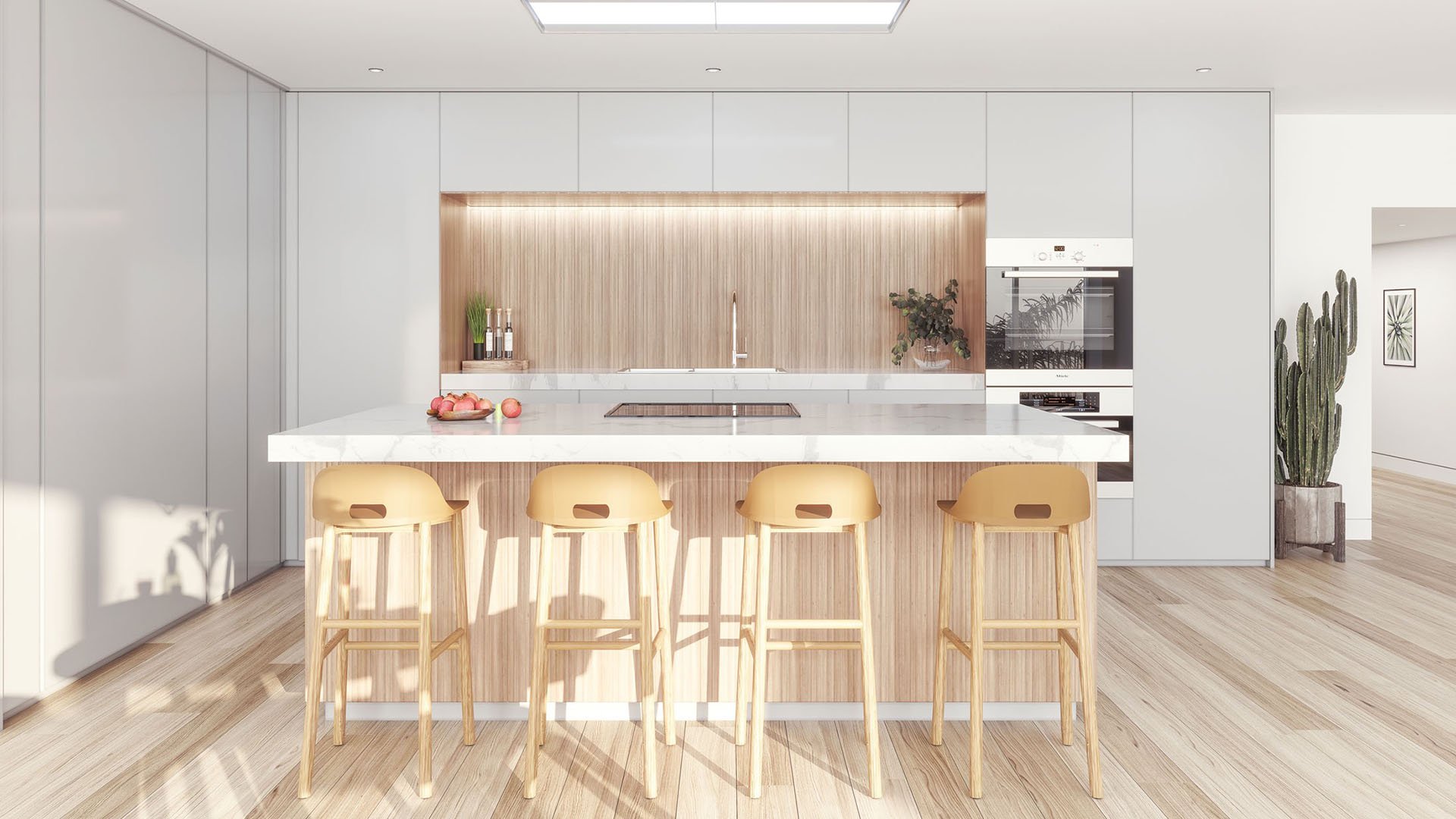
Open kitchens can be excellent for supervision, but confirm there’s enough wall space and storage to keep counters calm.
A balcony should be usable, not merely decorative. Families rely on outdoor space as a pressure-release valve.
When comparing Onda and La Baia, tour with a checklist that reflects real life: where backpacks land, where a stroller parks, and whether guests can use a powder bath without cutting through private zones.
Luxury amenities can be seductive, but family value is narrower than marketing suggests. The most family-relevant features tend to be:
Is it comfortable for kids and still pleasant for adults? Shade and sightlines matter as much as design.
Families often work out in short windows. A gym that’s easy to access-and not perpetually “scene-y”-gets used.
Parents increasingly need quiet corners for calls, and older children need study-friendly environments.
Amenities that often matter less than expected include overly programmed lounges and rarely used show kitchens. For families, operational smoothness is usually more valuable: predictable package handling, consistent staff presence, and an environment where children can exist without feeling “on display.”
Bay Harbor Islands sits near some of the region’s most polished retail and dining, but family living is about more than access. It’s about having options for quick wins: a last-minute dinner, a simple weekend walk, or a short errand that doesn’t become a half-day commitment.
Many families like being close to Bal-harbour without living in a higher-traffic core. That proximity can also shape how you host: meeting friends nearby, keeping the home quieter, and using the neighborhood as an extension of your living room.
If you’re weighing other coastal lifestyles for contrast, a visit to Ocean House Surfside can clarify the decision. Surfside’s rhythm and walkability read differently, and seeing both can help you choose between Bay Harbor’s island calm and a more directly beach-adjacent routine.
When two excellent options compete, the tie-breaker is rarely finishes. It’s whether the building supports your household’s operating system.
Choose a more privacy-forward experience if:
You prioritize quiet and a retreat-like tone.
Your children are young and routine-sensitive.
You want the home to absorb the day rather than reflect it.
Choose a more connectivity-forward experience if:
Your family calendar is dense and multi-directional.
You host frequently and prefer easier guest flow.
You want to feel closer to the neighborhood’s everyday convenience.
In either case, ask the questions that expose the real family experience: Where do deliveries go? How do you manage car seats and strollers? What’s the simplest path from parking to the unit? The answers aren’t glamorous, but they define livability.
Is Bay Harbor Islands a good fit for families who want a calmer lifestyle? Yes. The area’s smaller scale and residential feel often suit families seeking a quieter daily rhythm.
Which is better for family livability: Onda or La Baia? It depends on your routine. Onda may feel more retreat-like, while La Baia may suit a more active schedule.
How should we evaluate “nearby schools” when touring? Test real drive times during drop-off and pickup windows-not midday-and map after-school activities too.
What floor plan features matter most for children over time? Bedroom separation, flexible rooms, and practical storage tend to age best as kids’ needs change.
Do boutique buildings work well with strollers and school gear? They can, but you should confirm the unloading path, elevator access, and where items can be stored.
Should we prioritize amenities or unit livability first? Unit livability first. Families use a well-planned home every day; amenities are secondary support.
Is it realistic to live here with frequent visiting family? Yes, if your layout supports guest flow. Look for a powder bath and a guest room with privacy.
How important is proximity to Bal-harbour for day-to-day life? It can be very helpful for errands and dining, but many families prefer to keep home in a calmer pocket.
What is the smartest way to compare two buildings in the same area? Build a weekly schedule and score each building on arrival ease, noise control, storage, and flexibility.
Can we make a Bay Harbor Islands home work for hybrid work and school schedules? Yes. Prioritize a flexible room or quiet corner for calls and study, plus reliable day-to-day building operations.
For a tailored shortlist and next-step guidance, connect with MILLION Luxury.
If branded residences are on your mind — as a home or as an allocation — we would be glad to share what we are seeing, privately.
Begin a quiet conversation