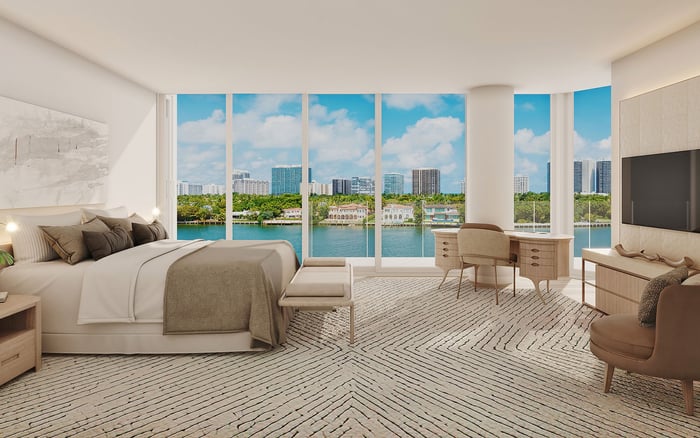
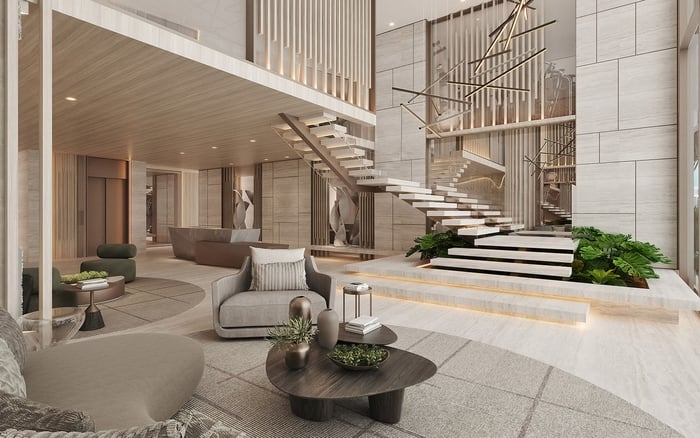
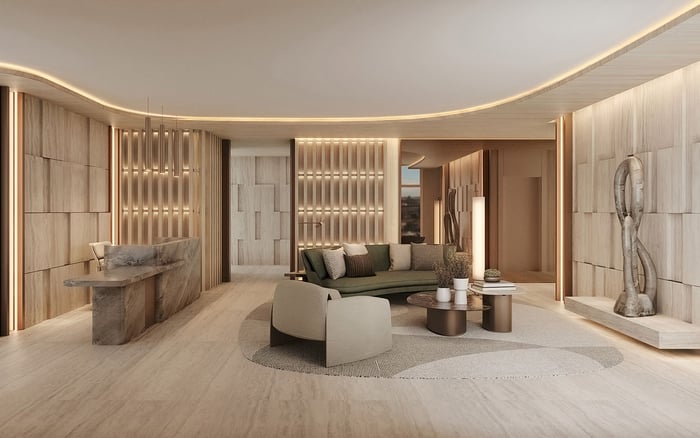
A buyer-oriented, design-forward comparison of La Maré and Onda in Bay Harbor Islands, focused on finish sensibility, upgrade pathways, and what “customization” realistically means in new construction.
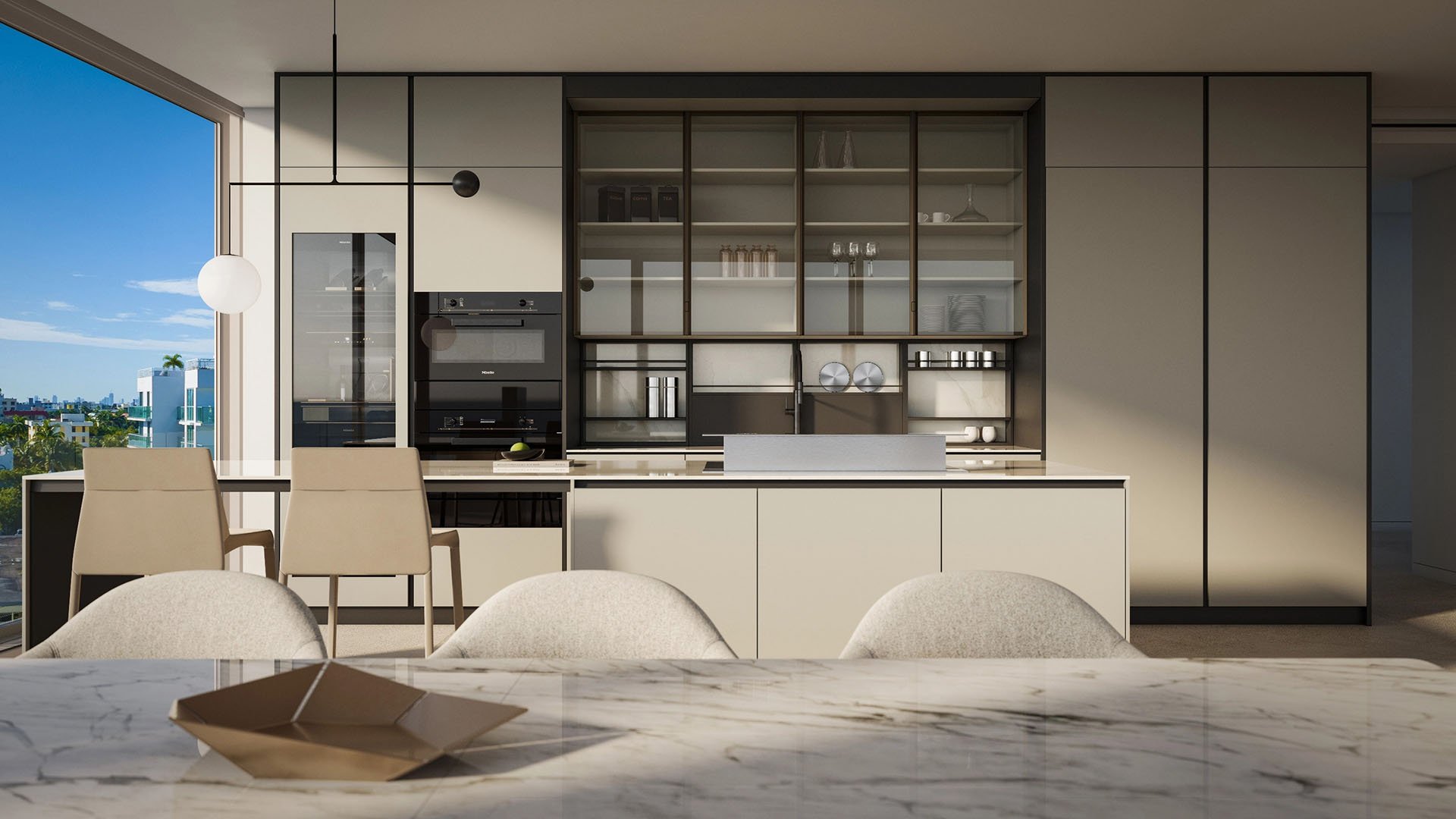
In Bay Harbor Islands, boutique new construction often competes on a tighter set of differentiators than larger coastal towers: privacy, proportion, and the interior experience you live with every day. When buyers compare La Maré Bay Harbor Islands with Onda Bay Harbor, the decision is often less about headline amenities and more about a quieter matrix of finish sensibility-and how far you can tailor the home before move-in.
The nuance is that “customization” is not a single promise. It is a sequence: what is delivered as standard, what can be upgraded, what can be changed if you buy early enough, and what must wait until after closing. Understanding that sequence is where sophisticated buyers save time, avoid design rework, and protect long-term resale.
At this level, you are not simply choosing materials. You are choosing a point of view.
La Maré’s appeal, for many, is the impression of a composed, residential interior: finishes that can skew warmer, palettes that favor calm continuity, and details that feel considered rather than performative. If you gravitate toward a home that photographs as quietly luxurious, the most revealing signals are usually in the transitions: door hardware, base details, the alignment of stone veining, and whether the kitchen reads as “designed furniture” rather than a standard package.
In practical terms, this often translates into buyers prioritizing:
Softer, more forgiving sheens and tones that wear elegantly over time.
A cohesive material story between public spaces and private suites.
Kitchen and bath selections that favor craft and proportion over contrast.
Onda tends to attract buyers who want the interior to read clean, architectural, and contemporary. Think sharper lines, higher contrast potential, and a preference for a gallery-like calm where art and furniture carry the personality. This is often a strong match for collectors and for owners who travel, because the space can feel intentionally minimal while still luxurious.
In practical terms, the modern buyer often prioritizes:
A cleaner cabinet language and a more precise visual rhythm.
Stone and slab surfaces that make a strong single statement.
Lighting and ceiling decisions that support a sleek envelope.
Neither approach is universally “better.” The buyer advantage is knowing which finish direction will be easier to live with-given your lifestyle, your art, and how you intend to furnish the home.
In boutique pre-construction, customization is typically most successful when it is focused. The goal is to personalize the home without creating a maintenance burden or narrowing the future buyer pool.
Kitchen specification: appliance suite, cabinet finish, countertop material, and the quiet functional details like pantry interiors and integrated storage.
Primary bath: stone selection, wet-area detailing, plumbing trim, and lighting. This is where “standard vs upgraded” is most visible in daily use.
Lighting and controls: recessed layout, decorative fixture allowances, dimming strategy, and smart control readiness. A disciplined lighting plan can elevate even conservative materials.
Closet and interior millwork: wardrobes, linen storage, and any built-ins that make the home live like a custom residence rather than a condo.
highly stylized tile patterns, loud stones, or ultra-trendy colors can date quickly.
moving wet walls, changing window or door conditions, or altering HVAC distribution can trigger engineering review, cost escalation, and schedule risk.
exotic materials can be beautiful but may complicate future service and replacement.
A good rule for both La Maré and Onda: personalize what touches your daily routine, and keep the architectural envelope timeless.
In new construction, customization lives on a calendar. The earlier you are under contract, the more likely your changes can be integrated cleanly. Late-stage changes can be possible, but they often become a patchwork: some items approved, others deferred to post-closing renovations.
Ask for clarity on these selection milestones:
When are buyer design selections due?
When do material orders get locked?
What are the review and approval steps for upgrades?
Which changes require architect or engineer sign-off?
This is where sophisticated buyers treat the process like a project, not a shopping trip. The objective is to avoid expensive redo work that should have been decided upstream.
“Luxury finishes” can still be a mix of inclusions and allowances. The smart way to compare La Maré vs Onda is to request a clear scope, then evaluate by category rather than by line item.
Key categories to confirm:
appliances, cabinet interiors, hardware, countertop thickness, backsplash scope.
stone coverage, shower enclosure, trim level, mirrors, medicine cabinetry.
material, underlayment, base details, threshold transitions.
height conditions, recessed counts, dimmers, fixture credits.
wiring pathways, networking, AV prewire, and any smart-home compatibility.
If you are comparing two beautiful packages, the differentiator is often what you do not see in the showroom: sound attenuation choices, under-cabinet task lighting, and whether the standard details already feel complete.
Even if this is a long-term hold, Bay Harbor buyers tend to be design-literate. They can tell when a home has been upgraded with restraint versus over-personalized.
A resale-friendly customization profile usually includes:
A neutral, elevated palette with one or two memorable moments.
Exceptional lighting and controls.
High-performance kitchen and bath specifications.
Thoughtful storage that makes daily living effortless.
If your goal is to create a signature interior, consider doing it through furnishings, art, and layered lighting rather than hard-to-reverse architectural moves.
Bay Harbor’s boutique market has a distinct ethos: fewer residences, a more private lifestyle, and an emphasis on the in-home experience. That is different from the tower-driven theater of larger districts.
For context, buyers who want a more resort-scaled amenity environment often cross-shop beyond Bay Harbor, but the finishing conversation remains similar: standard packages, curated upgrade menus, and the reality that customization depends on timing.
In Bay Harbor Islands specifically, you will see adjacent alternatives that help calibrate expectations. Alana Bay Harbor Islands often comes up in boutique comparisons because it underscores how much “feel” is driven by interior decisions. Looking a bit wider, wellness-led positioning at The Well Bay Harbor Islands can also reframe the conversation: finishes are not only aesthetic-they are tied to how you want to live in the space.
When the renderings are equally compelling, decide like a principal, not a tourist.
Start with your furnishing style: If your collection is bold, a quieter envelope can be the right counterbalance. If you prefer sculptural minimalism, a crisp modern base can amplify it.
Audit the “standard” completeness: A standard package that feels finished saves time and money. An upgrade-heavy approach can still be right-but only if you want the project management.
Measure customization by friction, not by possibility: The best customization is the kind that is easy to execute, approved quickly, and installed cleanly.
Prioritize lighting: If you do only one upgrade, upgrade the lighting plan and controls. It elevates everything else.
Protect the quiet luxuries: Doors that close correctly, thoughtful storage, refined hardware, and material transitions. These are what make a residence feel effortless.
Is La Maré or Onda “more customizable” in general? It depends on purchase timing and what will be approved; customization is usually greatest early in the build.
What upgrades make the biggest difference at move-in? Kitchens, primary baths, lighting plans, and closet millwork tend to deliver the most daily impact.
Can I change the floor plan before closing? Minor adjustments are sometimes possible, but structural and wet-area changes often require approvals and can affect schedule.
Should I plan to renovate after closing instead of upgrading now? If your desired changes sit outside the upgrade menu, post-closing work can be cleaner-but it adds time, coordination, and disruption.
How do I compare finish packages without getting lost in details? Group items into categories like kitchen, baths, flooring, lighting, and tech readiness, then compare included scope and allowances.
Do upgrades typically help resale in Bay Harbor Islands? Resale tends to reward timeless materials, strong lighting, and high-function kitchens and baths more than highly personal design moves.
What is the biggest risk with heavy customization? Late decisions can create cost escalation, delays, and a mismatch between what is approved and what is delivered.
What should I ask for before making design selections? Request clear deadlines, approved options, upgrade pricing, and a written scope of what is included versus upgrade.
Are smart-home features worth prioritizing? Yes-especially wiring, networking, and lighting controls-because they are easiest to integrate during construction.
What is the simplest way to decide between La Maré and Onda? Choose the project whose standard aesthetic you would be happy to live with, then upgrade selectively for performance and comfort.
For a confidential assessment and a building-by-building shortlist, connect with MILLION Luxury.
If branded residences are on your mind — as a home or as an allocation — we would be glad to share what we are seeing, privately.
Begin a quiet conversation