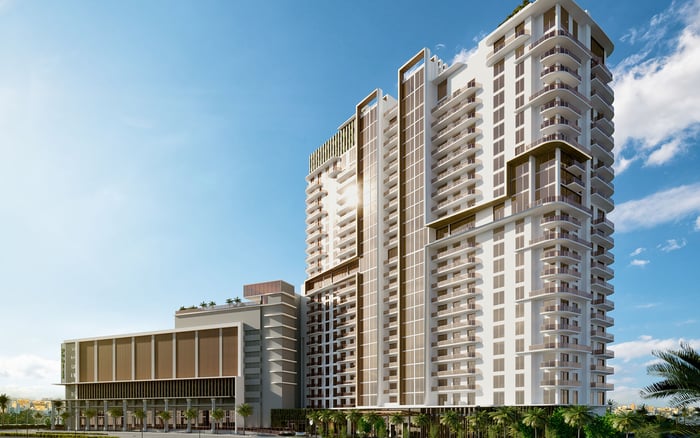
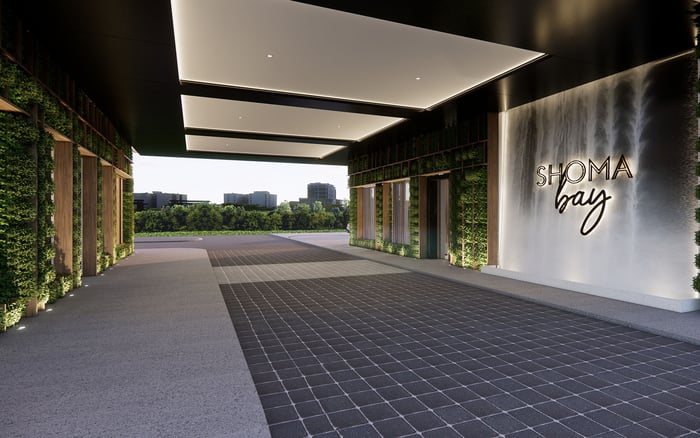
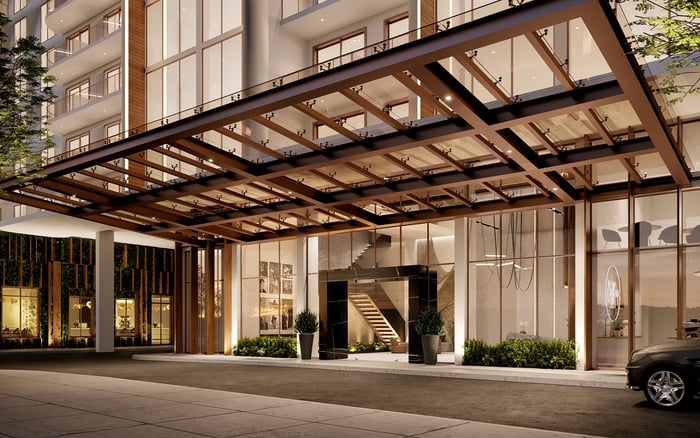
A practical comparison of The Residences at Six Fisher Island and Shoma Bay North Bay Village for buyers evaluating hurricane readiness through household operations, written documentation, and post-storm livability.
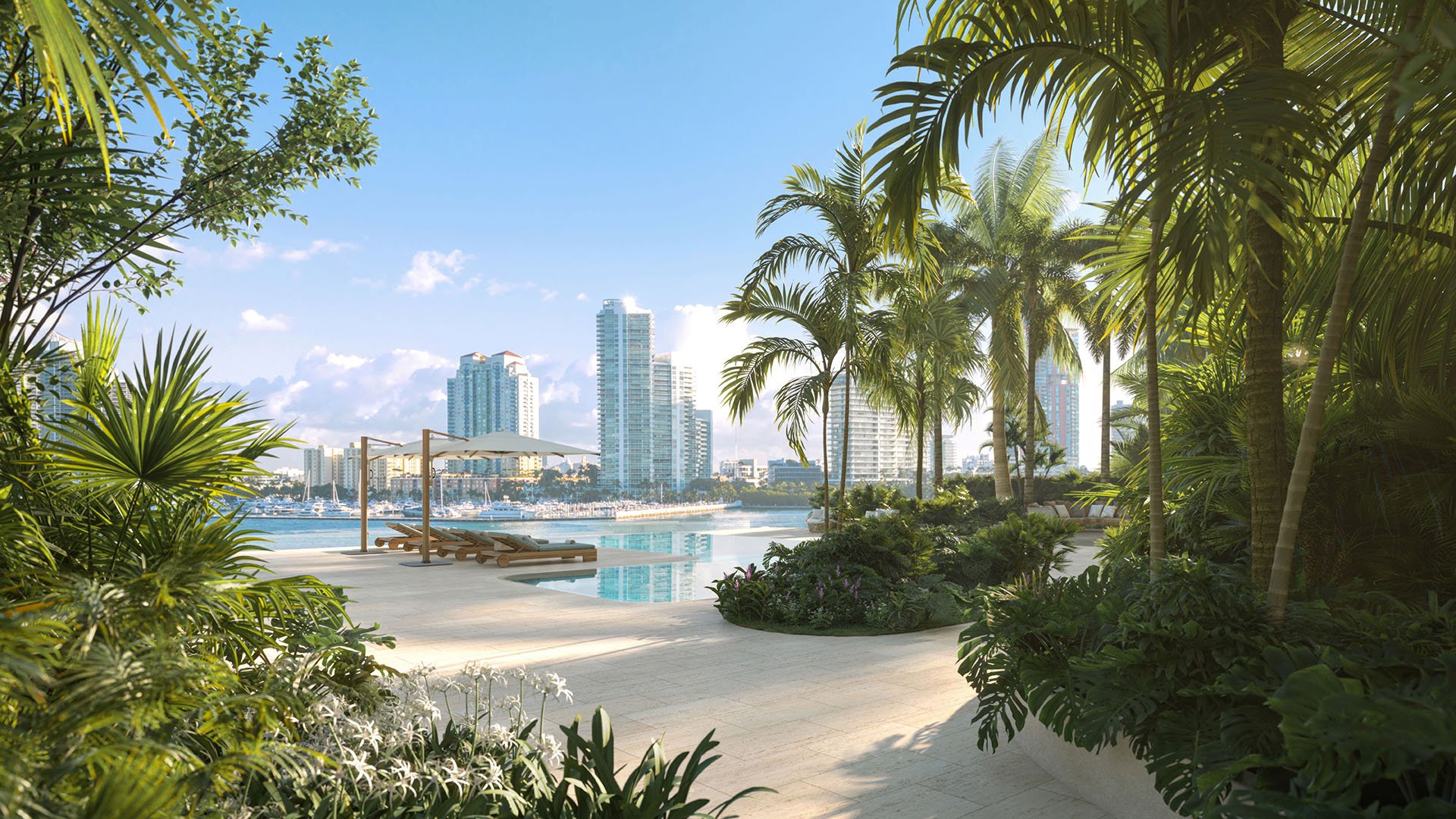
For a certain kind of South Florida buyer, hurricane readiness is not a line item buried in a presentation. It is the difference between a residence that remains usable after a severe weather event and one that becomes beautiful but temporarily impractical. The comparison between The Residences at Six Fisher Island and Shoma Bay North Bay Village should therefore begin with a more exact question: what can the household actually do when power, water, elevators, communications, access, drainage, and staffing are under stress?
That framing matters because luxury buyers often hear terms such as storm-ready, resilient, protected, or built for the coast. Those words may be directionally useful, but they are not operational proof. A serious buyer needs documents, procedures, equipment schedules, and written confirmations that translate design intent into daily life. For a waterview residence used by a family, principal, guests, domestic staff, or visiting executives, the issue is not simply whether the building was designed to modern standards. The issue is whether the home can function when the neighborhood, marina, road network, utility grid, or vertical transportation system is disrupted.
The Residences at Six Fisher Island sits within the Fisher Island conversation, which naturally carries an aura of privacy, exclusivity, and controlled arrival. For many buyers, that setting is part of the appeal. In a hurricane-readiness review, however, island character should not be treated as a substitute for written operating clarity.
The first buyer request should be the elevation certificate and the design flood elevation used for the project. The second should be a clear explanation of how finished-floor elevation, garage areas, mechanical spaces, lobby areas, and critical building equipment relate to that design. Without that package, no buyer should rely on generalized statements about passive resilience.
The next request is emergency power. The question is not whether backup power exists in some form. The question is what it powers, for how long, and under which load assumptions. A buyer should ask for written confirmation covering elevators, domestic water pumps, HVAC, life-safety systems, garage ventilation, access control, common-area lighting, refrigeration support where applicable, and any in-unit circuits. Fuel storage, refueling contracts, generator load schedules, transfer switch design, and maintenance history all belong in the same file.
For The Residences at Six Fisher Island, the most disciplined approach is to treat the island setting as a lifestyle advantage that still requires proof. The household operations file should explain post-storm access, ferry or service coordination where relevant, emergency staffing, vendor access, communications redundancy, potable-water continuity, and elevator restart procedure. The strongest luxury experience is quiet because the systems behind it have already been documented.
Shoma Bay North Bay Village belongs to a different buyer conversation, one shaped by North Bay Village living, bay views, urban connectivity, and a new-construction mindset. That context may appeal to buyers who value a more connected island-area lifestyle. Yet the same rule applies: active response claims need documentary support before they become underwriting assumptions for the household.
For Shoma Bay North Bay Village, buyers should begin with the same flood and wind package: elevation certificate, design flood elevation, flood-panel review, wind-design criteria, and product approvals for glazing, doors, and exterior openings. If a property is marketed with coastal confidence, the buyer file should show how that confidence is engineered.
Emergency power deserves equal scrutiny. Written confirmation should specify whether elevators, water pressure, HVAC, life-safety systems, garage ventilation, access control, lighting, refrigeration, and in-unit circuits are included, excluded, partially supported, or sequenced. Generator runtime and water-purification or potable-water continuity should be treated as priority questions, not assumed features.
The buyer should also ask for the emergency operations plan. That document should address resident communications, staffing levels, security procedure, elevator shutdown and restart, drainage response, access after a storm, coordination for deliveries, and the timing for building reoccupation if evacuation or closure occurs. A luxury building can be well designed and still create friction for residents if the operational playbook is vague.
A conventional comparison might ask which property is safer. That is the wrong question unless the buyer has the same technical file for both addresses. The better comparison is which residence gives the household more verifiable continuity.
For The Residences at Six Fisher Island, the central diligence theme is whether a private island setting is matched by clear emergency logistics. For Shoma Bay North Bay Village, the central diligence theme is whether a connected bayfront setting is matched by detailed building operations. Neither should be treated as categorically superior without project-specific proof of elevation, structural design criteria, generator runtime, fuel arrangements, drainage design, and post-storm access protocols.
The most valuable buyer questions are identical for both. What is the finished-floor elevation? What design flood elevation governs the building? What wind rating applies to the glazing and doors? What load does the generator actually carry? How much fuel is stored onsite, and what replenishment contract is in place? Are stormwater pumps redundant? Who restarts the elevators, and how soon can that happen? What staff remains before, during, and after the event? How is potable water maintained? How do residents, guests, staff, and vendors regain access after a storm?
This is where luxury real estate becomes operational rather than aesthetic. A residence can have exceptional finishes, privacy, amenities, and views, yet the decisive detail for a year-round owner may be whether the domestic water pumps and one elevator remain functional long enough to keep the household intact.
Before contract deadlines, buyers should request a concise hurricane operations package. It should include the elevation certificate, flood-zone and design-flood documentation, wind-design criteria, glazing and door approvals, generator specifications, generator load schedule, fuel-storage details, fuel-delivery contract, stormwater-pump specifications, emergency operations plan, elevator vendor restart protocol, insurance-loss history, and written confirmation of which systems are supported by backup power.
For a principal residence, the checklist should go one step further. Ask how the building communicates with residents if cell service is impaired. Ask whether staff have written assignments. Ask which entrances may be used after storm conditions pass. Ask whether garage ventilation, access control, package areas, cold storage, and service elevators remain usable. Ask how pets, caregivers, medical equipment, and household staff are contemplated in the plan.
For a second home, the questions are different but just as important. Who secures the residence when the owner is away? Who checks for water intrusion? How quickly can management enter, assess, and report? What happens to chilled storage, climate control, and access credentials during an outage? The best hurricane plan is not merely architectural. It is administrative, mechanical, electrical, and human.
A polished answer is not enough. Buyers should look for specificity. A strong response names systems, capacity, sequence, vendors, staffing roles, and resident communications. A weak response relies on adjectives.
If the answer says the building has backup power, the buyer should ask: backup power for what? If the answer says impact glass, the buyer should ask for product approvals and wind criteria. If the answer says emergency plan, the buyer should ask for the resident version and the management version. If the answer says resilient, the buyer should ask to see the documents that make resilience operational.
That discipline does not diminish the allure of either address. It enhances it. In the upper tier of South Florida real estate, confidence is not created by being told a residence is prepared. Confidence is created when the buyer can see, in writing, how the residence will behave when the weather is no longer theoretical.
Which project is more hurricane-ready? Neither should be treated as more hurricane-ready without comparable written documentation on elevation, power, drainage, staffing, and access.
What is the first document a buyer should request? Start with the elevation certificate and design flood elevation, then compare those figures with the location of critical building systems.
Is backup power enough by itself? No. Buyers need to know what the generator supports, how long it can run, how fuel is replenished, and which systems are excluded.
Should elevators be part of the diligence review? Yes. Ask which elevators receive emergency power, who restarts them, and what the vendor procedure is after storm conditions pass.
Why does potable water matter in a luxury condo? Water pressure and continuity affect showers, kitchens, toilets, staff operations, and basic habitability after a service disruption.
What should second-home buyers ask differently? They should ask who inspects the residence after a storm, how access is managed, and how quickly owners receive condition updates.
Do impact windows prove full hurricane readiness? No. Glazing is one component, but buyers should also review wind criteria, doors, drainage, power, water, and operations.
What staffing questions matter most? Ask who remains onsite, who returns first, what duties are assigned, and how residents receive updates during and after the event.
Should insurance history be reviewed? Yes. Insurance-loss history can help frame the building’s past exposure, repair patterns, and underwriting questions.
What is the best closing condition for this issue? Make written hurricane operations documentation part of the due-diligence file before deposits become harder to recover.
For a tailored shortlist and next-step guidance, connect with MILLION.
If branded residences are on your mind — as a home or as an allocation — we would be glad to share what we are seeing, privately.
Begin a quiet conversation