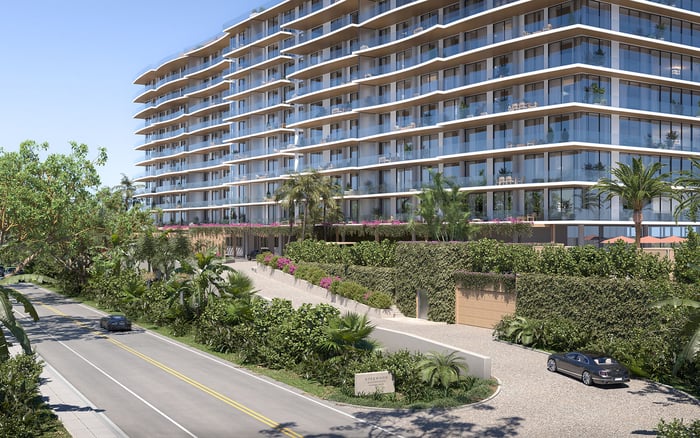
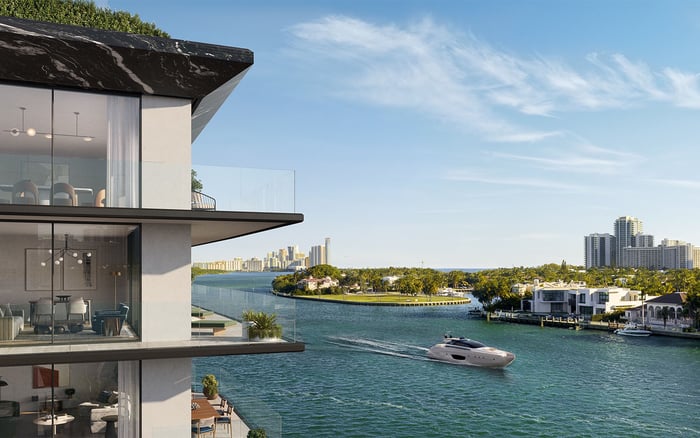
A discreet buyer’s comparison of oceanfront Miami Beach and Bay Harbor Islands, weighing lifestyle, privacy, waterfront character, and long-term investment fit.
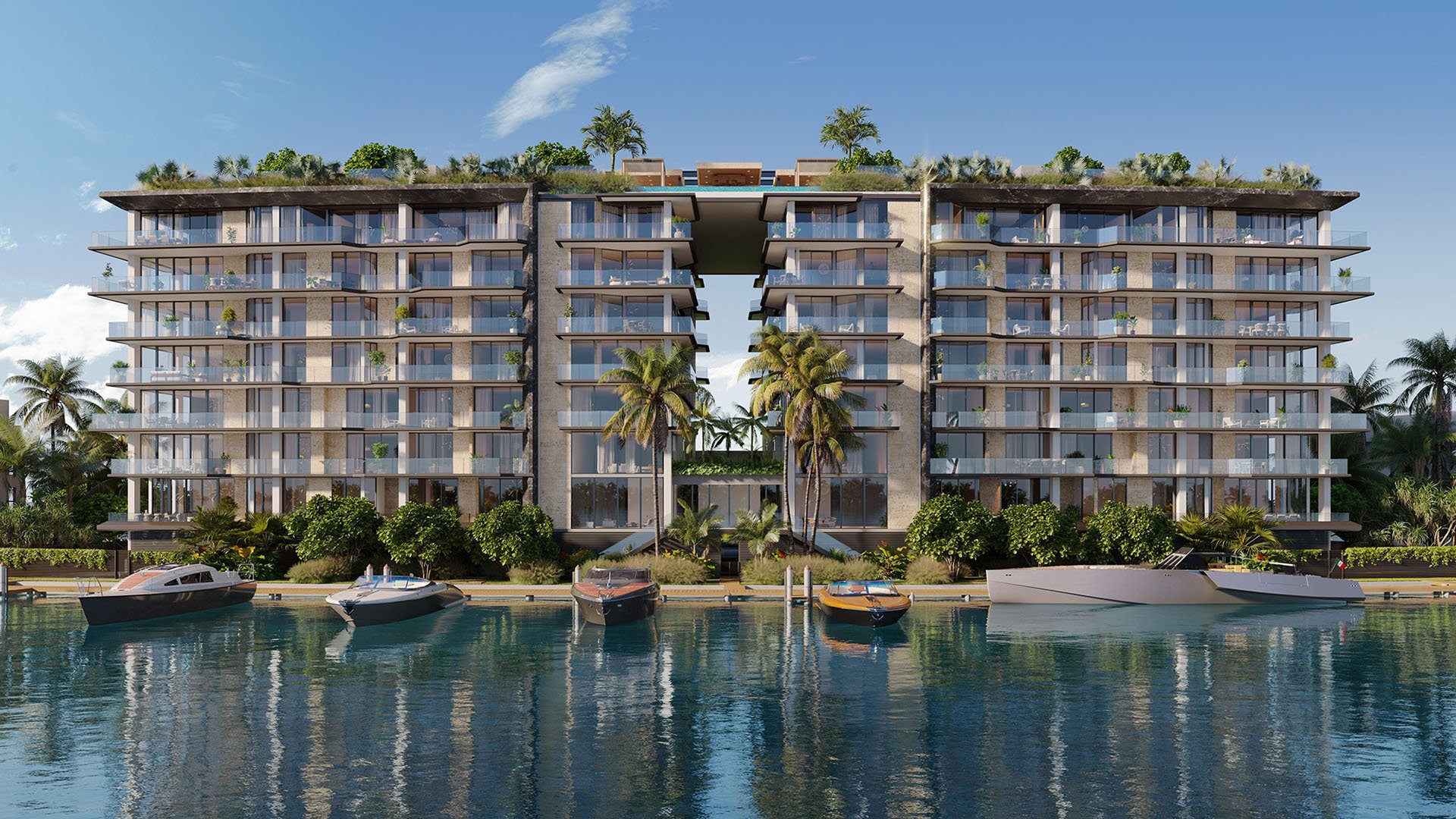
For luxury buyers, the comparison between oceanfront Miami Beach and Bay Harbor Islands is not simply about the view. It is about rhythm, privacy, access, and how a residence will be used over time. One address speaks in the language of sand, sunrise, hotel-level energy, and international recognition. The other offers a quieter waterfront cadence, more residential in tone, with bay views, marina sensibility, and a village-like scale.
Both can be compelling. Both can serve as a primary home, seasonal retreat, or long-horizon hold. Yet they attract different temperaments. Oceanfront Miami Beach appeals to buyers who want the Atlantic as the main event, with direct beach access and a sense of arrival that feels unmistakably Miami. Bay Harbor Islands appeals to those who want water, discretion, and proximity to the wider luxury corridor without living inside the most visible beachfront scene.
Buyers often frame the decision around Miami Beach, Bay Harbor, oceanfront, water-view, boutique, and investment priorities. The labels may be simple, but the implications are meaningful.
Oceanfront Miami Beach offers the region’s most legible luxury proposition: live on the Atlantic, step onto the sand, and let the view define the residence. For global buyers, this is often the image that first comes to mind when they think of South Florida waterfront ownership. The beach is not nearby. It is the amenity.
That directness supports lifestyle value. Morning swims, sunrise terraces, hotel dining, spa culture, and the social energy of Miami Beach are part of the daily script. Buildings such as 57 Ocean Miami Beach speak to buyers who want the oceanfront experience to feel residential rather than purely resort-driven, while still preserving the immediacy of beach living.
The investment case is equally tied to clarity. Oceanfront inventory is inherently finite, and the address is easy to understand across languages and markets. A buyer does not need a long explanation of why direct ocean frontage matters. That simplicity can support liquidity at the upper end, especially when a residence combines view quality, building pedigree, service, and modern design.
The tradeoff is exposure. Miami Beach is more public, more kinetic, and often more scrutinized by buyers who are sensitive to congestion, tourism, and building scale. For some, that energy is the point. For others, it is precisely why they begin looking across the bay.
Bay Harbor Islands offers a more discreet version of Miami waterfront living. The appeal is not the roar of the Atlantic but the softness of the bay, the calm of smaller streets, and the sense that daily life can be elegant without being performative. It is close to major luxury destinations yet deliberately calmer in atmosphere.
This is where boutique development has particular resonance. A residence at Onda Bay Harbor, for example, fits the buyer who wants water, design, and intimacy without the scale or visibility of a large beachfront tower. The lifestyle is less about descending into a lobby full of resort traffic and more about returning to a polished private address.
Bay Harbor Islands can also be attractive for buyers who prize neighborhood texture. The area feels residential, walkable in character, and connected to a broader luxury ecosystem that includes nearby shopping, dining, and beaches. This makes it appealing not only to seasonal owners but also to families and full-time residents who want a softer daily environment.
For investors, the argument differs from Miami Beach but is not weaker. Bay Harbor Islands is not selling direct Atlantic frontage. It is selling scarcity of another kind: limited island geography, boutique scale, and a waterfront identity increasingly aligned with privacy-minded buyers.
The most important question is not which market is more prestigious. It is which lifestyle will actually be used. A buyer who measures value by morning beach access, high-profile dining, and a recognizable oceanfront address may find Miami Beach more satisfying. The setting is theatrical in the best sense, especially in residences where terraces and interiors are oriented toward uninterrupted water and sky.
Projects such as The Perigon Miami Beach reflect the continued appetite for architecture and service on the sand. For buyers who want a residence to feel like a private beachfront club, Miami Beach remains difficult to replicate.
Bay Harbor Islands, by contrast, is less about spectacle and more about livability. The water views are calmer, the pace is gentler, and the architecture often emphasizes a more intimate relationship between building and neighborhood. The Well Bay Harbor Islands is a natural reference point for buyers who place wellness, quiet, and residential balance at the center of the decision.
Neither lifestyle is superior in the abstract. The oceanfront buyer often wants immediacy and recognition. The Bay Harbor buyer often wants discretion and continuity. The right choice depends on whether the residence is meant to energize, restore, entertain, or anchor daily life.
From an investment perspective, oceanfront Miami Beach benefits from global recognition and direct comparability. Buyers understand beachfront premiums, and trophy views remain a durable language in luxury real estate. When the building is well positioned and the residence has strong view corridors, the ownership story is straightforward.
However, that same visibility can create sharper competition among buildings. Buyers compare service, age, finish level, amenity quality, and the exact nature of beach access. A less compelling oceanfront residence can underperform a better designed bayfront or island residence if the daily experience feels compromised.
Bay Harbor Islands requires a more nuanced investment read. Its value proposition depends on privacy, design, boutique scale, and the evolution of buyer preferences toward quieter enclaves. A project such as La Baia North Bay Harbor Islands can appeal to buyers who want waterfront living with a more residential, less crowded sensibility.
The strongest investors in either market are not chasing a generic waterfront label. They are buying the specific combination of line, view, building quality, parking convenience, outdoor space, service model, and neighborhood fit. In both Miami Beach and Bay Harbor Islands, the micro-decision matters.
Choose oceanfront Miami Beach if the beach is central to your identity, not just a weekend amenity. It suits owners who want a high-recognition address, direct access to sand, and the sensory impact of the Atlantic. It is especially compelling for seasonal residents who want each arrival to feel distinct and for international buyers who value an easily understood luxury asset.
Choose Bay Harbor Islands if privacy, calm, and a more residential waterfront experience matter more than direct beachfront. It suits buyers who want to be close to Miami Beach, Bal Harbour, and the broader coastal corridor while retaining a quieter home base. It can also suit families, long-stay seasonal residents, and owners who prefer boutique buildings over large-scale resort environments.
The most sophisticated buyers often tour both. They begin with a dream of oceanfront living and discover that bayfront calm better fits their daily life, or they begin with discretion in mind and realize that only the Atlantic delivers the emotional pull they want from Miami.
Oceanfront Miami Beach is about immediacy, prestige, and the enduring magnetism of the Atlantic. Bay Harbor Islands is about discretion, livability, and a quieter form of waterfront luxury. One is more iconic at first glance. The other may be more personal over time.
For lifestyle buyers, the decision should start with daily use. For investors, it should start with irreplaceability, buyer depth, and the quality of the specific residence. The best asset is not always the most obvious one. It is the one whose setting, building, and lifestyle remain desirable through changing market cycles.
Is oceanfront Miami Beach better for investors than Bay Harbor Islands? It can offer stronger global recognition, but Bay Harbor Islands may appeal to buyers seeking privacy, boutique scale, and calmer waterfront living.
Who should choose oceanfront Miami Beach? Buyers who want direct beach access, Atlantic views, and a more energetic luxury setting are typically well matched to oceanfront Miami Beach.
Who should choose Bay Harbor Islands? Buyers who value discretion, bay views, neighborhood calm, and proximity to major coastal amenities often find Bay Harbor Islands compelling.
Is Bay Harbor Islands considered a luxury market? Yes, its waterfront setting, boutique residential character, and proximity to premier coastal destinations support a luxury positioning.
Does direct ocean frontage matter for resale? Direct ocean frontage is easy for global buyers to understand, which can help liquidity when the building and residence are otherwise strong.
Are boutique buildings better than larger towers? Boutique buildings can offer privacy and intimacy, while larger towers may offer broader amenities and service depth. The better fit depends on use.
Which area is calmer for full-time living? Bay Harbor Islands generally suits buyers seeking a quieter residential rhythm, while Miami Beach offers a more active coastal environment.
Can both markets work for a second home? Yes. Miami Beach suits a resort-style second home, while Bay Harbor Islands can feel more like a private retreat for longer stays.
What should buyers compare beyond price? Compare view quality, building condition, terrace usability, service model, parking, privacy, and how the neighborhood feels at different times.
Should I tour both before deciding? Yes. The emotional difference between Atlantic beachfront and bayfront island living is best understood in person.
For a confidential assessment and a building-by-building shortlist, connect with MILLION.
If branded residences are on your mind — as a home or as an allocation — we would be glad to share what we are seeing, privately.
Begin a quiet conversation