A practical owner-focused guide to evaluating neighbor-tower exposure at Oceana Key Biscayne, with emphasis on sightlines, privacy, daily livability, amenity flow, and careful due diligence before relying on marketing views.
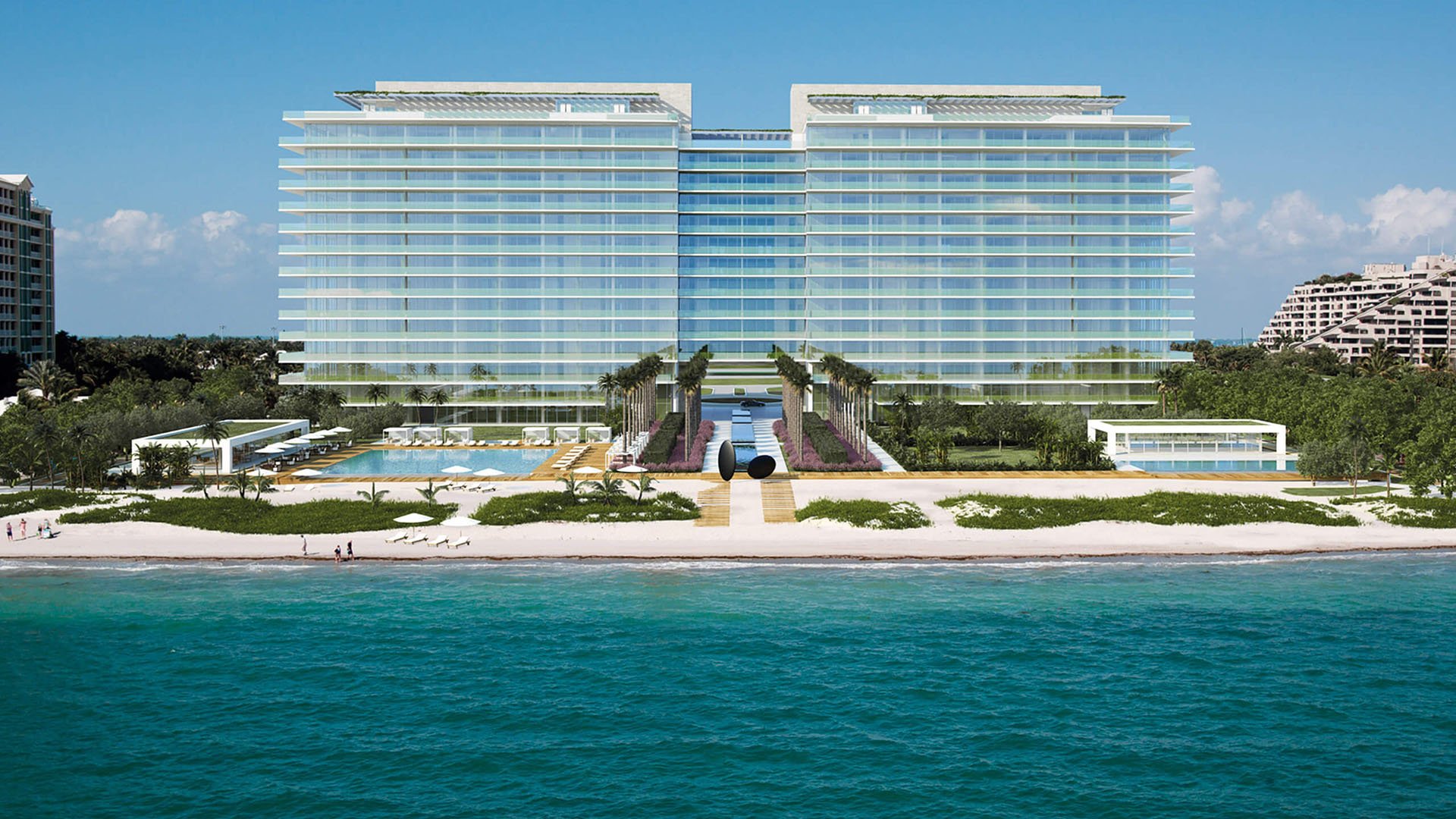
At Oceana Key Biscayne, the most valuable due diligence is often the least dramatic. Full-time owners are not simply buying a view. They are buying mornings, evenings, privacy, elevator routines, parking arrivals, pool days, and the way a residence feels as the island settles into its daily rhythm. That makes neighbor-tower exposure a practical ownership issue, not a speculative one.
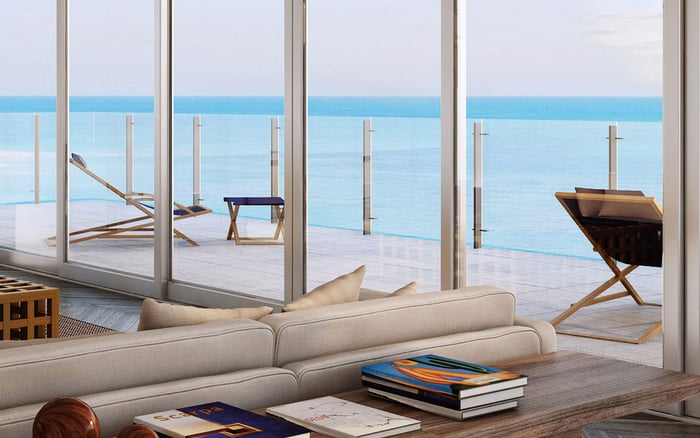
The phrase may sound technical, but its meaning is straightforward. A residence may face open water, landscaped grounds, another structure, a shared amenity area, or some combination of all four. The difference between a room that feels serene and one that feels watched can come down to the angle of a balcony, the height of a neighboring roofline, or the way glass reflects late-afternoon sun.
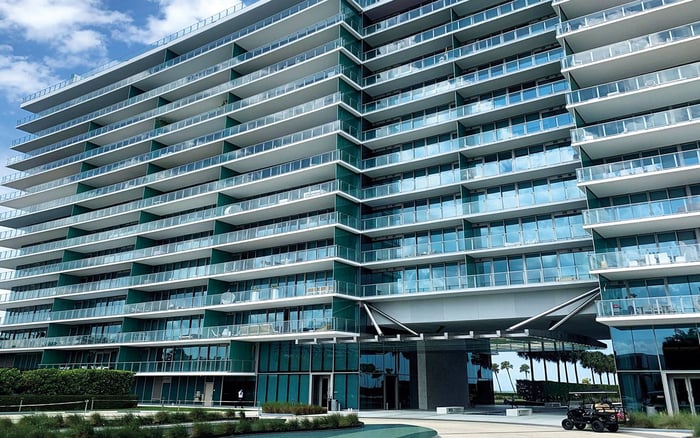
Oceana Key Biscayne belongs in the luxury condominium conversation, but the decision should remain grounded at the residence level. A buyer should not rely on broad descriptions alone. Exact stack, floor height, exposure, window placement, terrace depth, and relationship to nearby structures determine whether a home feels private, bright, quiet, and livable throughout the year.
A careful owner should distinguish between two questions. The first is existing neighbor exposure: what can be seen today from the living room, primary suite, terrace, elevator approach, pool deck, and parking path. The second is future-parcel risk: whether any surrounding property could change in a way that alters privacy, traffic, or sightlines.
The first question can be tested directly. Visit the residence at different times of day. Stand in the rooms where you will actually live, not only where the view photographs best. Sit on the terrace. Look diagonally, not just straight ahead. Check whether another balcony looks back into the residence. Notice whether window coverings would become a daily requirement.
The second question requires caution. Without verified planning records in hand, it is not prudent to claim that future tower risk is zero, nor is it useful to assume a dramatic change is imminent. For a buyer, the more disciplined approach is to treat future exposure as a due diligence item. Ask the right questions, review the surrounding context, and avoid paying a premium based solely on marketing language such as unobstructed or forever view.
The strongest residences often have a rhythm that is not obvious in a listing. A lower floor may offer a more intimate connection to landscaping and amenities, while a higher floor may improve privacy or broaden the sightline. Neither is automatically superior. The right answer depends on how the home will be used.
For full-time owners, the view from the sofa matters, but so does the view from the kitchen sink, the primary bed, the shower, and the breakfast table. If a room is used every day, its exposure deserves the same scrutiny as the main terrace. A residence with a powerful water view in one direction may still require compromises if a secondary bedroom or work area faces directly toward another structure.
Natural light deserves equal care. Reflected light from glass or pale surfaces can be beautiful at certain hours and uncomfortable at others. Late-day glare may affect a home office, art placement, or the simple pleasure of reading in the living room. A full-time owner should test how the residence behaves in real use, not only how it appears during a polished showing.
In a private search brief, shorthand can help organize priorities: Key-biscayne establishes the island context, Oceanfront defines the aspiration, Waterview clarifies the visual premium, High-floors may speak to privacy, and Balcony becomes a daily-living test rather than a decorative feature.
Privacy at Oceana Key Biscayne should be evaluated as an amenity in its own right. It is not limited to whether someone can see into a room. It includes how comfortable an owner feels opening shades in the morning, entertaining on the terrace, exercising near a window, or leaving doors open during temperate weather.
The best test is behavioral. Imagine a normal weekday. Where will coffee be served? Where will laptops be opened? Where will guests gather before dinner? Which rooms will be used with lights on at night? If those everyday moments feel exposed, the residence may require treatments that alter the intended elegance of the space.
Balcony orientation deserves particular attention. A terrace that looks cinematic in photographs may feel less private if it aligns with neighboring outdoor spaces. Conversely, a residence with a less obvious view corridor may live beautifully if its angles are protected. For owners who entertain often, the terrace should be judged not only by what it overlooks, but also by who can overlook it.
Sound is part of exposure as well. Neighboring buildings, amenity areas, arrival drives, service routes, and pedestrian circulation can influence the atmosphere of a home. A calm residence is not created by distance alone. It is created by orientation, elevation, glazing, landscape buffers, and the way the building is actually used.
Oceana Key Biscayne is best considered not only as an address, but as a living environment. For a full-time owner, amenity access can matter as much as the signature view. The route from residence to pool, fitness, beach access, lobby, parking, and service areas should feel intuitive and discreet.
Exposure can appear in shared spaces, too. A pool area may feel private at one hour and visible at another. A lobby approach may be elegant but busy during peak arrival periods. A residence near convenience routes may benefit from access, yet carry more foot traffic or sound. These are not flaws by default. They are trade-offs that should be understood and priced accordingly.
The most successful purchase decisions usually come from matching the residence to the owner’s daily pattern. A seasonal owner may emphasize the theatrical arrival and terrace view. A full-time owner may care more about quiet bedrooms, shade control, guest parking flow, pet routines, and how easily the home supports work, school, wellness, and entertaining.
A buyer should also consider furnishing. Art walls, media placement, dining orientation, and bedroom layouts can all change how exposure is experienced. If the best wall for a sofa also places the owner directly opposite another building, the residence may require a different design strategy. In luxury real estate, livability is often found in these subtle alignments.
Before committing, owners should tour the exact residence with a disciplined eye. Confirm the stack, floor, and orientation. Walk to every window and terrace edge. Look straight out, then left and right. Sit down, because seated sightlines often differ from standing sightlines. Visit during more than one time of day if possible.
Ask whether the principal rooms require shades for privacy. Study how neighboring structures relate to bedrooms and baths. Note whether terraces face other terraces, amenity zones, service areas, or open space. Consider whether night lighting from nearby buildings could affect sleep or atmosphere.
Do not let a single view category define the purchase. The better question is whether the residence supports the life the owner intends to live. For some, that means the most open water perspective possible. For others, it means a calmer exposure, protected angles, and rooms that feel effortless from morning through evening.
The essential point is restraint. Neighbor-tower exposure should not be exaggerated into unsupported claims about future construction, nor minimized as a minor visual issue. It is a core ownership variable. At Oceana Key Biscayne, the right residence is the one where view, privacy, access, and daily comfort work together.
What does neighbor-tower exposure mean at Oceana Key Biscayne? It describes how a residence relates to nearby buildings, terraces, amenity areas, and sightlines from daily living spaces.
Is neighbor exposure only about the main view? No. Bedrooms, bathrooms, work areas, kitchen windows, terraces, and evening privacy all matter for full-time ownership.
Should buyers assume future tower risk is zero? No. Future risk should be treated as a due diligence question unless verified planning information supports a firmer conclusion.
What is the first thing to check during a showing? Confirm the exact stack, floor, and orientation, then test sightlines from seated positions and everyday use areas.
Do higher floors always solve exposure concerns? Not always. High-floors may improve certain sightlines, but angle, neighboring rooflines, glare, and terrace alignment still matter.
Can a lower floor still be desirable? Yes. A lower floor may offer greenery, convenience, and a calmer feel if privacy and sound are well managed.
How should a buyer evaluate terrace privacy? Stand and sit in multiple positions, then check whether neighboring balconies or amenity areas have direct visual access.
Why does full-time ownership change the analysis? Full-time owners experience the residence during routine mornings, workdays, evenings, deliveries, guests, and seasonal changes.
Should view language in marketing be relied upon by itself? No. View language should be verified in person through the exact residence, not assumed from broad property positioning.
What makes the best purchase decision here? The strongest choice balances view quality, privacy, amenity flow, sound, light, and the owner’s real daily lifestyle.
For a discreet conversation and a curated building-by-building shortlist, connect with MILLION.
If branded residences are on your mind — as a home or as an allocation — we would be glad to share what we are seeing, privately.
Begin a quiet conversation