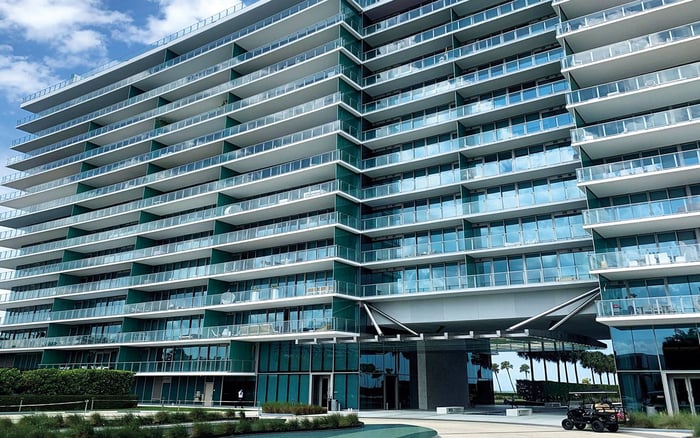
A discreet buyer’s guide to judging Key Biscayne water views with discipline, from layered sightlines and balcony usability to long-term resale confidence.
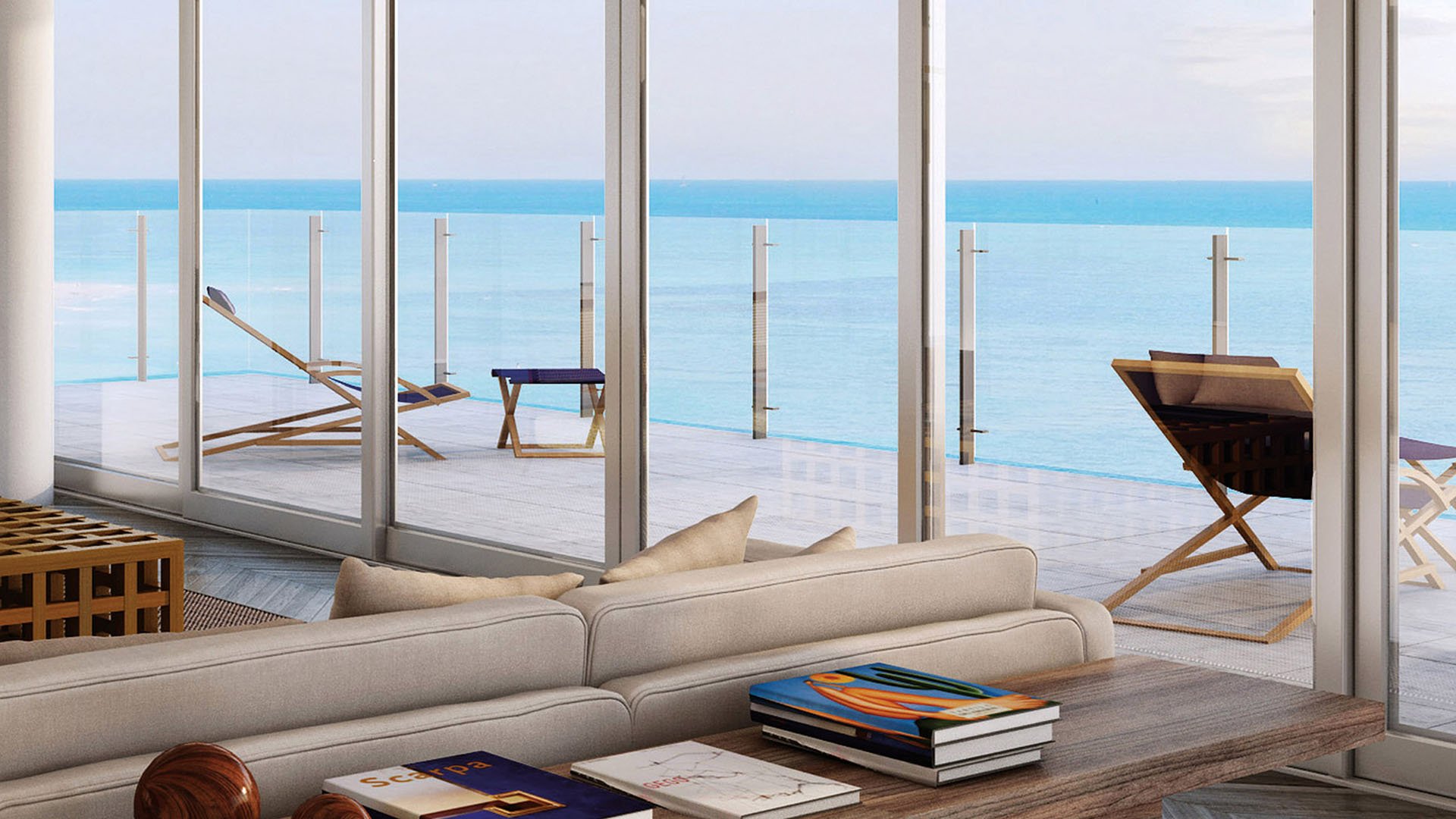
A water view in Key Biscayne is not simply a backdrop. For a serious buyer, it is part of the architecture of daily life, shaping how a residence feels in the morning, how it receives guests, how it photographs, and how confidently it may hold attention when the time comes to sell. The mistake is to judge it as a still image. The better approach is to study it as a sequence.
A compelling year-round view needs endurance. It should not depend on one perfect hour, one staged angle, or one unusually clear afternoon. The residence should offer a composition that feels calm when the light is flat, dramatic when the sky shifts, and comfortable when the home is being used rather than toured. In other words, the view must perform after the romance of the first showing has passed.
For buyers considering Oceana Key Biscayne or any comparable residence in the area, the question is not only whether the water is visible. The question is whether the view has depth, privacy, proportion, and daily usefulness from the rooms that matter most.
A polished showing can make almost any outlook feel seductive. A disciplined buyer should ask to experience the residence under different conditions whenever possible. Morning, midday, late afternoon, and evening can each change the way glass, water, sky, and interior finishes interact. A view that feels luminous at one hour may feel less dimensional at another. A view that seems quiet during a brief visit may carry different energy when the home is occupied for longer.
The most useful exercise is to stand in the same locations each time: the primary bedroom, the main living area, the kitchen if it is central to daily life, and the outdoor space. Avoid moving from room to room without structure. Compare how the view reads from seated positions, not only while standing at the glass. Luxury living happens from sofas, dining chairs, desks, beds, and terraces.
Also consider the difference between arrival impact and long-term pleasure. Some views impress immediately because they are broad. Others are more subtle, with layered foregrounds and shifting light. The strongest residence is often the one whose view becomes more interesting as you spend time with it.
A year-round water view is rarely a single element. It is a composition of water, sky, horizon, foreground, neighboring structures, landscaping, and distance. Buyers should train the eye to separate these layers. Water alone may not be enough if the foreground is visually noisy. A distant shimmer can feel elegant when the sightline is clean. A partial view can still be graceful when it is beautifully framed and protected from intrusive angles.
Privacy is equally important. A view that looks expansive in marketing images may feel compromised if nearby sightlines are too direct. Stand back from the glass and ask whether the residence still feels private when the lights are on. Step onto the terrace and note whether the outdoor space encourages lingering or simply functions as a viewing ledge.
This is where buyer vocabulary matters. In your own notes, use clear labels: Key Biscayne for local context, Waterview for the principal amenity, Oceanfront when direct shoreline exposure is part of the comparison, Balcony for outdoor usability, High-floors for elevation sensitivity, and Resale for exit discipline. Precise language helps prevent a beautiful showing from becoming a vague investment decision.
A great view has less value if it belongs only to a corner of the home. Buyers should evaluate how naturally the main rooms organize around the water. Does the living room give the view a generous frame, or does furniture placement fight the glass? Does the primary suite feel serene, or is the view visible only from a narrow angle? Does the kitchen participate in the outlook, or is the water experienced only while crossing the room?
The terrace deserves special attention. A balcony that is technically present but not comfortable for real use is different from outdoor space that supports morning coffee, quiet reading, or an intimate evening conversation. Depth, exposure, railing design, and the connection to the interior all shape whether the view becomes part of daily living.
Buyers comparing Key Biscayne with other waterfront settings may find it useful to study how different residences choreograph the relationship between glass, terrace, and horizon. The water-view discipline that applies at Una Residences Brickell, The Residences at Mandarin Oriental, Miami, or Vita at Grove Isle can sharpen the eye for what feels effortless versus merely scenic.
Before committing, buyers should focus on what is fixed and what could change. Fixed elements include the residence’s orientation, height, structural-column placement, terrace dimensions, and the relationship between principal rooms and exterior space. These are not easily corrected after closing.
Variable elements require questions. Ask about nearby conditions that may affect the outlook, building rules that influence terrace use, window maintenance expectations, exterior lighting, and any known conditions that could alter the experience of the view. The point is not to become anxious. It is to avoid paying a premium for a view whose most important qualities have not been examined.
Interior design should be considered after the sightline is understood, not before. Mirrors, pale palettes, low furniture, and reflective finishes can amplify water and sky, but they cannot create a better angle. A strong residence should have an underlying view logic before decoration begins.
The best buyers evaluate the view twice: once for themselves and once for the next owner. Personal preference matters, but a water-view premium should be grounded in qualities that are legible to others. Clean sightlines, comfortable outdoor space, privacy, room-to-view alignment, and a sense of calm are easier to communicate later than a view that requires explanation.
A year-round view should also support different modes of ownership. It should feel appropriate for full-time living, seasonal use, quiet weekends, and entertaining. If the view only feels compelling when the home is empty, silent, and staged, it may be less durable than it appears.
For Key Biscayne buyers, the final decision should feel measured rather than impulsive. The right view does not merely dazzle. It settles the room. It gives the residence identity without overwhelming it. It supports the price because it supports the life intended to unfold there.
What makes a Key Biscayne water view compelling year-round? A durable view has depth, privacy, balanced light, and strong room-to-view alignment. It should feel attractive beyond one ideal showing moment.
Should I visit the residence more than once before deciding? Yes, when possible. Viewing at different times helps reveal how the outlook changes with light, activity, and interior use.
Is a wider water view always better? Not necessarily. A narrower but cleaner and more private view can feel more refined than a broad view with distracting foreground elements.
How important is the balcony? Very important if outdoor living is part of the purchase rationale. The balcony should feel usable, comfortable, and naturally connected to the main interiors.
Should I prioritize high floors for water views? Height can be valuable, but it is not the only measure. Composition, privacy, room placement, and terrace usability matter just as much.
How do I judge the view from inside the home? Sit in the rooms where you will actually live. A view should work from sofas, dining areas, beds, and workspaces, not only from the window line.
Can interior design improve a weaker view? Design can enhance light and framing, but it cannot change orientation or sightline quality. Buy the view first, then refine the interiors.
What questions should I ask before making an offer? Ask what could affect the outlook, terrace use, privacy, exterior lighting, and maintenance. Focus on conditions that influence daily enjoyment.
Does view quality matter for resale? Yes, because future buyers can quickly understand a clean and private water view. A view that needs explanation may be harder to defend.
What is the best mindset for evaluating water views? Be romantic in taste but disciplined in process. The right view should feel emotionally compelling and logically supportable.
For a tailored shortlist and next-step guidance, connect with MILLION.
If branded residences are on your mind — as a home or as an allocation — we would be glad to share what we are seeing, privately.
Begin a quiet conversation