A practical, yacht-owner lens on evaluating Key Biscayne before committing to a luxury residence, with emphasis on access, privacy, water orientation, operations, and real daily use.
For a yacht owner, Key Biscayne should never be evaluated only as a beautiful residential address. The real question is whether the residence can support the life around the yacht: departures, returns, provisioning, guest arrivals, captain coordination, storage, maintenance access, privacy, and the unpredictable rhythm of South Florida weather.
That pressure test begins before the first showing. A buyer should map how the boat will be used across a normal month, not an ideal weekend. How often will the vessel be boarded? Who handles lines, provisions, detailing, uniforms, water toys, flowers, chilled wine, and guest transfers? Where does the captain park? How quickly can family members reach the boat without turning the moment into a production?
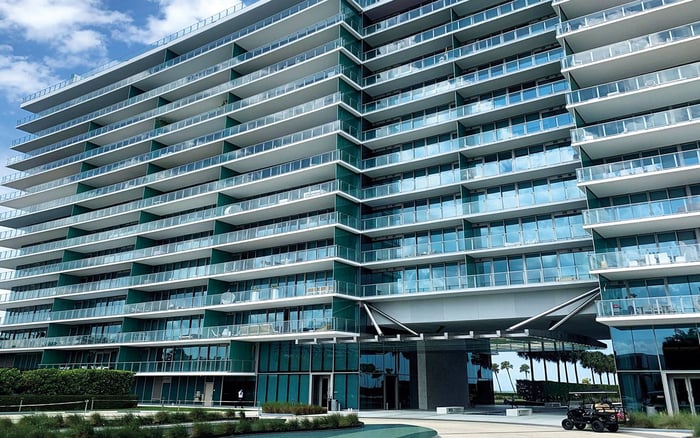
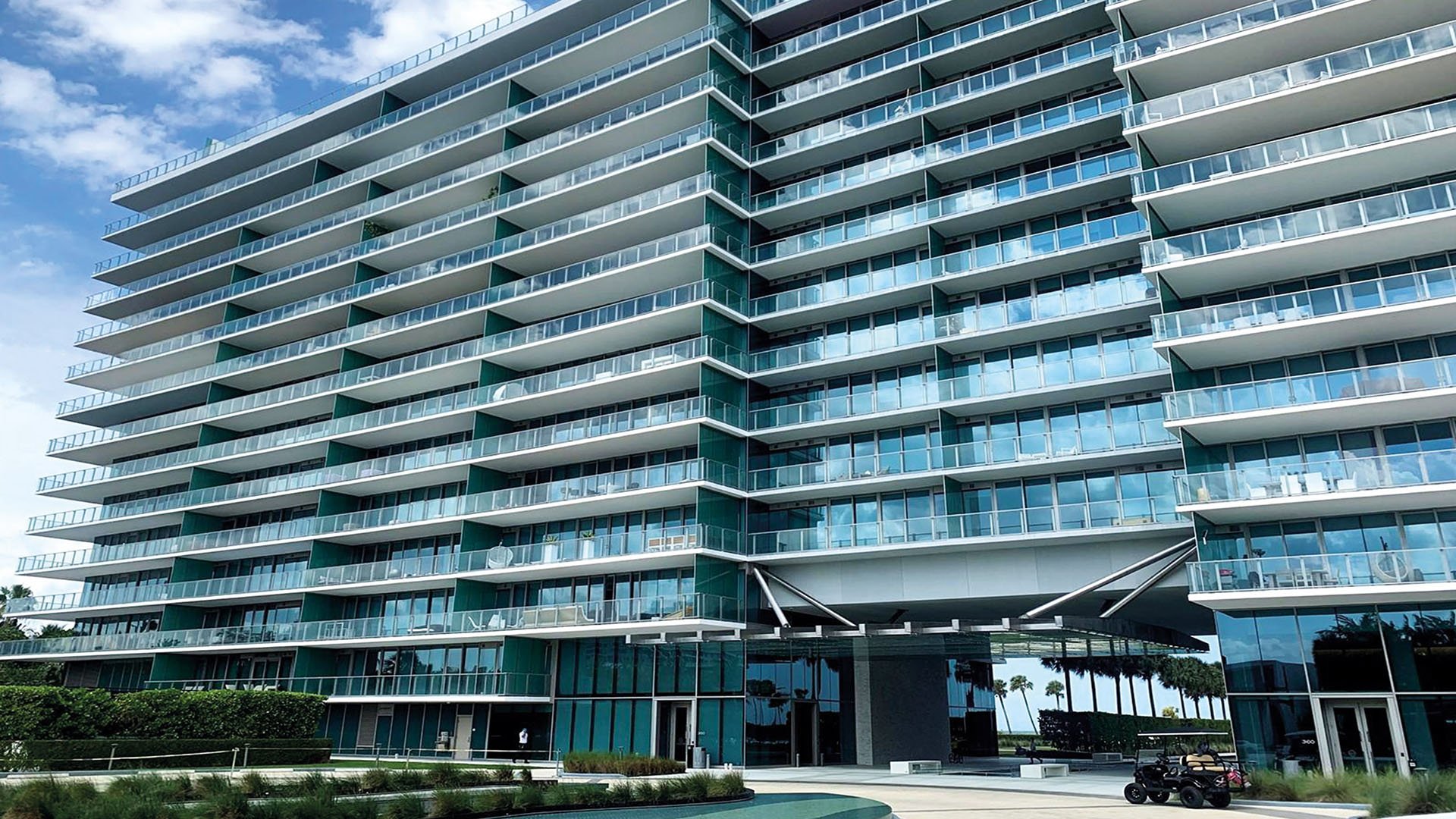
A residence such as Oceana Key Biscayne belongs within that lifestyle lens because the island setting is central to the decision. Yet even the most compelling residence must be tested against the yacht’s practical demands. The better the apartment, the more disciplined the operational review should be.
The most important yacht-owner exercise is simple: run the routes. Do it at different times of day, with the people who will actually use the home. Drive from the residence to the marina or launch point. Drive it again when guests are expected. Test valet timing, lobby handoff, luggage movement, provisioning drop-off, and how naturally the routine feels when everyone is dressed for dinner or returning from a day on the water.
This is where many luxury searches become too abstract. Convenience can sound persuasive in theory, but yacht ownership is tactile. The dock bag is either easy to move or it is not. The tender plan is either smooth or fragile. A late return either feels graceful or it does not. The buyer should insist on rehearsing the routine, because the routine is the luxury.
Use a scorecard rather than a mood board. In one column, write Key Biscayne for the area thesis. In the next, write Marina for access. Then add Boat-slip, Oceanfront, Waterview, privacy, staff flow, parking, storage, and resilience. A property that excels visually but fails operationally may still be a fine residence. It may not be the right yacht-owner residence.
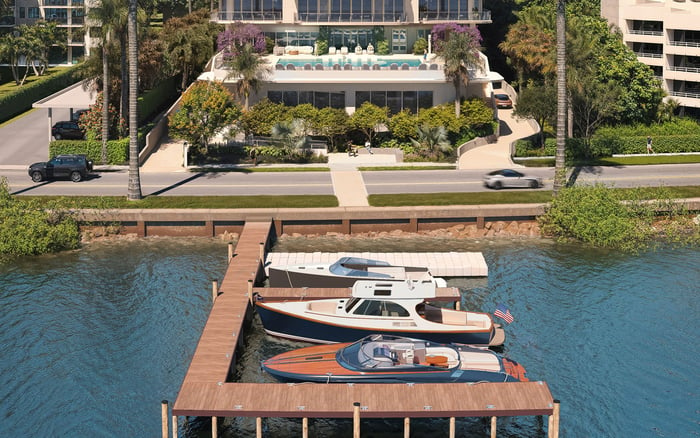
Water views and yacht readiness are related, but they are not the same. A dramatic Waterview can justify emotional attachment, especially when the residence frames the bay or ocean as part of daily life. But a view premium should be examined separately from the actual boating plan. The question is not only what the owner sees from the terrace. It is how the owner moves from terrace to tender, from tender to yacht, and from yacht back to home.
Oceanfront living has its own appeal: light, horizon, air, and a sense of remove. For some buyers, that is the point. For others, the more valuable feature is fast, discreet movement between home and vessel. Pressure-testing Key Biscayne means deciding which form of waterfront value matters most. A buyer who confuses scenery with utility may overpay for one while still needing to solve the other.
This is also why nearby benchmarks are useful. A buyer comparing Key Biscayne with The Residences at Six Fisher Island or Vita at Grove Isle is not merely comparing architecture. The comparison should focus on boating rhythm, privacy, access, and how each setting supports daily movement around the water.
A yacht owner should study the building with the same discipline used to study a vessel. The residence is only one component. The lobby, loading area, service elevator, parking plan, package room, staff access, pet movement, and security protocol all influence the ownership experience.
Ask how provisions are received. Ask where large items wait before going upstairs. Ask whether staff can move efficiently without passing through social spaces. Ask how wet gear is handled after a day on the boat. Ask how the building manages contractors, deliveries, and last-minute requests. None of these questions are glamorous, but they protect the glamour.
The same applies to ownership rules. Before falling in love with a floor plan, a buyer should review policies that affect guests, rentals, pets, staff, renovations, storage, and vehicle handling. A yacht owner often lives with more moving parts than a typical seasonal resident. The residence must allow that complexity to remain invisible.
Key Biscayne can feel serene in a showing, but privacy should be tested under several conditions. Visit in the morning, late afternoon, and evening. Stand in the primary bedroom, on the terrace, in the kitchen, and at the elevator approach. Notice sightlines from neighboring buildings, public paths, shared amenities, and arrival areas.
For yacht owners, privacy is not only about celebrity-level seclusion. It is about avoiding friction. Guests should not feel observed. Staff should not feel exposed. A family should be able to return from the water without performing for a lobby or a pool deck. The ideal residence allows social life to expand and contract gracefully.
Privacy also has a sound component. Buyers should listen for mechanical noise, service activity, pool atmosphere, traffic patterns, and evening energy. Silence is not always possible, nor is it always desirable. But the owner should know the acoustic personality of the property before signing.
Many yacht-oriented buyers are also Second-home owners, which changes the test. The property must behave well when the owner is absent. That means asking who watches the residence, how vendors are admitted, how climate and maintenance issues are monitored, and how the home is prepared before arrival.
A second home should not require the owner to become a remote building manager. The best purchase is one where the residence, association, household staff, and yacht team can work together without improvisation. The more seasonal the use, the more important the systems become.
This is where comparisons outside Key Biscayne may sharpen judgment. A buyer studying Una Residences Brickell might value a more urban waterfront pattern, while a Key Biscayne buyer may prioritize calm, separation, and an island-oriented routine. Neither is automatically better. The better choice is the one that matches how the yacht is actually used.
Luxury buyers often push insurance, reserves, inspections, and building systems to the later stages of diligence. Yacht owners should move them forward. The residence is part of a broader water-based lifestyle, and the risk profile should be understood early.
Review building maintenance, storm protocols, window and door specifications, generator planning where applicable, water intrusion history if available, and insurance obligations. Ask about storage for outdoor furniture and how the building prepares common areas. Ask what happens before, during, and after severe weather.
The goal is not to eliminate risk. Waterfront ownership carries responsibilities. The goal is to know whether the building has a culture of preparedness. For a yacht owner, that culture matters as much as finishes.
Should yacht owners buy in Key Biscayne only if they can keep a boat nearby? No. The better question is whether the residence supports the owner’s actual boating routine, whether the yacht is docked nearby, elsewhere, or used seasonally.
What is the first thing to test before making an offer? Test the route between the residence and the boat during real-use conditions, including guests, bags, provisions, parking, and timing.
Is a direct water view enough to justify a premium? Not by itself. A view premium should be separated from operational value, because seeing the water and using the water are different forms of luxury.
How should buyers evaluate a Boat-slip? Confirm the rights, rules, dimensions, access, transferability, costs, and practical usability before treating it as part of the home’s value.
What building areas matter most for yacht owners? Loading zones, service elevators, parking, storage, security, valet, package handling, and staff access often matter as much as the residence itself.
Should privacy be tested more than once? Yes. Visit at different times to understand sightlines, sound, amenity activity, and how arrivals feel after dark.
Why compare Key Biscayne with other waterfront areas? Comparisons clarify whether the buyer wants island calm, urban convenience, private-club seclusion, or a different style of water access.
What should seasonal owners prioritize? Seasonal owners should prioritize management systems, vendor access, preparation before arrival, and reliable oversight when the home is empty.
When should insurance questions begin? They should begin early, before emotional commitment. Insurance, maintenance, and resilience affect both ownership cost and peace of mind.
What is the best sign that a Key Biscayne residence fits a yacht owner? The best sign is operational ease: the owner, guests, staff, and yacht team can move through the day without visible friction.
If you'd like a private walkthrough and a curated shortlist, connect with MILLION.
If branded residences are on your mind — as a home or as an allocation — we would be glad to share what we are seeing, privately.
Begin a quiet conversation