A discreet buyer guide to the questions that matter before purchasing a luxury condominium in Key Biscayne, with emphasis on SIRS, reserve funding, assessments, and negotiation discipline.
For a luxury buyer in Key Biscayne, the view, floor height, privacy, and finish package still matter. Yet the more discreet question is often the more consequential one: what is the building’s long-term capital story? SIRS and reserve funding should be addressed before a buyer becomes emotionally anchored to a residence, because these items can affect pricing, timing, financing comfort, and the true cost of ownership.
The issue is not whether an elegant condominium has an impressive lobby or a beautifully maintained pool deck. The issue is whether the association has a clear, documented plan for structural, mechanical, and common-area obligations over time. In a coastal luxury setting, buyers should be especially disciplined about separating lifestyle value from balance-sheet exposure.
For search purposes, many clients may describe the brief as Key-biscayne, Oceanfront, Waterview, Resale, or Investment. Those labels are useful, but they do not replace the questions that determine whether a purchase remains financially graceful after closing.
A polished answer is not enough. Ask whether a SIRS has been completed, whether the board has reviewed it, and whether the recommendations are reflected in the current or proposed budget. If the response is vague, slow, or filtered through informal conversation, treat that as a reason to pause.
The better question is not simply, “Does the building have a study?” It is, “What did the study identify, what is the funding plan, and what decisions remain open?” A luxury buyer should ask to see the actual materials available through the association process, then review them with condominium counsel, an experienced inspector, and, when appropriate, an engineer.
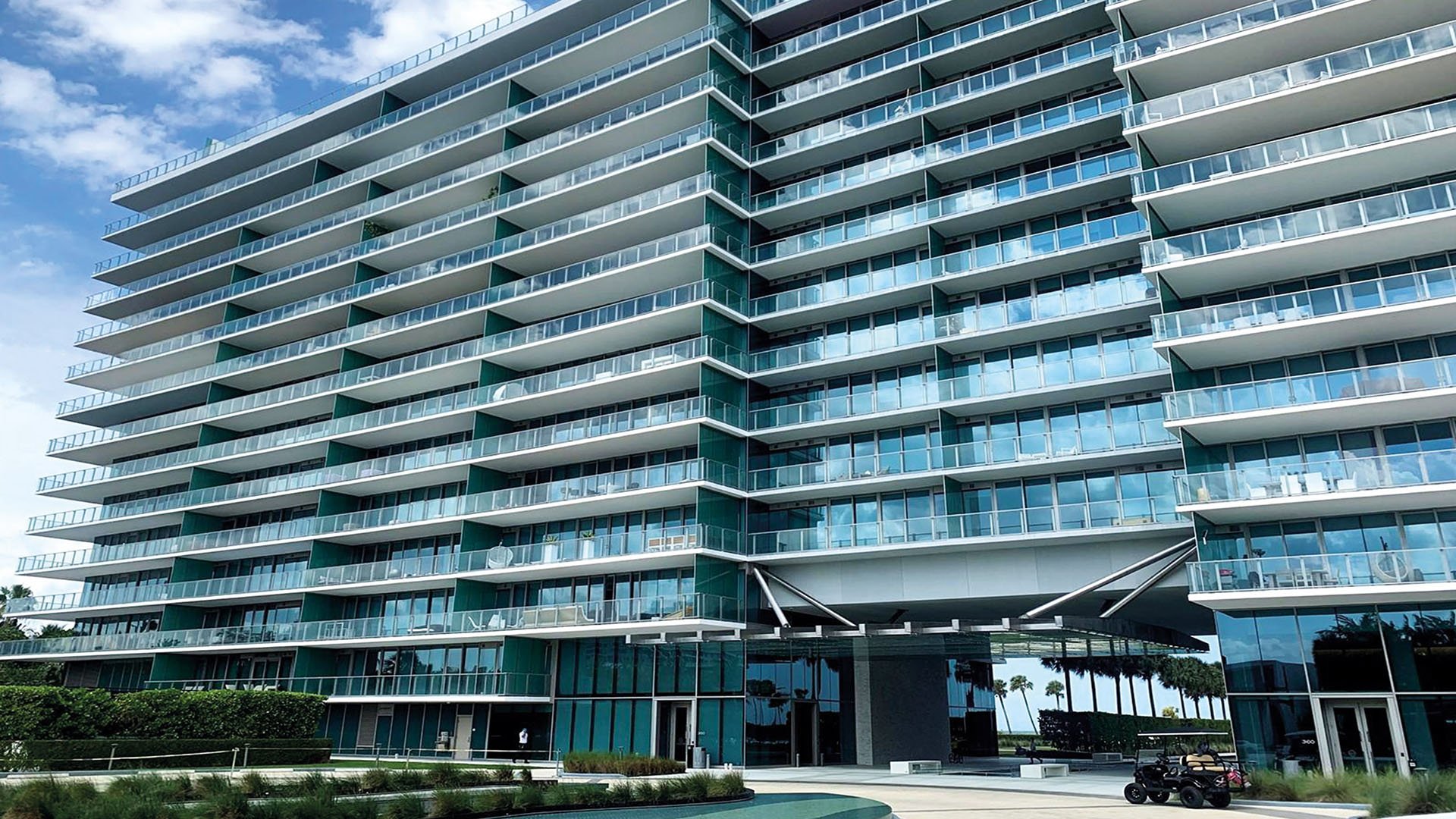
At a building such as Oceana Key Biscayne, the emotional appeal of island living may be immediate. Even then, reserve diligence should remain formal. A high-caliber residence deserves high-caliber document review.
Monthly assessments are only one line in the ownership equation. Reserve funding can show whether a building is paying for future obligations gradually or relying on future owners to absorb larger costs later. For a buyer, that distinction can influence what the residence is worth today.
Ask for the current reserve schedule, budget, recent meeting minutes, special assessment history, insurance discussions, and any notices related to major work. If reserves appear thin, the question is not automatically whether to walk away. The question is whether the price, contract terms, and risk tolerance reflect the exposure.
This is where luxury buyers often benefit from calm comparison. A Key Biscayne resale residence may offer generous scale and a rare island setting, while a newer tower in Brickell such as Una Residences Brickell may present a different ownership profile. The point is not that one is inherently better. The point is that reserve posture belongs in the same conversation as architecture, amenities, and location.
A building may have completed visible improvements while still carrying unresolved obligations. Conversely, a property may look dated in certain areas yet have a disciplined capital plan. Do not assume condition from aesthetics alone.
Ask what work has recently been completed, what remains scheduled, and what is merely under discussion. Clarify whether projects are funded, partially funded, or not yet funded. Ask whether bids have been obtained, whether scope has changed, and whether owners have been told to expect future assessments.
For a buyer seeking a quiet, long-term island holding, uncertainty is not always a deal-breaker. Unpriced uncertainty is the problem. If a seller expects full aspirational pricing while the association’s future costs remain unclear, the buyer has a legitimate basis to negotiate or continue the search.
Board and owner meeting minutes can be more revealing than marketing materials. Look for repeated discussions of leaks, concrete, elevators, waterproofing, garages, balconies, windows, mechanical systems, insurance, reserves, and owner disputes. A single mention may be routine. A recurring theme deserves attention.
Ask your advisor to distinguish ordinary maintenance from capital exposure. In luxury real estate, the most expensive surprises are rarely dramatic at first. They often appear as unresolved agenda items, deferred votes, or soft language around future planning.
For buyers comparing Key Biscayne with other waterfront addresses, a project such as The Residences at Mandarin Oriental, Miami can help frame the broader question: how much certainty, service, and future planning does the buyer want to pay for at acquisition rather than after closing?
The contract should reflect what diligence reveals. If the association has disclosed a possible assessment, a known project, or an unresolved funding question, the buyer should consider whether to request credits, escrow provisions, price adjustments, or extended review periods. These are business decisions, not emotional reactions.
The seller’s posture is also informative. A seller who provides documents quickly and allows a serious review is different from one who minimizes every question. In the upper tier, transparency is part of the asset’s presentation.
Buyers should also ask whether pending association matters could affect lender comfort or closing logistics. Even a cash buyer should care, because the next buyer may care. Liquidity is part of value.
Key Biscayne has a distinct residential rhythm: privacy, water proximity, and a softer pace than the mainland. That character is part of its appeal. But every condominium is also a small financial ecosystem, with shared obligations that must be understood before purchase.
A buyer drawn to waterfront serenity may also compare offerings in Miami Beach, Surfside, Coconut Grove, or Brickell. For example, The Ritz-Carlton Residences® Miami Beach may appeal to a buyer who wants a different mix of brand, service, and residential format. These comparisons are useful when they sharpen the Key Biscayne decision rather than distract from it.
The right residence is not only the one with the most beautiful exposure. It is the one whose governance, reserves, building condition, and price align with the buyer’s intended hold period.
Before making an offer, ask whether the SIRS is complete, what it recommends, and how the association intends to fund the work. Ask whether reserve contributions are changing. Ask whether any special assessments are approved, proposed, discussed, or widely anticipated. Ask what major components are being monitored and whether professional opinions are available for review.
Then ask the more strategic question: if everything known today were fully reflected in the price, would this still be the residence you would choose? If the answer is yes, the buyer can proceed with clarity. If the answer is uncertain, that uncertainty should be priced, resolved, or avoided.
What should I ask first about SIRS before buying in Key Biscayne? Ask whether the SIRS is complete, whether the board has acted on it, and how its recommendations are being funded.
Should reserve funding affect my offer price? Yes, if future costs or unclear funding could shift value after closing. Your offer should reflect known and reasonably visible exposure.
Is a low monthly assessment always a positive sign? Not necessarily. A low assessment may be attractive, but it should be viewed alongside reserves, maintenance history, and planned work.
Who should review the condominium documents? Use condominium counsel and qualified building professionals where appropriate. Luxury buyers should not rely on informal summaries.
Are special assessments always a reason to avoid a property? No. A well-defined assessment for necessary work may be manageable if it is understood, documented, and priced correctly.
What meeting minutes matter most? Focus on recent discussions about building systems, structural items, insurance, reserves, owner disputes, and major projects.
How should cash buyers think about reserve issues? Cash buyers still need discipline because reserve concerns can affect future resale, liquidity, and ownership costs.
Can a beautiful building still have reserve risk? Yes. Design, maintenance, and financial planning are related but separate considerations.
Should I compare Key Biscayne with newer mainland residences? Yes, comparison can clarify whether island lifestyle outweighs different ownership structures or newer building profiles.
What is the best mindset for this diligence? Treat SIRS and reserves as part of the asset, not as administrative noise. The strongest purchase is both beautiful and financially legible.
To compare the best-fit options with clarity, connect with MILLION.
If branded residences are on your mind — as a home or as an allocation — we would be glad to share what we are seeing, privately.
Begin a quiet conversation