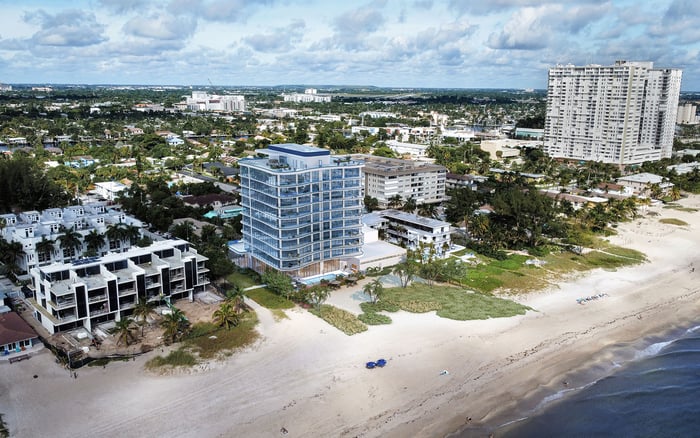
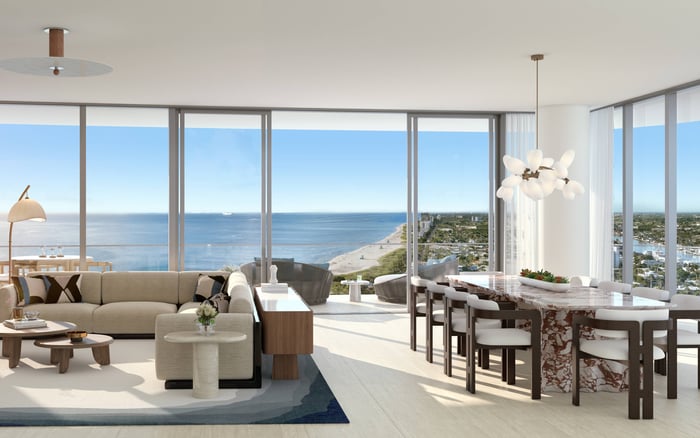
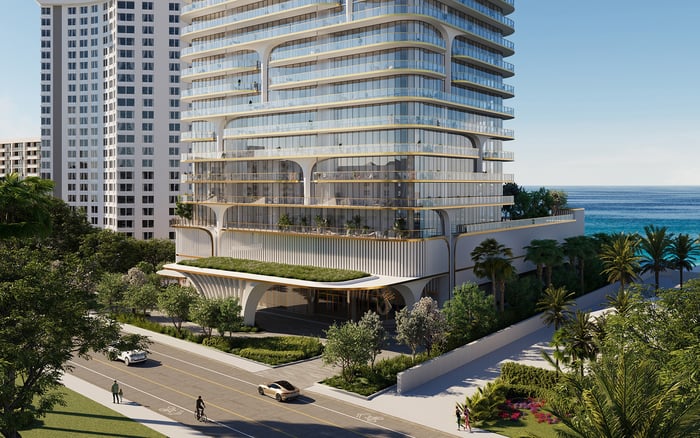
A buyer-focused comparison of terrace livability, balcony rules, outdoor-cooking assumptions, and coastal exposure for Ocean 580 Pompano Beach and Vita at Grove Isle.
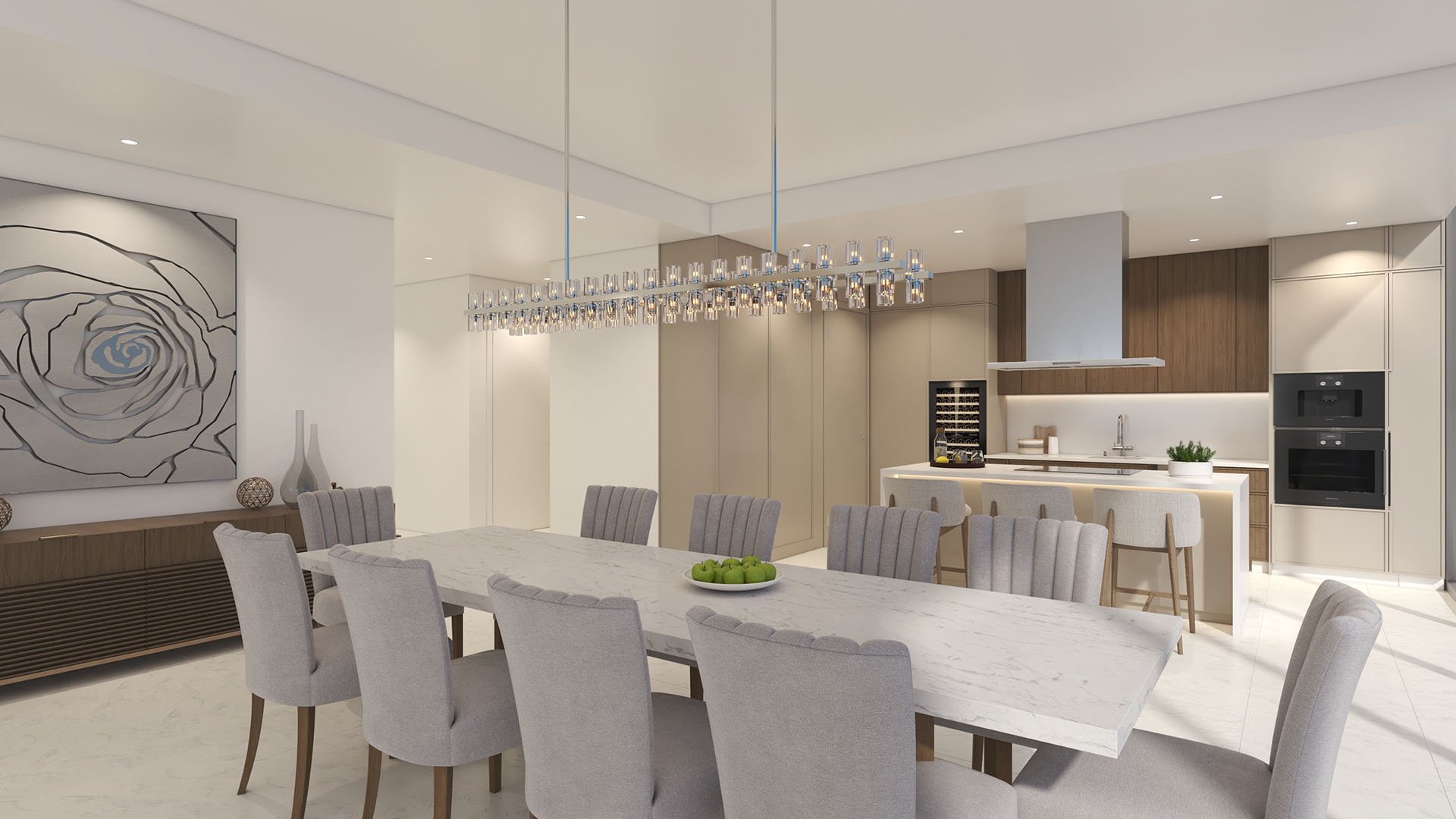
The comparison between Ocean 580 Pompano Beach and Vita at Grove Isle should not be reduced to a contest over which residence appears more dramatic in lifestyle imagery. For a serious South Florida buyer, the sharper question is practical: will the terrace live like a true outdoor room, or will it function primarily as a view platform when weather, wind, and condominium rules allow?
That distinction matters because luxury waterfront living is often marketed through open doors, cocktails outside, and kitchens that seem to blend into the horizon. The daily experience depends on less cinematic details. Wind direction, salt air, balcony dimensions, appliance permissions, fire-code compliance, and association rules can determine how often an owner actually dines outdoors, entertains on the terrace, or leaves furnishings exposed.
Ocean 580 Pompano Beach and Vita at Grove Isle belong in the same due diligence conversation because the buyer question is not only about aesthetics. It is about enforceable use, comfort, maintenance, and whether the outdoor space supports the way the owner intends to live.
Waterfront living has a romance that is difficult to replicate. A terrace can shape the daily rhythm of light, breeze, and view orientation, and for many buyers that outdoor connection is central to the purchase decision. Yet a beautiful exposure can also be demanding, especially when wind, humidity, salt air, and passing weather are part of the ownership environment.
A balcony that feels inviting in one condition may feel less usable in another. Salt air can be part of the pleasure of coastal living, but it can also influence furniture selections, metal finishes, hardware maintenance, and the durability of anything placed outside. The more exposed the setting, the more a buyer should think beyond square footage.
This is where the comparison becomes useful. One buyer may prioritize maximum waterfront drama, while another may prioritize calmer outdoor seating. Neither preference is automatically superior. The right answer depends on whether the owner imagines breakfast outdoors most days, evening dinners with guests, quiet reading, or simply a strong visual connection to the water.
Balcony language deserves careful reading. In luxury sales presentations, the outdoor zone is often described as an extension of the residence, but enforceable use is governed by condominium documents, house rules, building codes, and sometimes fire-safety restrictions. A buyer should not assume that a balcony can accommodate grills, cooking equipment, storage, planters, heaters, or built-in outdoor kitchen elements simply because the space looks generous.
For Ocean 580 Pompano Beach, the practical due diligence is straightforward: confirm the condominium’s specific balcony and outdoor-cooking rules before treating the terrace as a culinary or entertainment zone. The same applies to Vita at Grove Isle. If outdoor dining is central to the purchase decision, the buyer should review what is expressly allowed, what requires approval, which appliances are prohibited, and whether any installation must meet particular specifications.
This is not merely legal caution. It is a lifestyle filter. A terrace that allows lounge seating and coffee service may satisfy one owner beautifully. Another buyer may require a more complete outdoor entertaining setup and should verify permissions before falling in love with a floor plan. The difference between a balcony, a dining terrace, and a fully equipped outdoor room can be significant in practice.
Terrace quality is often measured in view lines, depth, and furnishing potential. In South Florida, another measure belongs in the conversation: weather tolerance. A beautiful terrace should be judged by how it behaves in heat, wind, humidity, salt air, and passing storms. The best terrace for one buyer may not be the largest one. It may be the one that feels most usable across the widest range of days.
For Ocean 580 Pompano Beach, buyers should ask how furniture, cushions, lighting, flooring, railings, and exterior fixtures will perform in coastal conditions. Materials that look elegant in a showroom may require more care near the water. Durable frames, marine-grade finishes, quick-drying fabrics, and storage strategies can become part of the ownership experience.
For Vita at Grove Isle, the same question should be framed around the actual residence, exposure, and governing documents rather than general impressions. A buyer comparing the two should visit at different times of day when possible, stand outside rather than simply look through glass, and ask how the terrace feels when doors are open. The lived difference between a breeze and a blast is not visible on a floor plan.
Outdoor kitchens are among the most seductive phrases in the luxury condominium vocabulary. They imply permanence, hospitality, and the pleasure of cooking without leaving the view. Yet in vertical residential buildings, outdoor cooking is rarely a casual assumption. Gas, electric appliances, ventilation, clearance, fire suppression, smoke migration, weight, waterproofing, drainage, and association approvals can all matter.
For buyers considering Ocean 580 Pompano Beach versus Vita at Grove Isle, the right question is not simply, “Is there room for an outdoor kitchen?” The better question is, “What exactly is permitted on this terrace, by whom, and under what conditions?” If a grill is allowed, the buyer should confirm the type. If a summer kitchen is shown or discussed, the buyer should confirm whether it is delivered, optional, approved, or merely aspirational.
This verification process protects the romance of the purchase. It allows the buyer to align expectations with reality before contract commitments harden. For some owners, a beautifully furnished terrace with no cooking may be ideal. For others, the absence of outdoor-cooking permission could be decisive. Luxury is not only having space outside; it is knowing exactly how that space may be used.
The fairest comparison keeps the buyer’s lifestyle at the center. Ocean 580 Pompano Beach and Vita at Grove Isle should be evaluated through the same practical lens: terrace specifications, governing documents, outdoor-use permissions, exposure, and day-to-day comfort. The name of a building may draw buyers into a particular waterfront mindset, but the practical questions remain consistent.
What can be installed? What can be cooked? How does the terrace feel in real weather? How often will the owner actually sit, dine, read, or entertain outside? These questions are more useful than ranking buildings by imagery alone because they measure the enforceable lifestyle rather than the marketing impression.
The most sophisticated buyers ask for documents, clarify limitations, and test the spaces physically. They consider whether the terrace supports morning coffee, evening dinners, family gatherings, or simply the quiet pleasure of stepping outside to see the water. They also separate what is shown from what is allowed.
For search shorthand, Pompano Beach may place Ocean 580 in a coastal buyer conversation, while Vita at Grove Isle may sit in another waterfront frame. But the buyer’s standard should be identical: the terrace must be understood as architecture, amenity, and regulated common-interest space at the same time.
Ocean 580 Pompano Beach vs Vita at Grove Isle is ultimately a question of fit, not victory. The buyer who values a strong coastal experience may respond to one form of waterfront living, while the buyer who is more focused on sheltered outdoor comfort may interrogate the alternative with equal care.
In both cases, balcony and terrace decisions should be grounded in rules and resilience. Confirm outdoor-cooking permissions. Ask about approved furniture and appliances. Consider salt-air durability. Visit during real weather. Separate what is shown from what is allowed. The result is a calmer, more intelligent purchase process, one aligned with how the home will actually be lived.
Is Ocean 580 Pompano Beach vs Vita at Grove Isle mainly a design comparison? No. The more useful comparison focuses on terrace livability, outdoor-use rules, weather tolerance, and how the space will function in daily ownership.
Should buyers assume grills are allowed on balconies? No. Buyers should verify condominium declarations, house rules, fire-code restrictions, and appliance specifications before assuming any grill or outdoor kitchen is permitted.
Is this comparison meant to rank one building above the other? No. The practical approach is to compare fit, rules, comfort, and enforceable use rather than declare one building universally better.
Why does coastal exposure matter for terrace living? Coastal exposure can affect breeze, salt air, furniture durability, comfort, and maintenance expectations, so buyers should evaluate more than the view.
Can a large terrace still be impractical? Yes. Size and views matter, but wind, sun, salt air, rules, and layout determine whether the terrace works as a daily outdoor room.
What should buyers ask about outdoor kitchens? They should ask what appliances are allowed, whether approvals are required, what fuel types are permitted, and how exterior equipment must be maintained.
Is a balcony the same as an outdoor room? Not always. A balcony may offer exceptional views while still being limited by weather exposure, furnishing constraints, or association rules.
How should buyers test terrace comfort? They should spend time outside, ideally at different times of day, and evaluate wind, shade, noise, humidity, and the ease of moving between indoor and outdoor areas.
Does marketing imagery determine what is allowed? No. Renderings and lifestyle photography do not replace condominium documents, code requirements, or enforceable house rules.
What is the main buyer lesson? Treat terrace living as a regulated, weather-sensitive part of the residence, not just a view premium or design flourish.
For a tailored shortlist and next-step guidance, connect with MILLION.
If branded residences are on your mind — as a home or as an allocation — we would be glad to share what we are seeing, privately.
Begin a quiet conversation