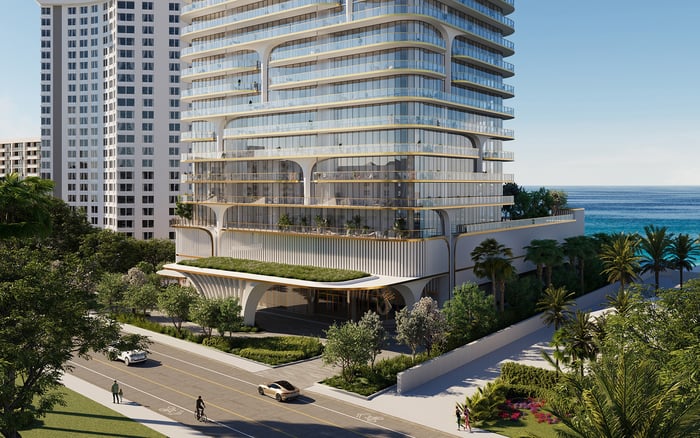
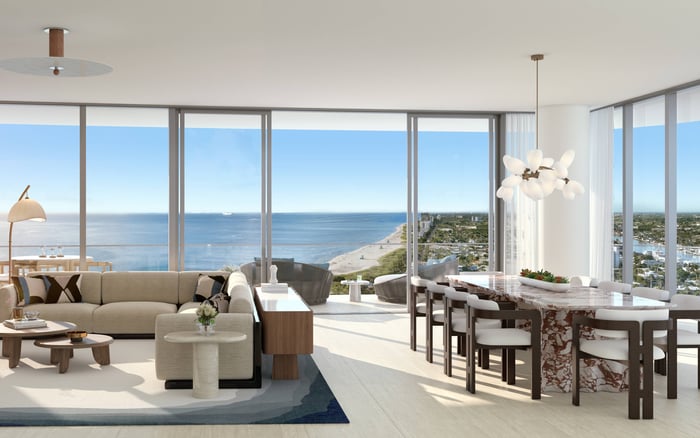
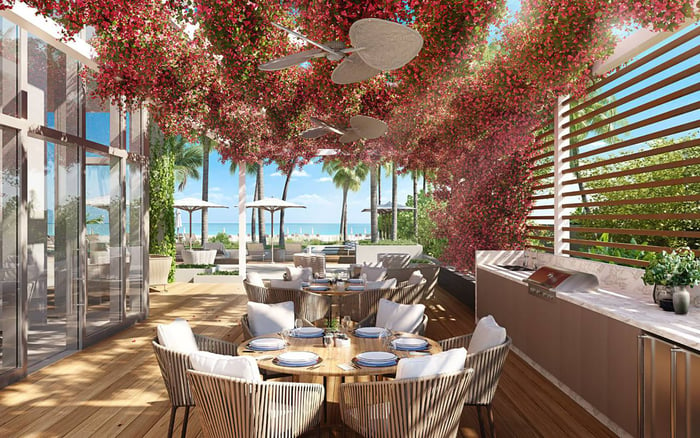
A buyer-focused look at how to evaluate oceanfront indoor-outdoor living at 57 Ocean Miami Beach and Waldorf Astoria Residences Pompano Beach, with emphasis on terrace usability, shade, materials, and salt-air upkeep.
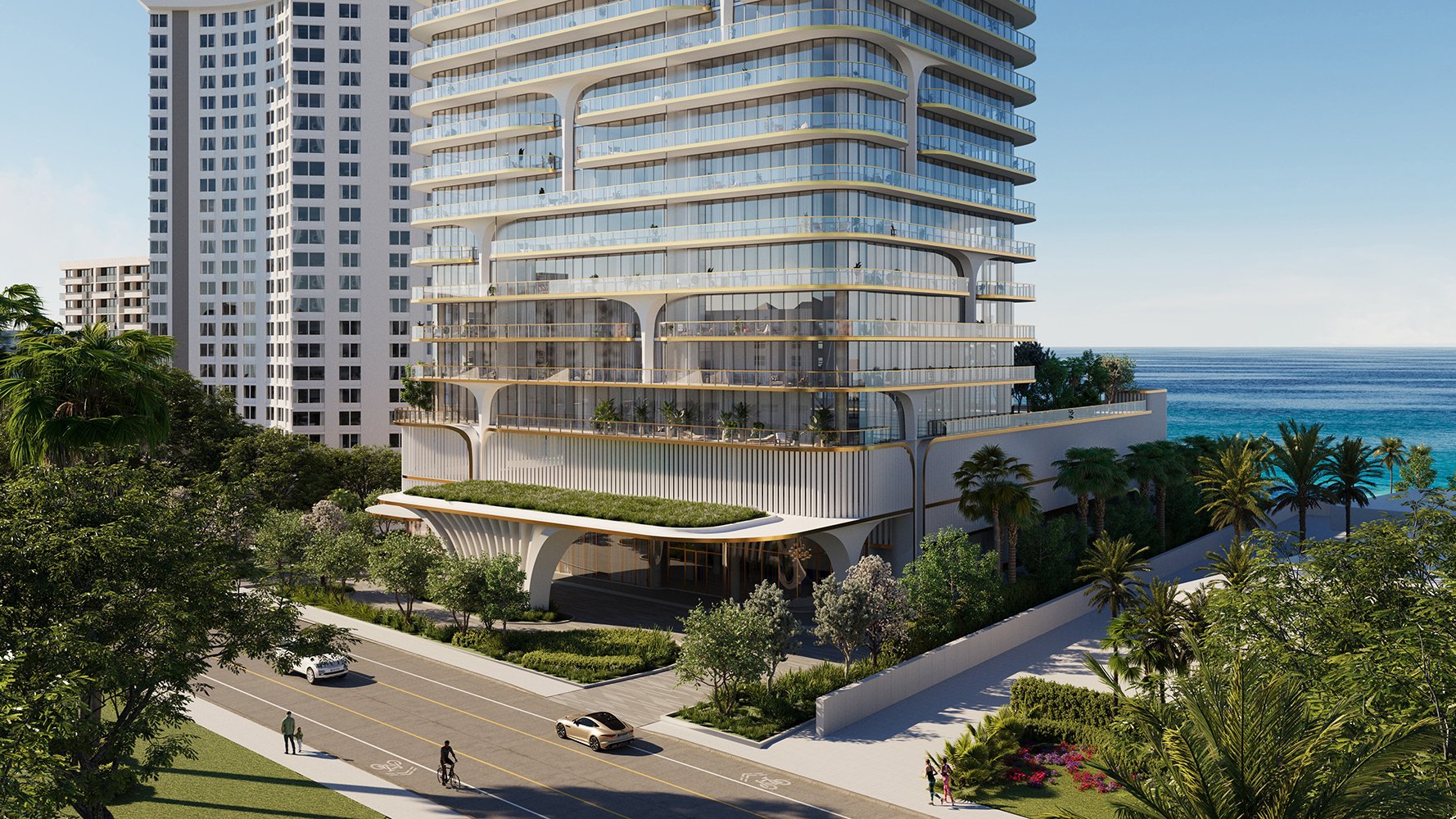
South Florida’s most desirable coastal residences are increasingly judged by a simple question: does the home live beautifully outside every day, not only during a showing? For buyers comparing 57 Ocean Miami Beach with Waldorf Astoria Residences Pompano Beach, the answer is less about spectacle than performance. Oceanfront living is a sensory promise, but ownership is also a technical commitment.
The terrace, the transition from living room to exterior space, the way afternoon sun meets glass, and the maintenance demands of salt air all belong in the same conversation. This is where luxury due diligence becomes more refined. A view may win the first visit. Shade, drainage, privacy, wind exposure, and material resilience determine whether the residence continues to feel effortless after closing.
In the ultra-premium market, a terrace should be assessed as true living space, not decorative surplus. The most useful outdoor rooms support morning coffee, reading, dining, sunset conversations, and quiet recovery after travel. Buyers should study depth, usable furniture placement, circulation, and the relationship between the terrace and the interiors.
At oceanfront properties, the strongest experience often comes from continuity: flooring transitions that feel intentional, doors that encourage daily use, and sightlines that preserve the water view from seated positions rather than only from the rail. A terrace may photograph beautifully yet feel constrained if furniture blocks movement or sun exposure makes the space uncomfortable for long portions of the day.
For a Miami Beach buyer, **57 Ocean Miami Beach invites attention to how outdoor space supports a more wellness-oriented coastal rhythm. The due-diligence question is not simply whether the terrace is large, but whether it can function as a calm extension of the residence during the hours the owner is most likely to use it.
Shade is often underweighted in first impressions. It should be studied with the same seriousness as ceiling height or kitchen finishes. In South Florida, direct sun can turn an outdoor area into a purely visual amenity if there is not enough protection, whether through building orientation, overhangs, screens, landscaping, or thoughtful furniture planning.
When possible, buyers should visit at more than one time of day. Morning light may feel gentle, while afternoon exposure can be more demanding. A shaded terrace can extend the practical use of the home and reduce dependence on interior cooling. It can also help preserve fabrics, furniture, and finishes. In this sense, shade is not a soft lifestyle detail. It is a comfort system.
Privacy belongs in the same analysis. A shaded outdoor room that also feels discreet will usually be used more often. Sightlines from neighboring buildings, pool decks, beach paths, and adjacent balconies all matter. The most satisfying residences create openness without making the owner feel observed.
The appeal of coastal ownership comes with an environmental reality: salt air is persistent. It affects metals, glass, exterior hardware, balcony railings, door tracks, outdoor kitchens, lighting, furniture, and mechanical components exposed to marine conditions. None of this diminishes the desirability of oceanfront living. It simply means the maintenance plan should be understood before the emotional decision becomes final.
Buyers should ask how exterior elements are cleaned, how often balcony glass and rail systems require attention, what materials are used for exposed components, and how associations approach preventative maintenance. The goal is not to eliminate upkeep. It is to make it predictable.
This is especially important for second-home owners who may be away for extended periods. A terrace that is not regularly rinsed, a track that collects grit, or furniture that is not specified for marine exposure can age quickly. The most elegant ownership experience is usually supported by routines that are almost invisible because they are consistent.
The distinction between Miami Beach and Pompano Beach is not only geographic. It can shape how an owner uses the residence. Miami Beach often appeals to buyers who want immediate cultural density, design energy, dining, wellness, and established coastal prestige. Pompano Beach may appeal to those seeking a different waterfront cadence, with a quieter feel and a strong emphasis on beachside living.
When evaluating Waldorf Astoria Residences Pompano Beach, buyers should bring the same terrace and salt-air discipline they would apply in Miami Beach, while also considering their desired rhythm. Will the home be used for long weekends, seasonal stays, family holidays, or as a primary residence? Each pattern changes what matters most.
A primary resident may value everyday shade, storage, durable outdoor furnishings, and low-friction access to amenities. A seasonal owner may prioritize lock-and-leave systems, management standards, and the condition of exterior spaces after periods of absence. The right building is not only the one with the strongest first impression. It is the one that fits the owner’s routine.
For buyers considering oceanfront residences, the most productive due diligence is specific. How does the terrace drain during heavy rain? Are there restrictions on exterior furniture, planters, umbrellas, or outdoor cooking? How are glass railings maintained? How often are exterior windows cleaned? Are door systems easy to operate and resistant to coastal wear? What is the protocol for storm preparation?
A careful review should also include the association’s standards for exterior appearance and maintenance. Luxury buildings often protect architectural consistency, which can affect what owners may install or modify. This is not a drawback. It is part of preserving the overall character and long-term value of the property. The key is knowing the boundaries before purchase.
For discerning buyers, the ideal residence offers a balance of romance and rigor. The ocean should feel close, the terrace should invite repeated use, and the maintenance expectations should be clear enough to support peace of mind.
In the highest tier of South Florida coastal real estate, indoor-outdoor living is no longer a generic amenity. It is a measure of design intelligence. A residence succeeds when the outdoor space feels inhabitable, shaded when needed, private enough to relax, and resilient enough to age gracefully in marine conditions.
The comparison between 57 Ocean Miami Beach and Waldorf Astoria Residences Pompano Beach is best approached through the owner’s life rather than a checklist alone. The more precise question is not which address has the better view. It is which residence will make the view part of daily life with the least friction.
Why is terrace depth important in an oceanfront residence? Depth determines whether the space can hold real furniture, support circulation, and function as an outdoor room rather than a narrow viewing ledge.
Should buyers visit at different times of day? Yes. Light, heat, shade, and privacy can change materially between morning, midday, and late afternoon.
How should salt air factor into due diligence? Buyers should review exposed materials, cleaning routines, maintenance standards, and the building’s approach to preventative care.
Is shade as important as view quality? For daily use, often yes. A magnificent view has less practical value if the terrace is uncomfortable for much of the day.
What should second-home owners prioritize? Lock-and-leave maintenance, storm protocols, durable outdoor furnishings, and reliable management support are especially important.
Are balcony rules worth reviewing before purchase? Absolutely. Rules may affect furniture, planters, umbrellas, lighting, exterior storage, and other visible elements.
How does privacy affect outdoor living? A terrace that feels exposed may be used less often, even if the view is exceptional.
What makes indoor-outdoor flow successful? Easy door operation, comfortable transitions, useful furniture layouts, and uninterrupted sightlines all contribute to flow.
Does oceanfront maintenance reduce the appeal of coastal ownership? No. It simply requires disciplined expectations and a clear understanding of ongoing care.
How should buyers compare Miami Beach and Pompano Beach? They should evaluate lifestyle rhythm, daily convenience, terrace usability, and maintenance expectations rather than relying on location prestige alone.
When you're ready to tour or underwrite the options, connect with MILLION.
If branded residences are on your mind — as a home or as an allocation — we would be glad to share what we are seeing, privately.
Begin a quiet conversation