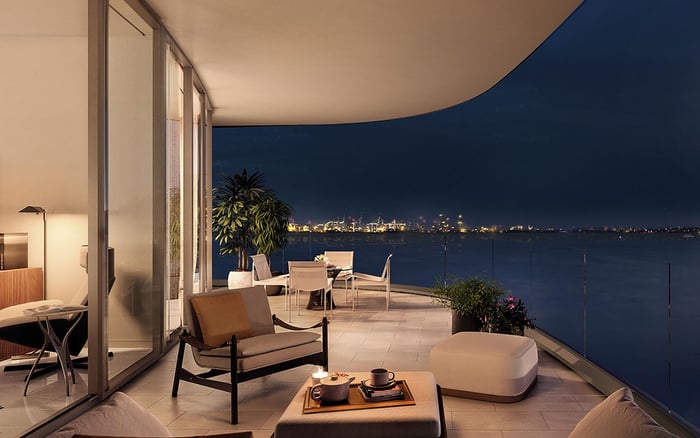
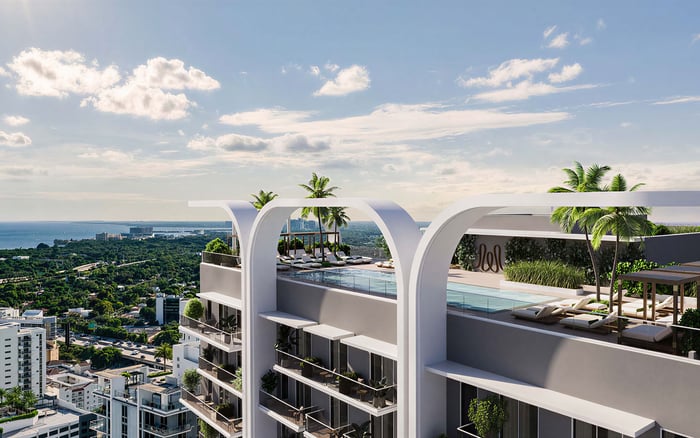
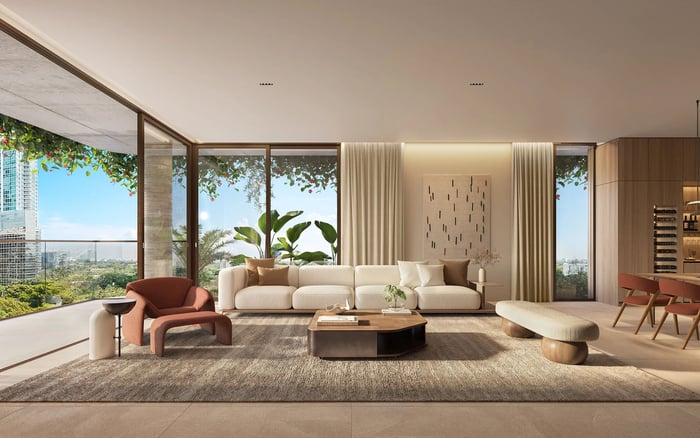
A discreet due diligence guide for Miami penthouse buyers evaluating terrace comfort, wind exposure, approvals, maintenance, and contract protections before committing.
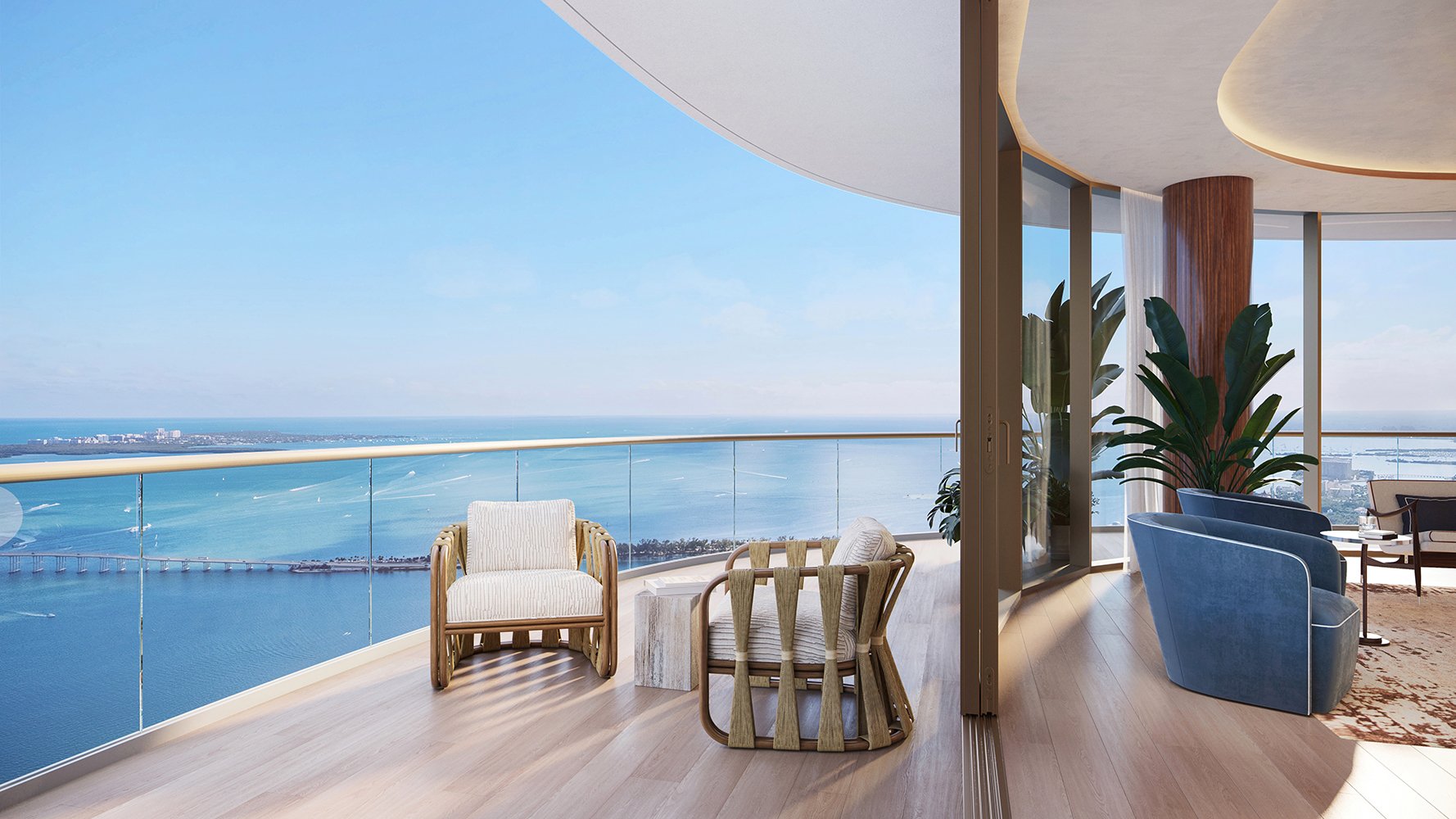
For many Miami penthouse buyers, the terrace is the emotional center of the residence. It is where the view becomes physical, where morning light, water, skyline, and privacy converge. Yet a terrace that looks spectacular in renderings can feel very different once wind, exposure, doors, furniture, drainage, and maintenance are considered together.
Before contract, the question is not simply whether a penthouse has a terrace. The sharper question is whether that terrace has been designed, documented, and delivered as usable private-air living space. This is especially important for high floors, where exposure can make everyday details more consequential. In Miami-Dade, Broward, and Palm Beach luxury settings, buyers should treat wind protection as part of the residence, not as a decorative afterthought.
The phrase can mean different things in different sales conversations. It may refer to rail height, glass configuration, terrace depth, side walls, setbacks, overhangs, landscaping, operable screens, or the way the building form responds to prevailing exposure. A buyer should ask for a clear explanation of what is permanent, what is optional, and what depends on owner-installed furnishings.
The most useful answer connects design intent to daily use. Can a dining table remain comfortable? Are lounge areas placed where wind is moderated? Do doors open easily under normal conditions? Is the balcony or terrace edge designed primarily to preserve the view, or does it also contribute to comfort? Precision matters because a beautiful outdoor room that is rarely pleasant becomes more visual amenity than living space.
Renderings can convey atmosphere, but contracts define rights. Before signing, buyers should review the specific exhibits that describe terrace size, railings, glazing, partitions, doors, drains, finished surfaces, planters, outdoor kitchens, lighting, outlets, and any permitted owner upgrades. If a feature appears in marketing but not in the contract documents, it should be clarified in writing.
For new-construction purchases, this is particularly important because terrace conditions may still evolve through design coordination, approvals, or construction detailing. The buyer should ask which terrace elements are included in the base residence, which are upgrades, which require separate approval, and which may be restricted by building rules. The goal is to reduce ambiguity before deposits become meaningful.
The finest terraces feel connected to the main living areas, but that connection relies on more than floor-to-ceiling glass. Buyers should ask how large openings operate, whether thresholds are flush or raised, how water is managed near door tracks, and whether door systems have limitations during stronger weather. These details shape the experience of entertaining, furnishing, and moving between indoors and out.
It is also worth asking how the terrace aligns with the great room, primary suite, kitchen, and service areas. A wind-protected seating zone becomes more valuable when it naturally supports the home’s rhythm. If outdoor dining is far from the kitchen or exposed to the most active corner, it may be less practical than it appears on plan.
Wind protection is partly an ownership issue. Glass, metal, stone, wood, planters, lighting, drains, and exterior furnishings all need care in a coastal environment. Buyers should ask who maintains fixed terrace components, what the association is responsible for, what the owner must maintain, and whether replacement standards are controlled by the building.
A discreet but important question concerns future modifications. Can an owner add shade, screens, heaters, fans, kitchens, planters, or art? If so, what approvals are required? A terrace that cannot be adapted may still be excellent, but the buyer should understand the rules before imagining a personalized outdoor salon.
Privacy and wind protection often overlap, but they are not the same. A side wall may shield a seating area from view yet still allow uncomfortable airflow. A glass guardrail may preserve the horizon but offer limited enclosure. A deep setback may feel serene in one direction and exposed in another.
Buyers should stand, sit, and walk the actual terrace whenever possible. If the residence is not complete, they should request the most detailed plans available and ask the sales team to identify the protected zones. The exercise is simple: where will one drink coffee, read, dine, take a call, or host guests? If those places are not clear, the terrace story deserves more scrutiny.
Sophisticated buyers do not need to make wind protection adversarial. They need to make it contractual. Questions about included features, approvals, warranties, maintenance, and association rules can be raised calmly before execution. If important items remain open, the buyer’s counsel can address them through written clarifications or contract language.
In Miami’s luxury market, a terrace can be one of the strongest value drivers of a penthouse. It can also be one of the most misunderstood. The difference is diligence. Before contract, the best buyers ask whether the outdoor space is merely scenic or whether it has been designed to live beautifully.
What should a buyer ask first about a wind-protected terrace? Ask which specific design elements provide protection and whether they are included in the contract documents.
Is a deeper terrace always better in windy conditions? Not necessarily. Depth can help, but orientation, side walls, railings, openings, and building form also matter.
Should terrace features shown in renderings be trusted? Renderings are useful for mood, but buyers should rely on contract exhibits and written specifications.
Can a buyer add screens or shade after closing? Possibly, but it may require association approval and must comply with the building’s exterior standards.
Why do high floors require extra terrace diligence? Higher elevations can make exposure more noticeable, so comfort and operability should be reviewed carefully.
What terrace details should counsel review before contract? Counsel should review inclusions, exclusions, warranties, owner responsibilities, and approval requirements.
Does wind protection affect resale confidence? A terrace that feels usable and comfortable can support buyer confidence, especially in the luxury segment.
Should buyers test the doors during a walkthrough? Yes. Door operation, thresholds, tracks, and drainage are central to indoor-outdoor living.
Is privacy the same as wind protection? No. Privacy may block views from neighbors, while wind protection concerns comfort and exposure.
What is the best way to shortlist comparable options for touring? Start with location fit, delivery status, and daily lifestyle priorities, then compare stacks and elevations to validate views and privacy.
For a discreet conversation and a curated building-by-building shortlist, connect with MILLION.
If branded residences are on your mind — as a home or as an allocation — we would be glad to share what we are seeing, privately.
Begin a quiet conversation