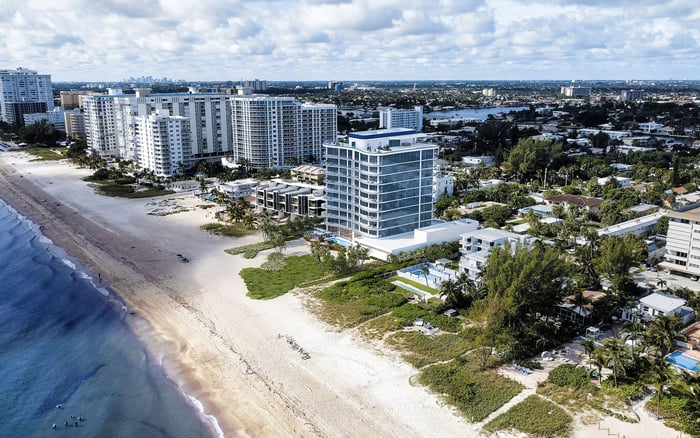
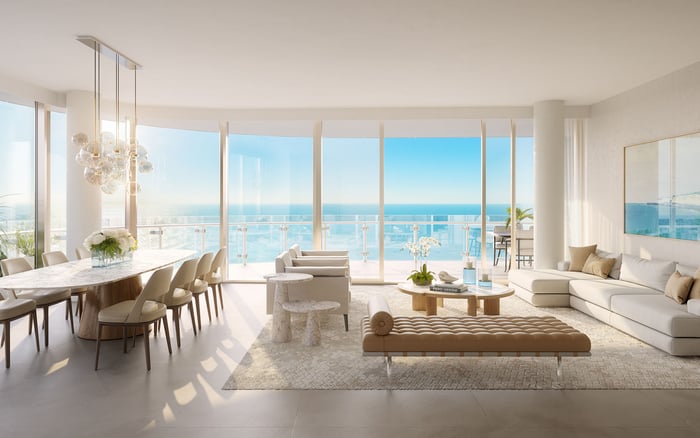
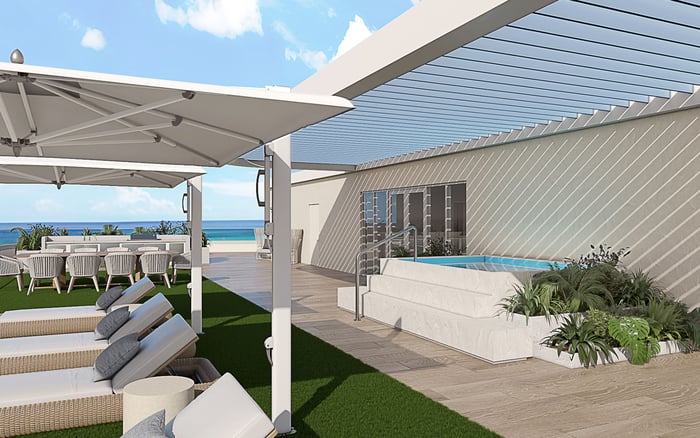
A buyer-focused look at Ocean 580 Pompano Beach as a case study in why direct Atlantic exposure makes terrace materials, furnishings, railings, lighting and preventive upkeep central to luxury ownership.
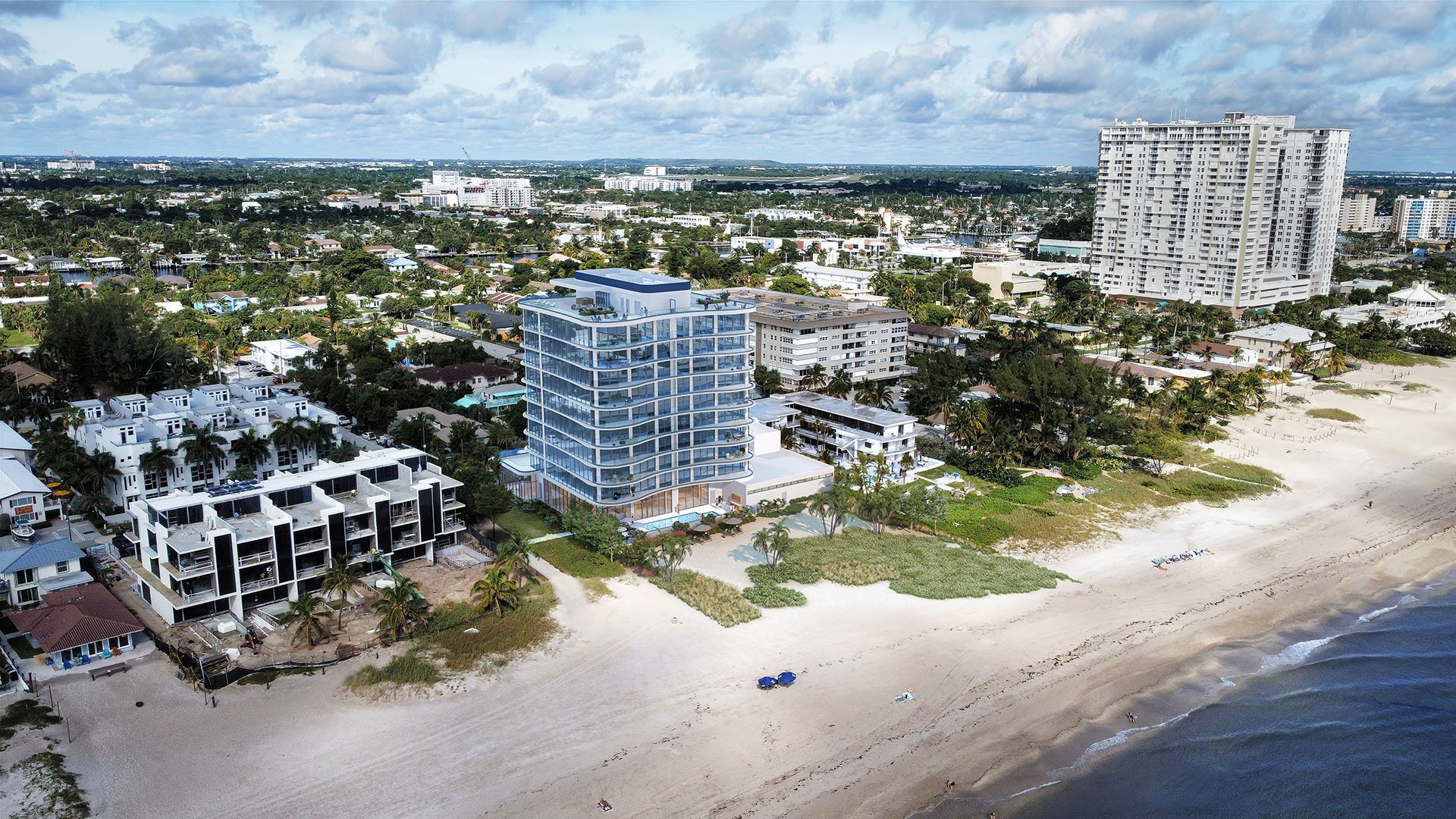
At Ocean 580 Pompano Beach, the terrace is not simply where morning coffee meets the Atlantic. It is one of the residence’s most revealing ownership surfaces. Direct ocean exposure changes how a buyer should evaluate materials, how an owner should plan maintenance, and how an association should approach exterior consistency over time.
That is especially true in boutique luxury oceanfront ownership, where outdoor living is central to the appeal but more exposed than an inland or Intracoastal setting. Oceanfront living can feel effortless when it is well maintained. It becomes expensive when the terrace is treated as decoration rather than as a working exterior environment.
For a Pompano Beach buyer comparing the coast with less exposed residential options, Ocean 580 offers a useful lens: the value of a terrace depends not only on its view, but on how intelligently it has been specified, furnished and maintained.
The Atlantic does not affect every surface equally. East-facing exposure can bring a more direct conversation about salt air, humidity, wind and sun, while more protected orientations may experience wear differently within the same coastal context. That does not make one position inherently better than another. It makes inspection more nuanced.
The key is to look beyond the initial impression. A terrace may photograph beautifully while revealing stress in small details: finish wear, hardware fatigue, planters that stain or retain moisture, outdoor lighting that has not aged gracefully, or furniture selected for showroom presence rather than coastal endurance.
This is why the terrace conversation at Ocean 580 belongs in the same category as kitchens, baths and flooring. It affects daily enjoyment, future replacement decisions and the perceived care of the residence. A buyer who studies the terrace closely is not being difficult. They are reading one of the property’s most important ownership documents.
In South Florida luxury real estate, outdoor design often begins with atmosphere: neutral upholstery, sculptural planters, low-profile seating and lighting that extends the interior mood outside. At the water’s edge, that is only the first draft. The better question is whether each choice is appropriate for salt, humidity, wind and sun exposure.
Furniture frames, cushion fabrics, exterior rugs, planters and lighting should be evaluated for how they will age in place. A beautiful object that requires constant correction may not be the elegant choice. A restrained, durable specification often feels more luxurious because it remains composed through use.
Railings deserve equal attention. They are part of the residence’s visual identity, but they are also exterior components that should be reviewed carefully. Buyers should look at finishes, connections and evidence of consistent upkeep. Owners should understand what can be replaced individually and what may require broader association coordination.
This is where oceanfront ownership differs from a less exposed urban terrace. A buyer evaluating Armani Casa Residences Pompano Beach or The Ritz-Carlton Residences® Pompano Beach will naturally focus on architecture, services and views. The same discipline should apply to terrace durability, because the exterior living area is part of the long-term ownership equation.
Preventive maintenance is not glamorous, but in direct-oceanfront ownership it is one of the clearest ways to protect value. At Ocean 580, owners should treat cleaning and inspection as part of the residence’s rhythm, not as an occasional response when something looks tired.
That rhythm includes keeping exterior surfaces clean, checking furniture and planters before small issues become visible, confirming that lighting remains appropriate for exterior exposure, and treating stains or wear early. It also means resisting indoor-grade furnishings outdoors, even temporarily, because the environment will reveal the compromise quickly.
For absentee owners and second-home users, the issue is even more practical. A terrace that is not used daily can still be exposed daily. The absence of wear from foot traffic does not mean the absence of environmental wear. Owners who plan periodic inspections, especially before and after long periods away, are more likely to preserve the composed look that defines a luxury oceanfront residence.
The view may be the reason a buyer enters the conversation, but the terrace should be part of due diligence. At Ocean 580, buyers should inspect exterior finishes and components with the same seriousness they bring to interiors.
Look at the condition of flooring or surface finishes, the way water and moisture appear to be managed, the state of railings, the quality of exterior lighting, and whether planters or furnishings seem appropriate to the exposure. Ask whether replacements have been handled consistently and whether the residence reflects a pattern of preventive care.
The goal is not to find perfection. The goal is to understand the ownership profile. A well-kept terrace suggests a residence cared for with discipline. A neglected terrace may signal future costs that are not obvious in a first showing.
This same thinking applies across Broward’s premium coastal market. Buyers considering W Pompano Beach Hotel & Residences or looking south toward Fort Lauderdale oceanfront residences should compare not only the lifestyle proposition, but also the practical demands of exterior ownership.
In a condominium setting, terrace decisions are never purely individual. Associations help define the broader standards that keep a building coherent. That includes expectations for exterior replacements, acceptable materials, visual consistency and the financial planning required to address common or visible exterior elements over time.
For boards, the lesson from Ocean 580 is that terrace durability should connect to reserve planning and building standards. A patchwork of inconsistent replacements can weaken the exterior impression of a boutique property. Thoughtful guidelines, communicated clearly, help owners make better decisions and protect the overall presentation.
This is not merely aesthetic governance. It is financial stewardship. The more exposed the building, the more important it becomes to align owner choices with long-term exterior performance.
Ocean 580 Pompano Beach is best understood as a case study in disciplined oceanfront living. The terrace is part of the dream, but it is also part of the cost structure. The most successful owners do not separate beauty from maintenance. They select materials, furnishings and routines that allow the residence to age with grace.
For buyers, the practical takeaway is clear: inspect the terrace as carefully as the interiors. For owners, preventive upkeep is a preservation strategy. For associations, exterior consistency and reserve planning support both design integrity and long-term value.
Boutique oceanfront living can be among the most rewarding forms of South Florida ownership. It simply asks for a more exacting eye.
Why does ocean exposure matter so much at Ocean 580 Pompano Beach? Atlantic exposure can influence terrace materials, furnishings, railings, planters, lighting and maintenance frequency.
Should buyers inspect the terrace as closely as the interiors? Yes. Terrace finishes and exterior components can reveal how carefully an oceanfront residence has been maintained.
Are terrace choices mostly aesthetic? No. At the oceanfront, terrace choices are also durability, upkeep and long-term cost decisions.
Can exposure vary within the same coastal building? Yes. East-facing ocean exposure may create different wear patterns than more protected orientations.
What should owners prioritize for outdoor furniture? Owners should choose pieces suited to salt, humidity, wind and sun rather than selecting by appearance alone.
Why are planters important on an oceanfront terrace? Planters can affect staining, moisture and overall upkeep, so their materials and placement should be considered carefully.
How often should owners think about terrace maintenance? Preventive cleaning and periodic inspections should be treated as part of the normal ownership rhythm.
Why do association standards matter? Consistent exterior replacement standards help preserve the building’s appearance and support long-term planning.
Is Ocean 580 relevant to buyers comparing inland and Intracoastal options? Yes. It helps illustrate how direct oceanfront living carries different terrace responsibilities than less exposed settings.
What is the main ownership lesson? The terrace should be evaluated as a long-term performance area, not just as a place to enjoy the view.
For a discreet conversation and a curated building-by-building shortlist, connect with MILLION.
If branded residences are on your mind — as a home or as an allocation — we would be glad to share what we are seeing, privately.
Begin a quiet conversation