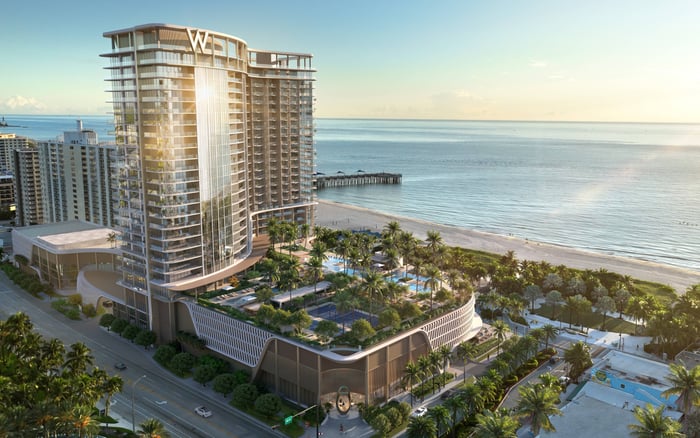
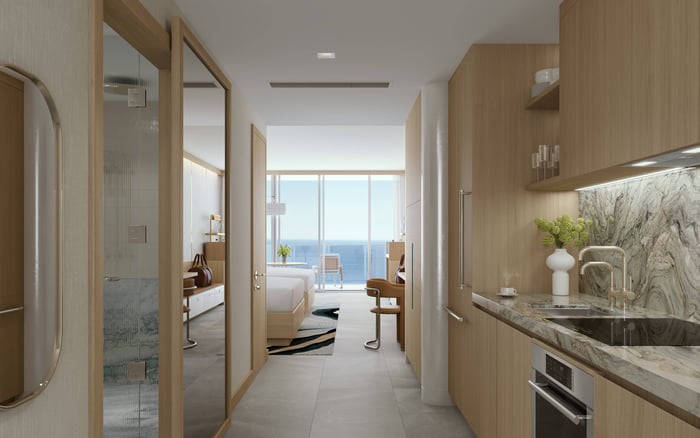
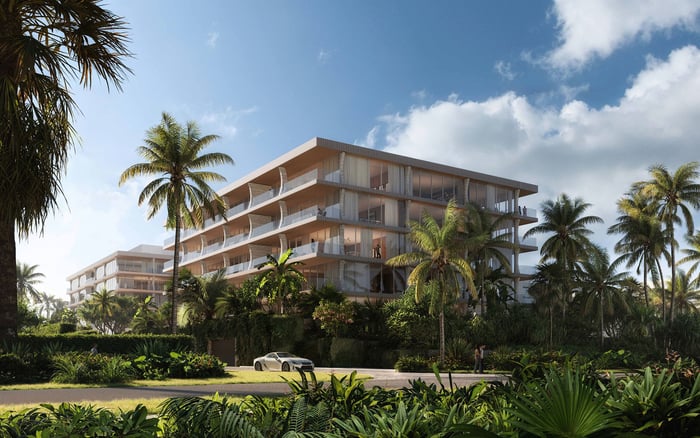
A buyer-focused guide to evaluating shade, breeze, terrace usability, and seasonal comfort at W Pompano Beach Hotel & Residences before selecting a residence.
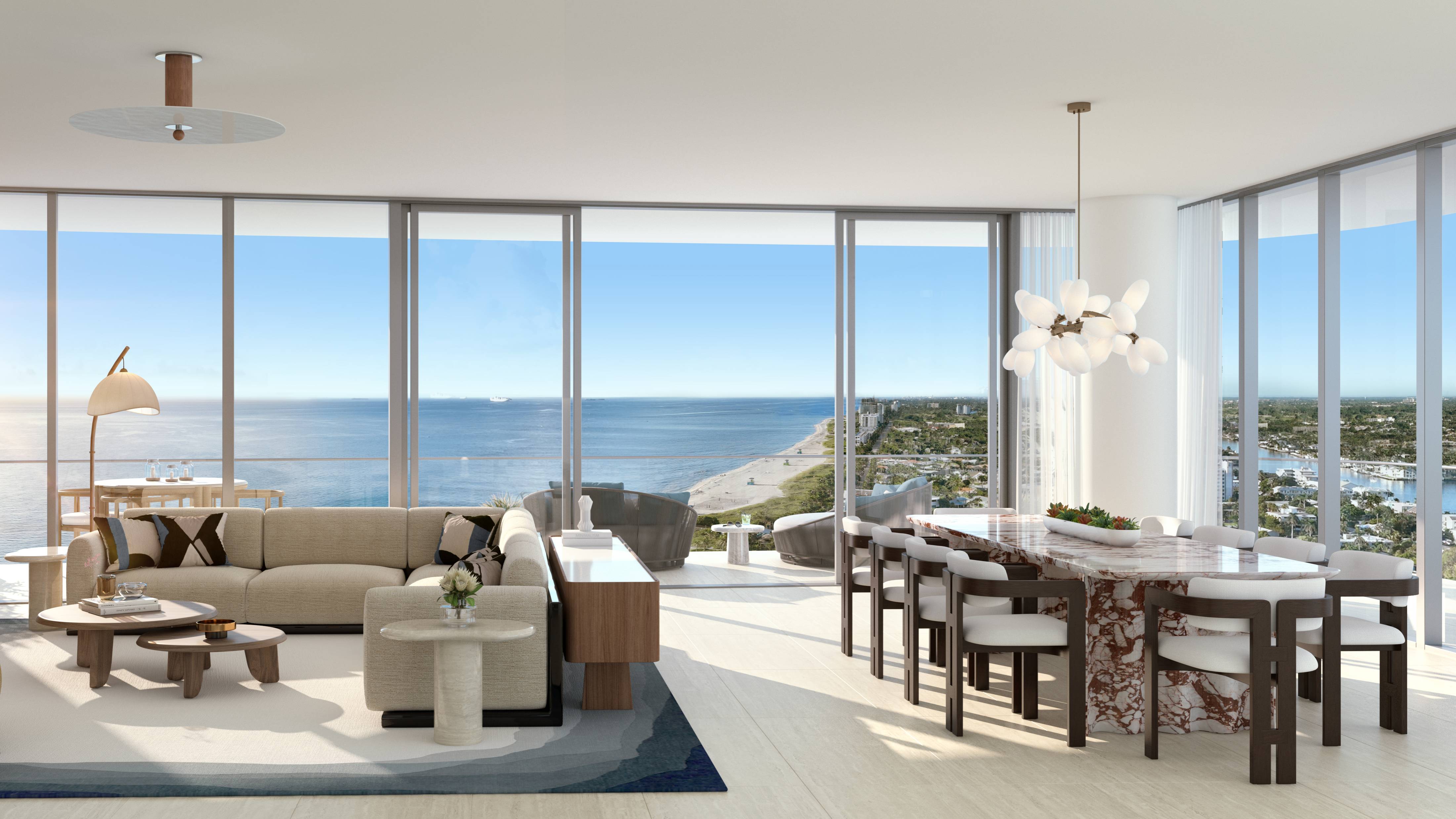
For seasonal buyers, the most memorable quality of a South Florida residence is often not the view alone. It is the hour when morning coffee feels effortless outdoors, the late afternoon when a room remains calm rather than harsh, and the evening when sea air becomes part of the ritual rather than an interruption. At W Pompano Beach Hotel & Residences, the name itself places the property in a hospitality-led residential context, making lifestyle comfort central to the buying decision.
Oceanfront living is naturally seductive, but oceanfront comfort is not a single condition. Shade and wind behave differently across seasons, floor levels, exposures, and daily routines. A seasonal buyer planning to spend winter mornings, holiday weeks, or long shoulder-season weekends in residence should evaluate the home as a living environment, not simply as a floor plan.
That distinction is especially relevant in a Pompano Beach search, where buyers often compare beach access, service expectations, and the feeling of being directly connected to the Atlantic. The right residence should frame the water beautifully, but it should also support the way the owner intends to live with that water.
Many buyers ask whether a residence receives sun. The more precise question is when the residence receives sun, and where that sun falls. Morning light can feel restorative in a bedroom or breakfast area, while strong afternoon light may affect how comfortably a living room, balcony, or dining terrace is used during peak hours.
For seasonal owners, this is not an abstract design question. If the residence will be used most during winter holidays, school breaks, or long weekends, the comfort test should focus on the hours when the owner is actually in the home. A terrace that photographs beautifully at midday may feel entirely different in late afternoon. A living room with dramatic glass may be serene in one season and more demanding in another.
Buyers should understand orientation, overhangs, balcony depth, adjacent building context, and the practical behavior of each principal room. When possible, visit at more than one time of day. A residence that feels balanced in the morning may reveal a different personality near sunset.
Coastal breeze is one of South Florida’s great luxuries, but it requires nuance. Gentle air movement can make outdoor space feel fresh and usable. Stronger wind can limit dining, lounging, planters, cushions, and even the way doors are opened and closed.
This matters because buyers frequently assign significant emotional value to outdoor square footage. A terrace is not merely a number on a plan. It is a private room in the sky, a place for breakfast, reading, cocktails, and quiet observation. Its true value depends on how often it can be used comfortably.
Floor height, exposure, building form, railings, balcony depth, and neighboring structures can all influence perceived wind comfort. Rather than relying on assumptions, buyers should test outdoor areas in person and ask direct questions about how different elevations and exposures tend to feel. If entertaining is part of the plan, the terrace should be evaluated for seated comfort, table placement, and protection from gusts.
Shade and wind are not only outdoor issues. They shape how interiors live. Sun angle can affect glare on stone, wood, screens, and art. Heat gain can influence the feeling of a great room. Breeze can be welcome when doors are open, but the transition between indoor and outdoor zones should feel composed.
A refined seasonal residence should allow the owner to move through the day without constant adjustment. Window treatments, glazing performance, ceiling heights, air distribution, and furniture placement all contribute to comfort. Buyers should imagine real life: breakfast after a beach walk, a quiet afternoon call, guests arriving for dinner, or a weekend when the doors remain open for hours.
Second-home planning is also different from primary-home planning. A seasonal residence may sit unoccupied for stretches, then host intensive use during prized weeks. That pattern makes low-friction comfort especially important. The home should be intuitive for family, guests, and staff, with outdoor areas that feel reliable rather than conditional.
The best questions are practical and specific. Which rooms receive the strongest sun, and at what time? How does the balcony or terrace feel during typical use hours? Are there meaningful differences between lower, mid, and higher floors? How does the residence perform when doors are open? Where would a dining table, chaise, or shaded seating actually sit?
Buyers should also compare how different exposures support their priorities. A view that dazzles at first glance may not be the best match for someone who wants shaded outdoor dining every afternoon. Conversely, a brighter exposure may be ideal for an owner who values morning energy and dramatic light.
The most sophisticated buyers treat shade and wind as part of due diligence. They do not reduce comfort to a single answer. They ask how a residence will behave across the day, across the season, and across the owner’s particular pattern of use.
For luxury buyers, comfort is not the absence of inconvenience. It is the presence of ease. The right home should make the season feel longer, calmer, and more personal. It should allow an owner to enjoy the beach, the view, and the service environment without negotiating with sun or wind at every turn.
W Pompano Beach Hotel & Residences will naturally attract buyers who respond to a branded, coastal, hospitality-inflected address. The more discerning question is which residence within that environment best supports a specific lifestyle. For some, that may mean morning brightness and expansive outdoor moments. For others, it may mean shaded afternoons, protected dining, and a quieter interior atmosphere.
In the ultra-premium market, these distinctions are not small. They shape daily satisfaction, guest experience, and long-term ownership confidence. A well-chosen residence should feel beautiful in photographs, but more importantly, it should feel right at the exact hour the owner wants to live in it.
Why should seasonal buyers focus on shade at W Pompano Beach Hotel & Residences? Shade affects how comfortably rooms and outdoor spaces can be used during the exact hours an owner is in residence.
Is wind always a disadvantage in an oceanfront residence? No. Gentle breeze can be a major luxury, while stronger wind may affect dining, lounging, and outdoor furnishings.
Should I visit a residence at different times of day? Yes. Morning, midday, and late afternoon can reveal very different shade, glare, and terrace conditions.
Does a higher floor always mean better comfort? Not necessarily. Higher floors may offer dramatic outlooks, but wind and exposure should be evaluated carefully.
How should I judge a balcony before buying? Consider seating, shade, wind, privacy, and whether it feels comfortable during the hours you plan to use it.
What makes a terrace valuable for seasonal living? A valuable terrace functions like an outdoor room, with enough comfort for dining, resting, and hosting.
Can interior design help manage sun exposure? Yes. Window treatments, furniture placement, materials, and lighting plans can all improve daily comfort.
Why does second-home use change the evaluation? A second home is often used intensely during select periods, so comfort should feel effortless from the first day of arrival.
Should buyers compare exposures before choosing a floor plan? Yes. Different exposures can change light, heat, shade, and outdoor usability in meaningful ways.
What is the best way to shortlist comparable options for touring? Start with location fit, delivery status, and daily lifestyle priorities, then compare stacks and elevations to validate views and privacy.
For a discreet conversation and a curated building-by-building shortlist, connect with MILLION.
If branded residences are on your mind — as a home or as an allocation — we would be glad to share what we are seeing, privately.
Begin a quiet conversation