A discreet buyer-focused analysis of Nora House West Palm Beach and Ocean House Surfside, examining how wellness credibility depends on building culture, indoor air discipline, coastal maintenance, privacy, acoustics, and recovery-oriented living rather than amenity language alone.
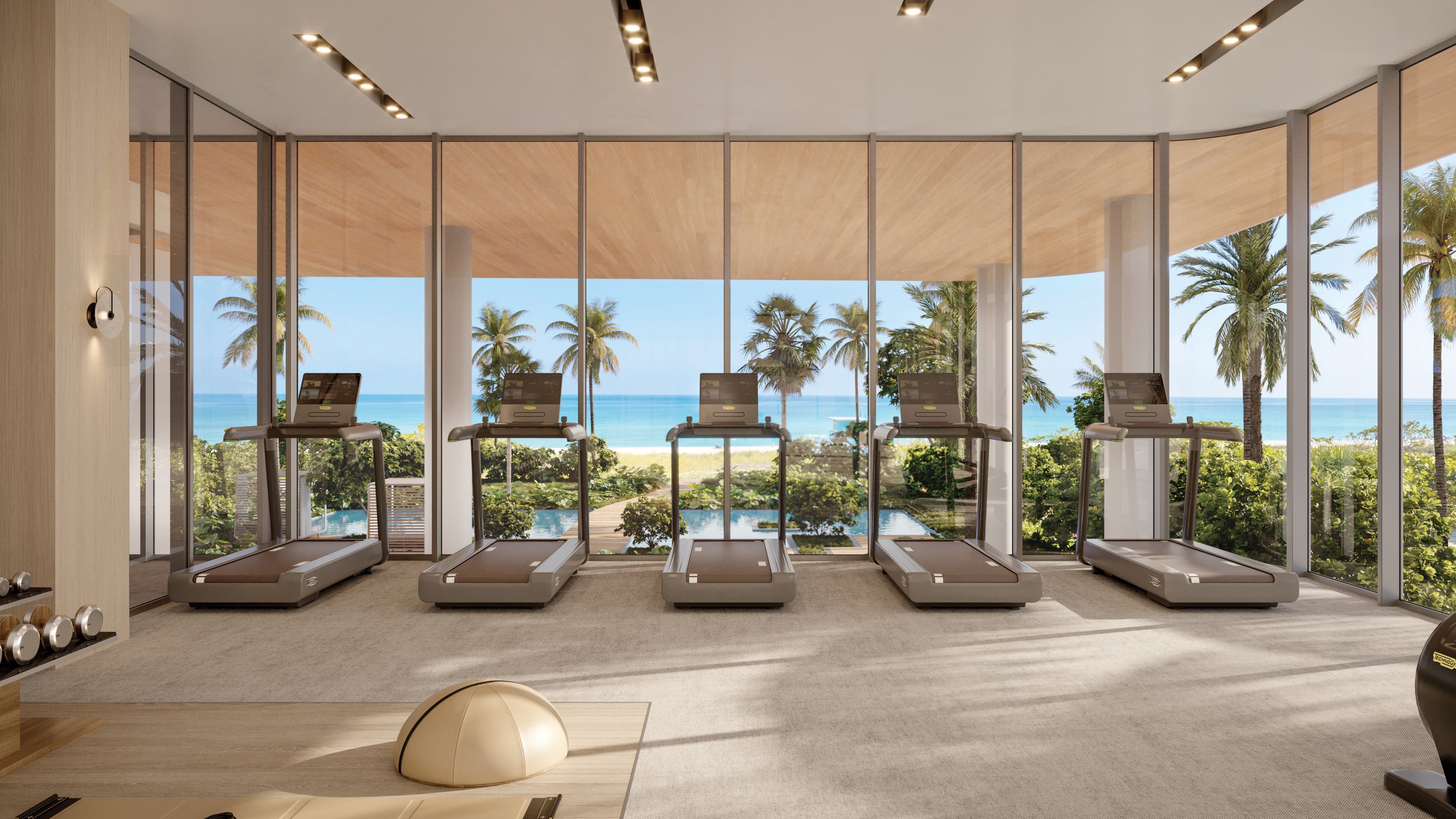
For South Florida’s most discerning residential buyers, wellness has moved beyond the visible amenity floor. A spa, pool, fitness studio, or relaxation room may start the conversation, but it no longer completes it. The more sophisticated question is whether the building itself functions as a wellness asset every day: quietly, consistently, and without requiring residents to think about it.
That is where the comparison between Nora House West Palm Beach and Ocean House Surfside becomes useful. One represents the urban side of the wellness discussion in West Palm Beach, where daily rhythm, convenience, and city energy shape the residential experience. The other, Ocean House Surfside, sits within a Surfside context associated with ocean proximity, privacy, quiet, and recovery-oriented living. Together, they sharpen the central question: what makes a building’s wellness claim credible?
The answer is culture. Not lifestyle branding alone, and not a single signature amenity. Building culture is the sum of design intent, maintenance discipline, management standards, mechanical performance, and resident experience. In the ultra-premium market, wellness credibility is earned through repetition.
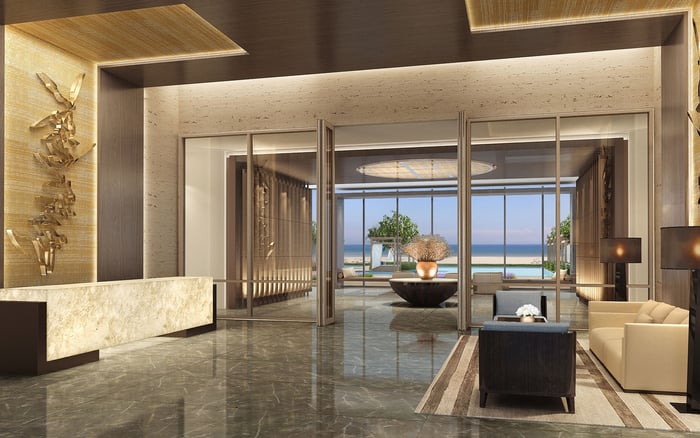
Nora House West Palm Beach is best understood here as the urban counterpart in the wellness conversation. In a city environment, wellness is often tied to how efficiently a building buffers the outside world while keeping residents connected to it. That may mean calm arrivals, thoughtful circulation, indoor comfort, and an easier transition from work, social life, and travel into rest.
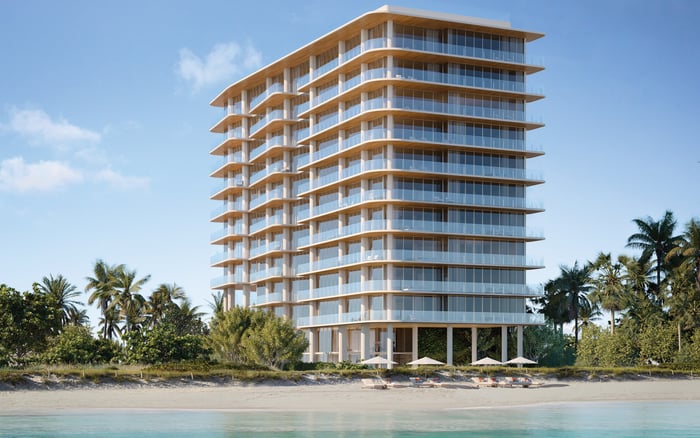
Ocean House Surfside introduces a different ecology. Surfside carries expectations of retreat: quieter streets, coastal proximity, privacy, and an atmosphere more closely aligned with restoration than acceleration. In that setting, the wellness promise begins with environment, but it cannot end there. Ocean air, views, and privacy may create an emotional baseline; operational performance determines whether that promise endures.
This is why Ocean House Surfside is a useful lens for evaluating the broader Surfside luxury residential category. A beachfront address can create wellness expectations, but the resident experience depends on filtration, dehumidification, preventive maintenance, acoustic control, and the careful management of building systems through heat, humidity, salt air, and seasonal intensity.
Indoor air quality is one of the most important yet least visible markers of luxury. Buyers may tour finishes, terraces, and amenity spaces first, but the real test begins after move-in. Does the residence feel fresh in August? Does humidity stay controlled after storms? Are common areas comfortable without feeling overcooled? Does the building’s mechanical discipline support sleep, respiratory comfort, and cognitive clarity?
In coastal South Florida, air quality is not a static specification. It is a continuous performance issue. Humidity and salt air place pressure on systems, surfaces, and maintenance routines. A building can present beautifully on day one yet lose wellness credibility if its operating standards do not keep pace with the climate.
For oceanfront luxury, the distinction matters. Ocean proximity may support a sense of calm, but coastal exposure also requires rigor. Filters should be treated as part of the resident experience, not as back-of-house details. Dehumidification should be regarded as comfort infrastructure. Preventive maintenance becomes a form of hospitality.
This is where new-construction buyers are becoming more exacting. They are not only asking whether a building has wellness amenities. They are asking whether the building can sustain wellness conditions through its systems, staffing, and governance.
Recovery has become one of the most valuable currencies in luxury real estate. The highest-net-worth buyers are often performance investors in the broadest sense. They evaluate whether a residence supports sleep, respiratory health, cognitive performance, privacy, and stress recovery.
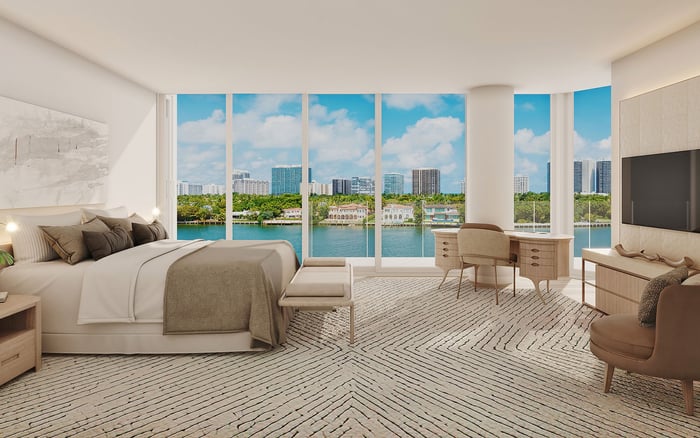
A recovery space, therefore, is not merely a beautifully photographed room. It is a sequence of conditions. Quietness matters. Privacy matters. Thermal comfort matters. Acoustic control matters. So does the building’s ability to remain resilient when weather, occupancy, or maintenance demands intensify.
In Surfside, these expectations are especially pronounced. The buyer drawn to Ocean House Surfside is likely to understand the value of retreat as something more durable than a weekend mood. The building must support restoration through spatial calm and operational competence. Wellness that cannot be felt at night, during sleep, or during the most humid part of the year is not truly wellness.
In West Palm Beach, the recovery question shifts slightly. The urban buyer may place equal weight on transition and decompression: leaving the energy of the city and entering a private, controlled residential world. In both contexts, the best buildings choreograph the move from stimulation to restoration without spectacle.
For the investment-minded buyer, wellness credibility should be part of due diligence. The question is not only what a residence offers, but how the building is likely to perform after years of use. A credible wellness building has habits. It has maintenance rhythms, management accountability, and a clear understanding that comfort is not accidental.
This is where boutique scale can be advantageous when paired with disciplined operations. Smaller residential environments may offer privacy, discretion, and a more personal sense of arrival. But scale alone is not enough. A boutique building without maintenance rigor is simply smaller. A larger building with strong systems and attentive management may deliver a more reliable wellness experience.
The most mature buyers are learning to read beyond materials. They look at how a lobby feels at different times of day, how quiet corridors are, whether amenity areas feel genuinely restorative, and whether the building’s climate control is consistent. They also understand that wellness credibility depends on invisible investments: filtration, moisture control, acoustic planning, staffing standards, and long-term maintenance discipline.
The strongest wellness buildings make their claims feel almost understated. They do not need to over-explain comfort because residents experience it daily. Still, buyers should ask direct questions.
How is humidity managed throughout the building? What is the approach to filtration and mechanical maintenance? How are quiet spaces protected acoustically? Are recovery amenities designed for privacy or display? How does management preserve standards over time? In a coastal setting such as Surfside, how does the building respond to salt air, heat, and seasonal moisture?
For Ocean House Surfside, the larger lesson is clear: the setting may establish the emotional wellness narrative, but building culture has to make it credible. For Nora House West Palm Beach, the same principle applies in an urban register. Wellness is not simply where a building is located. It is how that building allows residents to live, breathe, sleep, recover, and return to themselves.
Why compare Nora House West Palm Beach with Ocean House Surfside? The comparison highlights two distinct wellness settings: an urban West Palm Beach context and a quieter coastal Surfside context.
What makes Ocean House Surfside relevant to wellness credibility? Ocean House Surfside sits within a Surfside luxury context where privacy, quiet, ocean proximity, and recovery-oriented living shape buyer expectations.
Is a beachfront address enough to prove wellness value? No. A coastal setting may create wellness expectations, but building systems and management culture determine daily performance.
Why is air quality so important in South Florida luxury buildings? Humidity, salt air, and mechanical maintenance all affect comfort, respiratory experience, and the long-term feel of the residence.
What should buyers ask about indoor air quality? Buyers should ask about filtration, dehumidification, maintenance routines, and how consistently comfort is managed across residences and shared spaces.
What defines a credible recovery space? A credible recovery space supports quiet, privacy, thermal comfort, acoustic control, and resilience rather than relying on spa language alone.
How does Surfside differ from an urban wellness setting? Surfside emphasizes retreat, coastal calm, and privacy, while an urban setting places more weight on decompression and controlled transitions.
Why does building culture matter to affluent buyers? Building culture determines whether wellness promises are maintained through staffing, systems, preventive care, and resident experience.
Are wellness amenities less important now? Amenities still matter, but they are most persuasive when supported by strong operations, air quality discipline, and long-term maintenance.
How should buyers evaluate wellness before purchasing? Buyers should look beyond the amenity list and study how the building manages air, sound, privacy, comfort, and recovery every day.
If you'd like a private walkthrough and a curated shortlist, connect with MILLION.
If branded residences are on your mind — as a home or as an allocation — we would be glad to share what we are seeing, privately.
Begin a quiet conversation