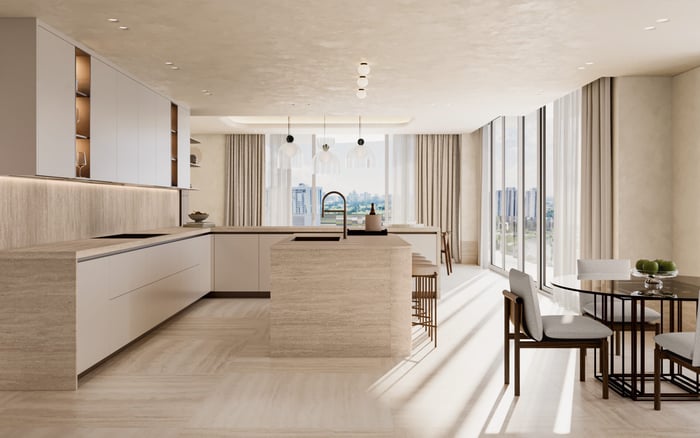
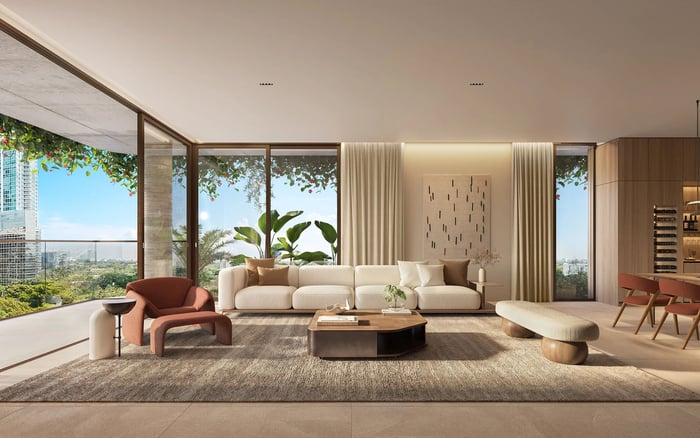
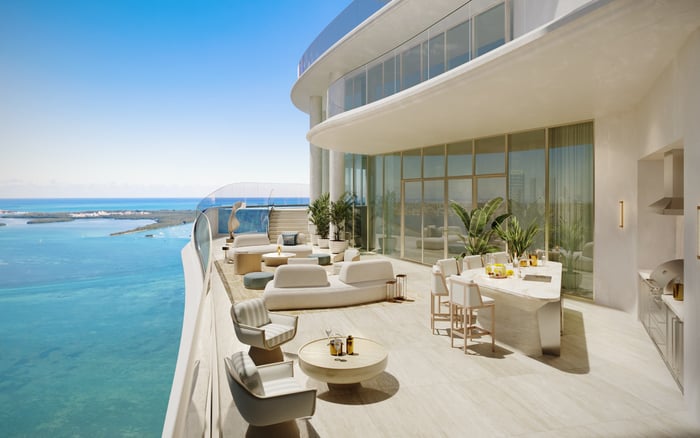
A practical guide for family buyers evaluating natural light in South Florida condos, from orientation and glare to glazing, blackout shades, UV exposure, and cooling comfort.
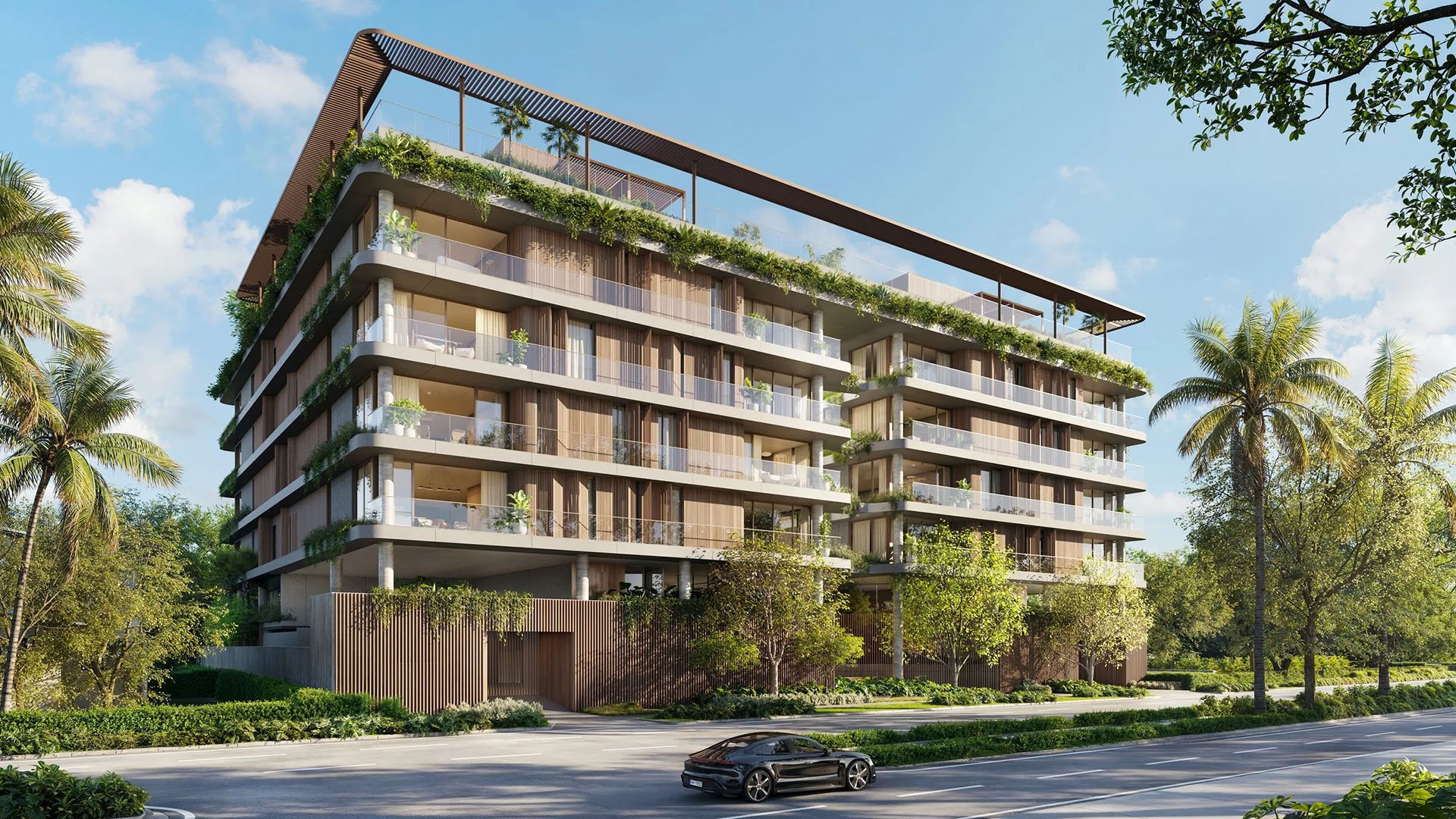
In South Florida, natural light is one of the great pleasures of condo living. It animates water, softens stone floors, flatters art, and gives a breakfast table a quietly cinematic quality. For families, however, the question is not simply whether a residence is bright. It is whether the light supports how the household actually lives.
A family buying in Brickell, Aventura, Sunny Isles, Miami Beach, or along the Intracoastal should evaluate daylight through orientation, season, room use, and glass performance. Listing photography can overstate brightness. Renderings can make every hour look golden. A showing may catch a residence at its most flattering moment. The more useful lens is solar geometry: where the sun is, when it reaches the room, how high it sits in the sky, and how the building’s balconies, overhangs, neighboring towers, and glazing respond.
South Florida’s low northern latitude means midday sun is often high overhead compared with many northern markets. That changes how deeply direct sun enters a room and why a dramatic wall of glass may feel different at breakfast, homework hour, and bedtime. For family buyers, excellent daylight is not maximum exposure. It is controlled illumination, comfortable temperature, and rooms that function beautifully from early school mornings through evening routines.
Start with direction. East-facing coastal condos typically receive morning light. That can be wonderful in kitchens, breakfast areas, and family rooms where the day begins. It can also be challenging in children’s bedrooms if shades are not robust enough to keep early light from shifting sleep schedules. Morning light has emotional value, but it should be paired with blackout capability where children sleep.
South-facing glass in the Northern Hemisphere can be a significant source of solar heat gain. In South Florida, that matters because cooling comfort is central to daily livability. A south-facing residence may feel open and luminous, but buyers should ask how the glass, shading, and air-conditioning system handle intense daylight.
West-facing exposure is often the most demanding for families. Low-angle afternoon sun can bring glare and heat precisely when children return from school, homework begins, dinner is prepared, and living rooms are most occupied. A west-facing water view can be spectacular, but the family question is practical: can the room remain calm, cool, and usable at 4 p.m. in the warm season?
North-facing units usually receive less direct sun, which can make them attractive for soft, consistent light. For playrooms, offices, art walls, media spaces, and nurseries, this can be a quiet advantage. The room may not sparkle like a direct-sun exposure, but it may be easier to live with.
A serious family buyer should tour at the time each room will be used. See an east-facing kitchen at breakfast. See west-facing living areas during homework and dinner hours. See south-facing family rooms around midday. If the first showing is beautiful but occurs at an unrepresentative hour, schedule another.
Day length and sun position vary across the year, so a single visit never tells the full story. Still, a well-timed showing can reveal glare on a television wall, heat near a crib location, reflection off neighboring glass, or the way sunlight crosses a dining table. These details rarely appear in marketing materials, yet they define everyday comfort.
For families considering new-construction or pre-construction residences, the diligence shifts from observation to documentation. Request floor plans, unit orientation, balcony depth, nearby tower locations, and any available sun studies. If a terrace is the architectural highlight, ask whether it shades the interiors during the hours that matter or simply extends the living space visually.
In luxury South Florida condos, buyers often hear the phrase “impact glass.” It is important, but it is not the whole conversation. Families should ask for the actual glass specifications, including solar heat gain coefficient, visible transmittance, tint, coating, and U-factor where available. A lower solar heat gain coefficient helps reduce solar heat entering a home, a key concern in a cooling-dominated climate.
Visible transmittance affects how bright the room feels. Tint and coatings influence color, glare, privacy, and heat. Two residences can both have expansive glass and feel entirely different at the same hour because the glazing package is different. This is especially relevant for high-floor homes with broad exposure and limited shade from surrounding structures.
Exterior glazing should also be discussed through the lens of protection. Florida’s building framework includes wind-borne-debris requirements for exterior glazing in applicable areas. In Miami-Dade, approved exterior doors, windows, shutters, and related products can be verified through the county’s product approval process. For family buyers, this is not a technical footnote. It is part of understanding how beauty, safety, and performance meet at the window wall.
A deep balcony can be more than a lifestyle amenity. It can reduce unwanted solar heat gain by limiting direct sun penetration, depending on the angle of the sun and the season. Overhangs, fins, exterior screens, and recessed terraces can all help manage daylight. Their effectiveness, however, is not universal. The same overhang may perform differently in morning light, high midday sun, and low afternoon sun.
This is why families should stand inside, not only outside. A broad balcony may look generous in plan, but the test is whether it makes the living room more comfortable. Does it soften glare on a play mat? Does it protect a sofa from direct sun? Does it allow a child to read near the window without squinting? Does it preserve the view while reducing heat?
The best residences balance indoor and outdoor life. They let children feel connected to sky and water without making the interior dependent on closed shades all afternoon.
Adults often prioritize view and drama. Children’s rooms need rhythm. Morning and evening light can influence circadian timing, which makes bedroom exposure and shade planning especially important. A beautiful sunrise exposure may be delightful for adults and disruptive for toddlers. A luminous nursery may photograph beautifully but overheat at nap time.
For children’s bedrooms, evaluate blackout shades, layered treatments, and HVAC comfort before celebrating the size of the window wall. Interior window treatments such as shades, blinds, films, and insulating attachments can help manage glare, privacy, heat gain, and sleep conditions. In many family residences, the ideal solution is layered: solar shades for daytime glare, blackout shades for sleep, and drapery or side channels where light leakage matters.
UV exposure also deserves attention. Bright homes can still allow UVA rays through window glass, which can contribute to skin damage and fade fabrics, rugs, art, and millwork. Families with infants, sensitive skin concerns, or valuable interiors should ask how the glass and interior treatments address UV.
Before a second showing, write down how each room will actually be used. Breakfast, remote work, homework, dinner, bath time, media, and sleep all have different lighting needs. Then test the residence against those routines.
Ask which rooms face east, south, west, and north. Ask whether any neighboring building will reflect sun into the residence. Ask for the glazing specifications, not just a general description. Ask how shades are wired, whether blackout shades are already installed in bedrooms, and whether the air-conditioning has been sized and zoned to support large glass areas.
If the residence is occupied, look for real clues: faded flooring near windows, shade positions during the showing, portable fans, glare on screens, and warm zones near glass. In vacant or newly staged homes, spend time near the windows rather than admiring the room from the entry. Luxury should feel composed up close.
Ultimately, daylight is one of the most personal features in a South Florida condo. The right residence does not merely shine. It supports sleep, concentration, privacy, energy comfort, and the rituals of family life.
Is an east-facing condo best for families? It can be excellent for morning routines, especially kitchens and living areas. Bedrooms need blackout shades if early light may wake children.
Why can west-facing glass be difficult in South Florida? Low-angle afternoon sun can add heat and glare when families are often home. Test west-facing rooms during homework and dinner hours.
Are north-facing units too dark? Not necessarily. North-facing rooms often have softer, more consistent light, which can suit offices, playrooms, media spaces, and nurseries.
What should I ask about condo windows? Ask for solar heat gain coefficient, visible transmittance, tint, coating, U-factor, and impact protection details where available.
Does impact glass mean the unit will stay cool? No. Impact protection and solar performance are related but different, so review the actual glass specifications.
Can a balcony reduce heat inside the condo? Yes, a deep balcony or overhang can help shade interiors. Its performance depends on exposure, sun angle, and season.
Should I tour a condo more than once? Yes. Visit at the hour you will use key rooms most, especially breakfast areas, children’s bedrooms, and west-facing living rooms.
Do window treatments matter in luxury condos? Very much. Shades, blinds, films, and layered treatments help control glare, privacy, heat gain, UV exposure, and sleep conditions.
What matters most in children’s bedrooms? Prioritize blackout capability, quiet HVAC comfort, and manageable morning or evening light over dramatic glass area.
What is the best way to shortlist comparable options for touring? Start with location fit, delivery status, and daily lifestyle priorities, then compare stacks and elevations to validate views and privacy.
For a discreet conversation and a curated building-by-building shortlist, connect with MILLION.
If branded residences are on your mind — as a home or as an allocation — we would be glad to share what we are seeing, privately.
Begin a quiet conversation