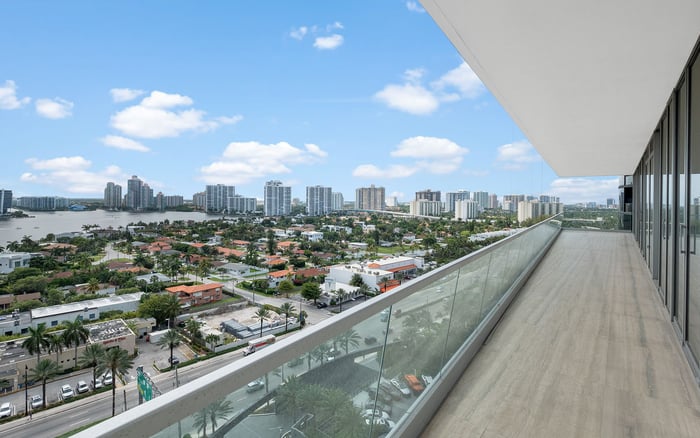
For seasonal buyers, the quality of condominium governance can shape ownership as much as design, views, or amenities. A disciplined review of documents, budgets, and board minutes helps clarify costs, priorities, restrictions, and the practical rhythm of a Sunny Isles Beach residence.
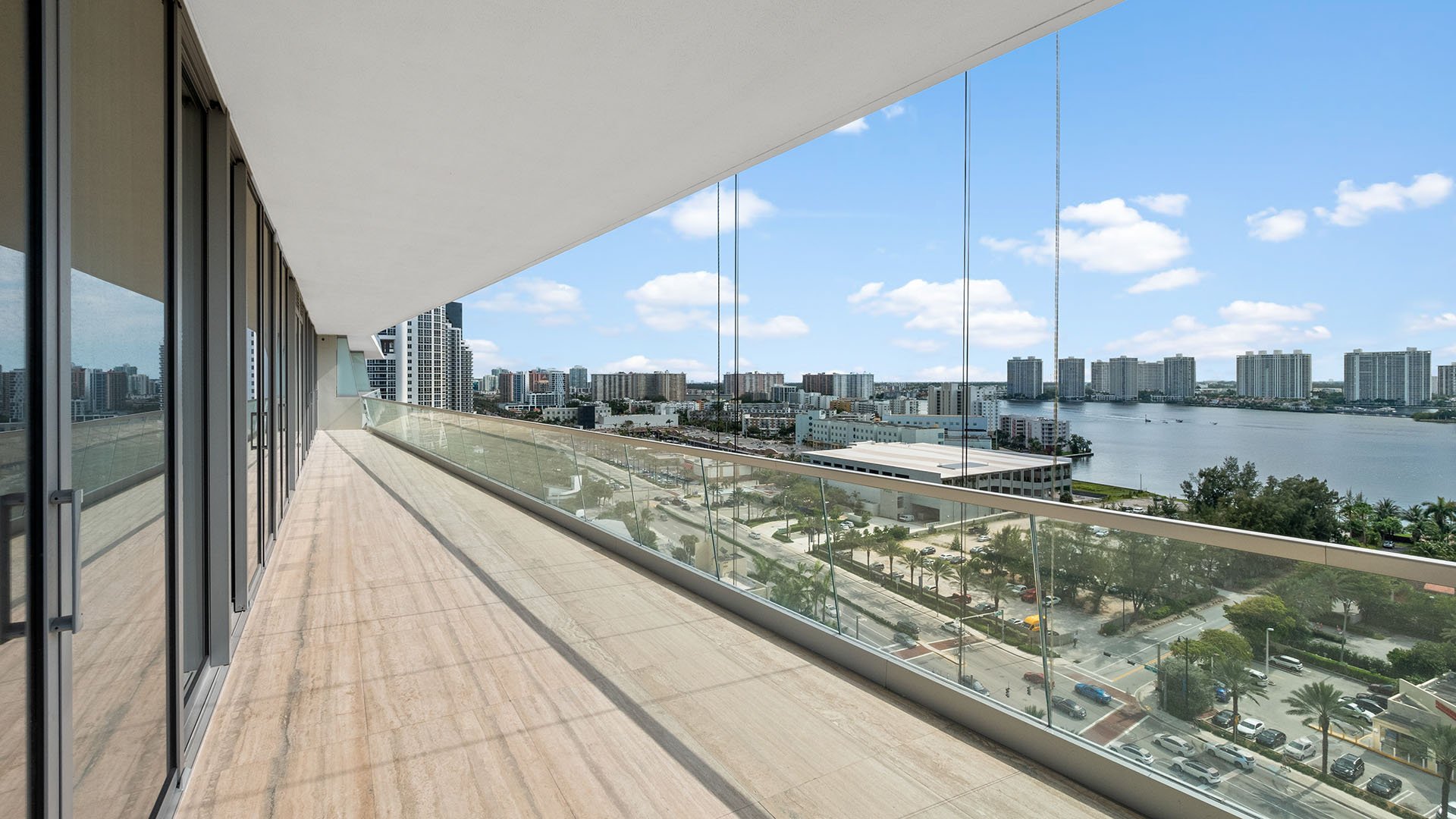
In Sunny Isles Beach, a residence can make an immediate impression through its proportions, water views, arrival sequence, and service culture. For a seasonal owner, however, the less visible architecture of ownership may be equally consequential. The declaration, bylaws, rules, budget, financial materials, and board minutes reveal how the condominium actually functions after the purchase closes.
This is where a polished amenity narrative meets day-to-day administration. A pool deck may photograph beautifully, but the documents clarify when it is available, how guests are handled, whether work is planned nearby, and how the association approaches maintenance. A refined lobby says little about the decision-making behind staffing, repairs, insurance, or capital planning.
For that reason, this subject belongs among serious Buyer's Guides rather than being treated as a final legal formality. The objective is not to find a flawless building. It is to understand the building one is buying into.
Begin with the governing documents and all available amendments. Read the definitions carefully, then focus on provisions affecting leasing, guests, pets, renovations, deliveries, parking, storage, unit access, and use of the common areas. Seasonal ownership raises distinct practical questions: Who may enter the residence while the owner is away? What approvals apply to vendors? How are packages, vehicles, and extended family handled?
Rules deserve the same scrutiny as the declaration. They often shape the lived experience more directly, especially in an oceanfront tower where staffing, beach access, elevators, and shared leisure spaces require coordinated use. Buyers considering Bentley Residences Sunny Isles or St. Regis® Residences Sunny Isles should assess the residence and its governance framework as parts of a single ownership proposition.
A condominium budget is more than a schedule of dues. It is a statement of operating priorities. Review the major expense categories and their underlying assumptions, along with reserve contributions, anticipated projects, insurance-related costs, staffing, utilities, maintenance, and any items that appear unusually volatile or dependent on future decisions.
The central question is not whether fees are high or low in isolation. It is whether the service level, maintenance plan, physical condition, and financial approach form a coherent whole. A low recurring charge may offer little comfort if meaningful work is deferred. A higher charge still warrants scrutiny if the underlying allocation is unclear.
For an investment or second-home purchase, model beyond the current year. Consider how recurring assessments, potential capital needs, personal carrying costs, and periods of limited use fit within the broader ownership plan. Ask counsel and financial advisers to distinguish routine obligations from contingent exposure rather than relying on a sales presentation or verbal summary.
Board minutes provide a chronology that a single budget cannot. Read multiple meetings in sequence, looking for recurring subjects rather than isolated remarks. Repeated discussions of water intrusion, elevators, façade work, staffing, security, insurance, litigation, rule enforcement, or owner complaints can help frame the right follow-up questions.
Minutes also convey the temperament of governance. Are decisions documented clearly? Do major issues remain unresolved across meetings? Are projects advancing through bids, approvals, and execution, or returning repeatedly without closure? Silence is not necessarily reassuring, so compare the minutes with budgets, notices, engineering materials, and answers provided during diligence.
This review matters across new and established properties alike. A buyer comparing The Ritz-Carlton Residences® Sunny Isles with Jade Signature Sunny Isles Beach should expect different records, operating histories, and decision-making contexts. The discipline remains consistent even when the buildings do not.
Absence changes the meaning of service. When an owner is away for months, protocols for access, inspections, storm preparation, maintenance, deliveries, and emergency communication become central. Determine which responsibilities belong to the association, which may be offered separately, and which remain entirely with the owner.
Leasing and guest provisions also merit precise reading. Do not assume that a familiar arrangement from another condominium will transfer to Sunny Isles Beach. Confirm with qualified counsel the language governing frequency, duration, approvals, occupants, and related procedures.
For a resale residence, request current materials rather than relying on documents retained from an earlier transaction. At Turnberry Ocean Club Sunny Isles, as with any luxury condominium under consideration, the relevant question is not merely what the building offers. It is how the current framework aligns with the buyer’s intended pattern of use.
Organize diligence into four files: authority, money, condition, and conduct. Authority covers governing documents and amendments. Money encompasses budgets, financial statements, assessments, reserves, and insurance materials. Condition includes available inspections, engineering records, maintenance plans, and project notices. Conduct covers minutes, rules, applications, violation procedures, and operating protocols.
Next, create a written question log. Record the document supporting each answer, identify unresolved points, and direct legal, financial, insurance, or technical questions to the appropriate adviser. This process turns a substantial document package into a clear decision framework.
Luxury ownership is most convincing when its visible and invisible elements align. Architecture, amenities, governance, maintenance, and financial planning should tell a compatible story. The brochure introduces the lifestyle. The records help determine whether that lifestyle is structured to endure.
Which condominium documents should a seasonal buyer prioritize? Begin with the declaration, bylaws, rules, amendments, current budget, financial materials, insurance information, notices, and recent board minutes.
Why review more than one set of board minutes? A sequence can reveal recurring topics, delayed decisions, and shifting priorities that a single meeting may not show.
Are lower condominium fees always preferable? No. Evaluate fees alongside service levels, maintenance needs, reserve planning, insurance costs, and the property’s condition.
What should absentee owners examine most closely? Focus on unit-access procedures, vendor rules, emergency communication, inspection options, deliveries, and responsibility during extended absences.
Should buyers rely on a seller’s older document package? Request current documents and amendments, since rules, budgets, projects, and association decisions may have changed.
How should planned building work be evaluated? With the appropriate advisers, review its scope, approvals, timing, funding approach, expected disruption, and the records supporting those details.
Do amenity rules matter if the residence is used infrequently? Yes. Guest access, operating protocols, closures, reservations, and conduct rules can shape every seasonal stay.
What leasing questions belong in diligence? Confirm permitted frequency and duration, approval procedures, occupant rules, fees, and any restrictions directly in the governing materials.
Who should review the condominium records? Depending on the documents and issues involved, a buyer may need qualified legal, financial, insurance, and technical advisers.
What is the essential seasonal-buyer test? Determine whether the building’s costs, rules, condition, services, and governance align with the owner’s intended use and risk tolerance.
To compare the best-fit options with clarity, connect with MILLION.
If branded residences are on your mind — as a home or as an allocation — we would be glad to share what we are seeing, privately.
Begin a quiet conversation