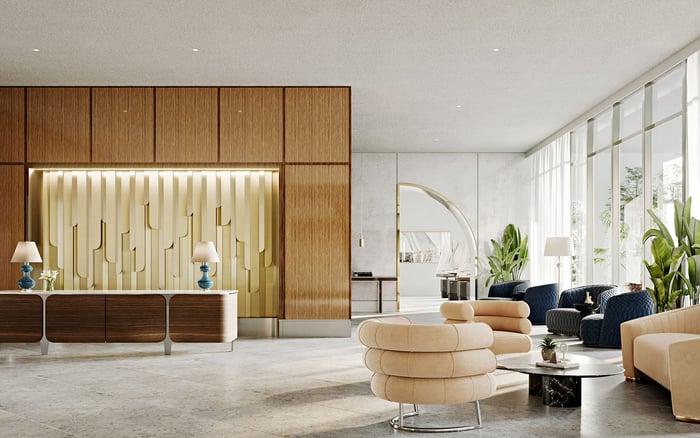
A discreet guide for Manhattan buyers evaluating South Florida residences through service discipline, privacy, staff rhythm, and daily convenience rather than social visibility.
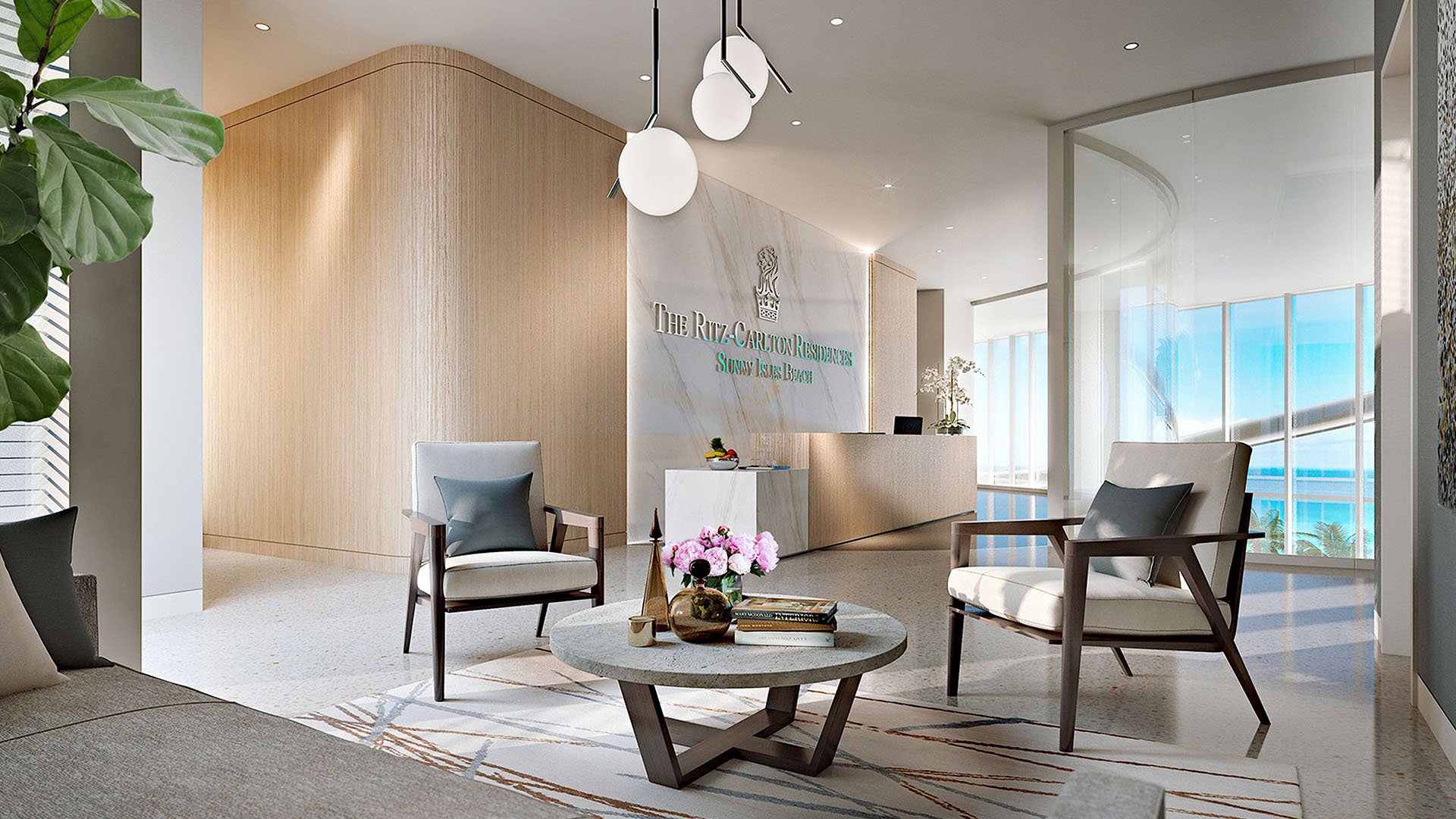
For a Manhattan buyer considering South Florida, the central question is not which address is being discussed at dinner. It is whether the residence will make daily life feel composed. The best home is the one where arrival is seamless, privacy is protected, requests are handled without friction, and the building’s rhythm supports the owner’s schedule rather than competing with it.
Social buzz can be seductive because it is easy to hear. Service precision is quieter. It reveals itself in how a car is received, how staff communicate, how guests are screened, how deliveries are managed, and whether the building feels calm at peak hours. A residence may be beautiful, well located, and widely admired, yet still fall short for the buyer who expects Manhattan-level competence with a South Florida sense of ease.
This is where the search should become more exacting. Before comparing views, finishes, or brand names, define the kind of service environment you want to inhabit. Some buyers want hotel-style recognition and a visible hospitality culture. Others want private-house discretion, minimal interaction, and controlled access. Both can be luxurious. They are simply different operating models.
Manhattan buyers often arrive with highly developed expectations. They know the difference between a polished lobby and a well-run building. They understand that staff culture matters, that elevator performance affects daily mood, and that privacy is not a slogan but a system.
In South Florida, those standards should be translated into practical questions. How does the building manage peak arrival times? Is the front-of-house presence formal, residential, or hospitality-driven? How are vendors coordinated? What is the guest experience from gate, garage, or porte cochere to the residence itself? How much of the lifestyle is dependent on shared amenities, and how much is supported by the private home?
A buyer comparing Brickell residences, for example, may be drawn to the energy of an urban setting. Yet the real test is whether that energy remains outside the apartment door. Projects such as The Residences at 1428 Brickell belong in the conversation not only for skyline living, but for whether a buyer wants proximity, efficiency, and a more metropolitan daily cadence.
Neighborhood selection should begin with lifestyle logistics. Brickell can suit the buyer who wants urban access and a more vertical routine. Miami Beach may appeal to those who prioritize ocean air, dining proximity, and a resort-like daily texture. Sunny Isles Beach often enters the conversation for buyers who want a quieter oceanfront residential profile with a strong high-rise identity. Coconut Grove can appeal to those seeking a softer, greener rhythm and a more residential sensibility.
None of these choices is inherently better. The right one depends on how you move through a week. If you expect frequent guests, study access, parking, and lobby flow. If you travel often, evaluate lock-and-leave confidence. If the residence will be used seasonally, ask how the building manages an owner’s absence and return. If it will be a primary home, study the ordinary hours, not just the golden ones.
In Miami Beach, a buyer considering The Ritz-Carlton Residences® Miami Beach may be weighing the appeal of a branded residential environment against the desire for a more private daily cadence. In Sunny Isles Beach, The Ritz-Carlton Residences® Sunny Isles may enter a similar discussion, but with a different coastal context. The point is not to chase the better-known name. It is to understand the operating personality behind the address.
Amenities are often photographed better than they are managed. A pool, wellness suite, dining room, lounge, or private salon has value only if it is maintained, staffed, and scheduled in a way that supports actual use. The more amenity-rich the residence, the more important the operating discipline becomes.
For Manhattan buyers, this means asking sharper questions. Is the amenity program designed for everyday use or occasional display? Are spaces calm during high-demand periods? Does the staff anticipate owner preferences without becoming intrusive? Is there a clear distinction between resident privacy and guest hospitality?
This is especially important in Branded Residences, where the name may imply a certain standard. A brand can be a useful signal, but it should never replace due diligence. The buyer still needs to understand governance, staffing culture, access protocols, and the lived experience of the building. A service-forward residence should feel intuitive, not theatrical.
Privacy is not only about seclusion. It is about control. A well-chosen South Florida residence should let an owner decide when to be visible, when to entertain, and when to disappear completely. The best buildings make that control feel natural.
Consider practical scenarios. A family member arrives before you do. A guest needs access while you are away. A driver is waiting during a storm. A delivery is time sensitive. A vendor requires coordination. These ordinary moments reveal whether a building is merely polished or truly precise.
For buyers drawn to Coconut Grove, Four Seasons Residences Coconut Grove may be part of a broader discussion about privacy, greenery, and a less frenetic pace. The service question remains the same: does the residence support the life you actually live, or the lifestyle image being sold to you?
A serious purchase process should include a service audit. Visit at different times of day. Observe how staff greet residents they know and guests they do not. Notice whether common areas feel curated or crowded. Ask how owners communicate with management. Study the arrival sequence from the street, garage, or water-facing approach if applicable.
Also consider the emotional residue of the tour. Did the residence make life feel simpler? Did the service feel confident without becoming performative? Did the building create a sense of order? The strongest luxury properties often produce a quiet reaction: nothing felt difficult.
The distinction is increasingly clear. South Florida luxury is no longer only about the most dramatic view or the newest talking point. For the buyer moving from Manhattan, the enduring value is the residence that performs consistently after the first impression fades.
What does service precision mean in a South Florida residence? It means the building handles arrivals, guests, vendors, requests, and privacy with consistency and discretion.
Should Manhattan buyers prioritize branded buildings? Branded Residences can be compelling, but the brand should be evaluated alongside staffing, governance, access, and daily operations.
Is Brickell best for former Manhattan residents? Brickell can suit buyers who want an urban rhythm, but the right choice depends on lifestyle, privacy needs, and tolerance for energy.
How should I compare Miami Beach and Sunny Isles Beach? Miami Beach may feel more socially connected, while Sunny Isles Beach can offer a more residential oceanfront cadence.
Why does Coconut Grove appeal to some New York buyers? Coconut Grove can feel softer and more residential, which may suit buyers seeking calm, greenery, and a less vertical daily mood.
Are amenities less important than service? Amenities matter, but only when they are managed well and genuinely support the owner’s daily life.
What should I observe during a building tour? Watch the arrival sequence, staff communication, guest handling, common-area atmosphere, and how calm the building feels.
How can I judge privacy before purchasing? Ask through real scenarios involving guests, vendors, deliveries, travel periods, and staff access to the residence.
Should social buzz influence the decision? It can provide context, but it should not outweigh service quality, privacy, neighborhood fit, and long-term comfort.
What is the most important final test? Choose the residence that makes your life feel easiest, most private, and most precisely supported.
To compare the best-fit options with clarity, connect with MILLION.
If branded residences are on your mind — as a home or as an allocation — we would be glad to share what we are seeing, privately.
Begin a quiet conversation
.jpg&width=700&height=438&fit=cover)