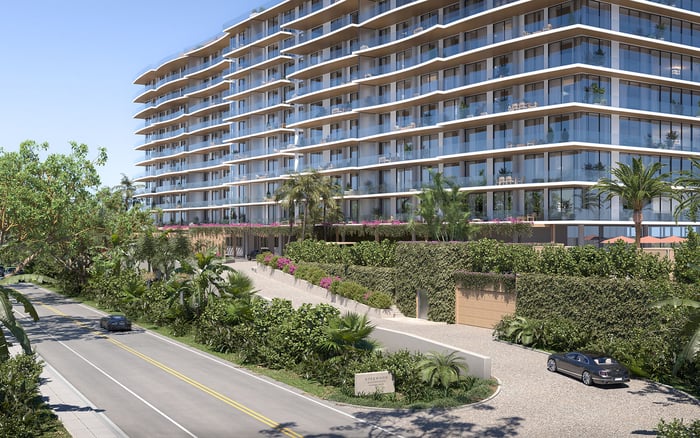
For South Florida private-club members, the condo-versus-estate decision is less about prestige than daily rhythm. Full-service residences simplify lock-and-leave living, while waterfront estates reward privacy, customization, and direct control over the home environment.
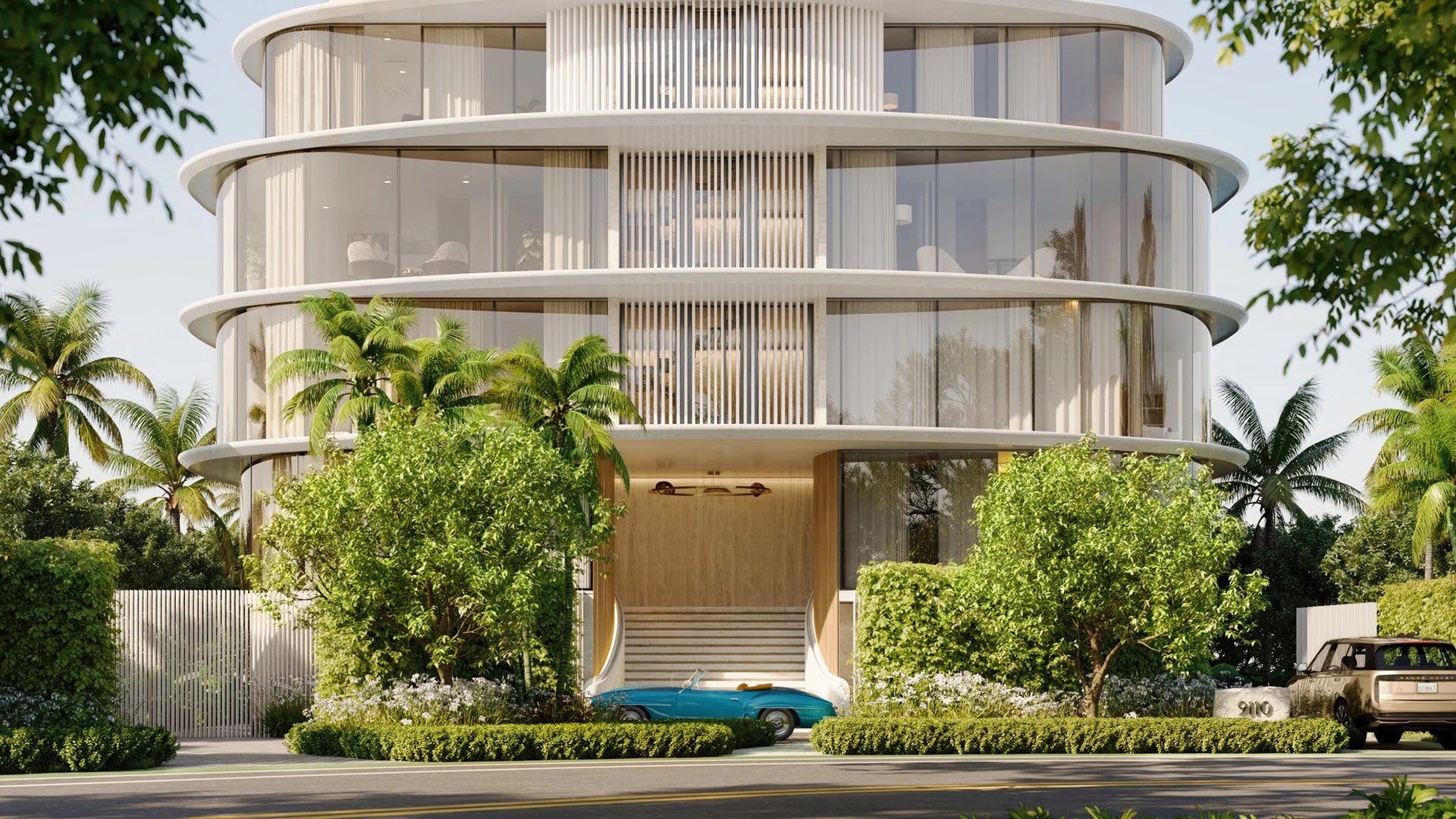
For South Florida private-club members, the property decision is rarely a simple contest between a full-service condominium and a waterfront estate. Both can be prestigious. Both can be beautifully located. Both can support a high-touch lifestyle. The sharper question is which format best protects the buyer’s time, privacy, family rhythm, and relationship with the club.
A full-service condominium answers one kind of luxury need: ease. Staffed arrival, managed amenities, simplified maintenance, and a lock-and-leave structure can make the residence feel like an extension of a private club. A waterfront estate answers another: autonomy. It offers more control over entertaining, household staffing, outdoor living, vehicles, vessels, pets, art, and family space.
In South Florida, the most sophisticated buyers often compare these choices across Miami Beach, Boca Raton, Fort Lauderdale, Palm Beach, Fisher Island, and the barrier-island markets. The answer is deeply personal. A golfer with a seasonal schedule may prioritize convenience. A multigenerational family with boats, staff, and school routines may favor a compound-like setting. The right residence is the one that makes club life easier, not more complicated.
A full-service condo is most compelling when the residence needs to behave like a private suite with the permanence of ownership. For buyers who travel frequently, split time between cities, or use South Florida around club seasons and social calendars, the condominium model can reduce friction. The building absorbs many details that would otherwise require direct management.
This matters for private-club members because the club already occupies a meaningful portion of the day. If mornings begin with tennis, golf, training, dining, or meetings, a residence that minimizes maintenance can feel liberating. The homeowner is not coordinating vendors before a lunch reservation or worrying about a property that sits quiet between visits.
The best full-service residences also create a sense of controlled arrival. Privacy is not only about gates and walls. It is about predictable access, familiar personnel, elevator etiquette, package handling, guest flow, and the confidence that the home is ready when the owner arrives. Buyers considering buildings such as The Residences at Mandarin Oriental Boca Raton are often not merely comparing floor plans. They are evaluating whether a serviced residential environment fits the tempo of their private-club life.
A waterfront estate becomes the stronger choice when privacy, scale, and control are not preferences but requirements. Some households need land, separation, staff areas, guest accommodations, outdoor entertaining zones, and the ability to move between water, pool, garden, garage, and family rooms without sharing common space.
Waterfront living also carries an emotional dimension that a condominium cannot always replicate. The estate owner may want the day to begin with the water immediately outside, not beyond an elevator ride or lobby. For boaters, the question can become even more specific. Boat-slip access, dock configuration, tender storage, and the ease of loading guests or provisions can influence the property decision as much as architecture.
This is where waterfront buyers often lean toward estates and single-family options, particularly if the home must support entertaining before or after club events. A dinner following a tournament, a family weekend with children and grandparents, or a quiet evening after a formal event can all favor the privacy of a standalone residence.
Still, autonomy brings responsibility. Estates need oversight. Landscaping, security, water exposure, household systems, and staffing must be actively managed. For some buyers, that is worth it. For others, it is exactly what they hoped to avoid.
Private-club members should evaluate real estate through the calendar first. How often will the home be occupied? Who uses it when the principal owner is away? Are there children on a private-school schedule? Is the club the daily anchor, or one of several social destinations? Does the household host often, or does entertaining happen mostly at the club?
For a buyer whose South Florida life is structured around frequent travel and limited stays, a condo may support a cleaner routine. For a buyer whose club membership is part of a larger family ecosystem, including school, boating, wellness, entertaining, and visiting relatives, an estate can provide the architecture of a fuller life.
Discretion also has different meanings in each format. In a condominium, discretion is collective: staff protocols, controlled access, and a building culture where residents expect privacy. In an estate, discretion is personal: gates, landscaping, distance from neighbors, private staffing, and control over who enters the property. Neither is automatically superior. The buyer must decide which version feels more natural.
South Florida is not one market in lifestyle terms. A Brickell buyer may value access to dining, business, and vertical convenience. A Miami Beach buyer may be weighing oceanfront living against the calm of a private residence. A Boca Raton buyer may be focused on club proximity, schools, and family continuity. A Fisher Island buyer may place extraordinary value on separation and controlled access.
That is why condominium comparisons should be grounded in lifestyle context. A buyer reviewing The Perigon Miami Beach may be thinking about coastal living in a building format, while someone studying The Residences at Six Fisher Island may be focused on an island residential experience with a distinctly private rhythm. In Fort Lauderdale, a buyer comparing St. Regis® Residences Bahia Mar Fort Lauderdale may also be considering how waterfront access, boating culture, and club life intersect.
Estate buyers make similar geographic calculations, but with more emphasis on frontage, approach, street privacy, neighborhood character, and household logistics. The more a property must function as a family base, the more these details matter.
Start with the household, not the architecture. If the residence will be used by one or two owners for seasonal stays, a full-service condo can be exceptionally efficient. If the residence must absorb children, guests, staff, pets, equipment, vehicles, and boats, the estate model may be more resilient.
Next, map the club routine. A buyer who spends much of the day at the club may not need redundant amenities at home. Conversely, a buyer who entertains privately after club events may need the estate’s space and control. For some, the ideal setup is a condo near the social center of gravity and an estate elsewhere. For others, one perfectly chosen residence is enough.
Finally, consider temperament. Some owners enjoy directing a household. Others prefer the quiet confidence of services already in place. For a buyer weighing serviced living in Fort Lauderdale, the comparison may be less about amenity lists than whether the residence feels composed before arrival. An estate may appeal to those who want every detail to reflect their own standards.
For private-club members, the better choice is the property that reduces the distance between intention and experience. If the goal is effortless arrival, predictable service, and minimal ownership friction, full-service condominium living has a persuasive edge. If the goal is privacy, control, family scale, and a direct relationship with the water, the waterfront estate may be irreplaceable.
The mistake is treating the decision as a status hierarchy. South Florida’s most discerning buyers know that the right answer depends on use. The most valuable residence is not always the largest, newest, or most amenitized. It is the one that makes the owner’s private world feel settled.
Is a full-service condo better for seasonal private-club members? Often, yes. A serviced condominium can simplify arrivals, departures, maintenance, and security for owners who are not in residence year-round.
Is a waterfront estate better for families? It can be, especially when the household needs more bedrooms, outdoor space, staff support, pets, vehicles, or flexible entertaining areas.
Which option offers more privacy? An estate offers more physical control, while a high-quality condo can offer procedural privacy through staffing, access control, and building culture.
Should boaters automatically choose a waterfront estate? Not automatically. Serious boaters should compare dock needs, access patterns, and whether a condominium lifestyle can still support their boating routine.
Do private-club members need duplicative amenities at home? Not always. If the club is the primary venue for sport, dining, and wellness, the home may be better judged on comfort, privacy, and convenience.
How should buyers evaluate location? They should map daily movement between home, club, schools, airports, marinas, dining, and family obligations before comparing property types.
Can a condominium feel as personal as an estate? Yes, if the residence has the right scale, views, service culture, and interior customization. The key is whether it supports the owner’s routine.
What is the biggest drawback of an estate? Management complexity. Landscaping, systems, security, staffing, and waterfront conditions require more active oversight than most condominiums.
What is the biggest drawback of a condo? Shared governance and common spaces. Even the most discreet building requires some acceptance of rules, neighbors, and collective operations.
What is the best way to shortlist comparable options for touring? Start with location fit, delivery status, and daily lifestyle priorities, then compare stacks and elevations to validate views and privacy.
For a discreet conversation and a curated building-by-building shortlist, connect with MILLION.
If branded residences are on your mind — as a home or as an allocation — we would be glad to share what we are seeing, privately.
Begin a quiet conversation