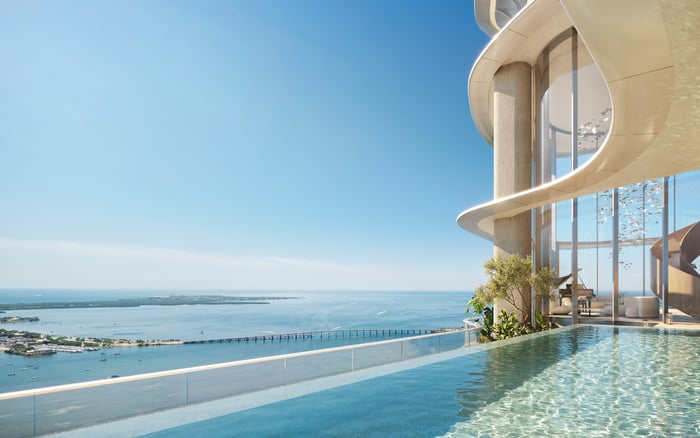
A discreet underwriting guide for family buyers comparing Mr. C Residences West Palm Beach with The Residences at Mandarin Oriental Boca Raton across amenity depth, teen utility, and guest-suite access.
For family buyers comparing Mr. C Residences West Palm Beach with The Residences at Mandarin Oriental Boca Raton, the decision is less about which name carries more polish and more about how each residence performs over a full calendar year. Even the most elegant building can disappoint if the family program is vague, teen areas are undersized, or guest-suite rules become difficult to navigate when grandparents, tutors, friends, or seasonal visitors arrive.
This is where luxury underwriting becomes personal. A buyer is not simply purchasing square footage or a recognizable hospitality flag. The buyer is acquiring a lifestyle system: arrival, privacy, pool time, homework zones, visiting family, service expectations, and the quiet friction points that emerge after the first holiday season. Mr. C Residences West Palm Beach and The Residences at Mandarin Oriental Boca Raton occupy different buyer imaginations, yet both deserve the same disciplined review.
For West Palm Beach buyers, the question often centers on rhythm and convenience. For Boca Raton families, the emphasis may lean toward established routines, longer stays, and multi-generational hosting. Neither assumption should stand without reviewing the actual condominium documents, amenity rules, reservation mechanics, and operating budgets.
Family amenities should be assessed as operating assets, not decorative renderings. A playroom, club room, pool deck, or multipurpose lounge holds real value only if it is available at the right hours, managed with the right level of service, and positioned so children can use it without creating conflict with residents seeking quiet.
The line item labeled pool is not merely recreational. It affects daily life, guest comfort, birthday logistics, summer routines, and weekend congestion. Buyers should ask how family use is handled during peak periods, whether food and beverage rules are formalized, how guests are registered, and whether children’s activity is separated from adult relaxation areas. The best answer is not always the largest amenity footprint; it is the clearest operating model.
Pets also deserve more scrutiny than many buyers give them. A family residence with children, staff, visiting relatives, and animals requires predictable circulation. Elevator rules, service entrances, pet relief procedures, and cleaning responsibilities can shape the ease of daily ownership. In a branded building, the quality of the pet policy can quietly reveal the quality of overall management.
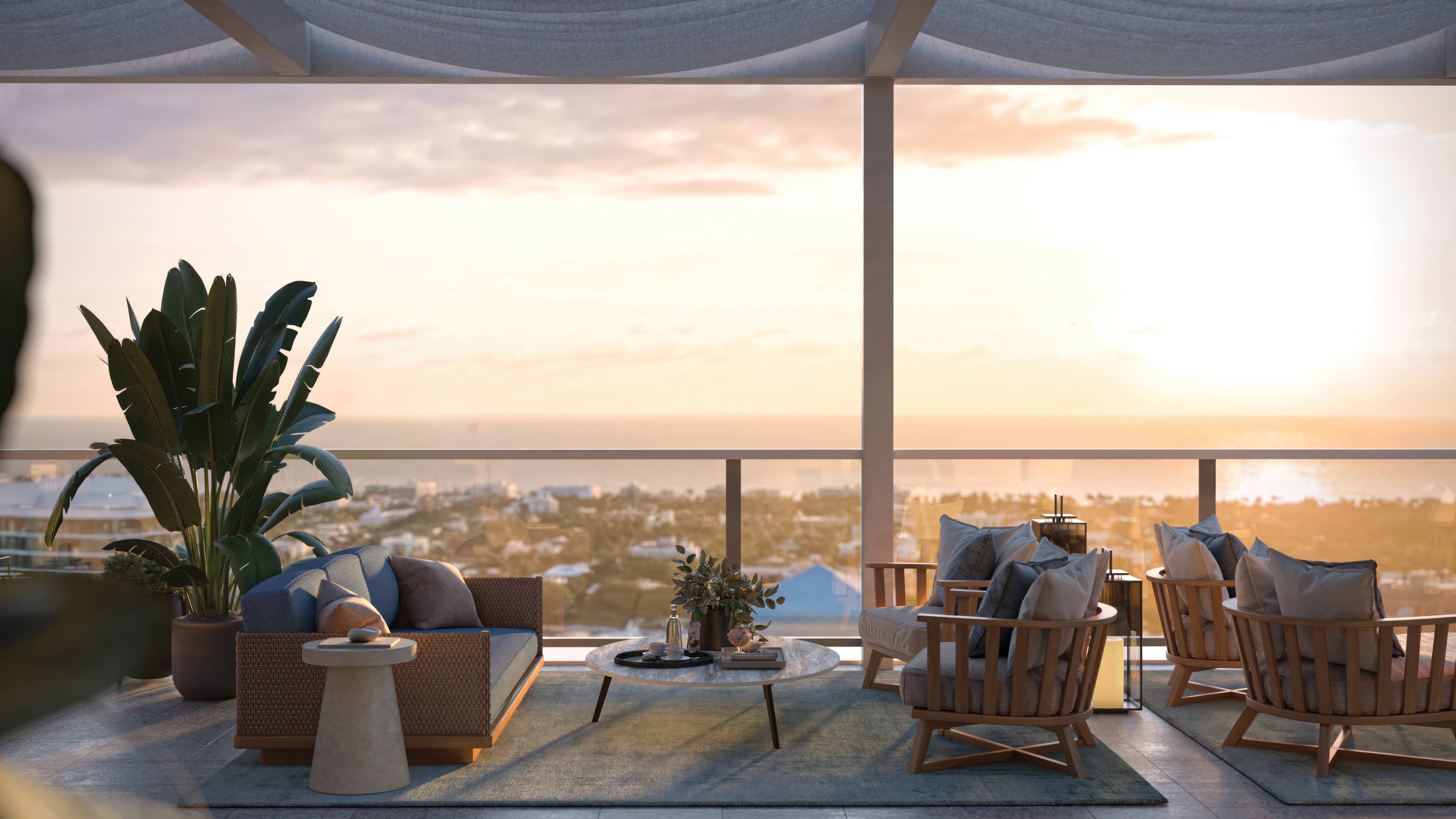
Terrace use is another family-sensitive issue. Outdoor living adds enormous value in South Florida, but buyers should review sound policies, furniture limitations, grilling rules if applicable, child-safety expectations, and storm-preparation obligations. A beautiful terrace that cannot support the way a family actually entertains may be less valuable than a smaller, more usable outdoor area.
Teen amenities are often the most misunderstood element of family-oriented luxury living. Young children need proximity. Teenagers need independence, but not invisibility. The strongest teen spaces provide a sense of ownership while remaining close enough to common areas, concierge oversight, or family circulation to preserve comfort.
When evaluating Mr. C Residences West Palm Beach against The Residences at Mandarin Oriental Boca Raton, buyers should request detailed amenity programming rather than rely on labels. A “teen lounge” can mean anything from a media room to a flexible social area. The underwriting question is whether the space supports real teen behavior: studying with friends, gaming, casual meals, supervised gatherings, and a safe place to spend time without leaving the property.
Adjacency matters. If a teen space sits beside an adult lounge, conflict may be inevitable. If it is too remote, parents may be uncomfortable. If it lacks reservation controls, it may become either underused or overrun. The right balance is discreet supervision, durable finishes, acoustical separation, and clear conduct rules.
Second-home owners should be especially rigorous here. A family arriving for school breaks, long weekends, or seasonal stays needs amenities that work immediately, without a long adjustment period. Teens should understand where they can go, whom they may bring, how late they may stay, and what staff presence exists. That clarity can make the difference between a residence that feels effortless and one that requires constant parental negotiation.
Guest suites, when offered, can materially affect how a luxury condominium lives. They may reduce the need to buy a larger residence, provide overflow capacity for grandparents, and preserve privacy when family friends visit. Yet guest-suite value depends almost entirely on rules, priority, cost, and availability.
Buyers should underwrite guest-suite access with the same care applied to parking, storage, and views. Key questions include how far in advance suites can be reserved, whether owners have equal priority, whether holidays are restricted, how many consecutive nights are permitted, whether housekeeping is included, and what happens if demand exceeds supply. If the answer is informal, buyers should press for written policy.
For families comparing these two branded residences, the issue is not simply whether guest accommodation exists. It is whether the system supports the family’s actual hosting pattern. A buyer with frequent international guests will evaluate access differently from a buyer who hosts grandparents twice a year. A buyer with college-age children may also see guest suites as a flexible buffer when friends visit during school breaks.
The most overlooked point is privacy. A guest suite can be more valuable than an extra bedroom if it allows relatives to remain close while preserving the household’s daily rhythm. Conversely, a poorly governed guest-suite program can create frustration precisely when the family most needs ease: holidays, winter season, and major life events.
A practical comparison should begin with family choreography. Map a normal weekday, a rainy Saturday, a holiday weekend, and a full-house visit. Then test each building against those scenarios. Where do children go after school? Where do teens meet friends? How do guests arrive? Which elevator do staff use? Where does a dog go at 10 p.m.? What happens when the pool is crowded?
Mr. C Residences West Palm Beach may appeal to buyers who want a West Palm Beach residential base with branded service and urban-adjacent energy. The Residences at Mandarin Oriental Boca Raton may appeal to buyers drawn to Boca Raton’s family identity and a hospitality name associated with highly composed service. Those are positioning ideas, not substitutes for document review.
The more sophisticated buyer will compare governance, not glamour. Review association budgets, staffing assumptions, amenity hours, guest policies, children’s rules, transfer restrictions, rental parameters if relevant, and service charges. A family residence should be underwritten not just for the first impression, but for the tenth visit, the first major holiday, and the first time three generations use the property at once.
Luxury family living depends on small frictions being removed before they become visible. Stroller storage, package handling, tutor access, private dining rules, elevator wait times, valet procedures, wet bathing suits in corridors, guest wristbands, pool seating, and late-night teen movement all influence satisfaction. These details rarely define the marketing narrative, but they often define ownership.
Branding can be powerful when service standards are translated into enforceable residential operations. It is less powerful when buyers assume that a celebrated name automatically resolves daily logistics. The best underwriting posture is respectful but exacting: admire the brand, then examine the rules.
For a family choosing between Mr. C Residences West Palm Beach and The Residences at Mandarin Oriental Boca Raton, the strongest decision will come from aligning the building’s operating culture with the household’s real life. If children are young, supervision and play areas may dominate. If teenagers are central, independence and social space become more important. If family visits are frequent, guest-suite access may be the deciding variable.
The premium buyer should not ask which residence has the more alluring amenity narrative. The better question is which residence has the clearer family operating system. Family amenities, teen spaces, and guest-suite access are not secondary luxuries. They shape resale confidence, seasonal satisfaction, and the long-term elegance of daily life.
In this comparison, discipline is the advantage. Ask for the rules. Test the calendar. Walk the amenity path as a child, a teenager, a parent, a grandparent, and a guest. The residence that performs gracefully for all five will usually be the stronger family asset.
What is the main difference to study between these two residences? Focus on how each building’s family amenities, teen areas, and guest accommodations are governed in practice, not simply how they are presented.
Should family buyers prioritize amenity size or amenity management? Management is usually more important. A smaller but well-run amenity suite can outperform a larger program with unclear rules.
Why do teen spaces matter in luxury condos? Teen spaces help older children socialize independently while keeping them within the residential environment and its oversight.
What should buyers ask about guest suites? Ask about reservation windows, owner priority, nightly costs, holiday restrictions, housekeeping, and cancellation rules.
Are pool policies important for resale? They can be. Clear pool rules support family enjoyment and help reduce resident conflict during peak-use periods.
How should pet policies be reviewed? Look at elevator access, relief areas, size or breed rules if any, cleaning obligations, and guest-pet limitations.
Do branded residences automatically offer better family service? Not automatically. The brand matters most when service standards are clearly reflected in staffing, rules, and daily operations.
Can a guest suite replace buying an extra bedroom? Sometimes, but only if access is reliable enough for the buyer’s actual hosting pattern and seasonal needs.
What documents should a buyer review before committing? Review condominium documents, amenity rules, budgets, staffing assumptions, reservation policies, and any guest-use restrictions.
Which buyer profile should look most closely at these issues? Multi-generational families, seasonal residents, and buyers with teenagers should be especially careful with amenity-use details.
For a discreet conversation and a curated building-by-building shortlist, connect with MILLION.
If branded residences are on your mind — as a home or as an allocation — we would be glad to share what we are seeing, privately.
Begin a quiet conversation