A buyer-oriented comparison of Mr. C Residences Boca Raton and The Lincoln Coconut Grove, focused on the practical distinction between branded hospitality service and quieter boutique-residential autonomy.
The choice between Mr. C Residences Boca Raton and The Lincoln Coconut Grove is less about which name sounds more luxurious and more about how a household wants to live after the front door closes. Both belong in the upper tier of South Florida residential decision-making, but they express different philosophies of comfort. One leans into a recognizable hospitality promise. The other favors a quieter, more residential form of discretion.
Mr. C Residences Boca Raton sits on the branded-residence side of the spectrum. Its appeal is immediately legible: a buyer understands the promise before studying every private detail. The name signals service structure, amenity polish, and a lifestyle shaped by hospitality expectations. For some owners, that clarity is the point. It reduces friction, establishes a recognizable standard, and gives the residence an identity that travels easily in conversation.
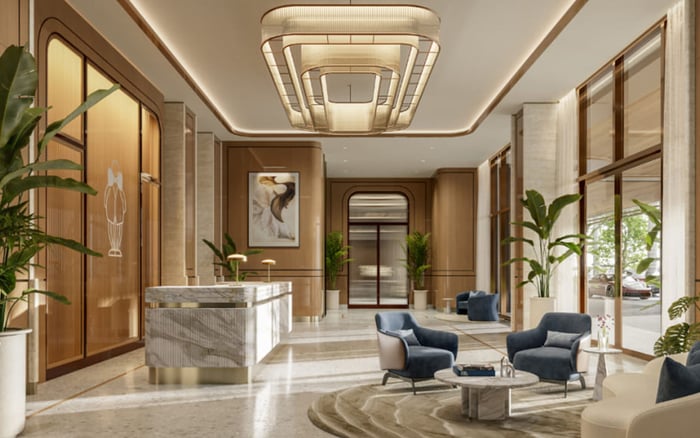
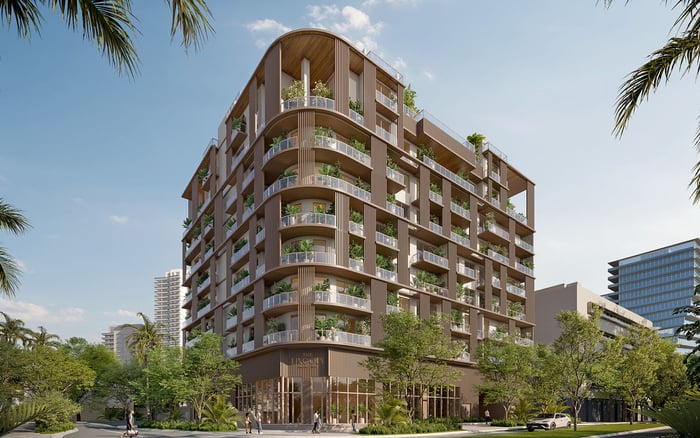
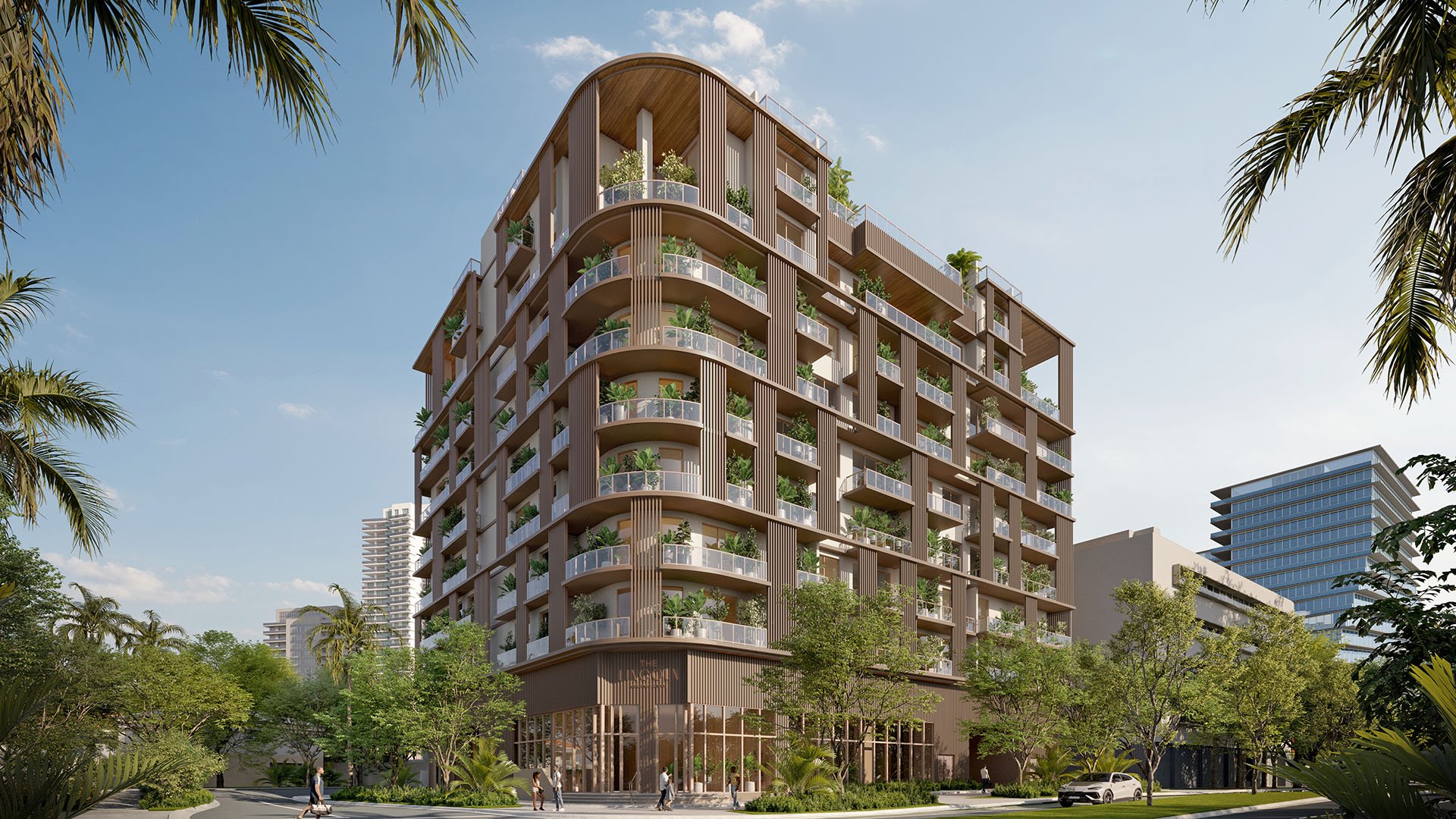
The Lincoln Coconut Grove sits closer to the boutique-residential side. It is framed less as a hotel-inflected address and more as an intimate condominium alternative, where discretion and everyday residential ease carry greater weight. Its appeal is not a louder brand promise, but the prospect of living with fewer performative layers between the household and the building.
For a buyer who values predictability, Mr. C Residences Boca Raton offers a clear emotional proposition. It suggests a managed environment, staffed touchpoints, and the operational polish associated with hospitality. That does not only affect guests. It changes the owner’s daily baseline, from arrival rituals to how questions, requests, and building interactions are expected to be handled.
This model is especially attractive for owners who want luxury to feel externally recognizable. The building’s identity does part of the explaining. A visiting friend, business contact, or extended-family guest can grasp the promise quickly. The residence is not simply private space. It is part of a branded residential ecosystem, with the reassurance that a service culture is intended to organize the experience.
The trade-off is subtle. The more service-forward a residence becomes, the more the household participates in an operating system. That system can be elegant and highly convenient, but it remains a system. Buyers who value consistency may experience that as comfort. Buyers who prefer to improvise their own routines may feel the brand presence more strongly than expected.
The Lincoln Coconut Grove speaks to a different kind of luxury buyer. Its implied promise is quieter: privacy, scale, and residential normalcy rather than a hotel-style brand experience. That can be especially compelling for households with established routines, preferred vendors, family rhythms, or personal staff relationships.
In a more intimate building culture, the owner’s experience may feel less scripted. Daily life can be defined by smaller patterns: how often one interacts with staff, how guests are announced, how deliveries are handled, and how much visibility the household wants within the building. For many buyers, that lower-profile character is not a compromise. It is the luxury.
The Lincoln asks the buyer to accept that less brand apparatus may also mean fewer branded-service cues. The reward is greater household autonomy. This is the model for people who do not need their residence to announce a hospitality standard at every turn. They may prefer a building that supports domestic life without becoming part of the household’s identity.
Service staffing is not an abstract amenity discussion. It appears in ordinary moments. When guests arrive, a service-forward address can create a polished experience from the first interaction. When a vendor needs access, a managed environment can make coordination feel less ad hoc. When seasonal owners return after time away, a hospitality-minded building can offer the reassurance of process.
That is the strength of Mr. C Residences Boca Raton in this comparison. It is better aligned with households that prioritize convenience, predictability, and managed service over maximum autonomy. Buyers who split time between cities, entertain often, or want a residence that feels professionally held together may find the branded model especially compelling.
The Lincoln Coconut Grove, by contrast, may suit owners who prefer to decide how visible, serviced, or choreographed their home life becomes. A household with its own staff, carefully chosen vendors, or a strong preference for privacy may value fewer layers of branded interaction. In this sense, autonomy is not merely the absence of service. It is control over when service enters the picture.
South Florida luxury ownership is tested in unglamorous moments. Guest arrivals, storm preparation, vendor scheduling, deliveries, family visits, and owner governance often reveal more about a building than a brochure can. The right residence is the one whose operating culture fits these moments naturally.
At Mr. C Residences Boca Raton, the buyer is likely drawn to a more managed service rhythm. That can be reassuring during periods when coordination matters, including seasonal transitions or storm preparation. The residence feels connected to a broader expectation of hospitality competence, where the owner can reasonably expect the building to carry more of the organizational burden.
At The Lincoln Coconut Grove, the attraction is the possibility of a more private choreography. A household may want to manage its own vendor sequence, limit staff interaction, or preserve a quieter arrival experience for guests. The building’s boutique feel can make ordinary routines feel less institutional and more domestic.
This is where the comparison becomes personal. A highly social household may appreciate the polished welcome of a brand-led residence. A household that values privacy above convenience may prefer a building that recedes into the background. Neither position is inherently more luxurious. Each reflects a different definition of control.
There is also a psychological difference between Boca Raton and Coconut Grove as residential ideas. Boca Raton often resonates with buyers seeking order, polish, and a refined sense of established luxury. Coconut Grove tends to attract those who appreciate a more textured, residential, and quietly individual atmosphere.
That distinction matters because buildings do not exist in isolation. Mr. C Residences Boca Raton feels coherent for a buyer who wants a hospitality-branded interpretation of South Florida luxury living. The Lincoln Coconut Grove feels coherent for a buyer who wants the condominium experience to remain more intimate and less externally defined.
For some households, new construction is less about being first and more about choosing an operating style that will age well with them. A second-home buyer may prefer Mr. C because it reduces the cognitive load of ownership. A full-time resident with established routines may prefer The Lincoln because it allows daily life to feel more self-directed.
The most useful question is not which project is better. It is which one reduces friction for the way the household actually lives. If the buyer wants a recognizable luxury standard, a staffed sense of readiness, and a service-forward environment, Mr. C Residences Boca Raton has the clearer fit.
If the buyer wants discretion, fewer branded cues, and more control over the household’s daily patterns, The Lincoln Coconut Grove is the more natural answer. Its boutique appeal is not about being smaller for its own sake. It is about prioritizing privacy and residential normalcy over a hotel-like experience.
A disciplined buyer should test the decision against five scenarios: a guest arriving without the owner present, a private chef or vendor needing access, a storm preparation period, a family member staying for several weeks, and a governance issue that requires owner participation. In each scenario, the preferred answer will usually become obvious.
The branded residence solves for polish. The boutique residence solves for autonomy. The best choice is the one whose operating culture feels invisible because it fits so well.
Is Mr. C Residences Boca Raton the more service-forward option? Yes. In this comparison, it is positioned around branded hospitality, managed service, and operational polish.
Is The Lincoln Coconut Grove more private? It is framed as the quieter boutique-residential alternative, with a stronger emphasis on discretion and household autonomy.
Which is better for a frequent traveler? Mr. C may suit frequent travelers who value predictable service and a more managed ownership experience.
Which is better for a full-time resident? The Lincoln may appeal to full-time residents who prefer control over routines, vendors, and staff interaction.
Does a branded residence always mean better luxury? No. A brand can clarify service expectations, but some buyers prefer luxury that is quieter and less externally defined.
Does The Lincoln require giving up service? Not necessarily. The trade-off is more about less branded-service structure and more residential autonomy.
Which project is better for entertaining guests? Mr. C may feel more polished for guest arrivals, while The Lincoln may feel more private and personal.
How should buyers think about staff interaction? Buyers should decide whether they want staff presence to organize daily life or remain more selectively involved.
Is this mainly a Boca Raton versus Coconut Grove decision? Partly, but the deeper decision is between hospitality-driven convenience and boutique-residential independence.
What is the simplest way to choose between them? Choose Mr. C for managed predictability and The Lincoln for discretion, privacy, and household control.
To compare the best-fit options with clarity, connect with MILLION.
If branded residences are on your mind — as a home or as an allocation — we would be glad to share what we are seeing, privately.
Begin a quiet conversation