A buyer-focused comparison of The Lincoln Coconut Grove and Mr. C Residences Boca Raton, centered on service expectations, privacy, guest flow, and the everyday operational questions that shape ownership.

The Lincoln Coconut Grove vs Mr. C Residences Boca Raton is not simply a question of Miami versus Boca Raton, or boutique versus branded. For a serious luxury buyer, the more useful comparison is how each property is likely to function on an ordinary Tuesday morning, during peak-season guest traffic, after a late dinner, or when deliveries, household staff, and visiting family arrive at once.
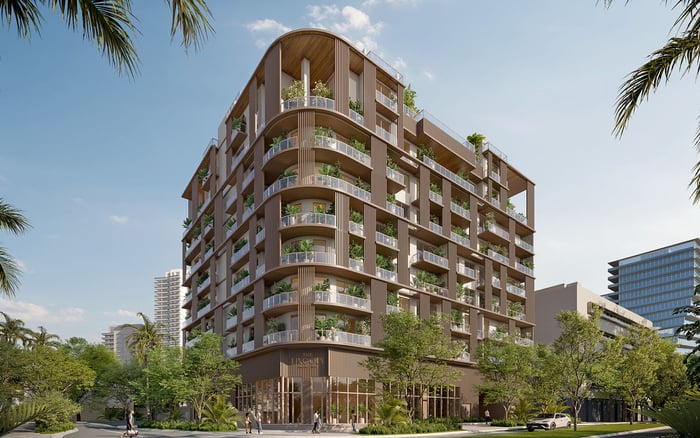
The Lincoln Coconut Grove is best understood as a boutique, low-density residential option in Miami’s historic Coconut Grove. Its appeal is tied to neighborhood-integrated living, smaller scale, and the possibility of a quieter daily rhythm. Mr. C Residences Boca Raton, by contrast, is positioned as a branded, hotel-inspired residence where service, wellness, food-and-beverage, and social programming are central to the ownership experience.
That difference does not make one property inherently superior. It makes them suited to different temperaments. The buyer who prizes discretion may prefer fewer shared spaces, fewer casual encounters, and less amenity traffic. The buyer who wants convenience, hospitality, and a more programmed seasonal lifestyle may see that activity as part of the value.
At The Lincoln Coconut Grove, privacy begins with the boutique premise. A smaller, more residential format can mean fewer resident interactions, less elevator demand, quieter common areas, and a more discreet pattern of arrivals and departures. For buyers who want their residence to feel embedded in Coconut Grove rather than staged as a resort environment, that restraint is meaningful.
The more precise way to evaluate The Lincoln is through daily-use questions. How visible is the lobby from the street? How many people are likely to pass through the entry during school drop-off hours, dinner hours, or weekend afternoons? How are packages received and stored? How familiar is the staff likely to become with residents, repeat guests, drivers, and household employees?
This is where the property’s likely strength comes into focus. The Lincoln Coconut Grove may be especially compelling for a primary-residence buyer who values walkability, routine, and the feeling of returning home quietly. In market shorthand, the decision often sits within Coconut Grove, boutique, and new-construction considerations, but the real distinction is less about labels and more about lived calm.
Service should still be examined closely. A boutique building can feel personal and efficient, but buyers should not assume it will operate like a hotel. Valet coverage, security protocols, package receiving, housekeeping referrals, and staff continuity all matter. The question is not whether the service menu is long. The question is whether the services a resident will use every week are executed reliably and discreetly.
Mr. C Residences Boca Raton moves from quiet residential understatement into a more hospitality-shaped ownership model. Its identity is branded and hotel-inspired, with buyer expectations formed around service-forward living and amenity programming. For owners who divide time between homes, entertain guests, or want an easier seasonal routine, that can be a major advantage.
The appeal is not merely that there are more services. It is that the residence is designed to support a lifestyle where wellness, food-and-beverage, social spaces, and convenience are part of the daily vocabulary. For a second-home buyer, that can make the transition into season feel smoother. Arrive, settle in, use the amenities, host friends, and rely on the property infrastructure to remove friction.
Privacy here is a different calculation. It depends less on small-building discretion and more on management. How are branded amenities separated from resident-only areas? How are non-resident visitors handled? What is the procedure for event activity, guest access, deliveries, household staff, and amenity reservations during peak season? These details determine whether a service-rich building feels polished or busy.
For the buyer drawn to Boca Raton as a luxury lifestyle base, Mr. C may offer the kind of energy that makes ownership feel active rather than isolated. The tradeoff is that social ease and hospitality programming can bring more movement through the property. A buyer should decide whether that movement feels desirable, tolerable, or contrary to the way they want to live.
The central tradeoff is service breadth versus discretion. The Lincoln leans toward quiet boutique living, with privacy shaped by smaller scale and neighborhood context. Mr. C leans toward branded hospitality, with the ownership experience shaped by services, amenities, and a more programmed residential lifestyle.
A privacy-first buyer should resist the assumption that a longer amenity list is automatically better. Fewer shared spaces can mean fewer visitors, fewer staff handoffs, and fewer reasons for the building to feel animated. In that context, restraint is not a deficiency. It is a feature.
A service-first buyer should be equally careful not to mistake discretion for convenience. If the expectation is hotel-like support, resort-style services, easy hosting, wellness access, and social energy, then a quieter boutique property may feel too limited. The best property is the one whose operational rhythm matches the owner’s habits.
For both properties, the paper review should go beyond floor plans and finishes. Current HOA fees, price per square foot, rental rules, staffing rosters, and operating policies should be independently verified before purchase. These are not administrative footnotes. They define the cost, flexibility, and lived experience of ownership.
Buyers should ask to understand valet timing, elevator access, service entrances, visitor registration, pet rules, package rooms, household-staff protocols, and amenity reservation systems. In a boutique building, the emphasis may be on consistency and discretion. In a branded residence, the emphasis may be on access control, guest flow, and how amenity demand is managed when the building is most active.
The most revealing tour is not always the one scheduled at the quietest hour. Visit when residents are arriving home, when packages are being handled, when guests are checking in, and when amenities are in use. Luxury is felt in those transitions.
The Lincoln Coconut Grove is likely the stronger fit for the buyer who wants a refined primary residence, neighborhood texture, and lower daily exposure. Its value proposition is subtle: fewer interruptions, fewer crowds, and a setting that supports private routines.
Mr. C Residences Boca Raton is likely the stronger fit for the buyer who wants a branded lifestyle residence with hospitality, social amenities, and a more service-forward environment. Its value proposition is convenience and atmosphere, especially for owners who want their South Florida home to feel effortless in season.
Neither answer is universal. The right decision depends on whether the owner wants to be quietly absorbed into a neighborhood or actively supported by a hospitality ecosystem.
Is The Lincoln Coconut Grove more private than Mr. C Residences Boca Raton? It may feel more private for buyers who value smaller scale, fewer shared spaces, and quieter resident circulation.
Is Mr. C Residences Boca Raton more service-oriented? Yes. It is positioned as the more service-forward, branded hospitality option in this comparison.
Which property is better for a primary residence? The Lincoln may suit a primary-residence buyer who prioritizes calm routines, walkability, and neighborhood integration.
Which property is better for a seasonal owner? Mr. C may suit a seasonal or lifestyle-driven buyer who wants hotel-like convenience and social energy.
Are more amenities always better for resale or ownership? Not necessarily. For privacy-focused buyers, fewer amenities and fewer visitors can be part of the appeal.
What should buyers ask about The Lincoln’s service model? Ask about valet, security, package handling, housekeeping referrals, and how familiar staff become with residents.
What should buyers ask about Mr. C’s privacy controls? Ask how visitors, events, deliveries, household staff, and amenity reservations are managed during peak season.
Should HOA fees and rental rules be verified? Yes. Current HOA fees, rental rules, price per square foot, staffing, and policies should be independently reviewed.
Does branded hospitality reduce privacy? It can add activity, but privacy depends on how guest access, staff flow, and resident circulation are controlled.
What is the core buyer decision? Choose The Lincoln for quieter boutique discretion, or Mr. C for broader service and a more programmed lifestyle.
For a confidential assessment and a building-by-building shortlist, connect with MILLION.
If branded residences are on your mind — as a home or as an allocation — we would be glad to share what we are seeing, privately.
Begin a quiet conversation