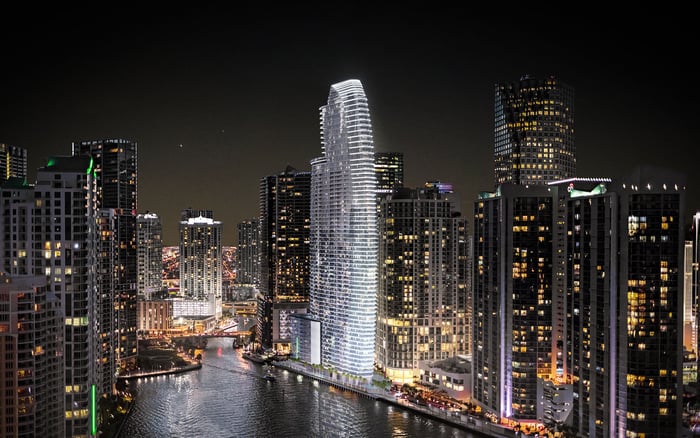
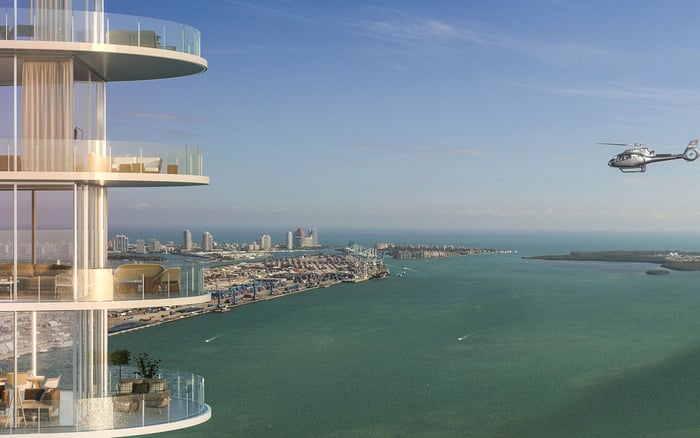
Miami's luxury pre-construction market runs on staged deposits that function both as construction capital for developers and as strategic tools for global buyers. Rather than a single down payment at closing, high profile towers in Downtown, Brickell and across the coastline rely on 30-50% deposits spread over several years. Understanding how these schedules are structured, how escrow operates under Florida law and where there is room to negotiate timing or percentages is essential for anyone wiring seven or eight figures into a tower that is still on the drawing board.
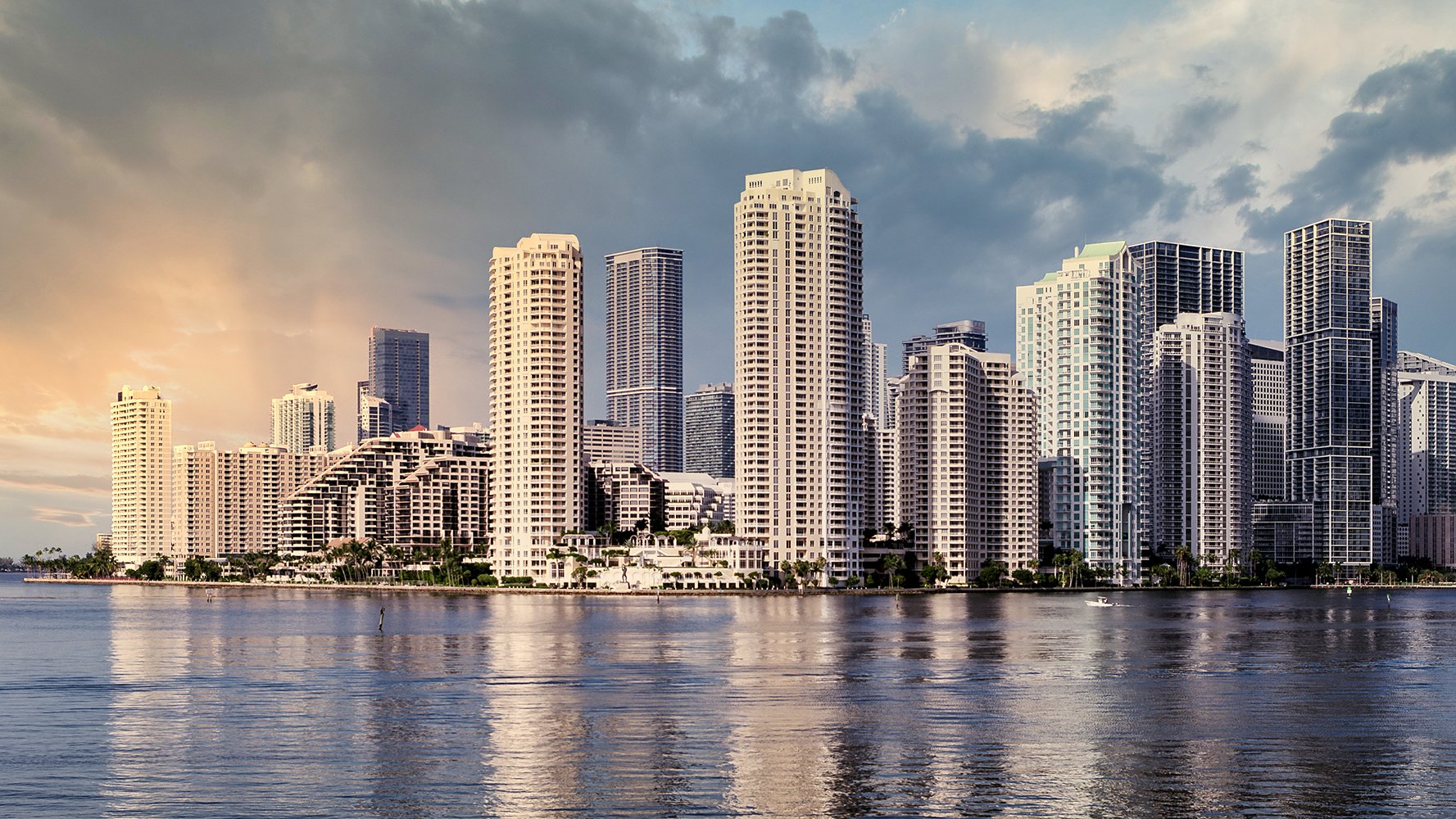
In Miami, buying a best in class residence before it exists is not a simple matter of signing a contract and arranging a mortgage. At the top of the market, pre-construction purchases are structured around a series of deposits that unfold over several years. These deposits are more than a down payment. They are the financial architecture that lets a tower move from rendering to reality, and they are one of the most important levers a sophisticated buyer can control.
In most luxury developments, buyers commit between 30 and 50 percent of the purchase price before delivery. Those funds, released in stages from escrow, sit alongside developer equity and bank financing as part of the capital stack. In Florida, once the first portion is protected in escrow, later deposits can often be deployed directly into land acquisition, construction and soft costs. In effect, early buyers are underwriting part of the project in exchange for early access, preferred lines, and pricing that can look attractive by the time the building opens.
For globally mobile families, family offices and private investors, that structure creates both opportunity and obligation. The opportunity is to secure a singular residence in a building like Waldorf Astoria Residences Downtown Miami or Aston Martin Residences Downtown Miami long before it hits the resale market. The obligation is to stage liquidity, manage currency and understand exactly how each deposit is protected. That is why, at this level, the deposit schedule becomes as central to the conversation as the view or the designer.
Every tower writes its own script, but most Miami luxury developments follow a familiar rhythm. By the time you reach closing, you will often have placed 30-50 percent of the purchase price in deposits, with the balance due when the residence delivers. A typical framework might look like this for a prime residence in Downtown or Brickell:
Taken together, these stages typically bring a buyer to around 30-40 percent paid prior to completion, and occasionally closer to 50 percent in highly sought after launches. For illustration, a developer might structure deposits on a 5 million dollar residence as 20 percent at contract, 10 percent at groundbreaking, 10 percent twelve months later and 60 percent at closing, mirroring the approach seen in several flagship launches on Biscayne Bay. The final 60 percent is then paid at closing, whether in cash, with a mortgage, or with a combination of both.
Market conditions, branding and location all influence how aggressive that schedule becomes. In exuberant cycles, when inventory in Brickell or the beachfront is scarce and international demand surges, developers can comfortably ask for 40 or even 50 percent in total deposits. In more measured moments, especially for projects that are just coming to market, it is increasingly common to see total requirements reduced into the 30 percent range to keep buyers liquid without adjusting headline prices. For a 5 million dollar residence, the difference between a 50 percent and a 30 percent total deposit is a full 1 million dollars of additional capital that can remain invested elsewhere during the build.
For buyers at this level, the question is not simply whether the total deposit is 30, 40 or 50 percent. The more meaningful question is how that deposit is sequenced and how it interacts with your personal balance sheet, global business interests and Investment strategy. When viewed correctly, the schedule is a planning tool that can be aligned with liquidity events, portfolio rotations or the sale of existing real estate.
There are several ways sophisticated buyers quietly optimize within the standard structures developers publish. One is to negotiate timing at the margins, within the framework the lender has already approved. For example, an early buyer who is willing to take a larger line in a particular stack might request that an intermediate deposit be pushed closer to top off rather than immediately after groundbreaking. Another is to align deposit dates with known exits, such as the sale of a business, a bond maturity or a planned divestment in another market, reducing the need to liquidate assets under pressure.
Project selection is equally strategic. Some buyers prefer launches where deposits are more heavily weighted toward later construction phases, even if the total remains similar. Others like a front loaded structure that lets them place a significant sum early and then carry minimal exposure until closing. Branded developments such as Mercedes-Benz Places Miami have appealed to design conscious buyers who value both the brand story and a deposit calendar that reflects the realities of a multi year build. In all cases, the objective is the same: to secure the right residence without allowing the deposit schedule to dictate your broader financial decisions.
The other side of the equation is protection. In Florida, the first 10 percent of deposits on a Pre-construction condominium purchase is typically held in a dedicated escrow account and cannot be released to the developer until certain conditions are met. Beyond that threshold, additional deposits may be available to fund construction if the contract clearly discloses how those funds will be used. In practice, this means that a significant portion of what you wire during the construction phase is being transformed directly into land, concrete and glass.
Because of this structure, the choice of developer and the quality of the contract matter. Buyers should expect clarity on where each deposit will sit, when it can be drawn and what security is provided, whether in the form of a completion guarantee, surety bond or lender oversight. Experienced developers with long track records of delivering towers on time and to specification tend to have robust processes, transparent reporting and lenders that insist on proper controls over escrow accounts. Less experienced sponsors can still succeed, but they warrant deeper questions and a more defensive posture.
It is also important to understand how deposits interact with construction financing. Lenders often require that a developer achieve a defined percentage of pre sales, with deposits actually collected, before funding a loan. In that sense, your deposits are part of the equity stack that gives the bank confidence to release hundreds of millions of dollars. A tower in Downtown may need to reach 50 percent of units under contract before its construction loan can be fully drawn. That alignment of interests usually works in the buyer's favor, but it underscores why independent legal counsel and meticulous due diligence are non negotiable.
Deposit requirements are not just a line in your contract; they are also a quiet market signal. When a new launch in Sunny-isles or Miami-beach confidently asks for 50 percent in deposits and achieves it, it is a sign of depth in that specific segment. When multiple projects adjust down from 50 percent to closer to 30 percent, it often reflects a desire to keep sales velocity strong as global conditions shift rather than a lack of conviction in the long term story.
After the global financial crisis, Miami developers imported what many called the Latin American model, with some early cycle projects asking buyers for 60 to 80 percent before completion. Over time, both developers and buyers discovered that a more balanced 50 percent standard, and later a 40 percent or 30 percent standard in select launches, created a healthier equilibrium. Today, a buyer comparing options between Downtown and Brickell can read the deposit language as one more piece of market data, alongside price per square foot, absorption and the quality of the sponsor.
For private clients, the practical lesson is straightforward. Treat the deposit schedule as a design element of the transaction, not a footnote. Ask how it compares to peer buildings, whether the structure is lender driven or a marketing decision and where, if at all, there is room for adjustment. A thoughtful negotiation on timing or percentages, carried out early with experienced counsel, can result in a calmer, more predictable capital commitment over the life of the project.
What is a typical pre-construction deposit schedule in Miami?
Most luxury pre-construction towers in Miami ask buyers to place roughly 30-50 percent of the purchase price in deposits before closing, spread across reservation, contract, groundbreaking, top off and a final pre closing installment. The remaining 50-70 percent is paid at closing, often with a mortgage or a mix of cash and financing. Exact percentages vary by project, sponsor strength and market tone, so it is important to review each building's offering documents in detail.
Can I negotiate the deposit structure on a luxury condo?
Developers are disciplined about total deposits because lenders rely on them, but there is sometimes flexibility around timing, especially for early buyers or for larger commitments in a preferred line. Adjustments might include shifting a payment closer to completion, combining two smaller installments or tailoring dates to match a known liquidity event. Any variation must still satisfy the building's lender, so expectations should be realistic and negotiations should be handled through your broker, attorney and the sales team rather than informally.
How safe are my deposits if the project is delayed or canceled?
Under Florida law, the first 10 percent of deposits is generally held in escrow and kept separate from construction funds. Additional deposits may be used to build, which is why the sponsor's track record and the specifics of the escrow agreement are so important. Contracts typically outline under what circumstances a buyer can receive a refund, such as if a project fails to meet defined milestones or is canceled. Independent legal advice is essential, and no buyer should rely on marketing language alone when evaluating risk.
When should I arrange financing for a pre-construction purchase?
Because closings are often several years away, many buyers focus first on the deposit schedule and only formally lock financing closer to delivery. That said, it is wise to speak with your lender early, understand current underwriting standards for high value condominiums and stress test how interest rate shifts could affect your strategy. By the time you reach the final pre closing deposit, you should have a clear path for funding the balance at closing, whether through a mortgage, portfolio credit line or cash.
Is buying pre-construction in Miami better as an Investment or as a second home decision?
For most private clients, the answer is a blend of both. The right residence in the right tower can serve as a long term lifestyle asset while also aligning with a broader Investment thesis on Miami's growth. What matters is not only appreciation potential but also how comfortably you can meet the deposit schedule, withstand market cycles during construction and hold the property through several cycles if needed. For a confidential review of options and deposit strategies tailored to your objectives, a dedicated advisor at MILLION Luxury can help you navigate the next generation of Miami's skyline.
If branded residences are on your mind — as a home or as an allocation — we would be glad to share what we are seeing, privately.
Begin a quiet conversation