For buyers who plan to live on the water, Palm Beach real estate is as much about the dock as it is about the front door. This guide reframes waterfront shopping through a boater’s lens: how pier style, basin protection, and access can shape day to day usability, privacy, and long term value. Because requirements and approvals can vary by municipality and property, we focus on practical questions to ask, documents to request, and specialists to engage before you fall in love with a view.
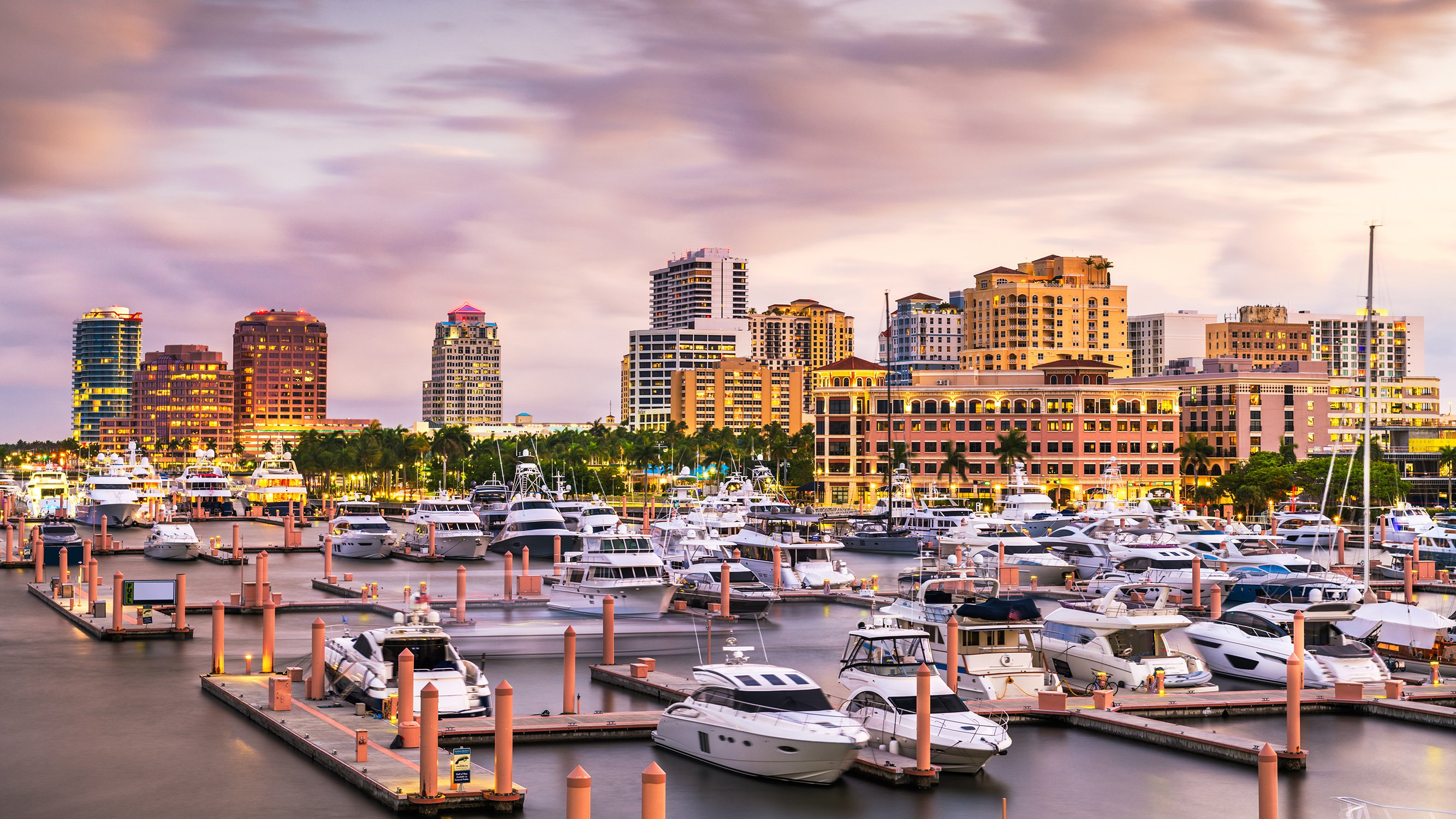
Waterfront estates in Palm Beach are often marketed for their light, views, and effortless indoor to outdoor living. For boaters, the real test is simpler and more demanding: does the property operate as a working waterfront. A pier can photograph beautifully and still feel impractical at low tide, exposed in prevailing winds, or constrained by rules that limit what you can add later.
In day to day ownership, the dock is not an accessory. It is a daily gateway, a staging area, and a piece of infrastructure that deserves the same diligence you would apply to a roof, a foundation, or a mechanical system.
If you are comparing opportunities across Palm Beach and West Palm Beach, begin by separating lifestyle desire from operational reality. Ask how you actually boat.
Your answers determine what to prioritize: protected water, a straight approach, adequate depth nearby, or flexibility to modify the dock over time.
Because rules, permitting, and maintenance responsibilities can vary by municipality and even by property, treat every waterfront listing as a starting point. Assume nothing is guaranteed until you verify it in writing, confirm what is allowed, and understand what must be maintained.
In everyday conversation, “dock” can refer to almost any waterside structure. In luxury buying, the distinctions matter because they shape usability, maintenance, and your ability to adapt the waterfront over time.
A fixed pier is typically a stable walkway that can feel architectural, like an extension of the estate. It often presents clean lines and a sense of permanence. The tradeoff is that fixed structures can be less forgiving when water levels change, and boarding may feel different across tides.
A floating dock rises and falls with the tide, which can improve boarding comfort and day to day practicality. Depending on the setting and design language of the home, some buyers love the function while others prefer the visual weight of a fixed pier.
A “slip” is best understood as a parking space for a boat. It is defined by where the vessel sits and how it is secured, whether by lines, pilings, or a lift. A boat slip can be part of a private dock behind the residence, or it can be located at a marina, which introduces its own rules, access patterns, and shared expectations.
When evaluating a property, translate marketing language into verifiable use cases. If a listing mentions “boat ready” or “yacht friendly,” ask what that means in practical terms.
The goal is not to challenge the listing. It is to define the difference between a beautiful waterfront backdrop and a waterfront that actually works.
An estate can have a magnificent dock and still feel frustrating if access is complicated. Think in terms of approach, turning room, and the confidence level required to come and go in less than perfect conditions.
Start with the route. Your captain or broker can help you evaluate whether the path to open water is straightforward, whether there are narrow segments that demand slow speed and patience, and whether you will routinely encounter traffic at the times you prefer to cruise. You do not need to be a navigator to ask good questions. You only need to picture leaving the dock with friends aboard and returning when wind, wake, or visibility changes.
Then consider how you will live with the dock, not just how it looks on a showing day.
Parking and arrival: If you intend to host, where do guests arrive, and how do they reach the dock without crossing private family zones?
Staging: Is there a clean, practical place to load provisions, towels, and gear without turning the home into a corridor of wet bags and hardware?
Visibility: Can you see the boat from key interior rooms? For some owners, that view is part of the joy. For others, it is a security and privacy concern.
Noise: Boats create sound and water reflects sound. If you are sensitive to it, evaluate how the dock sits relative to bedrooms, outdoor dining, and the spaces where you will actually relax.
Daily usability is the difference between a waterfront purchase that feels effortless and one that becomes a project.
Some buyers assume a private dock is always superior. It can be, but it is not automatically the best answer for every lifestyle.
A private dock is immediate and intimate. It gives you direct access and a sense of control. It also places responsibility on the owner. That means ongoing attention to hardware, pilings, decking, lighting, and safety. It can also mean constraints on what you can change, depending on approvals and environmental considerations.
A marina can simplify ownership. Staff may assist with docking, provide basic oversight, and offer services that make boating feel closer to valet parking than property management. In return, you accept shared rules, limited customization, and the social reality of a community setting.
Across Palm Beach and West Palm Beach, many sophisticated owners take a blended approach: a discreet private dock for a smaller day boat, plus a marina relationship for larger vessels or seasonal flexibility. If you are considering that strategy, be honest about how often you will truly use each option and whether the convenience justifies the operational complexity.
Luxury is not only the boat. Luxury is also the friction level of ownership.
Waterfront due diligence is different from standard home buying because you are evaluating both a residence and marine infrastructure.
Request whatever documentation exists for the dock, seawall, and prior waterfront work. In an ideal scenario, you will see permits, plans, and records of repairs. If those items are not available, treat the absence as a reason to investigate further, not as an automatic deal breaker. The purpose of diligence is clarity.
Bring specialists in early. A qualified marine contractor can flag aging components and deferred maintenance. A surveyor can help you understand practical constraints and risk factors. Your attorney can help interpret rights, restrictions, and any obligations that run with the property.
Use questions that are specific and assumption free.
If the property includes a lift, ask what it is designed to handle and whether it has been maintained. If it includes power and water, ask whether those systems are functional and permitted.
Be cautious with verbal assurances. Waterfront purchases reward buyers who verify details in writing.
Function matters, but so does cohesion. The best docks feel inevitable: aligned with the architecture, supportive of hospitality, and calm in how they present from both land and water.
A useful framework is to treat the dock as an outdoor room with marine grade requirements.
Circulation: Create a clean path from the home to the dock, with clear edges and safe lighting so arrivals feel confident at night.
Seating and shade: If you plan to linger, think about comfort and restraint. A simple place to sit can elevate the space, provided it respects what is allowed.
Storage: Fenders, lines, and water toys should have a discreet home. Visual clutter quickly undermines an otherwise polished waterfront.
Safety: Surfaces should provide traction. Ladders and water access should make sense for swimmers and for anyone boarding with limited mobility.
Privacy: A waterfront estate can still feel exposed from the water. Landscaping, lighting choices, and dock orientation can help reduce visibility without turning the property into a fortress.
Many owners only appreciate these details after living on the water. If you are purchasing as a second home, simulate the moments that will define ownership: arriving after dark, departing with guests, returning after a long day, and moving between terrace and dock when you are hosting.
The right dock does not ask you to adjust your lifestyle. It supports it.
Waterfront ownership in South Florida comes with seasonal weather and higher exposure to the elements. Even when design is impeccable, salt, sun, and storms demand a maintenance mindset.
Focus on resilience, not fear.
Maintenance planning: Assume an ongoing schedule for inspections and repairs. Budgeting for that is part of responsible luxury ownership.
Hardware and materials: Marine environments are unforgiving. Choose components intended for coastal conditions and keep documentation for servicing.
Storm preparation: Your plan should address what happens to the vessel, dock equipment, and exterior furnishings when a major system approaches. If you use a marina, clarify how your insurance and marina policies interact.
Insurance and risk: Coverage can vary widely. Review waterfront specific considerations with your broker early so you understand what is realistic and what may require mitigation.
A waterfront estate is a lifestyle asset. Protecting it requires systems, vendors, and clear procedures that are practiced, not improvised.
The Palm Beach waterfront lifestyle often centers on gracious entertaining that feels effortless. A dock can become a second front door, which is powerful and also delicate. Done well, it elevates hospitality. Done poorly, it can expose private life.
Consider a few privacy forward choices.
Separate arrival zones: When possible, create a guest path that avoids private bedrooms and family spaces. The best entertaining flow protects the household without making guests feel managed.
Control sightlines: Thoughtful lighting and landscaping can reduce visibility from passing water traffic, especially at night when interior light can reveal more than you expect.
Noise management: Outdoor audio travels farther over water than many owners anticipate. Responsible hosting protects your relationship with neighbors and preserves the sense of ease that defines true luxury.
Service flow: If you entertain often, consider how catering, deliveries, and staff move between kitchen, terrace, and dock. The goal is a natural rhythm that does not interrupt the experience.
When shopping, do not only ask whether a home has a dock. Ask whether the dock supports your preferred style of hosting with the privacy you require.
Even when your search is focused on a single family waterfront estate, it can help to keep one benchmark in mind for the broader luxury ecosystem. For reference, explore Aman Palm Beach Residences as a neutral touchstone for the caliber of service and discretion many buyers aim to mirror in their private waterfront routines.
The goal is not to substitute a condo lifestyle for an estate lifestyle. It is to clarify your personal standard. Do you expect seamless arrivals, secure access, and staff level reliability? If so, your dock, vendors, and operational plan should be selected to deliver that same feeling.
For buyers coming from other South Florida markets, including Miami, this mindset can be especially helpful. The address matters, but the operating standard matters just as much.
A disciplined waterfront buyer does three things before negotiating.
First, define the boat plan. Not the dream, the plan. What you own now, what you may buy later, who will captain it, and how often you will realistically use it. This prevents overpaying for a dock that does not match your life.
Second, define your tolerance for complexity. Some owners enjoy managing a dock and optimizing systems. Others want waterfront romance with as little operational friction as possible. There is no correct preference, but there is a correct match.
Third, build a team that respects marine realities. That often includes a marine contractor, a surveyor, and counsel familiar with waterfront rights and approvals. Their guidance can turn a visually compelling listing into a confident decision.
When it is time to negotiate, keep the focus on verifiable items. Condition, documented work, and constraints that affect future changes can matter as much as interior finishes. On the water, what you can prove often determines what you can protect.
How do I confirm what is legally allowed to be built or modified on a dock? Request any existing permits, plans, and written approvals tied to the dock and seawall, then have counsel review rights and restrictions associated with the property. If records are incomplete, treat that as a prompt for additional verification rather than relying on marketing language.
Should I prioritize a private dock or a Marina arrangement for my lifestyle? Start with how you will use the boat, how often you will go out, and how much operational responsibility you want to carry. A private dock offers immediacy and control; a marina can reduce day to day friction while adding shared rules and less customization.
What inspections should I schedule for the dock, seawall, and waterfront systems? Engage a qualified marine contractor and a surveyor early to evaluate condition, deferred maintenance, and practical constraints. Pair that with legal review of any documents you receive so physical realities and rights align.
How can I evaluate privacy and noise exposure from the water before I buy? Visit at different times of day when possible, and pay attention to sightlines from the water, lighting at dusk, and how sound carries near bedrooms and dining areas. Your broker and team can help you assess whether the dock location supports the privacy level you expect.
For a tailored waterfront buying strategy in Palm Beach and West Palm Beach, connect with MILLION Luxury.
If branded residences are on your mind — as a home or as an allocation — we would be glad to share what we are seeing, privately.
Begin a quiet conversation