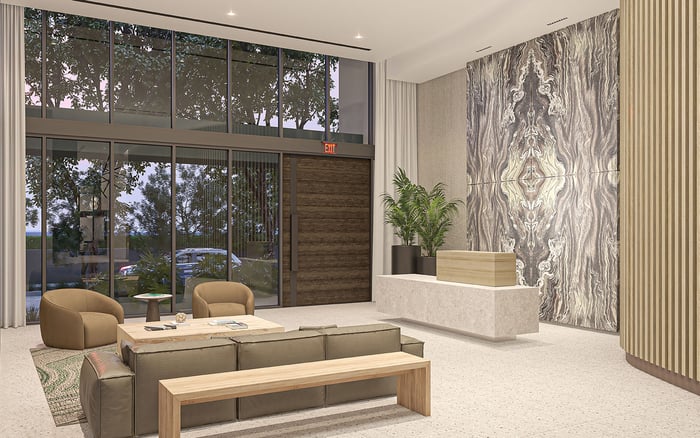
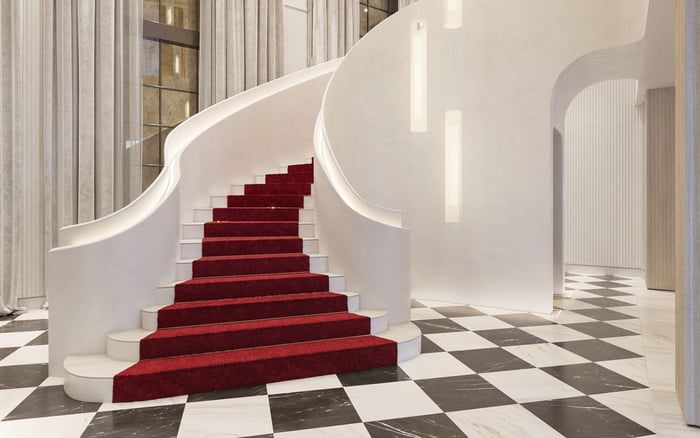
A discreet decision guide for families weighing Coconut Grove against Bay Harbor Islands when school routines and guest hosting both shape the purchase.
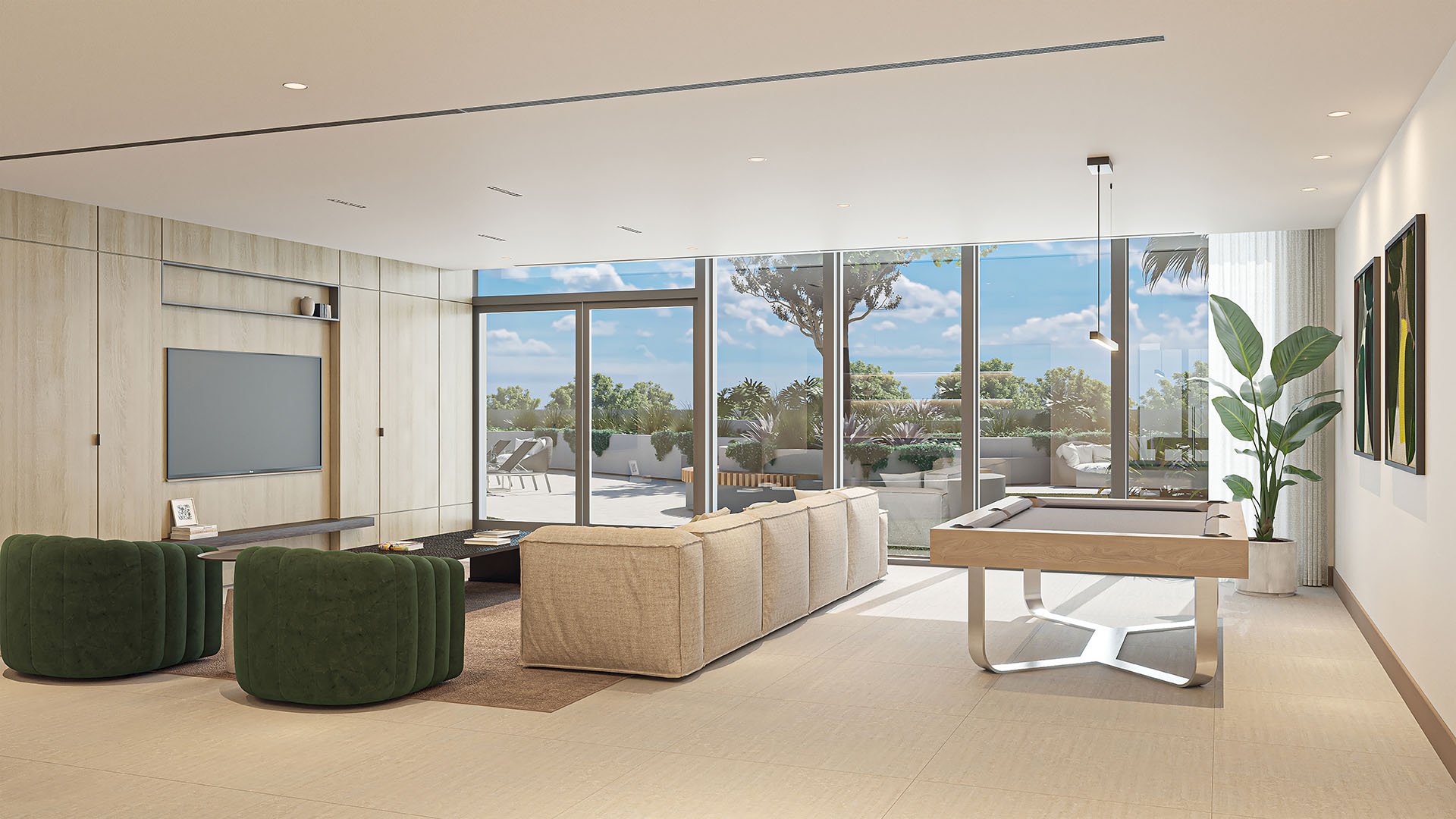
For buyers with school-age children and a steady rotation of visiting relatives, friends, tutors, grandparents, and holiday guests, the choice between Coconut Grove and Bay Harbor Islands is not a simple lifestyle contest. It is a test of daily choreography. The right address should make school mornings calmer, guest arrivals easier, and family time feel less negotiated.
Coconut Grove may suit the household that wants its primary residence to serve school-week life first. Bay Harbor Islands may suit the household that treats guest hosting, seasonal stays, and a polished lock-and-leave rhythm as equally important. Neither answer is universal. The better choice depends on how often children move through the day, how frequently guests stay overnight, and whether the residence is expected to function as a family base, a refined hospitality setting, or both.
A useful search brief might read: Coconut Grove or Bay Harbor Islands, private-school sensitivity, second-home flexibility, generous terrace, and pool access. That shorthand is not decorative. It reminds buyers to evaluate the residence as an operating system, not merely as an address.
Families should begin with a practical question: what does a normal Tuesday require? Morning departures, after-school returns, sports bags, uniforms, playdates, tutors, meal preparation, homework zones, and a parent’s work calls all compete for space and time. A home that photographs beautifully but creates friction during the school week will feel compromised by October.
For this reason, Coconut Grove becomes compelling when the buyer’s top priority is a grounded daily routine. The Grove conversation often centers on residential continuity: a home settled enough for children, yet polished enough for adult entertaining. In that context, buyers may compare residences such as Four Seasons Residences Coconut Grove or The Well Coconut Grove as part of a broader evaluation of service, privacy, and family functionality.
The school component should be handled with discipline. Do not buy solely on reputation, hearsay, or a convenient drive experienced once during a quiet hour. Confirm admissions, grade-level fit, transportation expectations, and the actual door-to-door experience during the times your family will use it. For school-age children, a fifteen-minute improvement on paper can matter less than a calmer building exit, a better mudroom sequence, or a floor plan that allows homework and dinner to coexist.
Frequent guests change everything. They require privacy, but not isolation. They need arrival ease, but not a household that feels like a hotel lobby. They appreciate a view, a separate bath, a comfortable guest room, and the ability to enjoy mornings without disrupting children who are preparing for school.
Bay Harbor Islands can be especially persuasive for buyers who imagine the residence as a composed hosting platform. The address may appeal when guests are a constant part of the ownership pattern, whether they are visiting for long weekends, school breaks, family holidays, or seasonal stays. In that frame, buildings such as Bay Harbor Towers and The Well Bay Harbor Islands can become reference points for buyers studying how a residence supports wellness, discretion, and guest comfort.
The key is to separate entertaining from true hosting. Entertaining is a dinner. Hosting is four suitcases, two children sharing a bathroom, a grandparent who rises early, and a spouse taking a call in the only quiet room. Buyers should ask whether guests can be accommodated without sacrificing the children’s routine. If every visit displaces homework, sleep, storage, or family privacy, the home is not sufficiently elastic.
This comparison is not only about Coconut Grove and Bay Harbor Islands. It is about the architecture of family life. A buyer should study bedroom separation, elevator arrival, kitchen visibility, laundry capacity, storage, parking, service access, acoustic privacy, and outdoor utility. A formal living room may be less valuable than a secondary lounge that can absorb children, guests, or both.
In Coconut Grove, buyers looking at Arbor Coconut Grove may be thinking about a more intimate residential scale and how it fits a family rhythm. In Bay Harbor Islands, a project such as La Maré Bay Harbor Islands may enter the conversation for buyers comparing boutique-style living with the needs of visiting family and longer stays.
Amenities deserve the same scrutiny. A pool is useful only if the family will use it naturally, not ceremonially. A terrace matters when it functions as an outdoor room rather than a narrow overlook. A private amenity can reduce pressure on the residence itself, but it cannot compensate for a floor plan that lacks breathing room.
Choose Coconut Grove if the purchase is primarily about raising children through a demanding school calendar. The better Grove buyer wants the home to support daily continuity, quiet evenings, weekend family rituals, and adult sophistication without making every guest visit the organizing principle.
Choose Bay Harbor Islands if the residence must operate gracefully for visiting family and friends, and if the household is comfortable designing school logistics around a more hospitality-minded ownership pattern. This can be the stronger choice for buyers who expect guests often, value a polished arrival experience, and want the home to feel composed even when it is full.
For blended needs, the deciding factor is pressure. If school logistics create daily pressure, prioritize the address and residence that reduce that pressure. If guest stays create repeated household pressure, prioritize separation, service, and flexible sleeping arrangements. Prestige should come last. Ease should come first.
Before committing, conduct the same test in both neighborhoods. Drive the school route at real times. Walk the building arrival sequence as if carrying backpacks and luggage. Stand in the guest room and ask where the suitcase goes. Open the laundry area and imagine a full week. Test whether one parent can work privately while children and guests are home.
Then compare the emotional result. The best home will feel calm under pressure. It will not require the family to apologize for its own routine, nor will it make guests feel like an intrusion. In South Florida’s luxury market, that balance is the quietest form of value.
Is Coconut Grove automatically better for families with school-age children? Not automatically. It may be better when the family’s top priority is weekday routine, but the final answer depends on school fit, commute pattern, and residence design.
Is Bay Harbor Islands better for frequent guests? It can be, particularly when the buyer wants a composed hosting environment. The home still needs enough separation and storage to function during longer visits.
Should school choice determine the purchase? School fit should influence the purchase, but it should not be the only factor. Confirm admissions, travel time, and grade-level needs before treating any address as decisive.
What floor plan works best for children and guests? Look for bedroom separation, a secondary living area, strong storage, and enough baths to prevent daily bottlenecks. Privacy is more useful than sheer square footage.
How important is building amenity design? Very important when it reduces pressure inside the residence. Family-friendly amenities should be easy to use, not merely impressive in presentation.
Should buyers prioritize a terrace? Yes, if it functions as real living space. A usable outdoor area can help children, guests, and adults share the home more comfortably.
Is a pool essential for this buyer profile? Not essential, but valuable when it fits the family’s actual routine. The best amenity is the one that is used often and easily.
Can either address work as a second home? Yes, if the residence supports arrivals, departures, maintenance, and guest stays with minimal friction. Lock-and-leave practicality should be examined carefully.
What is the biggest mistake in this comparison? The biggest mistake is choosing by reputation alone. The right property must perform well during real school mornings and real guest visits.
What is the best way to shortlist comparable options for touring? Start with location fit, delivery status, and daily lifestyle priorities, then compare stacks and elevations to validate views and privacy.
To compare the best-fit options with clarity, connect with MILLION.
If branded residences are on your mind — as a home or as an allocation — we would be glad to share what we are seeing, privately.
Begin a quiet conversation