A practical luxury buyer’s guide to comparing Miami Design District and West Palm Beach through the lens of storm-day livability, building operations, daily access, and lifestyle fit.
For South Florida’s luxury buyer, the question is rarely whether a residence is beautiful. Beauty is the baseline. The more revealing question is how a home performs when the weather becomes inconvenient, when a dinner reservation is no longer the priority, and when a building’s quiet systems begin to matter more than its most photogenic amenity.
That is where the comparison between the Miami Design District and West Palm Beach becomes especially useful. One offers an urban, culture-forward setting with immediate proximity to design, dining, galleries, and Miami’s broader city grid. The other offers a Palm Beach County rhythm that can feel more measured, with a different sense of scale and daily movement. Neither is automatically better for storm-day livability. The stronger choice depends on how a buyer lives when roads are wet, plans are compressed, and staying close to home becomes the most elegant option.
Storm-day livability should be treated as a residential quality, not a seasonal afterthought. It is about backup systems, elevator strategy, covered arrival, parking confidence, staff communication, building staffing, and the ability to maintain a composed routine without unnecessary friction.
The Design District appeals to buyers who prefer density with polish. Its storm-day advantage is not that the neighborhood escapes South Florida weather. No serious buyer should think in those terms. Its advantage is that a well-chosen residence can place daily life within a tighter personal radius. If your preferred routine is built around restaurants, boutiques, creative offices, private appointments, and quick movement through central Miami, the district can feel efficient even when the forecast is imperfect.
This is why projects such as Kempinski Residences Miami Design District are part of the conversation for buyers who want a refined urban base near the Design District environment. The appeal is less about spectacle and more about the possibility of reducing dependence on long drives for everyday pleasures.
A buyer considering Miami Design Residences Midtown Miami should evaluate the same storm-day questions with particular care: how arrivals are handled, how parking is protected, how residents receive operational updates, and whether the building’s common areas support a comfortable stay-at-home day. In a dense urban setting, details that seem small during a sunny tour can define the experience during heavy weather.
West Palm Beach often attracts buyers who want city convenience with a calmer daily cadence. For storm-day livability, that can be meaningful. A residence that supports easier routines, clear building communication, and less psychological pressure around movement can become a compelling second-home or primary-home choice.
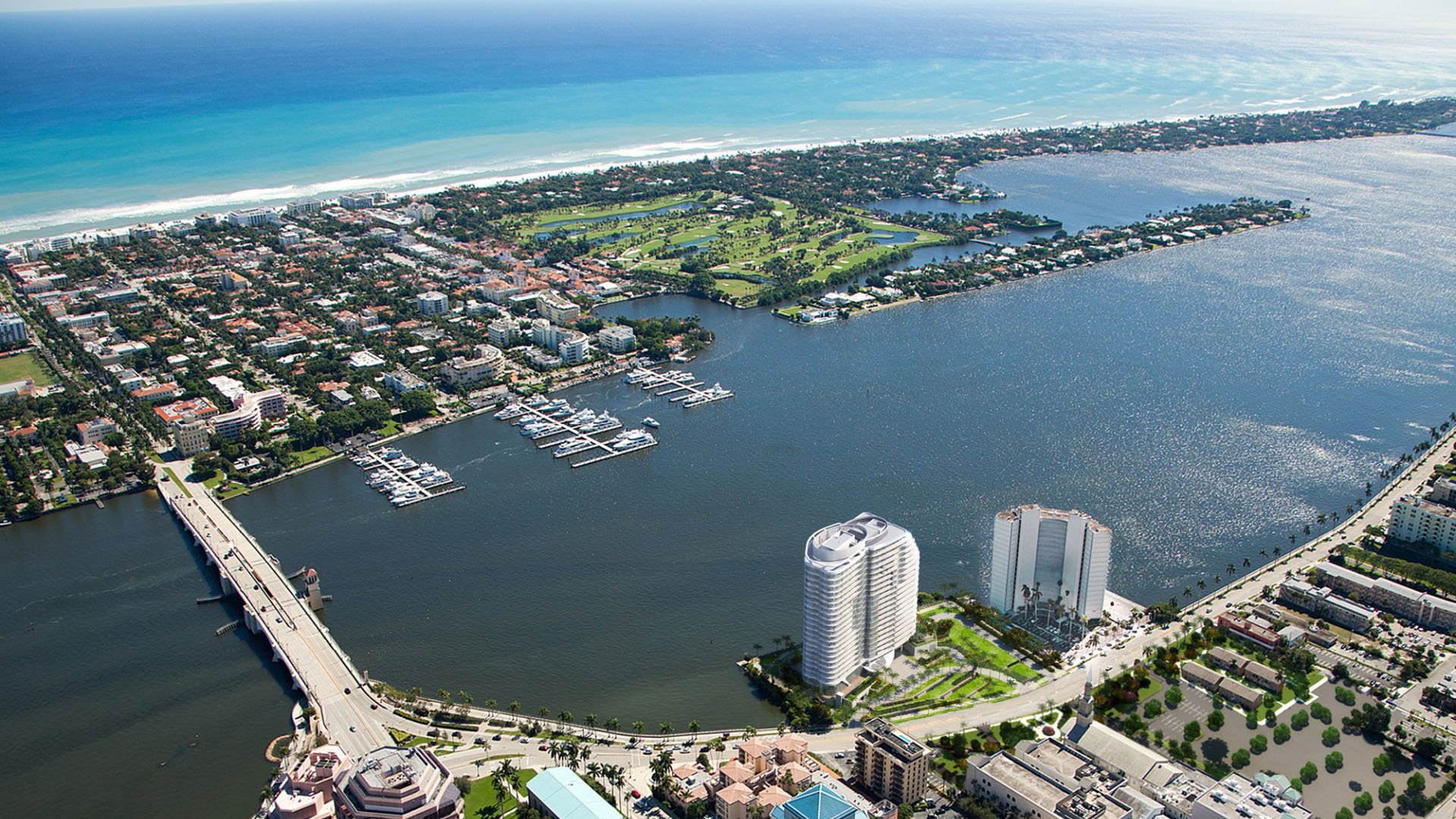
The city’s appeal is especially clear for buyers comparing Miami’s pace with a more composed Palm Beach County lifestyle. Waterfront preferences, cultural habits, dining patterns, and family logistics all shape the answer. A buyer who expects to remain in place during a stormy day may care less about nightlife density and more about lobby operations, service continuity, storage, dog relief areas, covered parking, and the convenience of reaching essentials when conditions improve.
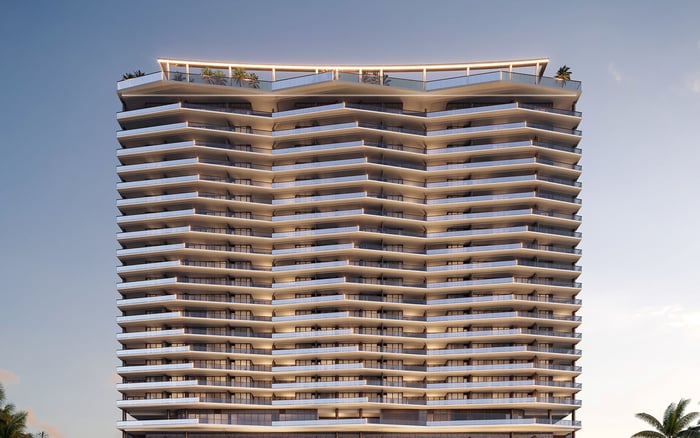
In West Palm Beach, residences such as Alba West Palm Beach and Forté on Flagler West Palm Beach naturally enter the discussion for buyers focused on day-to-day comfort along with an elevated residential setting. The right question is not simply whether a building is luxurious. It is whether the building feels calm, legible, and well managed when everyone needs the same systems at once.
Storm-day livability is a layered concept. At the building level, it begins with practical infrastructure: backup power strategy, elevator operations, garage design, water management, communications, security staffing, and clear resident protocols. At the residence level, it includes storage, appliance planning, pantry depth, window confidence, acoustic comfort, and the ability to work, host, or rest without feeling stranded.
At the neighborhood level, the issue becomes access. How many ways can you enter and leave? How complicated is the last mile? Are the streets around the building intuitive or congested under pressure? Is the residence dependent on valet circulation, or can owners self-park with ease? These are not glamorous questions, yet they are the questions sophisticated buyers ask before they commit.
For new-construction buyers, the conversation should be direct and specific. Ask how management communicates before, during, and after major weather events. Ask what systems are covered by backup power and for how long. Ask how elevators are prioritized. Ask how pets, deliveries, guests, and staff access are handled. A polished sales gallery is useful, but a building’s operating philosophy is what matters when the forecast changes.
Lifestyle is the quiet variable. A buyer who thrives on Miami’s creative energy may find that the Design District remains the more compelling choice, even if it requires a sharper eye toward traffic patterns and vertical-living logistics. The neighborhood rewards those who value proximity to design, fashion, restaurants, and Miami’s cultural movement.
A buyer who wants a more relaxed base, perhaps with frequent Palm Beach connections, may find West Palm Beach more aligned with storm-day comfort. The experience can feel less about constant activation and more about discretion, routine, and residential ease. For some, The Ritz-Carlton Residences® West Palm Beach may represent the type of branded residential expectation where service standards, arrival sequence, and daily composure are central to the buying decision.
The most refined answer may be personal rather than geographic. If your storm-day instinct is to stay local, dine downstairs or nearby, take calls, and resume normal life quickly, the Miami Design District may feel natural. If your instinct is to slow the day, simplify errands, and preserve quiet, West Palm Beach may be the better emotional fit.
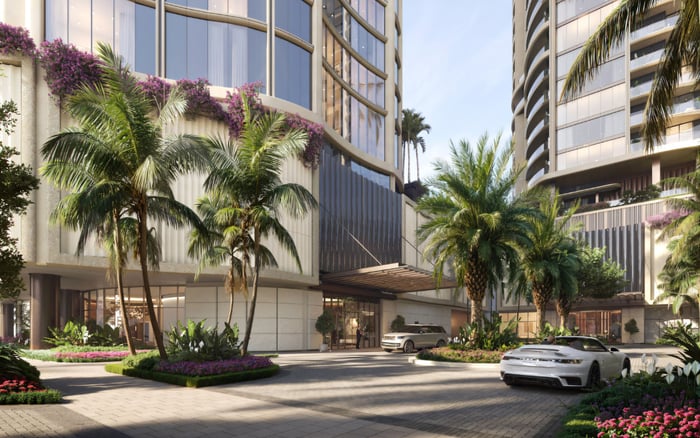
Before choosing either market, tour buildings with storm-day eyes. Enter through the garage. Study the porte cochere. Ask how many elevators serve the residential floors. Understand guest parking, service access, and package handling. Look at the route from parking to lobby to residence. Imagine arriving with luggage, a pet, groceries, and rain.
Inside the residence, consider where supplies would be stored without compromising design. Evaluate the kitchen as a working space, not only a showpiece. Consider whether bedrooms, studies, and terraces feel protected and calm. If the home will be used seasonally, ask who checks the residence when the owner is away and how management communicates urgent building notices.
The final decision is not Miami versus Palm Beach County in the abstract. It is which address preserves grace under pressure. In that sense, storm-day livability is one of the most revealing tests of luxury.
Is Miami Design District better than West Palm Beach for storm-day livability? Not automatically. The better choice depends on your building, your daily routine, and how much urban density you prefer during disruptive weather.
What should I ask a condo building before buying? Ask about backup power, elevator procedures, parking access, resident communications, staffing, water management, and post-storm protocols.
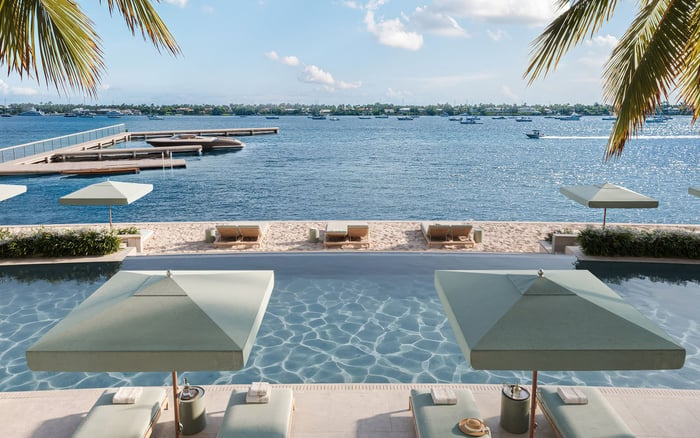
Does waterfront living change the decision? It can. Waterfront buyers should be especially attentive to building elevation, garage design, access routes, and management procedures.
Is a newer building always the safer choice? Not by default. New construction can offer modern systems, but buyers still need to review operations, maintenance, and resident protocols.
Why does parking matter so much on storm days? Covered, clear, and reliable parking can make arrivals and departures calmer when rain, wind, luggage, pets, or guests are involved.
Should second-home buyers think differently? Yes. They should focus on remote communication, residence checks, staff access, storage, and how the building handles owners who are away.
How important is walkability in this comparison? Walkability matters when weather allows short local movement, but building comfort may matter more when staying inside is the wiser choice.
Can service level affect storm-day comfort? Very much. Clear communication, trained staff, and disciplined operations often define whether a luxury building feels composed under pressure.
Which area suits a more active lifestyle? The Design District may suit buyers who want cultural density, while West Palm Beach may suit buyers who prefer a calmer residential rhythm.
How should I make the final decision? Tour each building as if the weather were difficult, then choose the address that makes daily life feel simplest, calmest, and most controlled.
For a tailored shortlist and next-step guidance, connect with MILLION.
If branded residences are on your mind — as a home or as an allocation — we would be glad to share what we are seeing, privately.
Begin a quiet conversation