A practical guide for families evaluating mental-health quiet zones in South Florida condominiums, with emphasis on acoustics, governance, amenity adjacency, and neighborhood rhythm.
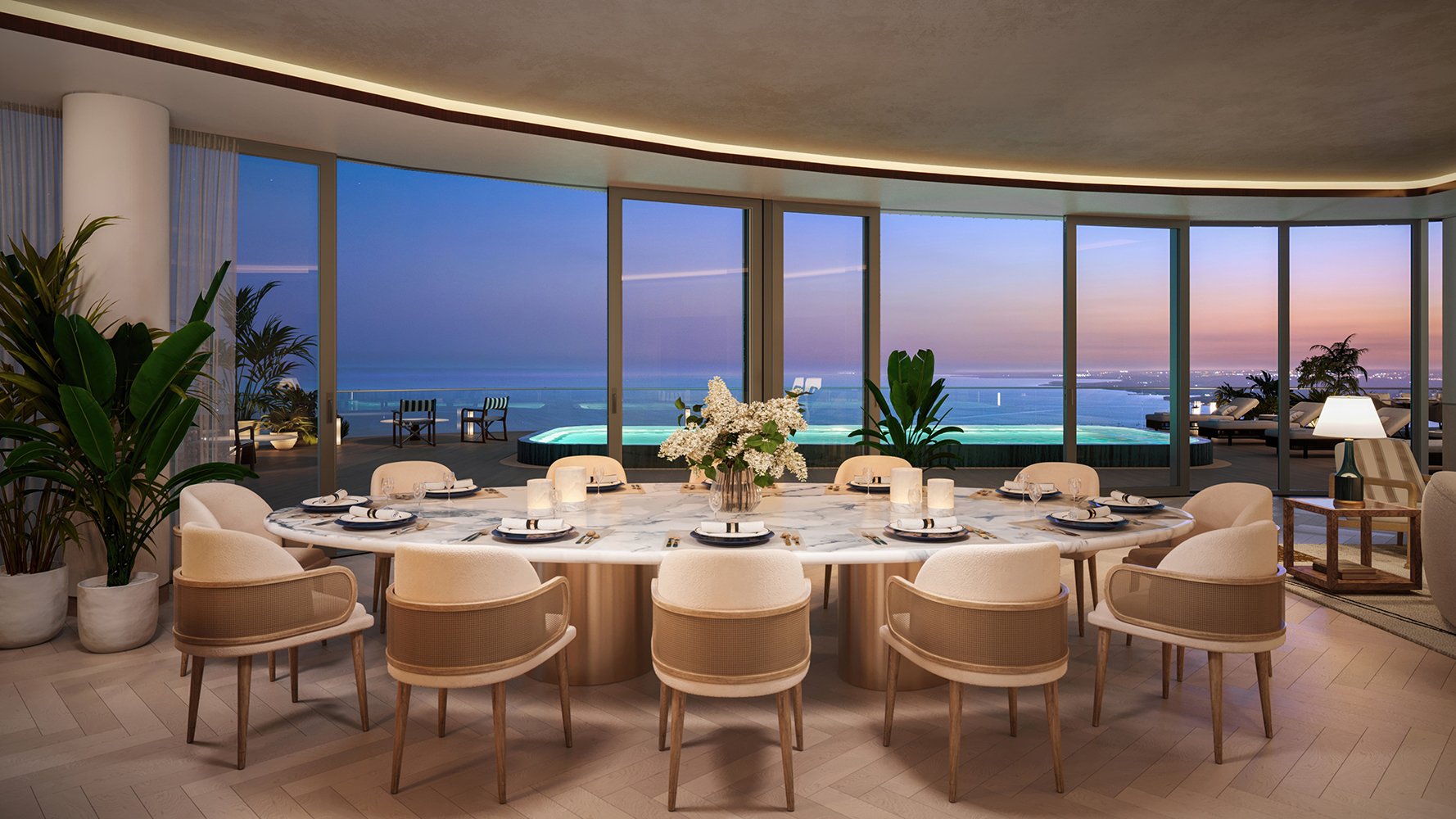
For many family buyers, the most valuable amenity in a South Florida condominium is no longer the most visible one. It is the ability to decompress. A mental-health quiet zone is best understood as a buyer’s lens: a way to evaluate whether a residence, amenity floor, pool deck, lobby sequence, and neighborhood rhythm support calm daily life.
It is not a universal legal category, and buyers should not assume that a building’s wellness language automatically creates enforceable quiet conditions. The distinction matters. A meditation room, garden terrace, library lounge, or low-volume spa area can be meaningful, but only when design, rules, management culture, and resident behavior align.
For families, the question is practical. Can a child nap without elevator noise? Can a teenager study away from pool activity? Can two adults work from home without competing sound from amenity programming? In search language, a family may compare Brickell, Miami Beach, Bay Harbor, Coconut Grove, and Boca Raton, but the quieter choice often comes down to the specific stack, floor, exposure, and building governance.
South Florida’s premium condominium market has long been defined by water, light, service, and architecture. Quiet now belongs in that same conversation. For families relocating from larger homes, the move into a vertical residence can be elegant, but it changes how privacy works. Sound travels through corridors, elevator banks, amenity decks, garages, mechanical rooms, and adjoining units.
The best family due diligence treats quiet as a layered condition. Start with the residence itself, then widen the lens to the floor plate, amenity locations, building rules, valet flow, pet policies, short-term occupancy restrictions where applicable, and the surrounding streetscape. A serene interior cannot fully compensate for a bedroom wall beside a service corridor or a terrace facing a late-evening social area.
New-construction buyers should be especially attentive because model residences may not reveal the lived acoustic profile of a completed building. Pre-completion sales galleries can communicate finishes and views, but families should still ask how sound separation, amenity hours, elevator placement, and resident programming are intended to operate once the building is occupied.
A floor plan is also a sound map. Bedrooms placed away from elevator cores, refuse rooms, mechanical shafts, and heavily used amenity levels will generally feel more restful. Corner residences may offer fewer shared walls, while flow-through layouts can provide cross-breezes and separation between social and sleeping areas. None of this guarantees silence, but it helps identify which homes are more likely to support a calmer rhythm.
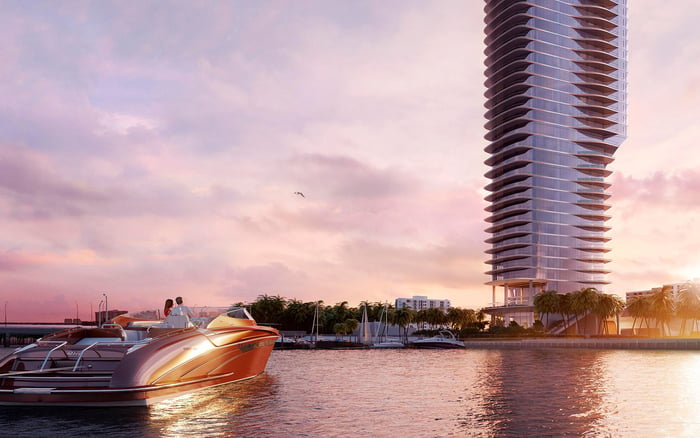
In an urban setting such as Brickell, families considering 2200 Brickell should think beyond skyline views and ask how daily movement passes through the building. Where are the children’s areas, fitness spaces, lounges, loading zones, and elevators in relation to the residence? A sophisticated address can still require disciplined unit selection.
Oceanfront and coastal properties present a different equation. The natural sound of water can be calming, but pool decks, beach access points, and hospitality-style programming can introduce activity at certain hours. When touring a Miami Beach property such as The Perigon Miami Beach, families should pay close attention to amenity adjacency, terrace orientation, and the separation between private residential areas and more social settings.
A quiet room is only as effective as the culture around it. Family buyers should review condominium documents, house rules, amenity policies, guest rules, pet policies, renovation rules, and any stated quiet hours. If a building markets wellness, ask how those spaces are actually managed. Are phone calls restricted in certain lounges? Are spa or meditation areas adult-only, family-friendly, or reservation-based? Are private events allowed nearby?
The most desirable buildings tend to make expectations legible. Residents understand which areas are social, which are restorative, and which hours are protected. Ambiguity can create friction, especially for families balancing children, visiting relatives, tutors, caregivers, and remote work.
Buyers should also be careful with assumptions around accommodations. If a family member has sensory sensitivities or a clinical need for reduced noise, that should be discussed thoughtfully with appropriate advisers and through the association process, rather than treated as a marketing promise.
South Florida’s luxury submarkets have distinct tempos. Brickell offers convenience, density, restaurants, offices, and urban energy. Miami Beach can range from residential calm to high social activity depending on the specific pocket. Bay Harbor Islands often attracts buyers seeking a more intimate residential scale. Coconut Grove is prized by many families for its canopy, village feel, and proximity to schools and parks. Boca Raton and Palm Beach County settings may appeal to those prioritizing a more suburban cadence without leaving the condominium format.
A wellness-oriented buyer might tour The Well Coconut Grove with an eye toward how the surrounding neighborhood supports daily decompression: morning walks, shaded streets, quieter routines, and less dependence on constant amenity use. In Bay Harbor Islands, a property such as The Well Bay Harbor Islands can be evaluated through the same family filter: building scale, approach, nearby traffic, and the way private spaces relate to communal areas.
For buyers looking north, Alina Residences Boca Raton belongs in a different lifestyle conversation from a dense urban tower. The family question is not which market is universally quieter, but which daily rhythm best supports the household.
A family tour should include more than a visual inspection. Visit at different times when possible: school mornings, late afternoons, and early evenings can reveal different sound patterns. Stand silently in the primary bedroom, secondary bedrooms, terrace, kitchen, and entry corridor. Listen for elevator chimes, corridor conversations, service doors, traffic, pool activity, and mechanical hum.
Ask direct, neutral questions. Which amenity areas are closest to this unit? What are the quiet hours? How are complaints handled? Are there limits on events, music, construction work, or deliveries? Where do children typically gather? Where do residents take phone calls? Where are pets walked? How frequently are amenity spaces programmed?
For resale residences, ask about past renovations, window systems, flooring underlayment, and neighboring use patterns. For new residences, ask how the developer and association plan to manage acoustic expectations after turnover. The more specific the answers, the easier it is to distinguish genuine calm from beautiful staging.
The right quiet-zone strategy is not to search for absolute silence. South Florida is vibrant by nature. The goal is to choose a residence where energy is optional, not unavoidable. Families should be able to enjoy the pool, restaurant-level convenience, concierge services, and coastal or urban setting without feeling that every shared amenity enters the home acoustically.
The most successful buyers combine aspiration with discipline. They look at the view, then they listen. They admire the materials, then they read the rules. They study the brand, then they study the floor plate. In the ultra-premium market, that quiet diligence can be the difference between a beautiful purchase and a truly livable home.
Is a mental-health quiet zone a formal condo category? Usually, no. Treat it as a buyer evaluation framework unless the building’s documents create specific, enforceable rules.
Should families prioritize a quiet amenity room or a quiet residence? The residence comes first. A calming amenity is valuable, but bedrooms and work areas affect daily life more consistently.
Are higher floors always quieter? Not always. Higher floors may reduce street noise, but wind, mechanical systems, amenity roofs, or elevator proximity can still matter.
What documents should buyers review for quiet expectations? Review condominium documents, house rules, amenity policies, renovation rules, pet rules, and any stated quiet-hour provisions.
Can wellness branding guarantee a calmer building? No. Wellness language should be tested against design, management practices, resident rules, and the location of amenities.
What is the most overlooked noise issue in luxury condos? Amenity adjacency is often overlooked. A beautiful residence can feel less private if it sits too close to active shared spaces.
How can families evaluate quiet during a showing? Pause in each major room and listen. If possible, tour at multiple times to understand morning, afternoon, and evening conditions.
Are boutique buildings better for quiet living? Sometimes, but not automatically. Smaller scale can help, yet construction quality, rules, and resident culture remain essential.
Should buyers disclose sensory needs during the search? They should discuss needs carefully with trusted advisers so the search can focus on suitable layouts, rules, and building environments.
What is the best first question to ask? Ask which spaces create the most sound near the residence, then compare that answer with the floor plan and your family’s routine.
To compare the best-fit options with clarity, connect with MILLION.
If branded residences are on your mind — as a home or as an allocation — we would be glad to share what we are seeing, privately.
Begin a quiet conversation