Buying a new construction oceanfront condo in Miami Beach is as much about risk management as it is about lifestyle. The right decision starts with clarifying what “oceanfront” truly means, then stress-testing the building’s governance, long-term operating costs, and day-to-day livability. This guide outlines the questions sophisticated buyers ask early: view protection, coastal resilience, privacy, rental and occupancy rules, deposit structure, closing readiness, and how to compare pre-construction to newly delivered inventory. Use it as a framework before you commit.
Miami Beach oceanfront living is a precise kind of luxury. Sunrise light, a constant wave soundtrack, and the feeling of separation from the city, even while dining, culture, and private aviation access remain close. That atmosphere is the headline. The buying process, especially in new construction, is the fine print.
When buyers move from established trophy buildings to new construction, the decision shifts from evaluating a finished asset to underwriting a timeline, a set of documents, and a management model still taking shape. New delivery can bring contemporary layouts, modern building systems, and the advantage of starting with a clean governance slate. It can also introduce variables that resale inventory rarely carries: evolving design packages, construction schedules that move, lending conditions that change, and a condominium association that is effectively being built in real time.
The strongest outcomes tend to come from treating the purchase the way an investment committee would, even if the goal is a primary residence or a second home. That means insisting on verifiable definitions, stress-testing monthly operating assumptions, and making sure the day-to-day experience will feel as effortless as the view looks.
This buyer guide is written for the Miami Beach market and for oceanfront shoppers who value discretion, durability, and a clean path to ownership. Every building is different. Confirm details directly with the developer, the association, management, and your advisory team before you commit.
In South Florida, “oceanfront” can be used loosely in marketing. Sophisticated buyers start with the definitions that appear in plans, legal exhibits, and what you can validate on site.
Think in three layers.
First, physical adjacency. Is the property directly on the Atlantic side, or is it separated by another parcel, a public right of way, or a park? Even small separations can change sound, salt-air exposure, privacy, and how immediate the shoreline feels.
Second, sightlines. Ocean view can be breathtaking and still not be oceanfront. Confirm what you are purchasing by reviewing floor plans, balcony orientation, and how nearby sites could evolve over time. View corridors are not a guarantee unless they are protected by something more durable than marketing language.
Third, access. Oceanfront living is partly defined by the transition from lobby to sand. Ask how beach access works in practice: the entry points, the level of privacy, and whether the route stays comfortable when wind picks up or weather turns.
These basics can sound obvious, yet they are where expensive misunderstandings start, particularly in pre-construction, when you are buying from plans and renderings rather than lived reality.
Miami Beach is not a single experience. Oceanfront towers can feel radically different depending on the surrounding fabric, the pace of the streets, and the daily energy outside the front doors.
If you prefer a walkable, high-touch lifestyle near restaurants and nightlife, you may gravitate toward the southern end of the island, including South of Fifth. Buyers in this area often prioritize privacy, security, and the ability to step out for dinner without committing to a car.
If your preferences lean toward a quieter daily rhythm, you may look farther north, where adjacent parks, a different street cadence, and neighboring buildings can create a calmer backdrop. The trade-offs can include longer drives for certain errands, but also less ambient activity.
Tour with intention. Visit at different times of day and on different days of the week. Oceanfront properties can change character between early mornings, mid-day beach traffic, and late evenings. The best purchases are the ones where the neighborhood tempo matches your own.
In Miami Beach, some buyers will only purchase what they can walk through. Others use pre-construction to secure preferred exposures and customize finishes. Neither approach is automatically superior. The right choice comes down to which risks you are willing to carry, and which unknowns you can price.
Pre-construction benefits can include earlier selection, a longer runway to plan, and the satisfaction of tailoring a home to your taste. The risks are real: design packages can evolve, timelines can shift, and the first year of operations is often when a building learns its true maintenance rhythm.
Newly delivered inventory offers a different kind of clarity. You can confirm views, noise, elevator flow, lobby energy, and the true feel of shared amenities. That said, newly delivered does not mean fully settled. Early governance is still forming, and initial budgets can require adjustment once real-world operating costs replace projections.
For many sophisticated buyers, the best answer is a hybrid mindset: pursue the pre-construction advantages, but underwrite the opportunity like a finished asset. Demand specifics, insist on clean documentation, and use experienced counsel to translate optimism into enforceable terms.
Oceanfront condos carry a different cost structure than inland residences, and new construction is not automatically less expensive to operate. High-end common areas, full-service staffing, valet and security practices, and coastal exposure all influence the monthly picture.
Treat the association budget as a living document, not a marketing attachment. Ask what the building anticipates spending, how it intends to fund reserves, and what assumptions are being made about insurance and ongoing maintenance. In coastal properties, risk is not just the first-year premium. It is the trajectory over time, and how quickly cost increases can flow through to owners.
Also ask about capital planning. Even a brand-new building will eventually need major work. A strong reserves philosophy, clear governance, and transparent reporting often matter more to long-term value than a single headline amenity.
When comparing multiple buildings, evaluate costs on a like-for-like basis. Confirm what services are included, how staffing is structured, how valet operates, what the security posture looks like, and what is assessed separately. Two monthly numbers can appear similar while representing very different operating models.
Oceanfront glamour is inseparable from oceanfront reality. Salt air, wind, sun exposure, and storm events test materials and systems. High-quality construction can mitigate wear, but no building is immune.
Your diligence should include materials, glazing performance expectations, waterproofing strategies, and how exterior elements are maintained. Balconies, railings, and terrace details deserve special attention because they are both lifestyle features and long-term maintenance responsibilities.
Ask how the property plans to manage corrosion prevention, façade maintenance, and mechanical system servicing. Review how site drainage is designed, what the entry elevations are, and how water management is handled. Even if you buy on a high floor, building operations can be disrupted by issues at ground level.
The objective is not to eliminate risk. It is to buy into a building that anticipates coastal wear and has a credible plan to maintain a pristine standard year after year.
Luxury buyers often start with the view, then realize later that livability is what makes a home exceptional.
Begin with arrival. How private is the entry sequence? Do you move from vehicle to residence with discretion, or through busy shared spaces? Evaluate elevator configuration, corridor design, and how deliveries are handled. These are small details that define whether daily life feels calm.
Then assess the plan for real use. Is there meaningful separation between entertaining zones and bedrooms? Is storage aligned with the reality of long stays? Does the kitchen perform when hosting and on ordinary days? A beautiful plan on paper can feel cramped, noisy, or exposed once furnished.
Outdoor space is often the emotional anchor in an oceanfront condo. Confirm how usable it will be across seasons. Wind exposure, sun orientation, and ambient noise can make a terrace feel like a sanctuary or a space you rarely step into.
Finally, take acoustics seriously. Ocean sound can be a feature, but so can quiet. Ask about window performance expectations, how sound control is approached, and whether common areas transmit activity into residences.
For many high-net-worth buyers, privacy is the amenity that matters most. The best oceanfront buildings deliver it through staffing, a security culture, and clear, enforceable rules.
Before you sign, verify the rental posture and guest policies. Some properties support frequent guest stays and a flexible lifestyle. Others are designed to feel almost club-like and strictly residential.
If you plan to use the residence as a second home, ask what limitations may apply in practice. If investment is a factor, confirm how leasing is handled and whether restrictions could affect your plan. These details live in condominium documents, not in the sales-gallery narrative.
Also confirm the quiet mechanics of daily operations: package handling, vendor access, service elevator rules, and how management communicates with owners. The lived experience is often defined by these systems, not by the brochure.
Buying new construction oceanfront in Miami Beach is document-heavy by design. Your goal is to understand what is promised, what is flexible, and what is explicitly not guaranteed.
With counsel, review what constitutes a material change, how deposits are held and applied, what happens if timelines shift, and what remedies exist if disputes arise. Scrutinize finish schedules, appliance specifications, and any language that allows substitutions. If a detail is important to you, confirm whether it is contractual or aspirational.
Closing readiness deserves equal attention. Ask how the developer plans to transition to owner control, what documentation you will receive at closing, and how warranties are administered. Confirm the process for punch-list items and how resolution works in practice, including timelines and responsible parties.
Consider financing early, even if you expect to pay cash. If you may finance, verify whether lender requirements could change and how that might influence your strategy. If you are paying cash, underwrite liquidity so you can close without pressure and without relying on last-minute planning.
If you can tour a completed building, approach it as a performance review, not a photo opportunity.
Start outside. Observe how the building presents itself from the street and how arrivals are managed. Note whether public and resident flows are separated and whether the transition from curb to lobby feels controlled.
Move through amenities with a critical eye. Luxury amenities should feel curated, not crowded. Ask whether spaces are designed to be used daily or primarily to be photographed. Consider how amenity traffic interacts with resident privacy.
Inside a residence, pause in each room and listen. Oceanfront has its own ambient soundtrack, and it can change throughout the day. Watch how light moves across the interior. Morning glare, late-day warmth, and cloud cover can meaningfully shift the mood.
Finally, ask about management philosophy. A well-run association and a strong management company can preserve value as effectively as iconic architecture. The best buildings feel calm because the back-of-house decisions are disciplined.
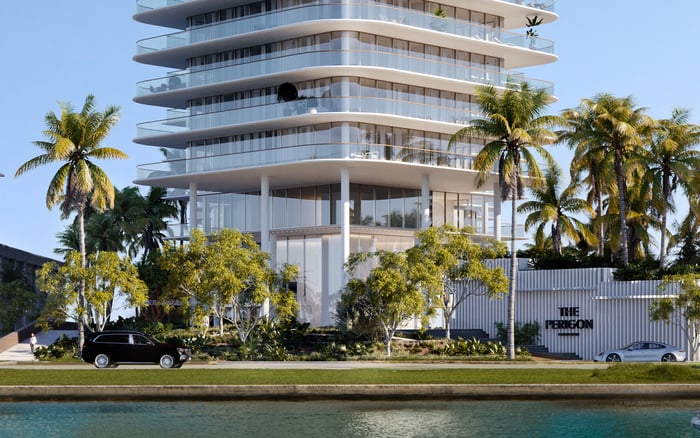
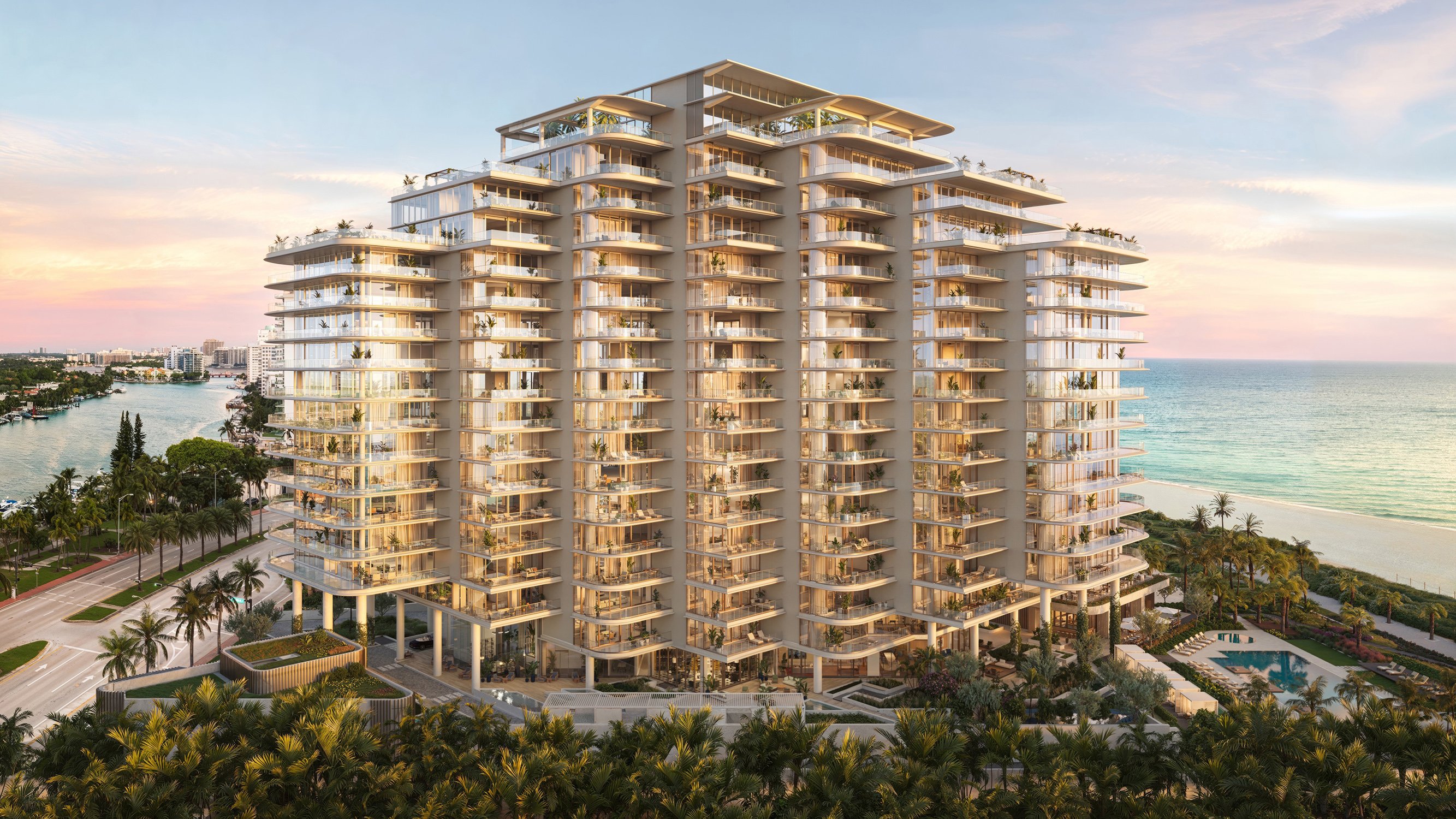
When building a shortlist, it helps to anchor your thinking with a single comparable reference point, even if you are still deciding between pre-construction and delivered inventory. As one example of how the market frames contemporary oceanfront living and the expectations that come with it, explore The Perigon Miami Beach.
Use any reference point carefully. Do not assume that one building’s policies, service levels, or cost structure automatically apply to another. The purpose is to calibrate your eye and your questions, not to shortcut diligence.
A buyer guide is only useful if it becomes repeatable. Use this framework for any Miami Beach oceanfront opportunity, whether it is new construction, pre-construction, or a completed residence.
Clarify the asset. Confirm the home is truly oceanfront as you define it, and that access and privacy align with your expectations.
Underwrite operations. Review budgets, reserve philosophy, and insurance assumptions. Ask how the building intends to maintain a pristine standard over time.
Stress-test lifestyle. Validate arrival privacy, amenity usefulness, acoustic comfort, and terrace usability.
Verify the rules. Ensure rental posture, guest policies, and day-to-day operations match how you live.
Protect the downside. In pre-construction, focus on what is guaranteed versus what is presented as an intention. In newly delivered buildings, examine early governance and how the operating model is settling.
Follow this sequence and the decision typically becomes clearer. The best oceanfront condo is not only the one with the view that stops you in your tracks. It is the one that performs quietly, protects your time, and remains effortless long after the novelty fades.
What should I verify first in a Miami Beach oceanfront new construction condo? Start with definitions and documentation: what “oceanfront” means in the legal exhibits, how you access the beach in practice, and whether sightlines are protected or simply implied. Then review association budget assumptions and the building’s approach to long-term maintenance.
How do I compare pre-construction to a completed building without getting lost in marketing? Use the same checklist for both. In pre-construction, ask what can change and what cannot, and have counsel translate contract language into real-world risk. In a completed building, validate livability by touring at different times and reviewing how operations function, not just how they look.
Which rules matter most for a second-home buyer? Prioritize guest access, leasing posture, delivery handling, and how management enforces privacy norms. Small policy differences can change the feel of the building, especially in oceanfront properties where residents often expect a calm, discreet environment.
How can I protect myself from unexpected monthly costs? Insist on transparency around budgets, reserves, and insurance assumptions, then model a range of outcomes. Oceanfront buildings can face shifting operating conditions over time, so underwrite a conservative scenario and confirm how the association plans for capital needs.
Who should be on my advisory team for a Miami Beach oceanfront purchase? At minimum, work with professionals who can review condominium documents, evaluate building operations, and guide negotiations with discretion. For tailored guidance on Miami Beach, South of Fifth, and broader Miami Beach oceanfront opportunities, connect with MILLION Luxury.
If branded residences are on your mind — as a home or as an allocation — we would be glad to share what we are seeing, privately.
Begin a quiet conversation