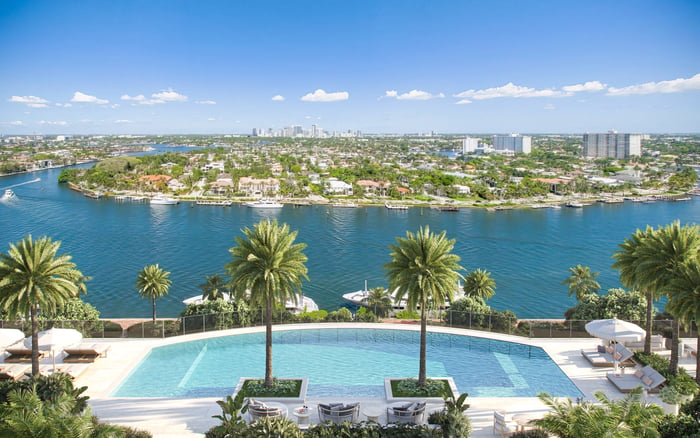
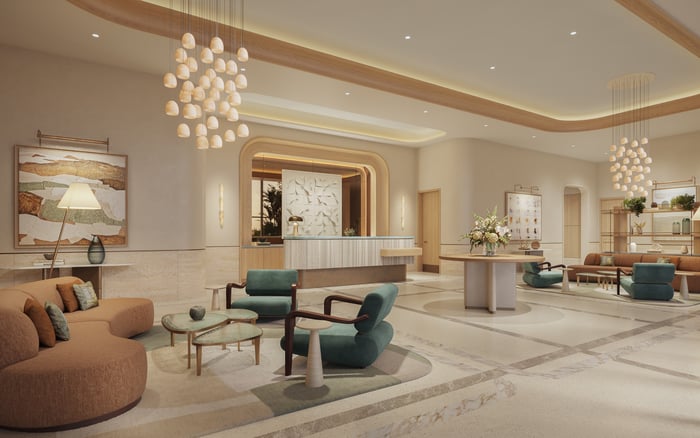
Buying a new luxury condo in Fort Lauderdale can feel straightforward until you reach the fine print: timeline risk, association budgeting, construction deliverables, and lifestyle services that may or may not match the brochure. This buyer guide frames the decision like a private advisor would, with a focus on smart due diligence, contract and deposit considerations, and the practical realities of ownership in a coastal, amenity-driven market. Use it to compare buildings, protect leverage, and arrive at closing with clarity.
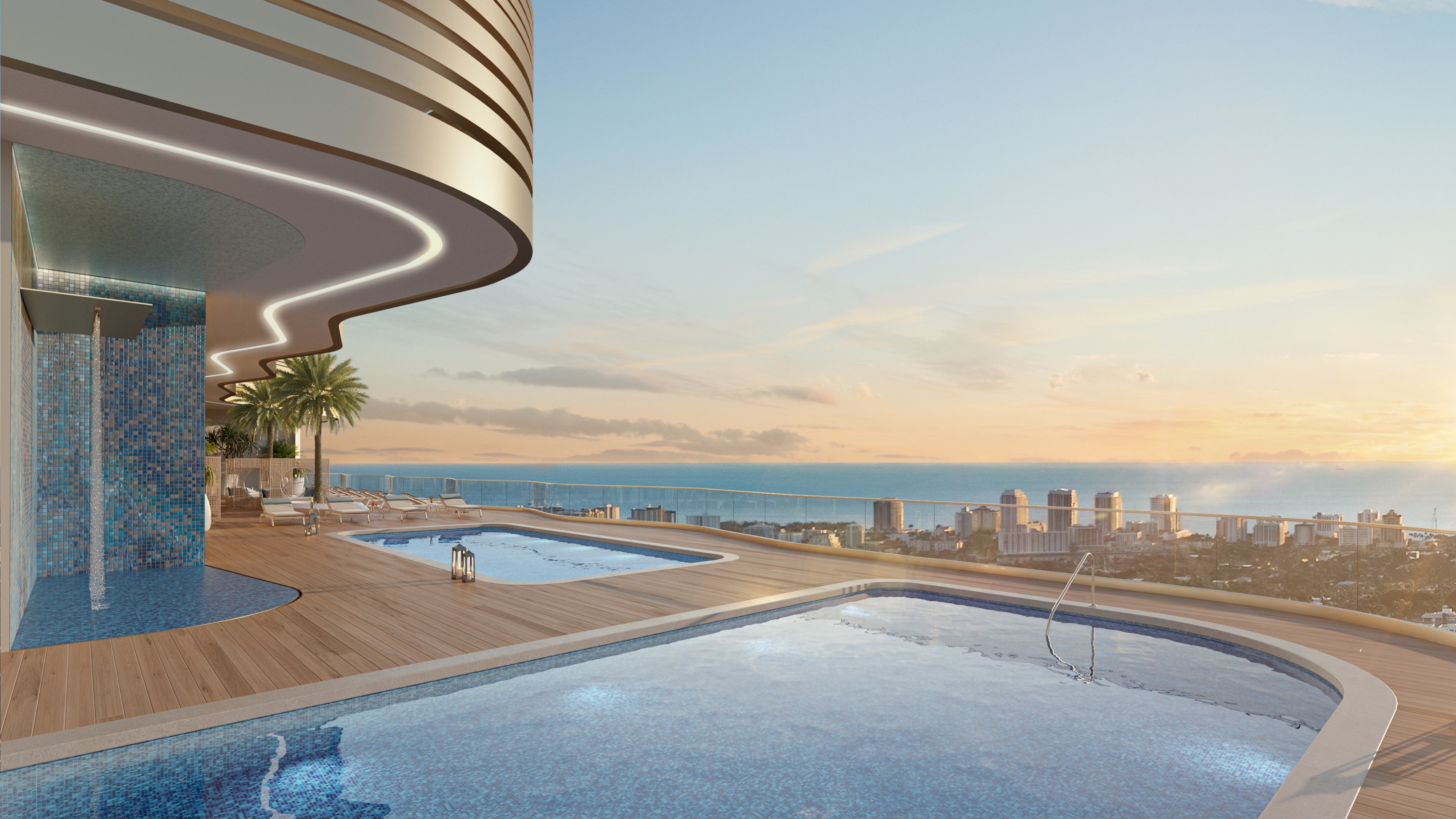
Fort-lauderdale continues to draw buyers who want a coastal South Florida lifestyle paired with the ease, finish quality, and lock-and-leave confidence of a modern condominium. What looks like “new” on a listing sheet, however, can describe very different realities. One buyer is stepping into a recently delivered tower with residents already in place, established staffing, and operating patterns you can observe. Another is buying into a sales and construction cycle where the product is defined by drawings, schedules, and disclosures as much as by a model residence.
For a premium buyer, the objective is rarely just a new address. It is a predictable lifestyle, a building designed to perform in a coastal environment, and an ownership structure that stays aligned with your priorities long after the gloss of delivery. That mindset matters in Broward, where salt air, seasonal occupancy, and rental demand can influence the way a building is managed and how costs move over time.
This guide is built to help you evaluate Fort-lauderdale new construction luxury condos with discretion and discipline. Use the sections below as a repeatable framework, then confirm building-specific details directly with the seller, developer, association, and your professional team. In this segment of the market, clarity is a luxury, and it is one you can insist on.
In everyday conversation, “new construction” is used broadly. For decision-making, separate New-construction into two distinct purchase moments.
First is buying in a building that is newly completed or recently completed. The practical advantages are straightforward: you can tour the actual unit, walk the common areas as they function in real life, and get a clearer read on staffing, maintenance, and day-to-day operations. You also remove much of the timeline uncertainty. The tradeoffs are equally real. Inventory can be tighter, pricing may reflect the certainty of delivery, and the most desirable lines may already be committed.
Second is Pre-construction. Here, the benefits are earlier selection, more optionality, and a longer runway to plan furnishings, liquidity, and relocation. For some buyers, that lead time is a feature, not a compromise. The tradeoff is uncertainty: timing can shift, final finishes can vary within contractual allowances, and the operational reality of the building can evolve as it comes online. None of this is inherently negative, but it must be acknowledged, priced into your decision, and managed through contract language, documentation, and realistic expectations.
A useful way to decide between New-construction and Pre-construction is to ask three personal questions:
What is your time horizon for enjoyment or occupancy?
How comfortable are you with a purchase defined by a schedule and a set of disclosures rather than a finished home?
Do you want to personalize, or do you want certainty?
If you want certainty, lean toward a delivered building where you can inspect, review actual operating budgets, and see how the amenity program is staffed and used. If you want selection, optionality, and longer planning time, Pre-construction may fit, provided your contract review and diligence are handled with rigor.
Luxury condo buyers often start with a neighborhood, then narrow to a building. In Fort-lauderdale, it is just as effective to think in micro-location terms. The block, the side of the street, your approach route from major roads, and the immediate surroundings often shape daily experience more than a broad map label.
When touring or evaluating a site, consider:
Arrival experience. Is the approach elegant and intuitive for drivers, guests, and rideshare drop-offs? Do you feel privacy and order the moment you pull in?
Noise profile. A spectacular view can still come with ambient noise. Listen at different times of day when possible, and treat future development as a possibility rather than an exception.
Walkability, even if you do not plan to walk. A building that feels pleasant at street level tends to hold appeal for guests, future buyers, and renters when rentals are permitted.
Proximity to water. Coastal adjacency is a lifestyle advantage, but it also heightens the need to understand building systems, maintenance planning, and insurance realities. Do not assume any of this is standardized from one tower to the next.
If you are comparing multiple buildings, create a simple scorecard that reflects what actually drives your satisfaction. Privacy, view orientation, arrival sequence, marina access, beach adjacency, and ease of travel are not interchangeable. Decide which two or three are non-negotiable, then treat the rest as secondary filters.
Luxury is often marketed as finishes and amenities. In ownership, luxury is operational consistency.
Start with four pillars.
Services. Does the building’s intended service level match your lifestyle? Consider staffing depth, guest management, package handling, and how the building performs during high-season volume. Marketing language can make everything sound effortless. In practice, the difference between “nice” and “exceptional” is usually staffing and systems.
Privacy. Look for functional privacy, not just vocabulary. Pay attention to elevator access patterns, corridor design, and how guests and vendors move through the building. If privacy is central to your definition of luxury, confirm the practical details that support it.
Noise control. Even the best interiors can feel less than premium if acoustic performance is inconsistent. Ask what can be verified, and treat what cannot be verified as a variable. Quiet is not a given; it is a specification.
Durability. Finishes photograph well, but building systems and maintenance planning determine long-term quality. Focus on what lasts: glazing performance, water management, HVAC strategy, and common-area materials that will age gracefully under real use.
A sophisticated buyer also separates personal preference from resale logic. Your ideal palette or design tone may not be the broadest market choice. That is not a problem, as long as you understand when you are paying for personal taste versus enduring value.
In luxury condominiums, the best purchase is frequently the one that matches the line, orientation, and privacy conditions to your routine.
When you evaluate a specific unit, focus on questions that reveal daily livability.
How does the residence live day to day? Consider the entry sequence, sightlines, storage, and how guests move from foyer to entertaining spaces. A plan can look dramatic and still feel awkward in use.
Is the primary suite truly primary? Look for separation from entertaining areas, sound buffering, and bathroom layout logic. A beautiful render does not guarantee a comfortable morning or a quiet night.
How do outdoor spaces function? Balconies and terraces can be transformative, but usability depends on exposure, wind, and privacy. Confirm how the building defines exterior maintenance responsibilities and what that means for your ownership experience.
What is the elevator-to-door experience? In premium living, the route from lobby to residence is not an afterthought. It affects privacy, comfort, and the feeling of arriving home.
If you are purchasing without touring the exact residence in person, be stricter, not looser. Request documentation, confirm view corridors as best as possible, and make sure you fully understand the contract language around deliverables.
A luxury purchase deserves institutional-grade diligence. Request what you can as early as possible, even if the building’s narrative and branding feel compelling.
For a delivered building, ask for association documents and recent financial materials available for review. For a building in Pre-construction, expect a different document set and a different emphasis, with more reliance on disclosures and planned budgets.
Either way, your diligence should include:
Rules and use restrictions. Understand guest policies, pet policies, and any rental restrictions. These shape your lifestyle today and your exit options later.
Budgeting philosophy. An association’s approach to reserves, maintenance cadence, and vendor selection will influence both quality of life and long-term carrying costs.
Insurance posture. Coastal ownership is not only about a monthly fee. Insurance and risk management are central, and they can change over time. Confirm what you can, and plan conservatively.
Construction and warranties. For any new build, understand what warranties exist, what the claims process looks like, and what documentation you will need after closing.
You are not being difficult by asking. You are behaving like an owner who intends to protect the asset.
Luxury buyers sometimes over-focus on the purchase price and under-focus on the ownership equation. Your monthly and annual “all-in” number is a better decision tool than any single sticker price.
Build a personal model that includes:
Association fees and any club or amenity-related fees. Confirm what is included and what is not, and understand how fees are structured.
Insurance, both personal and building-related as applicable.
Property taxes and assessments, which can vary widely and can change.
Utilities and service subscriptions.
Furnishing, window treatments, and move-in costs. In new construction, these can be meaningful and easy to underestimate.
The goal is not to predict exact numbers years in advance. The goal is to avoid a decision that only works if every variable remains unusually favorable.
New-construction contracts can be more standardized than resale contracts, and in Pre-construction they are often developer-driven. That does not mean you are powerless. It means your leverage tends to show up through clarity, timing, and professional review.
Key themes to focus on with your attorney and advisor:
Deliverables. Confirm what is guaranteed versus what is “subject to change.” This is where disappointment usually begins, not in the lobby but in the fine print.
Timeline. Construction schedules can shift. Understand the range of outcomes and how your deposits and plans are affected.
Finishes and substitutions. Many contracts allow substitutions. The issue is not whether substitutions can occur, but how material they can be and how you will be informed.
Association structure and governance. Know how control transitions, how budgets are set, and what your rights are as an owner.
Walkthrough and punch process. Confirm how pre-closing walkthroughs work, how items are documented, and how post-closing issues are handled.
Even when negotiating power is limited, disciplined review can prevent avoidable friction and align expectations with reality.
Many luxury buyers pay cash, but even cash buyers benefit from thinking like an underwriter. In new construction, the risk is rarely the ability to close. The risk is tying up liquidity through shifting market conditions, or underestimating the timing of capital needs for furnishings and carrying costs.
If you are financing, speak with lenders early and revisit assumptions as the closing window approaches. Loan programs, building approval requirements, and underwriting appetite can change. Confirm requirements for the specific building rather than relying on general market chatter.
If you are paying cash, maintain a liquidity buffer for post-closing realities: customization, furnishings, and early-year building adjustments that often occur as operations stabilize.
Amenity decks are persuasive. The sophisticated move is to prioritize amenities that support your actual routine.
For some buyers, that means wellness and spa-like calm. For others, it means entertaining, guest handling, and service that feels seamless. For many second-home owners, it is lock-and-leave simplicity paired with predictable staffing.
When you tour, evaluate not only what is offered, but where it is placed and how it is likely to feel during peak times. Ask yourself:
Will I use this weekly, monthly, or never?
Does the amenity layout preserve privacy, or does it create crowding?
Do the common areas feel timeless, or trend-dependent?
A building with fewer, better-executed spaces can feel more luxurious than one with a long amenity list that is expensive to maintain.
If you want a single reference point while comparing options, start with a well-known branded name that is already part of the local conversation, then use it as a benchmark for service expectations, design tone, and lifestyle positioning. For reference, explore St. Regis® Residences Bahia Mar Fort Lauderdale.
Use that reference point the right way. Do not assume that two buildings with similar marketing will deliver the same lived experience. Instead, measure each candidate against your own definition of luxury: privacy, operational consistency, and long-term livability.
The final stretch is where details compound. Build a closing checklist that covers practicalities beyond the contract.
Insurance and documentation. Confirm what you need in place before closing and what the association requires for move-in.
Move-in and deliveries. New buildings can enforce strict rules for elevators, schedules, and vendor access. Clarify early so you can coordinate designers, movers, and installers.
Post-closing punch. Track issues in writing, keep photos, and understand the process for resolution.
Utilities and smart home setup. If you plan to integrate smart systems, confirm what the building allows and what is already installed.
Staff relationships. In service-forward buildings, quality of life often comes down to relationships and consistency. Treat staff with respect, communicate clearly, and learn the building’s rhythms.
How do I compare New-construction options without getting lost in marketing? Start with a personal scorecard. Rank privacy, view orientation, arrival experience, service expectations, and outdoor usability. Then validate each item with what you can verify in documents and on site.
What are the biggest Pre-construction risks for a luxury condo buyer? Timing and deliverables. Schedules can change, and finish selections or layouts can evolve within the boundaries of the contract. The solution is disciplined contract review, conservative planning, and clear documentation of what is promised.
What should I ask the association or sales team to share before I commit? Ask for the governing documents and any financial materials available for review, plus clarity on rules that affect lifestyle such as guests, pets, and rentals. If a document is not available yet, treat that uncertainty as a decision factor.
How can I protect resale value while still buying what I love? Choose fundamentals first: a strong line, a functional layout, privacy, and enduring materials. Personal taste can be expressed through furnishings and art, while the underlying residence remains broadly appealing.
For tailored guidance on Fort-lauderdale luxury condominiums in Broward and across South Florida, connect with MILLION Luxury.
If branded residences are on your mind — as a home or as an allocation — we would be glad to share what we are seeing, privately.
Begin a quiet conversation