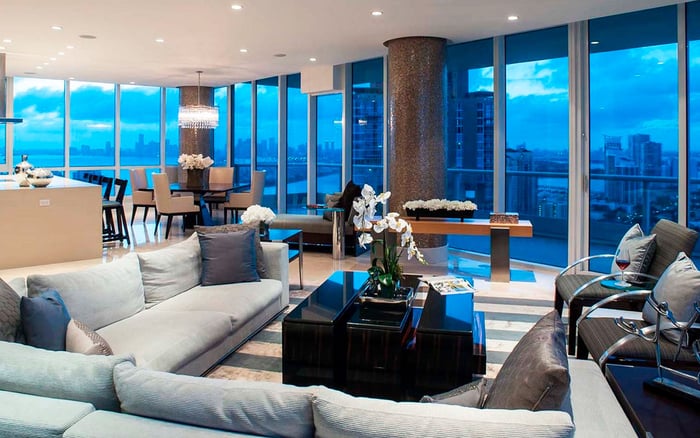
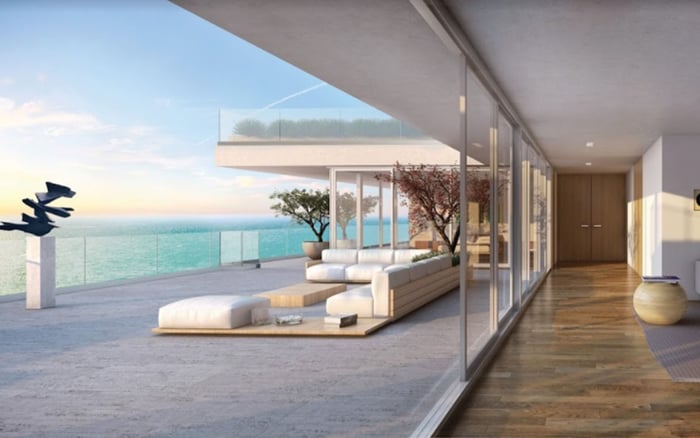
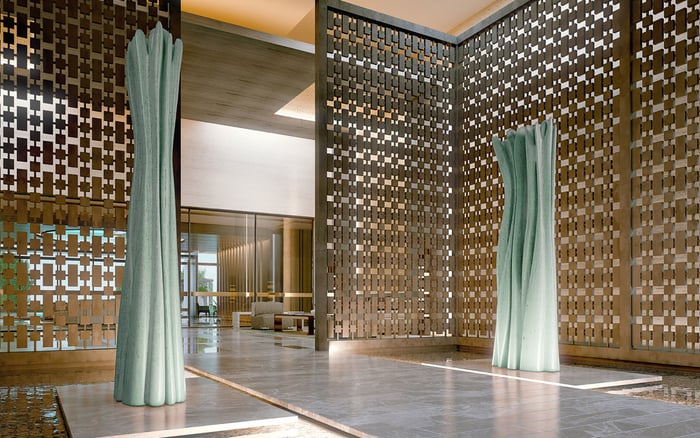
A discreet buyer’s guide for Mexico City clients comparing boutique residences across Miami Beach, Surfside, and nearby coastal enclaves, with emphasis on privacy, architecture, service, and long-term livability.
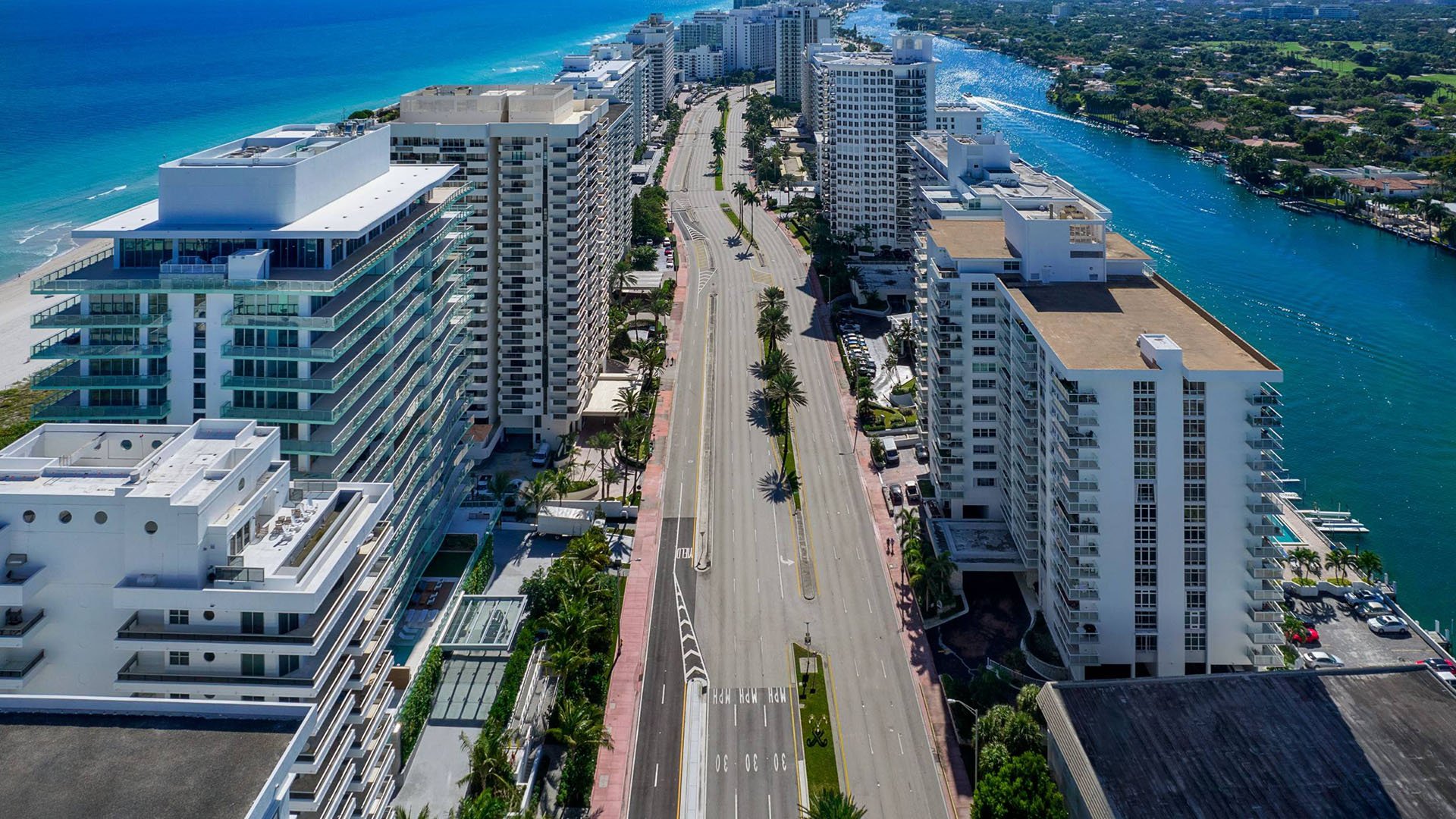
For a Mexico City buyer, the move toward Miami Beach is rarely about distance alone. It is about changing the cadence of daily life without surrendering privacy, design discipline, or cultural sophistication. The strongest purchase is not simply the residence with the largest terrace or the most dramatic lobby. It is the home that feels intuitive after the first season: easy to arrive to, calm to live in, and graceful to secure when travel resumes.
Boutique residences are especially compelling for this audience because they tend to reduce friction. Fewer neighbors can create a more personal rhythm. Smaller building scales can make service feel less theatrical and more precise. The experience is closer to a private club or finely run building in Polanco, Lomas, or Roma Norte than to a large resort tower. For the right buyer, boutique is not a compromise. It is a filter for discernment.
This guide is written for clients evaluating Miami Beach and its immediate luxury orbit, including Surfside, South Beach, and select waterfront pockets. It is a practical buyer’s guide focused on how the residence will function after the closing dinner is over.
A buyer coming from Mexico City should begin with use, not inventory. Will the residence serve as a winter retreat, a second home for long weekends, a family gathering point, or a base for children studying and working in the United States? Each answer points to a different building profile.
If the home will be used frequently by extended family, prioritize flexible bedroom separation, generous outdoor space, and parking logistics. If the buyer expects short, frequent trips, then arrival sequence, staff coordination, security, and maintenance become central. If the residence is intended as a calm counterpoint to an intensely urban life, oceanfront quiet may matter more than proximity to nightlife.
Miami Beach rewards this clarity. A buyer seeking a wellness-forward beachfront routine may respond to 57 Ocean Miami Beach, where the conversation naturally centers on sand, light, and daily access to the water. A buyer who wants a more architectural, low-density sensibility may compare properties farther north, where the atmosphere can feel more residential and less performative.
Miami Beach is not a single mood. South Beach offers energy, restaurants, art, and immediate cultural recognition. Mid-Beach offers a softer balance of resort atmosphere and residential calm. North Beach and nearby Surfside appeal to buyers who want the ocean without the constant public theater of the most active districts.
For Mexico City families, discretion is often decisive. They may want access to Miami’s social calendar, but not necessarily a building that feels like part of it. In that context, Surfside is worth serious consideration. The area places the buyer near Bal Harbour and Miami Beach while preserving a more measured residential scale. A property such as The Delmore Surfside fits into the broader conversation about privacy, architecture, and the appeal of fewer residences sharing the same address.
South Beach, by contrast, is best for buyers who want immediacy. Restaurants, beach clubs, galleries, and marina access can all shape the lifestyle. South of Fifth remains a reference point for those who want a neighborhood feeling within South Beach, especially when walkability and waterfront proximity matter. The key is to distinguish between visiting South Beach and living there. The right building should feel like a retreat from the scene, not an extension of it.
The word boutique is used often, but buyers should test it carefully. In practice, a boutique residence should offer a sense of proportion: a manageable number of homes, thoughtful circulation, refined amenity programming, and staff who recognize owners without overstepping. It should feel intimate without feeling under-resourced.
For Mexico City buyers accustomed to full-service buildings and household staff, operational quality is essential. Ask how deliveries are handled, how guests are announced, how vendors access the property, and how management supports owners who are abroad. The difference between a beautiful residence and a well-run residence is most visible when the owner is not there.
Amenity selection should also be judged with restraint. A compact wellness suite used every morning may be more valuable than a long list of spaces that feel empty. A private dining room with proper service logic may matter more than a dramatic lounge. For many buyers, the ideal building does not advertise everything it offers. It simply works.
Mexico City buyers often bring a sophisticated design eye. They understand materiality, proportion, landscape, and the emotional quality of light. Miami Beach offers a different palette, with ocean glare, humidity, salt air, and indoor-outdoor living all shaping the experience.
This makes orientation critical. Morning light, afternoon heat, terrace depth, and window performance can have a greater impact on comfort than a floor plan suggests on paper. A beautiful great room should be evaluated at multiple times of day if possible. The best coastal residences are not just transparent. They are calibrated.
In Miami Beach, The Perigon Miami Beach is relevant to buyers considering how architecture can frame a quieter beachfront lifestyle. Farther south, Shore Club Private Collections Miami Beach belongs in a different discussion, one that weighs heritage, service culture, and proximity to the more animated parts of the city.
Interiors should be judged for longevity rather than novelty. Neutral stone, well-detailed millwork, and generous wall space for art may serve a collector better than trend-driven finishes. If the residence will host family, staff, and guests, circulation matters. The most elegant plan is often the one where service, entertaining, and private life do not compete.
Many Miami buyers are drawn to branded residences because they promise a recognizable service standard. For a Mexico City client, the brand may be appealing, but it should not be the only reason to buy. Service culture depends on staffing, governance, building scale, and owner expectations.
A boutique branded or hospitality-influenced residence can be ideal when the buyer wants hotel-like ease without sacrificing ownership privacy. A purely residential building may be preferable for clients who value quiet and long-term neighbor stability above concierge theater. The right answer depends on temperament.
Consider how the building will feel on a holiday weekend, during high season, and in the middle of summer. Ask whether amenities are sized for genuine use. Ask how private the pool feels at peak times. Ask how valet, beach service, and security work when the building is fully occupied. These operational details will shape the owner experience more than a rendering ever can.
Even when a buyer is motivated by lifestyle, the acquisition should be structured with discipline. Compare monthly ownership costs, reserve expectations, insurance exposure, rental restrictions, and the long-term reputation of the address. A boutique building may have a more personal atmosphere, but its financial structure deserves careful review.
Liquidity also matters. Highly specific residences can be extraordinary to live in, but the future buyer pool should be understood before purchase. Floor height, view corridor, outdoor space, parking, private elevator access, and building condition all influence resale appeal. In Miami Beach, a residence that balances emotional appeal with practical fundamentals is usually the safer long-term choice.
For some clients, a larger branded tower may appear easier to benchmark. For others, a rare boutique address may feel more defensible because scarcity is built into the scale. Neither approach is automatically superior. The right decision is the one that aligns lifestyle, privacy, governance, and exit strategy.
A disciplined short list should include no more than three distinct lifestyle options. One might be a true oceanfront Miami Beach residence. One might be a Surfside or Bal Harbour-adjacent alternative with a quieter profile. One might be a South Beach or South of Fifth option for walkability and social access.
Touring should be sequenced by lifestyle, not by price. Begin with the quietest option, then move toward the most animated. This helps the buyer understand their own tolerance for energy, traffic, and visibility. A residence that photographs beautifully may feel too exposed. Another that appears understated may reveal itself as the correct long-term choice.
The best Miami Beach purchase for a Mexico City buyer often comes down to atmosphere. Does the building allow you to exhale? Does the staff feel polished but discreet? Does the terrace invite breakfast, reading, and evening conversation? Does the address make travel easier rather than more complicated? These are not soft questions. They are the foundation of satisfaction.
Is Miami Beach the best starting point for Mexico City buyers? It is often the most intuitive starting point because it combines beach access, recognizable luxury, and strong lifestyle variety within a compact coastal setting.
Should I choose Miami Beach or Surfside? Choose Miami Beach for broader energy and choice. Choose Surfside if privacy, quieter streets, and a lower-density feel are more important.
What defines a true boutique residence? A true boutique residence feels intimate in scale, controlled in circulation, and personal in service without sacrificing professional management.
Are boutique residences better for second-home use? They can be, especially when the building is well managed and can support owners who travel frequently or remain abroad for long periods.
How important is oceanfront access? Oceanfront access is valuable if beach routine is central to daily life, but privacy, layout, and building operations should carry equal weight.
Should branded residences be prioritized? Branded residences can offer recognizable service expectations, but buyers should still examine governance, staffing, and the building’s residential atmosphere.
What should families evaluate first? Families should evaluate bedroom separation, guest logistics, parking, staff access, outdoor space, and how the residence performs during longer stays.
Is South Beach too active for a private buyer? Not always. The right building can provide privacy while still offering access to restaurants, culture, and walkability.
How many properties should be on a serious short list? Three well-chosen options are usually enough: one quiet, one central, and one that tests the buyer’s appetite for amenity and service.
What is the most common mistake buyers make? They choose the most impressive presentation instead of the residence that best fits their real travel patterns, privacy needs, and daily rhythm.
For a discreet conversation and a curated building-by-building shortlist, connect with MILLION.
If branded residences are on your mind — as a home or as an allocation — we would be glad to share what we are seeing, privately.
Begin a quiet conversation