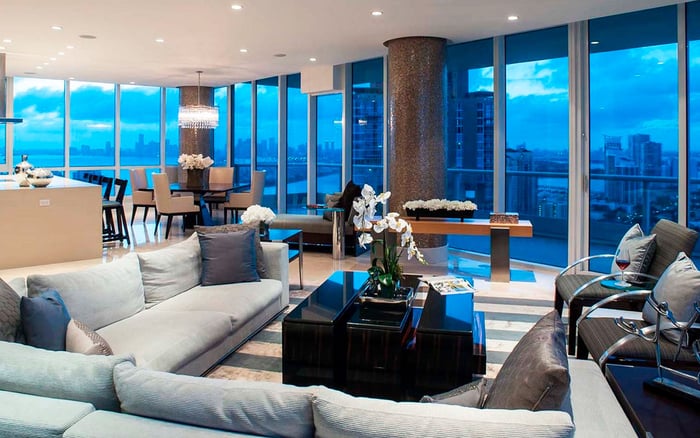
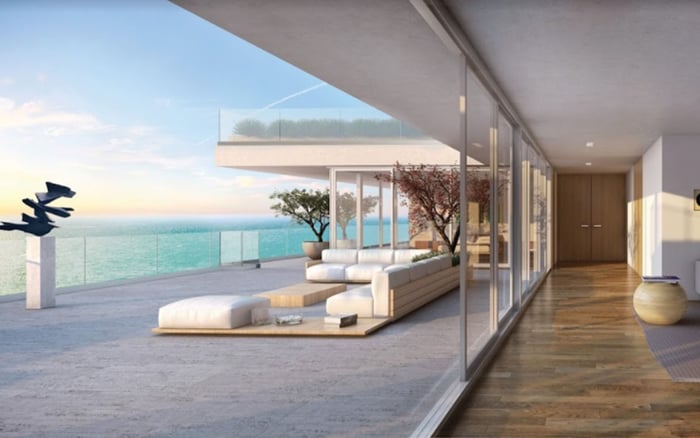
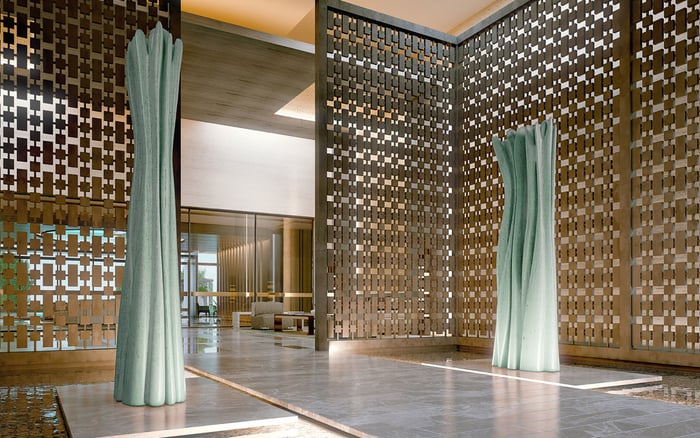
A practical, discreet guide for Bal Harbour buyers who want the refinement of a club-adjacent setting while ensuring their everyday lifestyle, building amenities, beach access, and resale logic remain strong even without private club reliance.
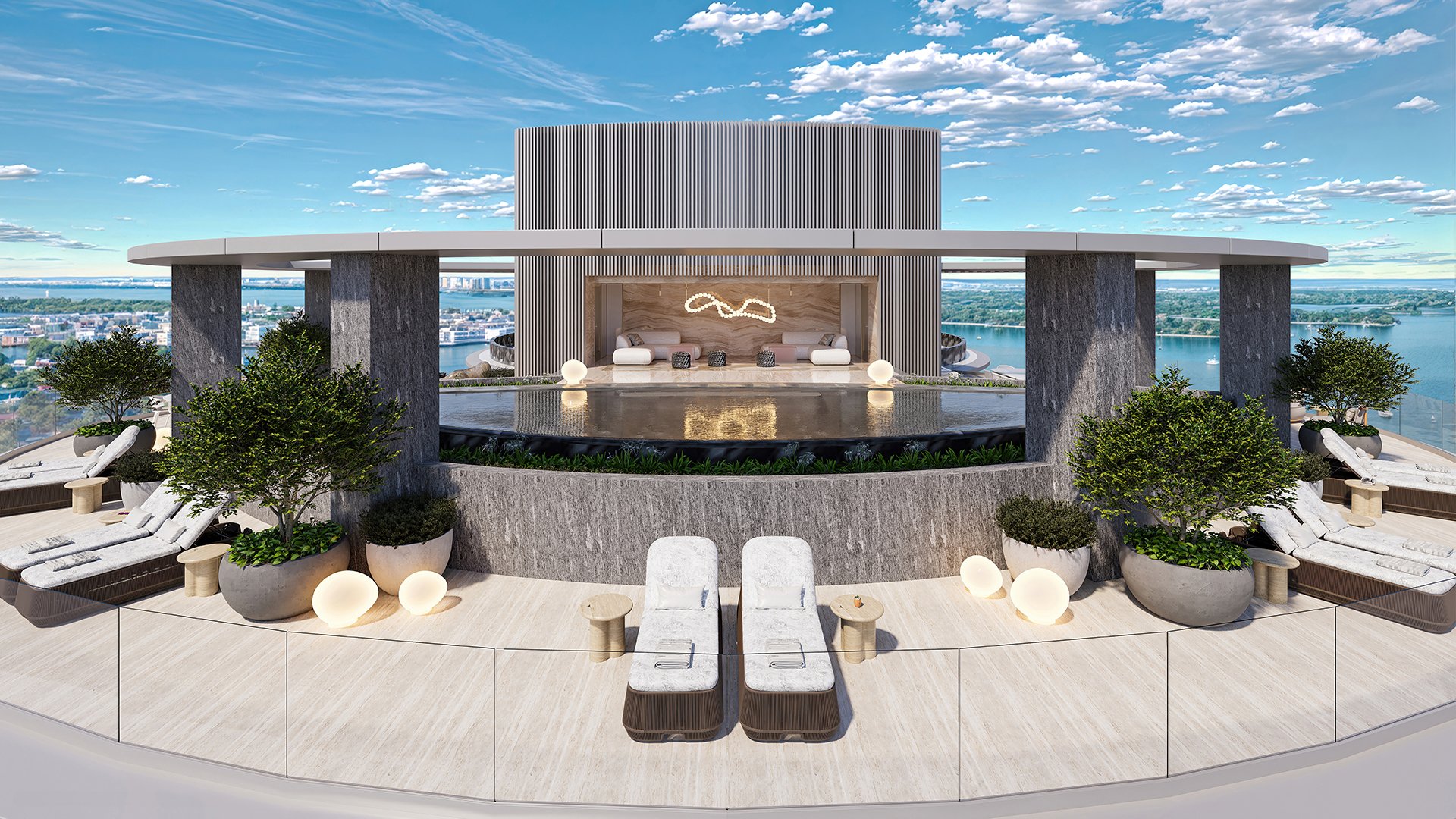
Bal Harbour has a particular allure: polished, compact, coastal, and quietly social. For many buyers, that appeal includes proximity to private-club culture, resort dining, wellness rituals, and the address-driven ease that defines the northern edge of Miami Beach. Yet the most sophisticated purchase analysis begins with a simple question: if no private-club access were available, would the home still deliver the life you want?
That question protects buyers from confusing adjacency with dependency. A club-adjacent residence can be exceptional, but only when the core value of the property stands on its own. The daily experience should be supported by the building, the residence, the beach routine, the neighborhood pattern, and the ease of hosting. Club access, if available, should feel like an enhancement rather than the foundation of the decision.
A buyer considering Rivage Bal Harbour, for example, should assess the residence first as a complete private environment: arrival, views, terrace usability, floor plan, service culture, wellness offerings, parking, guest experience, and the ability to enjoy the address independently. That approach keeps the purchase disciplined and emotionally clear.
The most common mistake is assuming that being near a club, hotel, beach venue, or social institution creates access. Proximity is geographic. Permission is contractual, personal, and often limited. Before purchasing, buyers should distinguish what is included with ownership, what requires a separate membership, what may be invitation-only, and what could change over time.
This is not a negative lens. It is a luxury lens. The more valuable the purchase, the more important it is to understand exactly what belongs to the residence and what exists outside it. If dining, spa, tennis, boating, beach service, or social programming matter, confirm whether they are provided by the building, available publicly, accessible through a separate arrangement, or simply nearby.
A refined buyer should also account for household differences. One spouse may value fitness, another may want quiet beach mornings, children may need easy guest logistics, and visiting family may expect effortless hospitality. If those needs can be met without a club, the purchase becomes far more resilient.
In Bal Harbour, the condominium itself often functions as the buyer’s most reliable private amenity platform. That means the building should be evaluated as if it is the primary club. The question is not merely whether amenities exist, but whether they are designed, staffed, maintained, and used in a way that suits the buyer’s rhythm.
Look closely at the arrival sequence. Is there a sense of discretion? Is valet intuitive? Are service areas separated from resident areas? Does the lobby feel like a private threshold rather than a passageway? These details matter because they shape daily life more than any occasional dinner reservation.
Then study the wellness program. A gym is not the same as a serious fitness environment. A pool is not the same as a calm, well-serviced outdoor room. A treatment suite is not the same as a true spa experience. Buyers should visit at different times when possible, observe noise levels, and ask how amenities are reserved, staffed, and governed.
At Oceana Bal Harbour, buyers should apply the same standard: does the building experience itself offer enough privacy, design presence, and amenity depth to satisfy the household without relying on outside memberships? The answer may vary by buyer, which is precisely why the evaluation should be personal rather than assumed.
Bal Harbour purchasing is not only about architecture. It is about pattern. A beautiful residence can feel less compelling if the owner’s daily routines require too many external arrangements. Before committing, buyers should map an ordinary week in detail: morning walks, beach time, lunch, school or airport drives, wellness, shopping, groceries, pet routines, guests, and evening dining.
Beach-access deserves particular scrutiny. Buyers should understand how they would move from residence to sand, how towels and chairs are handled, whether family and guests can participate easily, and how the experience feels during peak periods. A club may elevate the beach experience, but the residence should not feel incomplete without it.
Dining should be approached with the same discipline. The best lifestyle is not dependent on one room, one reservation, or one membership. It offers options: quiet dinners at home, nearby restaurants, private chef evenings, casual lunches, and the ability to host without logistical strain. If a buyer only loves the address when a specific club table is available, the property may be carrying too much conditional value.
Lifestyle is strongest when ordinary days feel graceful. The most durable luxury is not spectacle. It is friction removed.
Bal Harbour buyers often compare nearby coastal environments to sharpen their priorities. This does not mean abandoning the search. It means understanding what is truly essential. Surfside, Bay Harbor Islands, and Miami Beach can each frame the conversation differently around scale, privacy, walkability, waterfront orientation, and building personality.
A buyer drawn to a quieter residential tone may compare Bal Harbour with The Delmore Surfside to understand how another refined coastal address handles privacy and architectural identity. Likewise, someone who wants a more residential island rhythm may look toward The Well Bay Harbor Islands as a contrast in wellness-oriented living beyond direct oceanfront assumptions.
These comparisons should not become distractions. They should clarify the buyer’s non-negotiables. Is the priority direct ocean atmosphere, a compact luxury village feel, a wellness-driven building, larger interior volume, a lower-key arrival, or access to certain daily conveniences? Once those priorities are ranked, the club-adjacent question becomes easier to answer.
Resale strength often follows clarity. A residence that offers a complete lifestyle independent of outside access can appeal to a wider future buyer pool. A property that requires a particular club relationship, by contrast, may narrow its audience or create uncertainty during negotiation.
This is why buyers should be careful with language. A listing narrative may emphasize nearby lifestyle assets, but the enduring value should be rooted in the residence itself: floor plan, light, views, outdoor space, building quality, service, privacy, and location. Those features travel across market cycles more reliably than informal access assumptions.
Buyers should also review association rules, guest policies, rental restrictions, pet rules, renovation procedures, service charges, and reserve expectations with professional guidance. These are not glamorous details, but they often determine whether a property remains easy to own. In the ultra-premium tier, ease is part of value.
A club-adjacent purchase is at its best when the club is optional. If the buyer joins, the lifestyle becomes richer. If the buyer does not, the home still feels complete.
Before making an offer in Bal Harbour, spend time answering five private questions. Would you enjoy a full season here without joining any club? Would your guests feel well hosted by the building and residence alone? Would your wellness, beach, dining, and privacy needs be met on ordinary weekdays? Would the home remain compelling if outside access rules changed? Would the next buyer understand the property’s value without needing a complicated explanation?
If the answer is yes, the property likely has lifestyle independence. If the answer is no, the buyer should either renegotiate expectations or continue searching. The goal is not to avoid clubs. The goal is to avoid needing them.
The most elegant Bal Harbour purchase is one where the address, residence, and building form a complete world. Everything beyond that becomes a privilege, not a requirement.
What does club-adjacent mean for a Bal Harbour buyer? It means the residence is near a private-club lifestyle, but ownership does not necessarily include access or membership rights.
Should I buy only if I can join a nearby club? No. The residence should satisfy your daily needs even if club access is unavailable, delayed, or separate.
How do I know if a building can stand on its own? Evaluate service, privacy, wellness, pool areas, beach routines, guest handling, and the quality of the arrival experience.
Why is beach-access so important in this decision? Beach-access shapes daily life in a coastal purchase, especially if you want the home to feel complete without outside amenities.
Is Surfside a useful comparison for Bal Harbour? Yes. Surfside can help buyers clarify whether they prefer a different coastal rhythm while remaining near the same broader luxury corridor.
Does club proximity improve resale value? It can support lifestyle appeal, but resale is stronger when the residence has independent value beyond any club relationship.
What should I verify before relying on club access? Confirm whether access is included, separate, limited, transferable, revocable, or subject to approval and ongoing fees.
Can a condominium replace a private club? For some buyers, yes. A well-serviced building with strong wellness, pool, beach, and hospitality features can provide a complete private lifestyle.
Why compare Bay Harbor Islands during a Bal Harbour search? Bay Harbor Islands can clarify whether you value a quieter residential setting over direct oceanfront positioning.
What is the best final test before purchasing? Ask whether you would still choose the residence for a full season with no club membership at all.
For a discreet conversation and a curated building-by-building shortlist, connect with MILLION.
If branded residences are on your mind — as a home or as an allocation — we would be glad to share what we are seeing, privately.
Begin a quiet conversation