For Chicago buyers moving into South Florida’s luxury market, storm-day livability is not a single feature. It is the relationship between location, building operations, access, waterfront exposure, and the private routines that must still feel graceful when the weather turns.
For a Chicago buyer considering Bal Harbour or another South Florida enclave, the first adjustment is psychological. In Chicago, severe weather often means cold, snow, wind, and the impulse to stay above it all in a well-serviced building. In South Florida, the question changes. A home must feel elegant in blue-sky conditions, but it should also remain rational, navigable, and calm when rain, wind, and logistics become the real luxury test.
Storm-day livability is not fear-based buying. It is the mature way to evaluate a residence that may be used year-round, seasonally, or as a family base. A beautiful view is only one part of the equation. The more revealing questions involve arrival, parking, backup systems, lobby function, elevator planning, delivery access, pet routines, and whether the building’s staff and design can support daily life when the outside world becomes less convenient.
That is why this is one of the most important buyer’s guides for relocating families and second-home buyers. The right home should feel serene because the fundamentals have been examined before closing, not because the brochure was persuasive.
Chicago buyers often understand full-service living. They value a secure arrival sequence, reliable elevators, protected parking, strong front-desk culture, and proximity to restaurants, offices, schools, or airports. In South Florida, those same preferences need to be translated through a coastal lens.
Begin by mapping a real storm-day routine. If you could not drive for several hours, would the home still function? If staff access were delayed, would the residence be easy to manage? If you work remotely, is there a comfortable interior zone away from glass and exterior noise? If you have dogs, children, elderly relatives, or medical appointments, is the neighborhood forgiving when traffic and weather converge?
For buyers who want a dense urban setting, The Residences at 1428 Brickell keeps the conversation in Brickell, where storm-day livability is less about beach proximity and more about tower operations, garage access, walkability when conditions are mild, and the discipline of a vertical lifestyle.
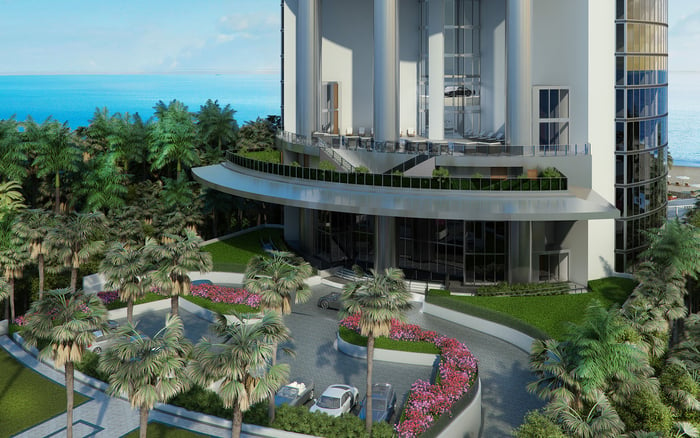
Bal Harbour appeals to buyers who want a polished, discreet coastal setting with a more residential mood than the urban core. The storm-day question is whether the home’s elegance is matched by practical access, parking clarity, building management, and an interior plan that still feels generous when outdoor terraces are not usable. Rivage Bal Harbour belongs naturally in that discussion because Bal Harbour buyers are often weighing privacy, waterfront presence, and daily ease in the same decision.
Miami Beach requires a different lens. It can be glamorous, historic, highly social, and intensely lifestyle-driven, but buyers should be precise about where they want to be and how they will live during heavy weather. A residence near the sand may carry the emotional pull of the coast, while the practical evaluation should still include garage position, lobby thresholds, route options, and how the home feels when the balcony doors remain closed. The Perigon Miami Beach is the type of address that invites a deeper conversation about beachfront living and the operational details behind it.
Sunny Isles Beach often attracts buyers who want height, views, and a skyline-oriented version of resort living. The draw is unmistakable, but the buyer’s diligence should be equally elevated. Ask how comfortable the residence feels in sustained rain, how the arrival court functions, how valet or self-parking is handled, and whether the building’s common areas provide useful indoor alternatives when the beach is not part of the day. St. Regis® Residences Sunny Isles can be considered within that high-service coastal category.
Coconut Grove offers another answer. It is not a substitute for the beach; it is a different emotional register. Buyers drawn to tree canopy, marinas, village dining, and a more residential pace may find that the best storm-day amenity is not spectacle, but flexibility. Four Seasons Residences Coconut Grove places the conversation in Coconut Grove, where access, neighborhood texture, and interior calm may matter as much as the view.
The most elegant purchase process becomes highly practical at this stage. Ask what parts of the building are supported by backup power. Clarify whether elevators, cooling, access control, communications, water systems, and essential common areas have defined operating plans. Do not accept a general statement when a specific answer is available.
Parking deserves special attention. A magnificent residence becomes less convenient if the garage approach, assigned space, or vehicle retrieval process turns frustrating during heavy rain. Buyers should also examine where storage is located, how bicycles or paddleboards are managed, whether package rooms are protected, and how service elevators are used when many residents are adjusting plans at once.
Inside the residence, look beyond finishes. Impact-rated glazing, terrace drainage, door seals, mechanical closets, and protected areas for loose outdoor furniture all shape the lived experience. A storm-day home should not require last-minute choreography that feels improvised. It should have a place for everything, including the items that normally make outdoor living feel effortless.
Waterfront living is one of South Florida’s great privileges, but the best buyers treat it as both beauty and responsibility. A direct water view may transform the emotional value of a home. It may also place greater importance on construction quality, maintenance culture, insurance review, and the building’s long-term approach to exterior systems.
High floors can feel serene, especially for buyers accustomed to Chicago’s vertical luxury market. They may also intensify wind perception and make elevator planning more important. Lower floors can offer a closer relationship to landscape and water, but they require their own scrutiny around garage position, lobby elevation, and privacy. Neither is inherently superior. The correct answer depends on the buyer’s tolerance for height, need for convenience, and appetite for waterfront drama.
The most sophisticated choice is not always the most theatrical. It is the home where the owner can wake up after a long night of weather and still move through the day with composure.
Before choosing between Bal Harbour, Miami Beach, Brickell, Sunny Isles Beach, or Coconut Grove, imagine staying in the residence for three quiet days with limited outside movement. Where would you work? Where would children settle? Could guests sleep comfortably? Would the kitchen, pantry, laundry, and storage feel adequate? Could a dog be managed without turning the day into a negotiation?
This exercise is especially useful for Chicago buyers, who may be comparing South Florida homes during perfect weather. The showing may occur on a glittering afternoon, but ownership includes the less cinematic days. Storm-day livability is the art of choosing a home that remains gracious when the view is gray, the terrace is closed, and the most valuable amenity is calm.
What does storm-day livability mean in South Florida? It means the home and building remain comfortable, functional, and manageable during heavy weather, not just beautiful on clear days.
Should a Chicago buyer prioritize new construction? Newer buildings may offer contemporary systems and design, but the better question is documentation, maintenance culture, and how essential functions are supported.
Is Bal Harbour practical for full-time living? Bal Harbour can suit full-time owners who value privacy, coastal elegance, and a quieter residential rhythm, provided access and building operations align with daily needs.
Is Miami Beach too exposed for storm-conscious buyers? Not necessarily. The decision should be made building by building, with attention to parking, elevation, operations, and how the residence functions indoors.
How should I compare Brickell with the beach? Brickell is typically evaluated as an urban vertical lifestyle, while beach areas require a sharper look at coastal exposure, arrival logistics, and terrace management.
Are high floors better during storms? High floors may offer views and privacy, but buyers should consider wind perception, elevator reliance, and personal comfort during prolonged weather events.
What should I ask building management before buying? Ask about backup power, elevator plans, garage procedures, staffing protocols, water systems, communications, and how residents are supported during major weather.
Does waterfront always mean more complexity? Waterfront homes can be exceptionally rewarding, but they deserve closer review of exterior systems, insurance considerations, maintenance history, and building discipline.
Is Coconut Grove a good alternative to oceanfront living? Coconut Grove may appeal to buyers who prefer neighborhood texture, greenery, marina culture, and a calmer residential feel over direct beachfront energy.
Can a seasonal owner evaluate storm-day livability remotely? A seasonal owner can begin remotely, but the strongest decisions usually come from reviewing building documents and walking the arrival, garage, lobby, and residence in person.
For a discreet conversation and a curated building-by-building shortlist, connect with MILLION.
If branded residences are on your mind — as a home or as an allocation — we would be glad to share what we are seeing, privately.
Begin a quiet conversation