A discreet buyer’s guide to evaluating privacy at Waldorf Astoria Residences Pompano Beach, from sightlines and arrivals to service protocols, digital systems, guests, vendors, amenities, acoustics, and condominium documents.
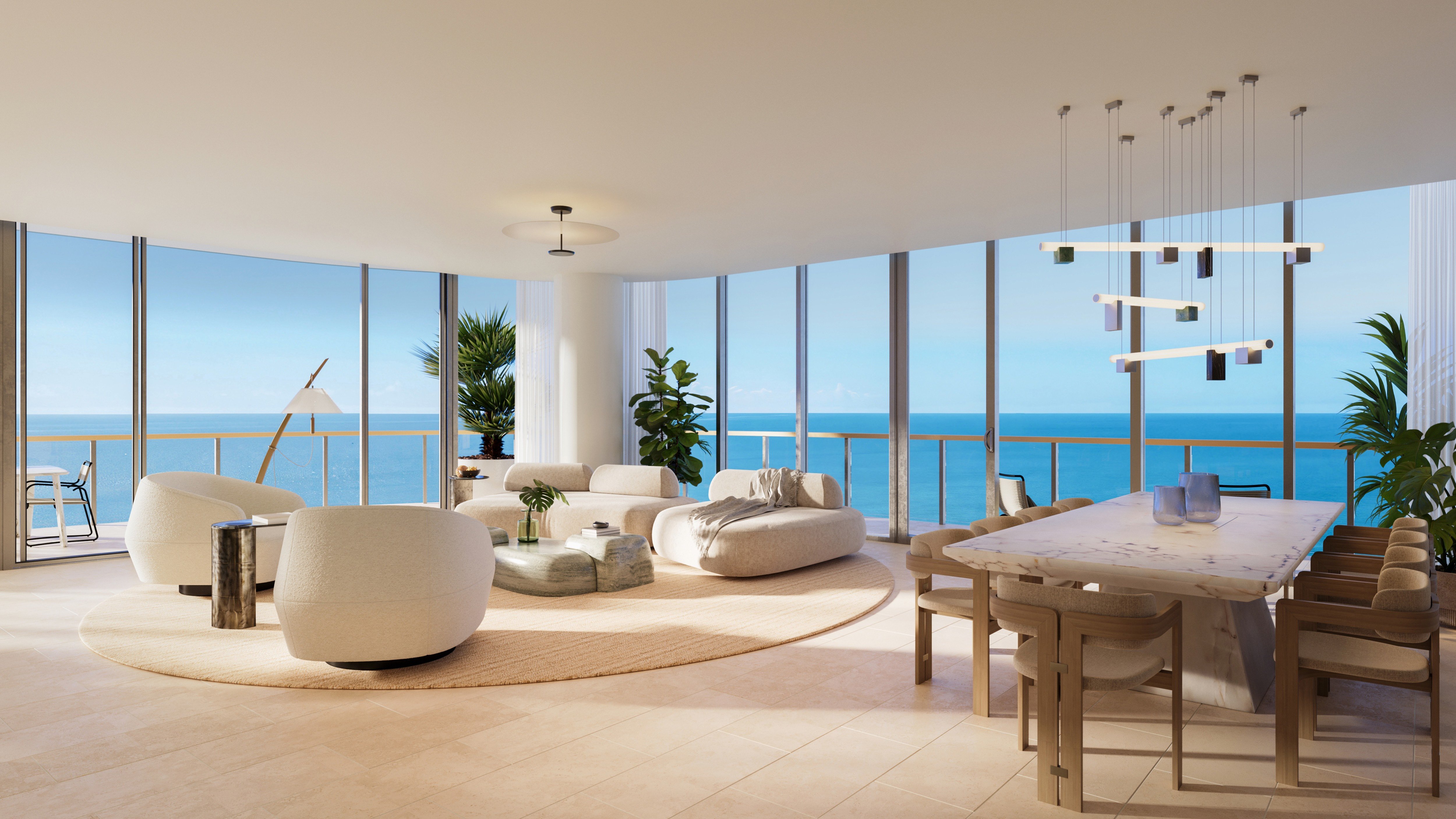
A model residence at Waldorf Astoria Residences Pompano Beach will naturally draw attention to finishes, proportions, light, terrace depth, and the emotional pull of the ocean. For a serious buyer, however, the more revealing tour is quieter. It asks how daily life will be protected once the residence is occupied.
The right frame is privacy due diligence. Before deciding whether the residence fits, buyers should separate privacy into three categories: physical, digital, and social or operational. Each matters differently. Physical privacy concerns sightlines, sound, arrivals, elevators, and proximity to shared spaces. Digital privacy concerns data, credentials, apps, cameras, Wi-Fi, and access logs. Social privacy concerns staff interaction, guest flow, vendors, amenity management, filming, photography, and the policies that shape daily discretion.
Pompano Beach has become a more sophisticated luxury market, with oceanfront branded and lifestyle projects inviting buyers to compare service cultures as closely as architecture. That comparison is useful, whether looking at The Ritz-Carlton Residences® Pompano Beach, Armani Casa Residences Pompano Beach, or Waldorf Astoria Residences Pompano Beach. The central question is not which name feels most polished. It is how each building intends to preserve privacy when the residence is actually being used.
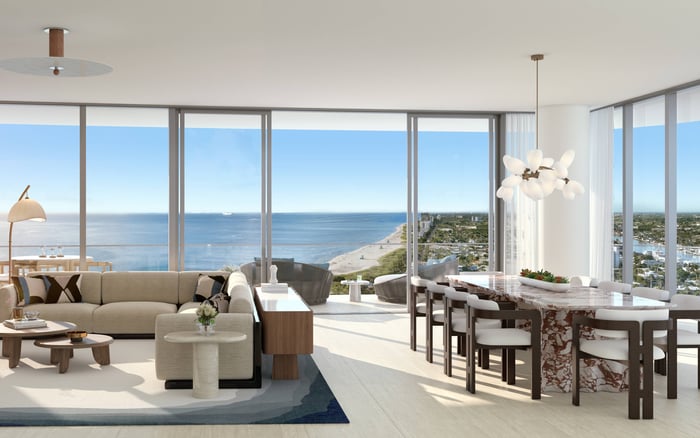
Oceanfront glass creates drama, but it can also create exposure. During the model residence tour, ask the sales team to stand at the windows and explain the full sightline condition. What can be seen from the beach? What can be seen from nearby terraces, amenity decks, public areas, marinas, neighboring buildings, or potential tower locations? How does that change from lower floors to upper floors, from day to night, and from interior lighting conditions to terrace use?
Buyers should also ask how each residence is oriented relative to neighboring buildings, the beach, amenity spaces, and public zones. A plan that feels private in a model gallery may perform differently once viewed within the actual urban and coastal context. If renderings are used to explain privacy, ask whether they account for possible future neighboring development that could alter views, sightlines, or the feeling of enclosure.
This is especially important for buyers who use a residence as a second home, host quietly, or travel with family office staff, security, household employees, or guests who value discretion. A beautiful exposure is not automatically a private exposure. The better question is whether the architecture gives you choice: curtains open without performance, terraces used without visibility anxiety, and entertaining that feels residential rather than observed.
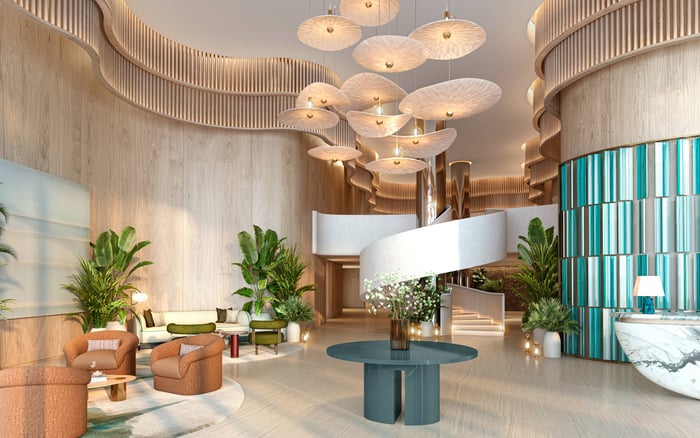
The arrival sequence is one of the most important privacy questions in any luxury condominium. Before focusing on the kitchen or primary suite, ask to walk through the intended experience from curb to front door. How does valet operate? Where do residents enter? Where do guests wait? Is there a resident-only access point? Can an arrival be handled discreetly if a buyer wants minimal interaction?
Branded residences often promise elevated service, but service creates both privacy benefits and privacy risks. A polished arrival can reduce friction, yet it can also increase the number of people who observe patterns, vehicles, visitors, and schedules. Ask how lobby flow is organized, whether residents and non-residents are separated, and how the building prevents unnecessary exposure at peak times.
Elevator privacy deserves its own conversation. Ask whether elevators are shared, key-accessed, destination-controlled, or otherwise designed to limit interaction among residents, guests, vendors, and staff. Do not assume that a luxury arrival means a private vertical path. The difference between a serene residence and a socially visible one may be the two minutes between lobby and door.
Privacy is only as strong as the weakest access point. Buyers should ask who can enter private residences, under what conditions, and with what authorization. How are master keys or digital credentials controlled? Are access events logged? Who can review those logs, and how long are they retained? If a resident requests service while away, what is the protocol for entry, supervision, and confirmation?
Guest and vendor policies also deserve scrutiny. Ask about pre-registration, escort rules, delivery procedures, service elevator use, after-hours access, and limits on where guests and vendors may circulate. The question is not whether the building is service-oriented. It is whether service is structured enough to be discreet.
For buyers comparing nearby projects such as W Pompano Beach Hotel & Residences or Ocean 580 Pompano Beach, the access conversation should remain consistent: who gets in, who knows, who records it, and what happens when procedures are tested by real life.
The Waldorf name naturally suggests hospitality-minded service, but a buyer should not turn brand expectation into operational assumption. High-touch service places staff closer to residents, routines, guests, preferences, deliveries, and private spaces. That closeness can be valuable when governed well. It can be intrusive when poorly defined.
Ask how staff are vetted, trained, supervised, and bound by confidentiality expectations. Ask whether there are written standards for discretion, photography, conversations about residents, and handling personal information. Ask how contractors and third-party vendors are brought into the same privacy culture. A luxury building may have a beautiful service promise, but the buyer needs to understand the rules behind the promise.
This point is often understated. Privacy is not only about hiding from the outside world. It is also about reducing unnecessary knowledge inside the building. A doorman, valet, concierge, housekeeper, technician, or vendor may each see a fragment of a resident’s life. The question is how those fragments are contained.
A modern residence can collect more information than a buyer realizes. During the tour, ask what data may be collected by smart-home systems, access control, Wi-Fi networks, resident apps, cameras, license-plate systems, package platforms, amenity reservations, and service-request tools. Then ask where that data is stored, who can access it, how long it is retained, and whether it connects to a broader hospitality or brand ecosystem.
Digital privacy should be discussed before contract review, not after move-in. A residence may feel private behind glass and stone, yet still leave a detailed trail of entries, service requests, visitors, license plates, device connections, and preferences. Buyers who are highly visible in business, entertainment, finance, technology, or public life should be especially direct about this category.
Ask for technology specifications. Ask for policies in writing. Ask who administers the systems and whether residents can opt out of nonessential platforms. If a feature is marketed as convenient, ask what data it requires to become convenient.
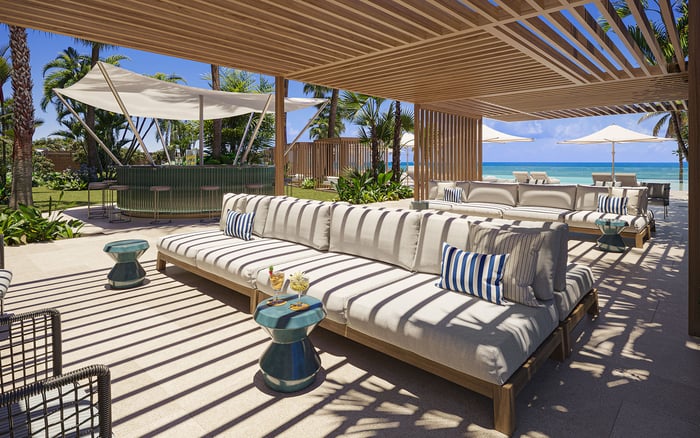
Amenity privacy is often overlooked because amenities are shown at their most elegant and empty. Ask how shared spaces are managed to prevent overcrowding, unauthorized guests, or unwanted visibility during private use. Are guest limits defined? Are reservations required for certain spaces? Are photography, filming, media activity, and drones governed by association rules?
Association documents matter because they transform hospitality language into enforceable policy. Buyers should review rules governing short-term rentals, guest turnover, amenity access, photography, filming, media, drones, deliveries, and vendor procedures. These rules can shape whether the building feels calm, residential, and protected or socially porous.
Sound privacy belongs in the same conversation. Ask about wall assemblies, corridor noise, terrace noise, mechanical systems, and acoustic separation between residences. Stand quietly in the model and ask what the model cannot demonstrate. A residence can be visually discreet while acoustically exposed.
Finally, remember that the model residence may not reveal operational privacy details. Before making a judgment, request condominium documents, technology specifications, security protocols, access policies, staff standards, and association rules. Privacy is not a mood. It is a structure.
Should privacy be discussed before or after touring the model residence? It should be discussed before and during the tour so the buyer evaluates design, operations, and technology together.
What is the first privacy question to ask at Waldorf Astoria Residences Pompano Beach? Ask how the residence is oriented relative to the beach, neighboring buildings, public areas, and amenity spaces.
Why do glass-heavy oceanfront residences require extra privacy review? Expansive glass can create sightline exposure from beaches, terraces, marinas, or nearby towers, especially at night.
Should buyers ask about future development nearby? Yes. Buyers should ask whether current privacy assumptions account for possible neighboring development that could alter sightlines.
What should buyers ask about the arrival sequence? Ask how valet, lobby flow, resident-only access, guest waiting areas, and discreet arrivals are handled.
Why is elevator privacy important? Elevators shape daily interaction, so buyers should understand whether access is shared, key-controlled, or designed to limit exposure.
What digital privacy topics should be reviewed? Ask about data from smart-home systems, Wi-Fi, access control, resident apps, cameras, license-plate tools, and service platforms.
How should buyers evaluate staff discretion? Ask how staff are vetted, trained, supervised, and bound by confidentiality expectations in daily operations.
Do association rules affect privacy? Yes. Rules on rentals, guests, amenities, photography, filming, media activity, and drones can materially affect privacy.
What is the best way to shortlist comparable options for touring? Start with location fit, delivery status, and daily lifestyle priorities, then compare stacks and elevations to validate views and privacy.
If you'd like a private walkthrough and a curated shortlist, connect with MILLION.
If branded residences are on your mind — as a home or as an allocation — we would be glad to share what we are seeing, privately.
Begin a quiet conversation