A discreet buyer’s guide for Mexico City residents evaluating an oceanfront residence in Bal Harbour, with practical guidance on lifestyle fit, privacy, building selection, and cross-border ownership planning.

For a Mexico City-based buyer, choosing an oceanfront residence in Bal Harbour is rarely a single-property decision. It is a lifestyle decision shaped by privacy, family logistics, architectural taste, service expectations and the desired distance from Miami’s more visible social energy. The best purchase is not simply the residence with the most dramatic view or the most recognizable building name. It is the home that supports how the owner actually lives when in South Florida.
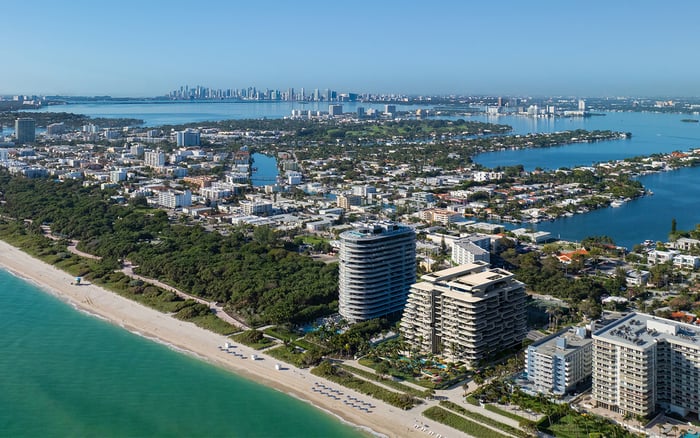
Bal Harbour occupies a distinctive position in the coastal hierarchy. It feels quieter than much of Miami Beach, more intimate than Sunny Isles Beach and more resort-like than many mainland waterfront neighborhoods. That combination is precisely why it appeals to buyers who value discretion. The neighborhood allows a resident to arrive, settle quickly, entertain elegantly and retreat without feeling removed from the broader Miami experience.
As with any serious buyer’s guide, the starting point should be personal rhythm. Is the residence intended for long winter stays, short cultural weekends, multigenerational holidays or a future primary base? The answer will guide everything from building scale and elevator privacy to service staffing, terrace usability and whether a larger residence is worth the carrying cost.
Oceanfront living is seductive because the promise is immediate: light, horizon, breeze and the visual calm of the Atlantic. Yet the most successful buyers look beyond the postcard. They study how the building meets the sand, how residents move from lobby to pool to beach, how service is handled, how arrivals feel at night and whether the architecture gives the residence a sense of permanence.
In Bal Harbour, the oceanfront experience should feel composed. Buyers considering Rivage Bal Harbour, for example, are usually evaluating a more current expression of waterfront living, where design, amenity programming and privacy expectations must align with a global standard. By contrast, a buyer studying Oceana Bal Harbour may be drawn to an established oceanfront address with a name already familiar within the local luxury conversation.
The key is not to assume that every ocean-facing residence lives the same way. Some floor plans privilege sunrise and formal entertaining. Others are better suited to families who want separation between guest suites, staff access and private primary areas. A residence can have an extraordinary view and still be wrong if it does not support the owner’s daily rituals.
For many Mexico City buyers, privacy is not a luxury feature. It is the baseline. The right building should make arrival feel effortless rather than performative. Look closely at the porte cochere, valet rhythm, lobby scale, elevator configuration and how guests are announced. These details are not minor. They determine whether the home feels calm during holidays, school breaks and high-season weekends.
Service is equally important. A strong oceanfront building should reduce friction. Beach setup, package handling, security presence, maintenance response and front-desk discretion all contribute to the value of ownership. The most desirable residence is often the one that lets an owner move between Mexico City and South Florida without rebuilding routines each time.
Ask practical questions early. How does the building handle extended absences? What is the process for approved vendors? Can a house manager access the residence with ease? Are there rules that affect private chefs, drivers, trainers or visiting family? The answers shape the lived experience more than any glossy amenity description.
Bal Harbour is not the only answer for a refined coastal buyer. It is the answer for a specific buyer profile. Someone who wants quiet luxury, polished shopping proximity and a lower-density emotional register may find it compelling. A buyer who wants a broader restaurant and nightlife cadence may prefer Miami Beach, especially in buildings that balance resort energy with private residential service.
For those who want the Miami Beach atmosphere without surrendering architectural seriousness, The Perigon Miami Beach may enter the conversation as an alternative coastal reference point. It speaks to buyers who are open to a slightly different rhythm, where access to the wider island lifestyle becomes part of the value proposition.
Surfside offers another adjacent mood: residential, quieter and close enough to Bal Harbour to feel connected while maintaining its own identity. A building such as The Delmore Surfside may appeal to buyers who want oceanfront presence with a more residential village feeling. Sunny Isles Beach, by comparison, often appeals to those who prefer taller skylines, expansive views and a more vertical interpretation of resort condominium living. St. Regis® Residences Sunny Isles belongs in that broader comparison for buyers who want branded service and a recognizably international context.
Begin with exposure. An east-facing ocean view is powerful, but the best choice depends on how the owner uses the home. Morning light may be ideal for quiet breakfasts and wellness routines. Wider corner exposures may better suit entertaining. Lower floors can feel more connected to the beach and landscape, while higher floors may provide a more cinematic horizon.
Then study the plan. Formal entry, gallery walls, kitchen placement, staff circulation, suite separation and terrace depth all matter. A Mexico City buyer used to generous entertaining spaces may find that some condominium layouts require compromise. The right plan should allow both intimacy and occasion.
Also evaluate building culture. Some addresses feel social. Others feel private and residential. Neither is inherently superior. The question is whether the atmosphere matches the owner’s expectations. A buyer who wants a discreet second-home environment should be careful not to choose a building whose daily rhythm feels too hotel-like or too visible.
Finally, treat governance as part of due diligence. Review rules, financial obligations, renovation policies and leasing restrictions with professional advisors. A beautiful residence can become frustrating if the building’s operating culture conflicts with the way the owner intends to use it.
The most elegant purchase process is the one prepared in advance. Before making an offer, international buyers should coordinate legal, tax, financing, estate and insurance considerations with qualified advisors. Ownership structure, succession planning, currency strategy and closing logistics deserve attention before emotions attach to a specific view.
This is especially important for buyers moving between Mexico City and South Florida. The residence may function as a vacation home, legacy asset, family gathering place or eventual relocation platform. Each use case can imply a different ownership approach. Clarifying the purpose early helps avoid revisions later.
A good advisory team should also help interpret carrying costs, building obligations and long-term liquidity. Oceanfront residences are emotional assets, but they remain financial commitments. The strongest buyers understand both sides: the pleasure of the home and the discipline of the acquisition.
Is Bal Harbour a good fit for a Mexico City buyer? Yes, for buyers who want privacy, oceanfront living, polished service and access to Miami without being in the center of its busiest districts.
Should I choose Bal Harbour over Miami Beach? Choose Bal Harbour if discretion and calm are priorities. Choose Miami Beach if a more active cultural and dining rhythm is central to the purchase.
What matters most in an oceanfront floor plan? Exposure, terrace depth, bedroom separation, entertaining flow and service access should all be evaluated before focusing on finishes.
Is a higher floor always better? Not always. Higher floors may offer broader views, while lower floors can feel more connected to the ocean, gardens and beach experience.
How important is building service? Extremely important. Service quality shapes the ownership experience, especially for buyers who travel frequently and expect the residence to be ready on arrival.
Should I compare Surfside and Sunny Isles Beach? Yes. Surfside may feel quieter and more residential, while Sunny Isles Beach can offer a taller, more resort-oriented condominium environment.
What should I review before making an offer? Review building rules, carrying costs, renovation policies, ownership structure, insurance needs and any restrictions that affect your intended use.
Do international buyers need local advisors? Yes. Legal, tax, financing and estate planning advice should be coordinated before a purchase contract is signed.
Is Bal Harbour better for a second home or a primary home? It can work for either, depending on the building, residence size, family needs and the owner’s desired pace in South Florida.
What is the best first step? Define how the residence will be used, then compare buildings through that lens rather than beginning with view, brand or price alone.
For a confidential assessment and a building-by-building shortlist, connect with MILLION.
If branded residences are on your mind — as a home or as an allocation — we would be glad to share what we are seeing, privately.
Begin a quiet conversation