A discreet buyer’s guide to evaluating emergency power standards in Sunny Isles Beach luxury real estate, including generators, elevators, pumps, fuel planning, maintenance, and storm readiness.
In Sunny Isles Beach, luxury real estate is often judged first by the horizon line: ocean, Intracoastal, sunrise, sunset, and the uninterrupted sense of elevation that comes with a high-floor residence. Yet sophisticated buyers now ask a quieter question before they are drawn in by glass, stone, and private terraces: what happens when municipal power is interrupted?
Emergency power is not a decorative amenity. It is part of the living standard, especially in a vertical coastal market where elevators, access control, water pressure, lighting, communications, and climate management all shape the ownership experience. A residence can be exquisitely finished and still leave unanswered questions about generator capacity, fuel duration, maintenance, and how essential systems are prioritized during an outage.
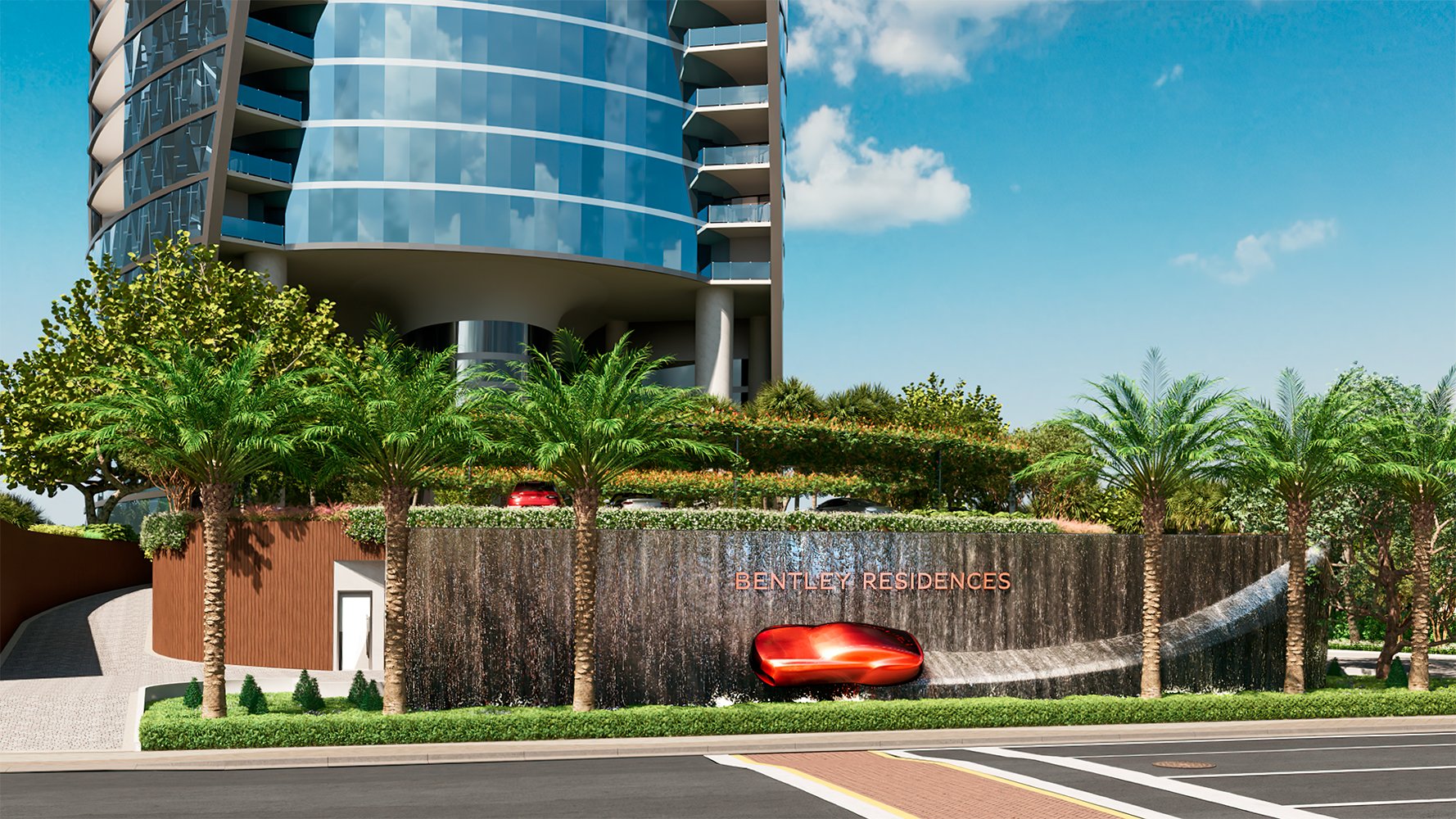
This is not about fear. It is about due diligence. In a market that includes properties such as Bentley Residences Sunny Isles, St. Regis® Residences Sunny Isles, and other oceanfront addresses, emergency power deserves the same scrutiny as ceiling heights, service culture, and private amenity programming.
The first question is simple, but the answer should not be: does the property have emergency power? Many buyers stop there. A more useful approach is to ask what the generator is designed to support, how long it is intended to operate, where it is located, how it is protected, and which systems are excluded.
Ask whether emergency power is dedicated to life-safety systems only or whether it also supports residential conveniences that matter in a luxury setting. These may include select elevators, corridor lighting, garage access, lobby systems, water pumps, security infrastructure, communications, and limited cooling for common areas. If a building can power a fire panel but cannot move residents efficiently through the tower, the practical experience may fall short of expectations.
For new-construction purchases, request written detail early rather than relying on verbal assurances. For resale purchases, ask for the association’s operating documents, recent maintenance history, and any engineering summaries that describe the backup power system. A polished lobby presentation is not a substitute for understanding the actual scope of coverage.
In a luxury tower, elevators are not simply a convenience. They are the bridge between privacy and access. A buyer considering a high-floor residence should ask how many elevators are connected to emergency power, whether service is available to all residential levels, and whether there is a defined priority sequence during an outage.
The question becomes especially important for owners who expect staff, family members, medical support, pets, or deliveries to move through the building during a service interruption. If only one elevator is powered, ask whether it serves every floor or only certain zones. If there are separate passenger, service, and private elevators, ask which are covered and how the building manages demand.
At towers such as The Ritz-Carlton Residences® Sunny Isles, the buyer’s expectations may naturally include refined service continuity. The diligence question is whether the building’s emergency systems align with the lifestyle promise, not merely whether they satisfy minimum operational needs.
Emergency power is also about the systems no one sees during a property tour. Water delivery, pressure pumps, sump pumps, stormwater management, domestic hot water, garage ventilation, and mechanical controls can be as important as elevator service. A tower feels functional only when these systems remain coordinated.
Ask whether domestic water pumps are connected to emergency power. Ask whether sewage ejector pumps or storm-related pumping systems have backup support where applicable. Ask how the garage, loading areas, and lower mechanical spaces are protected and monitored. In coastal living, waterfront beauty should be matched by disciplined infrastructure.
Buyers should also clarify whether any in-unit systems are supported. In most condominiums, emergency power is generally focused on common and essential systems rather than powering each residence as if nothing has happened. Still, some buildings may provide limited backup for specific circuits or critical building services. The correct question is not whether the residence will feel normal, but what level of comfort and access can reasonably be expected.
A generator without a clear fuel strategy is an incomplete answer. Ask what type of fuel is used, where it is stored, how refueling is handled, and how long the system is designed to operate under anticipated load. Then ask who maintains it, how often it is tested, and whether records are available for review.
Testing is particularly important. A system that performs during a scheduled exercise may not behave the same way under prolonged demand if maintenance has been deferred. Buyers should ask for evidence of regular service, load testing, inspection history, and any known deficiencies. These questions belong in the same category as reviewing reserves, insurance, and building financials.
For a property such as Turnberry Ocean Club Sunny Isles, the conversation should extend past finishes and amenities into operational readiness. In the upper tier of Sunny Isles Beach, reliability is part of the luxury proposition.
Emergency power systems are capital assets. They require maintenance, periodic repair, and eventual replacement planning. Buyers should ask how the association budgets for generator upkeep, fuel management, transfer switches, control panels, pumps, and related electrical infrastructure.
Review whether reserves or operating budgets contemplate these systems appropriately. A building may have impressive equipment, but if maintenance funding is thin or documentation is vague, the ownership risk becomes less elegant. This is where a strong real estate advisor, attorney, and inspector can help translate technical documents into practical ownership implications.
Buyer’s guides often focus on pricing, views, and floor plans. In Sunny Isles Beach, a serious guide should also include resilience. Emergency power is not separate from value. It influences confidence, convenience, insurability conversations, and the long-term perception of a building’s stewardship.
When touring or negotiating, ask for specifics in writing. Which systems are powered? Which elevators operate? Are water pumps included? What is the estimated runtime? Where is fuel stored? Who maintains the generator? How often is it tested? Are recent service records available? Have there been any major repairs? Are capital improvements planned?
Ask the same questions across multiple properties so the answers become comparable. A buyer looking at The Estates at Acqualina Sunny Isles may have different expectations than a buyer prioritizing boutique scale elsewhere, but the discipline of inquiry should remain consistent.
The best buildings are not necessarily the ones that promise uninterrupted luxury. They are the ones that can explain, with clarity, how they manage essential systems when conditions are imperfect. In a coastal vertical market, that clarity is a form of quiet prestige.
Should I ask about emergency power before making an offer? Yes. Emergency power affects daily comfort, access, and risk, so it should be reviewed before key contract deadlines.
Is having a generator enough? No. The more important question is which systems the generator supports and how long it can operate under load.
Do luxury condos usually power every residence during an outage? Buyers should not assume that. Many systems prioritize common, access, and life-safety functions rather than full in-unit power.
Why are elevators such a critical question in Sunny Isles Beach? High-rise living depends on vertical access, especially for owners on upper floors, families, staff, pets, and emergency needs.
Should water pumps be part of the review? Yes. Water pressure and pumping systems can determine whether a residence remains practically usable during an outage.
What documents should I request? Ask for maintenance records, testing logs, budget details, reserve information, and any summaries describing emergency systems.
How should I compare one building with another? Use the same checklist for each property: generator scope, elevator coverage, pump support, fuel plan, testing, and funding.
Can an inspector evaluate emergency power systems? A qualified inspector or engineer can help interpret visible equipment and documentation, but access may depend on the association.
Does emergency power influence resale confidence? It can. Buyers increasingly value buildings that show disciplined infrastructure planning and clear operational standards.
What is the most important question to ask first? Ask which exact systems remain operational during an outage, then request documentation that supports the answer.
If you'd like a private walkthrough and a curated shortlist, connect with MILLION.
If branded residences are on your mind — as a home or as an allocation — we would be glad to share what we are seeing, privately.
Begin a quiet conversation