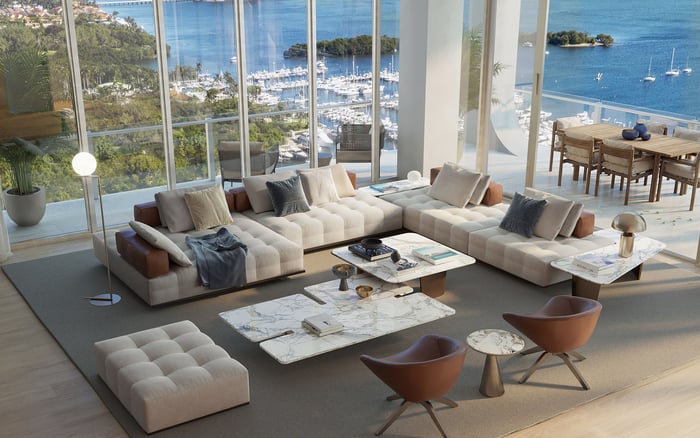
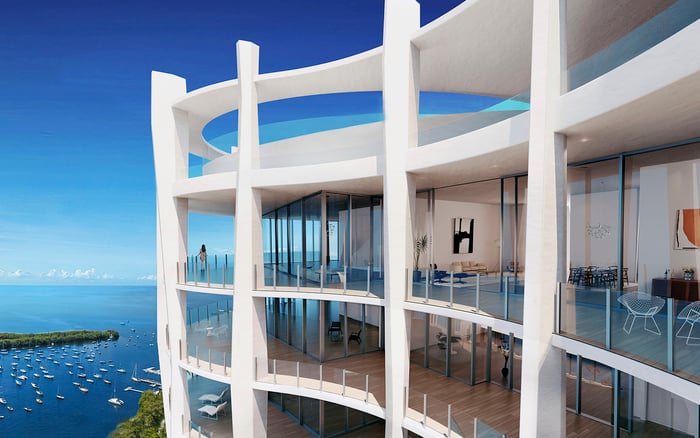
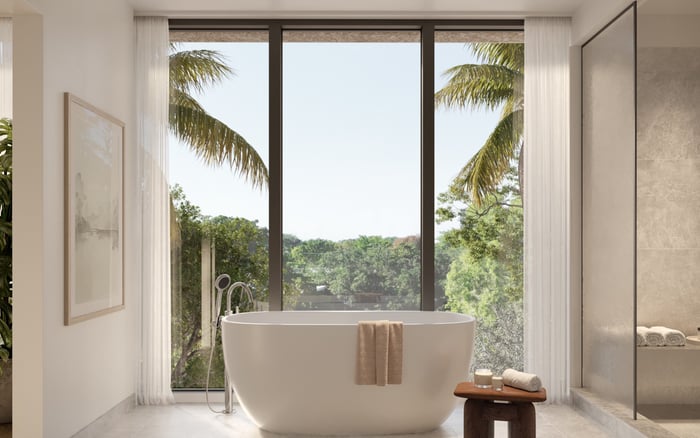
A practical luxury buyer’s guide to judging whether a Coconut Grove terrace will feel livable in real heat, shifting wind, humidity, rain, and daily use before closing.
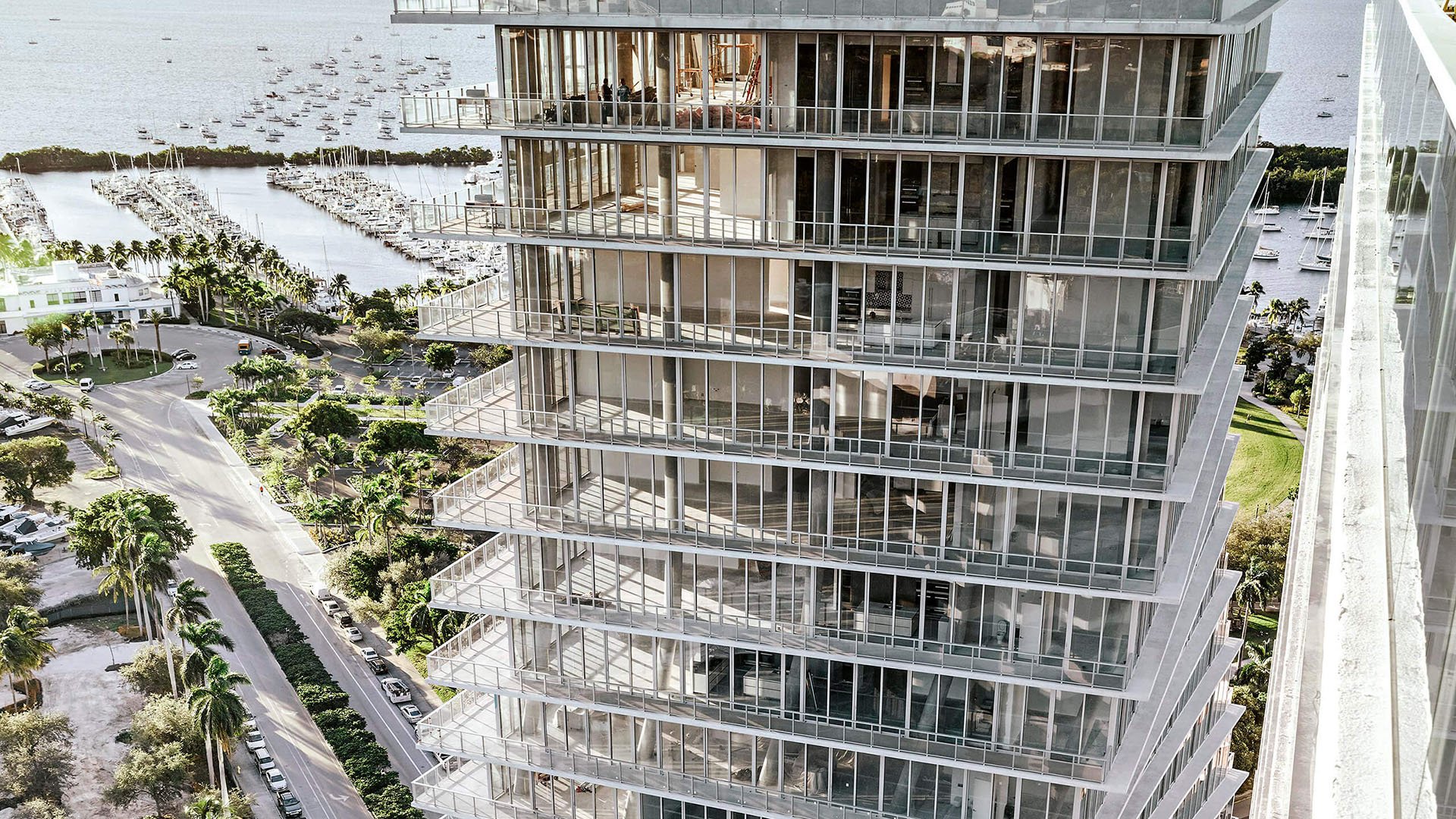
In Coconut Grove, a terrace can be one of the most compelling parts of a residence. It suggests breakfast outside, quiet evenings after dinner, a protected place for planting, and a natural extension of the living room. Yet buyers should resist judging outdoor space by size alone. The sharper question is whether the terrace will be used often, comfortably, and without constant compromise.
A deep outdoor area that bakes in the afternoon, funnels wind across the dining table, or offers little privacy may prove less valuable in daily life than a smaller, better-protected outdoor room. This is especially important for buyers comparing new-construction residences, where renderings may emphasize atmosphere while the finished experience depends on orientation, overhangs, railings, ceiling heights, and the way the tower or boutique building meets the weather.
This buyer’s guide perspective is simple: treat the terrace as a room with climate, acoustics, circulation, and maintenance needs. In Coconut Grove, where indoor-outdoor living is central to the lifestyle proposition, the terrace should earn its place in the purchase decision.
Begin by asking when you expect to use the outdoor space. Morning coffee, late lunch, sunset cocktails, and weekend entertaining each place different demands on shade and comfort. A terrace that is pleasant early in the day may feel exposed later. Another may be less dramatic in photographs but more livable because its overhangs, adjacent walls, or neighboring structure soften direct sun.
During a showing, stand in the areas where furniture would actually sit. Do not remain at the glass line. Move to the outer edge, the dining zone, and any corner that might become a lounge area. Notice whether the floor surface radiates heat, whether the seating area has relief from glare, and whether the primary view requires facing into harsh light.
At projects such as Arbor Coconut Grove, buyers should apply the same discipline they would anywhere else in the Grove: ask how the outdoor space performs during the hours they will truly occupy it. The right terrace supports routine, not just presentation.
Buyers often think about wind only in relation to major weather. For terrace usability, ordinary breezes can matter just as much. A light current may make summer evenings more comfortable, while a stronger channel can make dining difficult, scatter cushions, or discourage the use of taller plants.
The key is to test the terrace in person. Open the balcony doors if permitted. Step outside and pause for several minutes rather than making a quick visual inspection. Listen for whistling at railings or corners. Notice whether wind seems to accelerate around side walls. If the residence is higher in the building, remember that elevation can change the way air moves across the outdoor space.
A balcony that feels fresh on a calm day should still be considered through the lens of repeated use. Will you leave doors open while entertaining, or will gusts force them shut? Will lighter furniture need to be stored or secured? Will planters, umbrellas, or screens be allowed by the building rules? These details affect enjoyment as much as view.
A usable terrace needs clear zones. For many luxury buyers, that means enough depth for a dining table with chairs pulled out, a seating group that does not block circulation, and a path that still allows movement between the interior and the outdoor edge. Long, narrow terraces can look generous in square footage but behave like corridors.
Before purchasing, sketch the furniture you actually intend to use. Measure chair clearance, planter depth, and the space needed to walk behind a table. Ask whether ceiling fans, lighting, outlets, water connections, or summer kitchen elements are present or permitted. Do not assume every improvement shown in lifestyle imagery is automatically available or approved.
At The Well Coconut Grove, as with any design-led residence, the buyer’s task is to translate atmosphere into function. If outdoor wellness, quiet seating, or hosting is part of the plan, the terrace must accommodate those habits without feeling improvised.
Waterfront appeal can be powerful, but exposure deserves careful review. Open views may bring more light, more reflection, and a stronger sense of weather. More enclosed terraces may feel calmer and more private, especially for buyers who expect to use the space daily rather than occasionally.
Privacy should be evaluated both seated and standing. Sit where a sofa or dining chair would go and look toward neighboring terraces, amenity decks, and nearby windows. A terrace may feel private at the rail but exposed from the interior, or vice versa. If the residence is intended for frequent entertaining, consider whether guests will feel relaxed once seated.
For buyers considering Four Seasons Residences Coconut Grove or Vita at Grove Isle, outdoor comfort should be assessed with the same seriousness as finishes, services, and arrival sequence. A refined residence deserves an outdoor room that feels composed, not merely scenic.
Rain is part of the terrace equation. Buyers should look at slope, drains, thresholds, door tracks, and any areas where water might collect. Ask how quickly outdoor surfaces dry, where cushions would be stored, and what maintenance responsibilities belong to the owner rather than the association.
Also consider materials. Some surfaces show footprints, pollen, or water marks more readily than others. Glass railings may preserve views but require cleaning. Planters can soften heat and privacy concerns, but they add weight, irrigation questions, and maintenance. If the terrace is large enough for substantial landscaping, confirm what is permitted before designing an outdoor garden in your imagination.
A residence such as Mr. C Tigertail Coconut Grove may appeal to buyers who value a polished indoor-outdoor rhythm, but every purchase should still include practical questions about drainage, service access, and allowable outdoor furnishings.
One visit is rarely enough. If the terrace is central to the purchase, see it at different times of day. Morning, midday, and late afternoon can reveal very different conditions. If multiple visits are not possible, ask targeted questions and request current photographs or videos at the hours that matter most to you.
Bring a tape measure, not just a camera. Stand where the dining table would sit. Open and close exterior doors. Check whether conversation feels natural outside. Notice noise from streets, amenities, nearby construction, mechanical systems, or neighboring terraces. The best terrace should feel like part of the home, not a beautiful place you rarely use.
Also compare alternatives within the same building. A lower floor may feel more connected and sheltered; a higher floor may offer wider outlooks but more exposure. A corner plan may provide better cross-breezes or may catch wind from multiple directions. The premium should be tied to livability, not simply elevation.
Is a larger terrace always more valuable in Coconut Grove? Not always. A smaller terrace with shade, depth, privacy, and comfortable airflow may be more usable than a larger exposed one.
How many times should I visit before judging terrace comfort? Ideally, visit at more than one time of day. Heat, glare, wind, and noise can change meaningfully between morning and late afternoon.
What is the most overlooked terrace detail? Furniture clearance is often overlooked. A terrace can look spacious until chairs, planters, and circulation paths are considered together.
Should I prioritize view or shade? The best choice depends on your habits. If you plan daily use, shade and comfort may matter more than the most dramatic view angle.
Can wind make a terrace difficult to use? Yes. Even ordinary wind can affect dining, plants, cushions, door use, and the overall sense of calm outdoors.
Are glass railings always preferable? They can preserve views, but buyers should also consider glare, privacy, cleaning, and how the railing feels when seated.
What should I ask about outdoor furniture rules? Ask what furniture, umbrellas, planters, lighting, grills, and storage pieces are permitted. Building rules can shape the final terrace experience.
How do I evaluate rain exposure? Look at overhangs, thresholds, drains, floor slope, and storage options. A terrace should recover quickly after weather.
Is a high-floor terrace better than a low-floor terrace? Not necessarily. Higher floors may offer broader outlooks, while lower floors can sometimes feel more sheltered and connected.
What is the best way to shortlist comparable options for touring? Start with location fit, delivery status, and daily lifestyle priorities, then compare stacks and elevations to validate views and privacy.
If you'd like a private walkthrough and a curated shortlist, connect with MILLION.
If branded residences are on your mind — as a home or as an allocation — we would be glad to share what we are seeing, privately.
Begin a quiet conversation