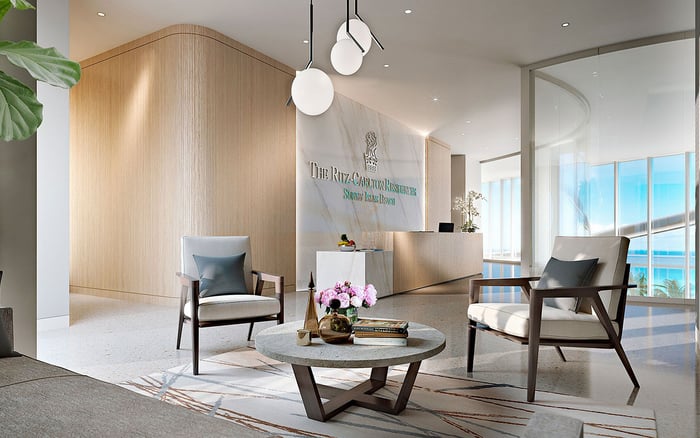
A buyer-focused look at why acoustic privacy can materially affect the daily value, long-term satisfaction, and effective cost of larger South Florida condos.
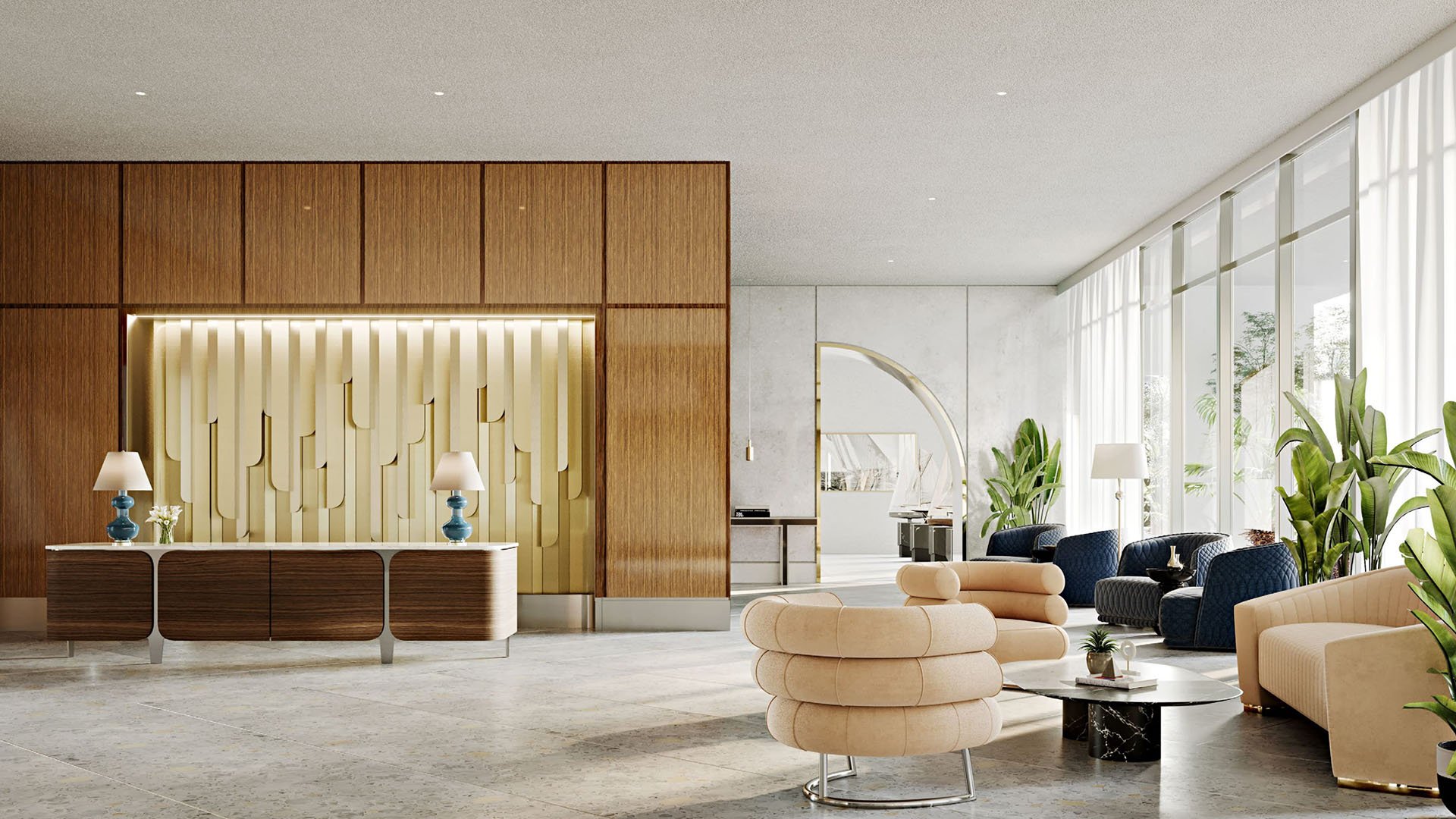
In South Florida’s luxury condo market, families often compare residences by square footage, views, terrace depth, ceiling height, parking, and amenities. Yet one of the most consequential factors is harder to read on a first tour: acoustic privacy. A family-scale condo can be generous on paper and still feel compromised if sound travels too easily from bedroom to bedroom, from the corridor into the foyer, or from the amenity deck into the primary suite.
The real cost of a residence is not only the purchase price. It is the price of living well inside it. A home that lets a child sleep while guests linger after dinner, allows a parent to take early calls without waking the household, or gives a teenager room to practice music without filling the entire apartment with sound can function like a larger home. Conversely, a larger floor plan with weak acoustic separation may demand daily compromises that make it feel smaller.
This is especially relevant in South Florida, where indoor and outdoor living often overlap. Waterfront terraces, resort pools, boat traffic, busy avenues, valet courts, and social amenities can all enrich daily life. They can also introduce sound. The question for buyers is not whether a residence is perfectly silent. It is whether the sound profile supports how the family actually lives.
A family-scale condo is valuable when its rooms can operate independently. The den must be credible as a study, not merely a visual extension of the living room. Secondary bedrooms need calm, particularly when they serve children with different schedules. A media room should not dominate adjacent bedrooms. A staff room, if present, should not sit in an acoustic pinch point that amplifies service corridor movement.
This is where acoustic privacy changes the economics. Two residences may offer similar interior area, yet one may deliver more usable hours in more rooms. If the office can function during breakfast, the bedroom can rest during a dinner party, and the living room can host without disturbing the entire plan, the home performs above its measured size.
Buyers drawn to Brickell, for instance, often accept urban energy as part of the appeal. In a family residence at The Residences at 1428 Brickell, the more sophisticated question is how the plan mediates between skyline vitality and private domestic life. The same principle applies across Miami Beach, Sunny Isles Beach, Coconut Grove, and other high-demand enclaves: even the most desirable address has to protect the intimate rhythms of the household.
Acoustic due diligence begins before the door opens. Stand in the corridor and listen. A quiet hallway can signal a more composed arrival sequence, while audible elevator chimes, service movement, or neighboring doors may reveal friction points. Inside the residence, pause in the foyer before anyone speaks. The body often registers sound before the mind organizes it.
Move through the plan at a realistic pace. Close bedroom doors. Run water. Stand in the den while someone speaks in the kitchen. Step onto the terrace, then return to the main living room. If possible, visit at different times of day. A residence near a pool deck may feel serene in the morning and socially animated later. A home facing a calm water view may still experience episodic sound from boats, bridges, or nearby hospitality uses.
The most revealing test is not whether a residence sounds quiet when empty. It is whether it can absorb family life without becoming chaotic. Ask how the home handles simultaneous activity: homework, cooking, calls, television, guests, pets, and sleep. For affluent families, time is often more scarce than space. Acoustic privacy protects time.
Luxury finishes can seduce the eye, but sound follows structure, openings, surfaces, and adjacency. A marble-clad room may be beautiful and lively. A long corridor may create welcome separation or become a sound channel. Large expanses of glass can frame extraordinary views, but buyers should pay attention to how exterior noise is managed when doors are closed.
The best family plans create thresholds. They separate public and private areas with meaningful distance, vestibules, turns, or transitional rooms. They avoid placing a child’s bedroom directly beside the entertainment wall. They protect the primary suite from the social core. They account for where mechanical spaces, laundry rooms, elevators, refuse rooms, and service entries sit relative to sleeping areas.
In Miami Beach, the appeal of ocean proximity can lead buyers to focus on horizon and light. At The Perigon Miami Beach, or any comparable coastal residence, a careful buyer should still evaluate how the private rooms feel when balcony doors are closed and the household is active. The view may sell the dream, but the acoustic plan sustains it.
South Florida’s amenity culture is a major reason families choose condos over single-family homes. Pools, fitness rooms, children’s spaces, lounges, private dining, wellness suites, and beach or marina access can simplify life. But adjacency matters. A residence close to amenities may offer convenience for families with children. It may also bring more foot traffic, elevator activity, or social sound.
There is no universal best position. Some families want effortless access to the pool and club spaces. Others prefer vertical separation and a quieter arrival home. The decision should be priced into the buyer’s personal value equation. A lower-maintenance lifestyle has worth, but not if the residence becomes the acoustic extension of a shared amenity.
In Sunny Isles Beach, buyers often pursue high-rise living for light, scale, and oceanfront presence. At The Ritz-Carlton Residences® Sunny Isles, the broader lesson for any tower buyer is to study the stack, the amenity levels, and the likely paths of residents, guests, staff, and service. Quiet is partly a function of location within the building.
Many luxury buyers now expect a residence to support serious work. That expectation changes the acoustic priorities of the family-scale condo. A den with glass doors off the living room may look elegant, but it may not function as a true office if household sound passes through easily. A secondary bedroom may become the more practical workspace if it has better separation.
For families splitting time between South Florida and other financial, cultural, or business centers, the ability to take private calls without retreating to a car, club, or bedroom carries real value. Acoustic privacy also supports tutoring, telehealth, creative work, and family administration. These uses are not glamorous, but they determine whether a residence feels effortless after the initial excitement fades.
Coconut Grove offers a different acoustic proposition than the more vertical urban core. Its canopy, village scale, and residential texture can feel naturally softer, though every building and exposure still needs review. At Four Seasons Residences Coconut Grove, the area context invites buyers to think beyond brand and finish toward the daily sensory experience of coming home.
Acoustic issues often appear after move-in, when the home is fully occupied. By then, remedies may be expensive or limited. Rugs, drapery, upholstered furniture, acoustic panels, and door upgrades can help interior reverberation, but they may not solve structural transmission or exterior intrusion. That distinction matters for resale.
A future buyer touring the residence may not articulate acoustic privacy in technical terms, yet they will feel it. They may linger in a quiet primary suite, respond to the calm of a separated bedroom wing, or discount a plan where every room hears the kitchen. In the premium market, emotion and function are closely linked. A home that feels composed can defend value more gracefully.
Waterfront living adds another layer. The word waterfront often implies serenity, and in many settings it delivers it. Still, the acoustic character of water-facing homes varies by exposure, nearby uses, building height, and terrace design. Sophisticated buyers treat quiet as part of design and architecture, not as an afterthought.
Acoustic privacy should not be reduced to a checklist. It belongs in the same conversation as light, view, service, storage, security, and parking. A buyer might rationally pay more for a slightly smaller residence that separates family functions better. Another buyer might accept a lively exposure because the amenity access, view, and social energy match the family’s lifestyle.
The key is to avoid paying a premium for square footage that cannot be used peacefully. During evaluation, identify the rooms where quiet is non-negotiable. For most families, those are the primary suite, children’s bedrooms, at least one work area, and perhaps a media or tutoring space. Then test the residence against those priorities.
When comparing two homes, ask a simple question: which one will reduce friction on an ordinary Tuesday? The answer may matter more than the better terrace photograph.
Why does acoustic privacy matter in a family-scale condo? It determines whether multiple people can sleep, work, study, and entertain at the same time without constant compromise.
Is a larger condo always better for acoustic privacy? No. Layout, room separation, door placement, glazing, and adjacency often matter more than total square footage.
What is the first thing to listen for during a showing? Begin with the corridor, elevator area, and foyer because these spaces reveal how the residence meets shared building activity.
Can furnishings fix acoustic problems after purchase? Furnishings can reduce echo inside a room, but they may not solve sound transmission from structure, corridors, or exterior sources.
Are waterfront condos naturally quieter? Not always. Water views can feel serene, but nearby activity, exposure, terrace design, and building position still shape sound.
Should families visit a condo more than once before buying? Yes. Different times of day can reveal changes in traffic, amenities, neighbors, and exterior activity.
Which rooms need the most acoustic protection? Primary suites, children’s bedrooms, offices, and media rooms usually require the highest level of separation.
Can amenity proximity reduce value for some buyers? It can if convenience comes with unwanted foot traffic or sound near private rooms.
How does acoustic privacy affect resale? Future buyers often feel calm, separation, and privacy immediately, even if they do not describe them technically.
What should buyers compare beyond price and views? Compare how each residence supports daily routines, quiet work, sleep, and entertaining without acoustic conflict.
When you're ready to tour or underwrite the options, connect with MILLION.
If branded residences are on your mind — as a home or as an allocation — we would be glad to share what we are seeing, privately.
Begin a quiet conversation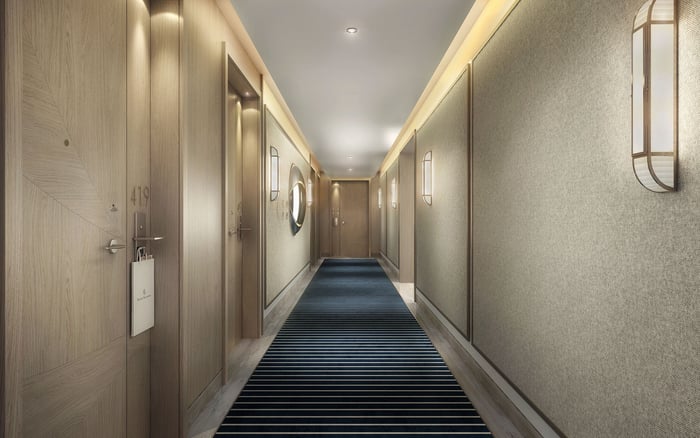
.jpg&width=700&height=438&fit=cover)