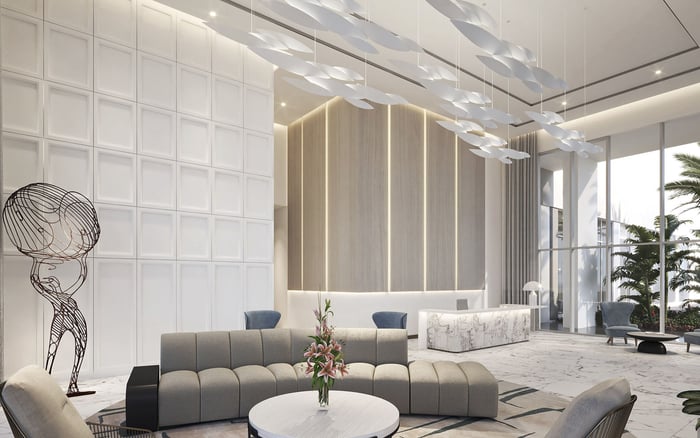
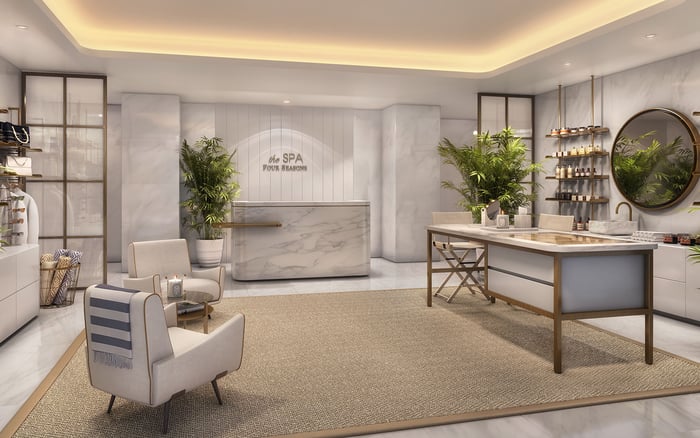
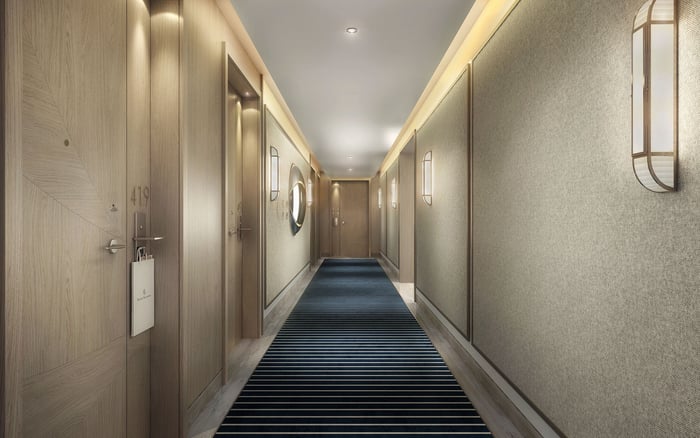
A practical luxury buyer’s guide for Mexico City residents evaluating Fort Lauderdale and South Florida homes through the lens of terrace usability, shade, wind comfort, privacy, and daily outdoor living.
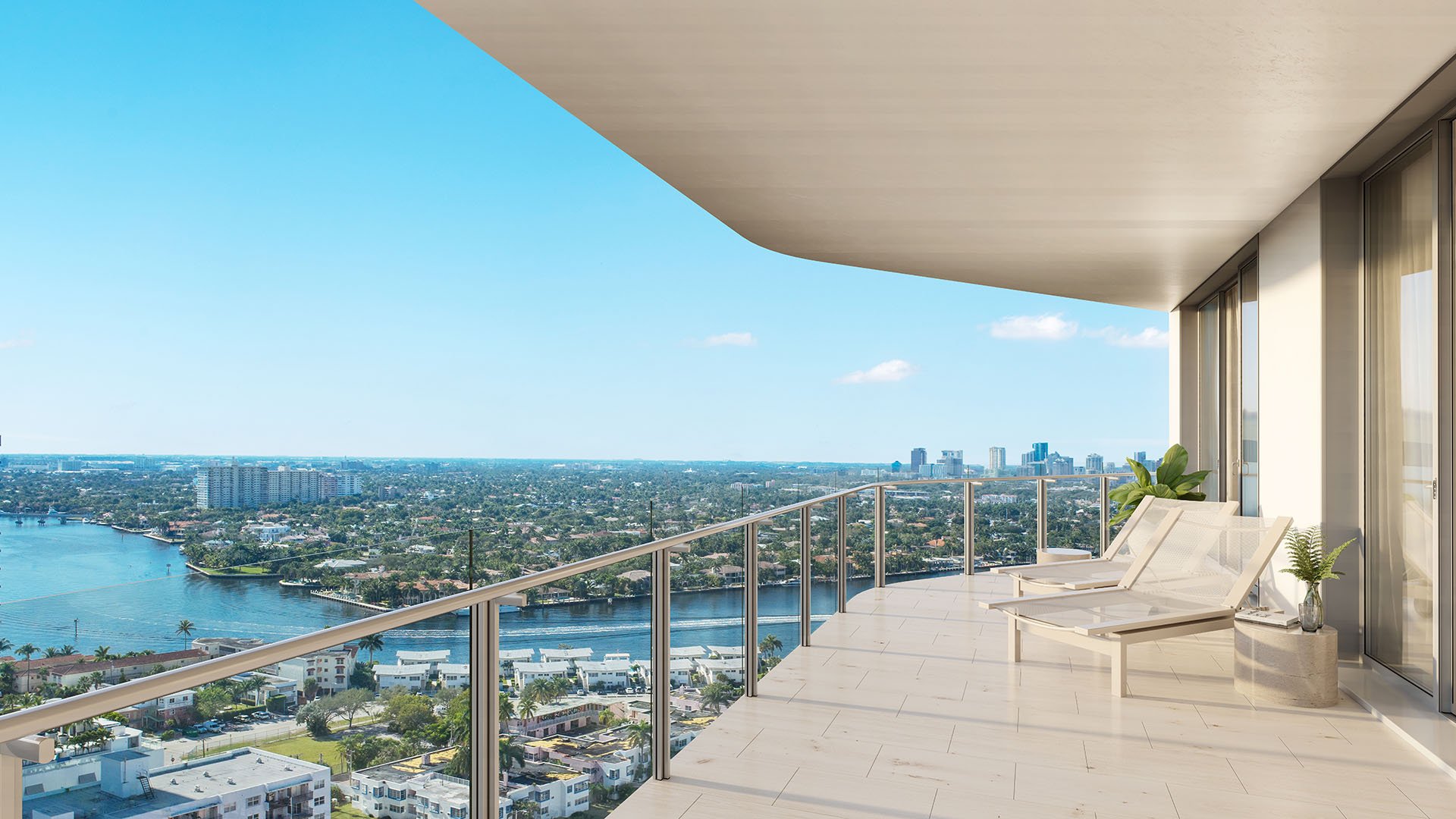
For a Mexico City buyer considering Fort Lauderdale, the terrace should never be treated as a decorative add-on. In South Florida, a well-planned outdoor room can become the setting for breakfast, late calls, reading, family visits, and evening entertaining. A poorly planned one may photograph beautifully yet feel exposed, overheated, windy, or difficult to furnish.
The question is not simply whether a home has a terrace or balcony. The sharper question is whether that outdoor area can be used comfortably and often. Usability depends on orientation, depth, overhangs, wind exposure, privacy, doors, railings, building rules, furniture geometry, and the ease of connection to the interior plan.
For luxury buyers, the best approach is to evaluate outdoor space with the same discipline applied to kitchens, primary suites, parking, and views. If the terrace is central to the lifestyle you imagine, it deserves a rigorous walk-through before you fall in love with a skyline or water view.
Before comparing buildings, define the terrace program. Do you want an outdoor dining table, a pair of lounge chairs, a shaded work corner, a morning coffee perch, a pet-friendly area, or a quiet place for children to step outside safely? Each use requires different proportions.
A narrow balcony may be pleasant for a chair and a drink, but it may not support a true dining setting. A deep terrace may feel luxurious, but only if the doors open easily, the overhang protects the seating zone, and the furniture does not interrupt circulation. The most desirable outdoor rooms feel effortless. You step out, sit down, and stay.
For buyers considering established beachfront living, the broader setting matters as much as the private outdoor area. The terrace, view corridor, amenity rhythm, and arrival sequence all contribute to whether a residence feels like a weekend escape or a true primary home.
In South Florida, raw terrace size can be misleading. A smaller shaded terrace may outperform a larger exposed one for daily living. When touring, observe whether the ceiling or balcony above creates meaningful shade, whether the glass doors draw glare deep into the room, and whether there is a comfortable place to sit without immediately reaching for sunglasses.
Ask to see the terrace at different times of day when possible. A morning terrace and an afternoon terrace can behave very differently. If you expect to dine outside, imagine the table fully set. Where does the sun land? Is there room for an umbrella or shade element if permitted? Will cushions, plants, and finishes tolerate the exposure?
Luxury buyers often focus on views first and furniture later. Reverse the order. Place the sofa, dining table, planters, grill if allowed, and occasional chairs on the plan. If the terrace cannot hold your real life, the view alone will not compensate.
Wind comfort is one of the least discussed and most important issues in high-rise and waterfront living. A terrace may feel serene on one visit and more energetic on another. Height, orientation, nearby buildings, open water, corners, and rail design can all shape the experience.
During a tour, stand outside for several minutes rather than stepping out briefly. Notice whether conversation feels relaxed, whether doors are easy to manage, and whether lightweight furniture would need to be secured. Corner terraces can be spectacular, but they may also require a more careful furniture and planting strategy.
This is where flow-through units can become relevant for some buyers. Cross-ventilation, multiple exposures, and broad openings may enhance the interior experience, but the outdoor areas still need individual evaluation. A breezy interior does not automatically mean every terrace is comfortable for dinner.
Fort Lauderdale offers several terrace personalities. A waterfront residence may prioritize boat-watching, sunset rituals, and a quieter residential cadence. A beach-oriented home may emphasize horizon, resort energy, and immediate access to sand and promenade life. An urban Las Olas or downtown-adjacent address may appeal to buyers who want restaurants, culture, and services close at hand.
For a refined waterfront perspective, Riva Residenze Fort Lauderdale belongs in the conversation when buyers want indoor-outdoor living tied to water, light, and a more residential rhythm. For those drawn to hotel-style service and a beach lifestyle, Four Seasons Hotel & Private Residences Fort Lauderdale frames the terrace as part of a larger hospitality-minded daily experience.
If you prefer the marina and beach district, St. Regis® Residences Bahia Mar Fort Lauderdale may appeal to buyers who want a Fort Lauderdale address with a strong sense of arrival and outdoor life. The key is not choosing the most famous view, but the most usable one for your day-to-day routine.
A terrace can be physically large yet psychologically uncomfortable if it feels too visible. Evaluate sightlines from neighboring buildings, adjacent terraces, pool decks, and amenity levels. Privacy is not only about distance. It is also about angles, landscaping, screens, column placement, and the way seating can be oriented.
Glass railings may preserve views, while solid or partially solid elements may create a more sheltered feeling. Neither is automatically better. A buyer who wants uninterrupted waterview drama may prefer transparency. A buyer who plans to read, nap, or host family lunches may value a greater sense of enclosure.
Also consider sound. Waterfront, beach, and urban settings have different acoustic personalities. Spend time listening. Outdoor rooms are multisensory, and the best ones feel composed rather than merely scenic.
Before committing, ask what is permitted outdoors. Rules may affect grills, planters, umbrellas, lighting, rugs, storage, pets, hurricane preparation, and furniture types. These details shape how the space can actually be lived in.
Do not assume that a large terrace can be customized without limits. The more ambitious your outdoor plan, the earlier you should confirm the building’s policies. If you intend to create a garden-like setting, install substantial planters, or entertain frequently, rules and logistics matter as much as aesthetics.
For buyers comparing Fort Lauderdale with Miami, the exercise is not about treating South Florida as one uniform terrace market. Each coastline, bayfront, and urban district has its own outdoor rhythm, and each residence should be tested against the way you expect to live outside.
The best terrace residences do not force a choice between inside and outside. They create continuity. Look for generous openings, logical furniture walls, and interior spaces that make the terrace feel like a natural extension rather than a separate platform.
A dining terrace should relate to the kitchen or living area. A lounge terrace should connect to the room where people naturally gather. A primary-suite terrace may be seductive, but consider whether you will actually use it or whether privacy and convenience make the main living terrace more important.
Storage is another quiet luxury. Outdoor cushions, service items, and occasional pieces need a home. Without storage, even a beautiful terrace can become visually cluttered.
Begin with orientation and shade. Then test depth, furniture layout, wind comfort, privacy, sound, door operation, and building rules. Ask for floor plans with dimensions, not just renderings. If visiting in person, sit outside long enough to understand the mood of the space.
Think seasonally and socially. Will you use the terrace on a weekday morning? Can guests circulate without moving chairs? Is there a comfortable place for one person to read while another takes a call? Does the terrace feel safe, calm, and private enough to become part of daily life?
Above all, resist the temptation to rank outdoor space by square footage alone. The best South Florida terrace is not always the largest. It is the one that performs beautifully in heat and wind, supports your rituals, and makes the home feel larger, calmer, and more connected to its setting.
What is the first thing to evaluate in a South Florida terrace? Start with usability, not size. Shade, depth, wind comfort, privacy, and furniture layout matter more than a headline square footage number.
Is a larger terrace always better? No. A smaller, shaded, well-proportioned terrace can be more useful than a larger exposed space that is difficult to furnish or enjoy.
How should I compare a balcony with a full terrace? A balcony may work well for coffee or a single lounge chair. A true terrace should support circulation, seating, and the way you plan to live outdoors.
Why is wind so important in Fort Lauderdale? Wind affects dining, conversation, furniture choices, plants, and door operation. It should be tested in person whenever possible.
Should I prioritize waterfront views or shade? Ideally, you want both, but comfort should lead. A dramatic waterfront view is less valuable if the outdoor room is rarely pleasant to use.
Are flow-through units better for terrace living? Flow-through units can offer appealing light and air, but each terrace still needs its own review for wind, exposure, and privacy.
What rules should I ask about before buying? Ask about grills, planters, umbrellas, lighting, pets, storage, furniture, and storm preparation. These rules can shape everyday enjoyment.
How many times should I visit before deciding? If possible, visit at different times of day. Morning, midday, and late afternoon can reveal different sun, glare, and wind conditions.
Is Fort Lauderdale a strong choice for outdoor living? Fort Lauderdale can be compelling for buyers who value water, beach access, boating energy, and a more relaxed daily rhythm.
What should Mexico City buyers avoid when comparing homes? Avoid choosing only by view or building prestige. The better decision is the residence whose outdoor spaces fit your daily rituals.
To compare the best-fit options with clarity, connect with MILLION.
If branded residences are on your mind — as a home or as an allocation — we would be glad to share what we are seeing, privately.
Begin a quiet conversation