In Boca Raton, outdoor living is no longer an amenity. It is the organizing principle behind how new luxury residences are planned, sold, and ultimately enjoyed. The city’s newest boutique and branded offerings increasingly treat terraces, rooftop decks, and hospitality-style pool environments as extensions of the home, shaping everything from entertaining flow to daily wellness routines. Two projects illustrate the shift with unusual clarity: a low-density, glass-forward condominium in the walkable downtown core, and a hotel-inspired branded residence in the Via Mizner district designed around service, resort-style programming, and indoor-outdoor entertaining. For buyers who see South Florida as a lifestyle portfolio, Boca’s outdoor-living proposition now sits at the intersection of privacy, design, and effortless access to dining, culture, and club life.
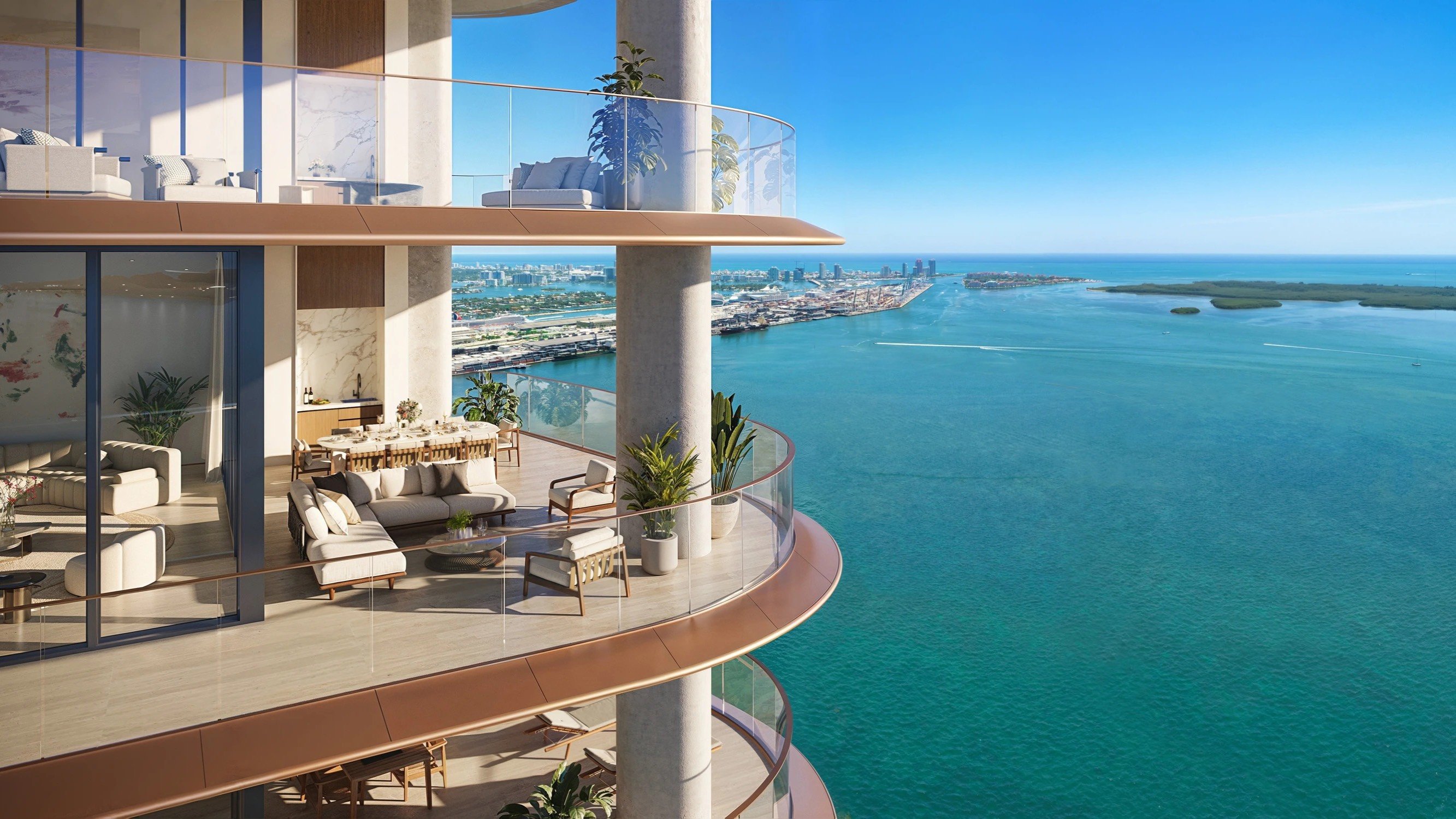
Boca Raton has long been associated with polished coastal living, but the current luxury conversation is more precise: outdoor space is being designed as the primary setting for daily life. The most compelling new residential concepts prioritize terraces, rooftop decks, and resort-style pool environments not as accessories, but as the places owners actually use.
For today’s high-net-worth buyer, this matters because outdoor living is where privacy and community can coexist. A quiet morning coffee can unfold on a terrace that reads like a secluded garden in the sky, while the evening can move effortlessly from an open-plan interior to an outdoor kitchen and dining setup. In this context, “balcony” and “terrace” are not marketing words - they are architectural decisions that shape circulation, daylight, and the tone of entertaining.
Boca’s outdoor-living appeal is not one-size-fits-all. The city’s most relevant new development narratives generally map to two buyer profiles.
The first is the downtown, walkable lifestyle. Here, outdoor living is expressed vertically: roof decks, cabanas, and airy, transparent architecture that maximizes daylight and city views while keeping the building intimate. The value is immediacy. Step outside, and the neighborhood becomes your extended living room.
The second profile is the hospitality-led, branded lifestyle in the Via Mizner district. In this setting, outdoor living often presents like a private resort: terraces designed for entertaining, paired with service standards and amenities intended to reduce friction in daily routines. For many second-home owners, the underlying luxury is not simply outdoor square footage - it is the feeling that the home “runs itself.”
Both lifestyles can be extraordinary. The choice is less about which is better and more about the outdoor rhythm you want to live with.
In the luxury market, privacy is increasingly measured by how many neighbors share your elevator. Boutique buildings deliver a sense of control: fewer residents, fewer variables, and a higher likelihood that amenity spaces feel like an extension of your home rather than a shared facility.
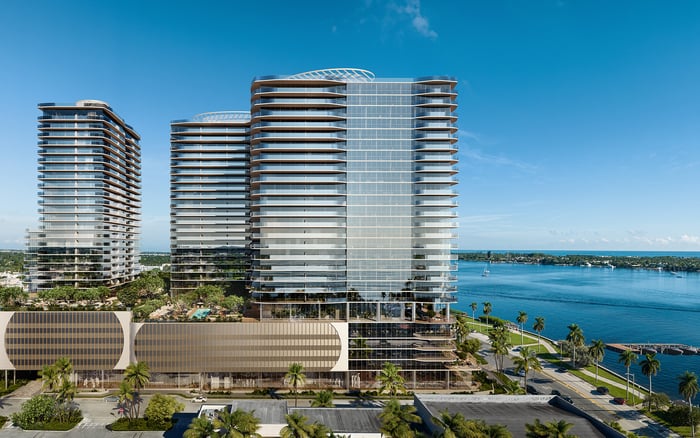
A strong expression of this approach is Glass House Boca Raton, a boutique luxury condominium in downtown Boca Raton. It is planned as a 10-story building with just 28 residences - an intentionally low count that signals discretion and low density. Architecturally, the project emphasizes light, views, and transparency, aligning with an indoor-outdoor living concept that feels closer to a private pavilion than a conventional condo.
The rooftop, in particular, is positioned as a lifestyle anchor, with a rooftop pool and cabanas as part of the amenity concept. For the buyer who entertains selectively, this kind of rooftop environment can function as a curated “third space”: social when you want it to be, quiet when you do not.
The most ambitious outdoor living is not only about design, but about how the building protects the resident’s time. Branded residences do this by pairing physical spaces - terraces and pools - with a hospitality-oriented operating philosophy.
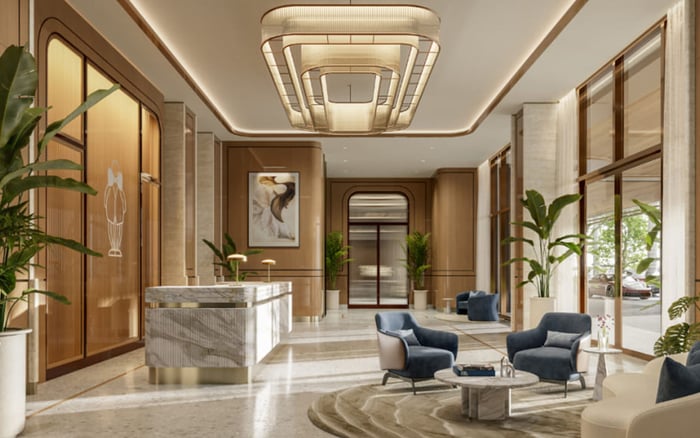
The forthcoming The Residences at Mandarin Oriental Boca Raton at 105 E Camino Real in Boca Raton’s Via Mizner district is a clear example of hotel-inspired, branded living. The project is planned as a 12-story tower with 85 residences, and the broader proposition centers on Mandarin Oriental service standards and lifestyle programming.
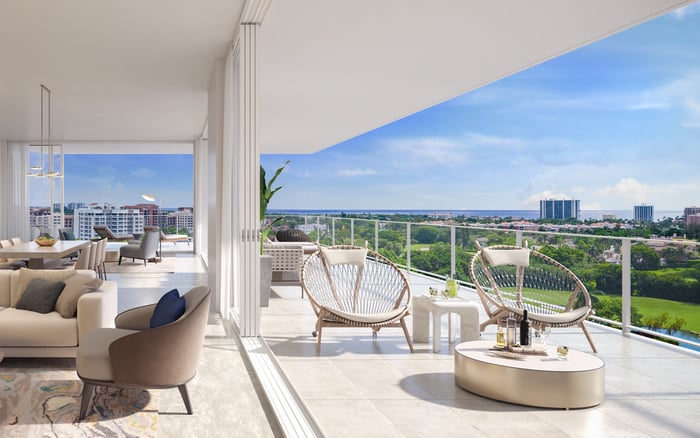
In outdoor-living terms, the project emphasizes indoor-outdoor entertaining, with private terraces described as featuring summer kitchens or outdoor kitchens. That detail matters: it positions the terrace as a true hosting venue rather than a decorative ledge. For buyers who value seamless gatherings, the best outdoor spaces are the ones that keep you present - moving between indoors and out without logistical friction.
Resort-style amenities further reinforce the idea that the building is designed to deliver a hospitality-led experience rather than a typical condo model. The result is an outdoor lifestyle that feels “ready” the moment you arrive, a decisive advantage for second-home ownership.
Luxury buyers rarely regret buying a beautiful terrace. They sometimes regret buying an outdoor space that is difficult to use. When comparing residences, consider these practical, high-impact questions.
First, evaluate how the outdoor area connects to the primary interior living space. The strongest layouts treat the terrace as a continuation of the living room and kitchen, allowing entertaining to flow naturally.
Second, clarify the building’s outdoor amenity tone. A rooftop pool can be glamorous, but it is also a social signal: rooftop culture tends to feel more intimate and curated in boutique buildings, while resort-style pool environments may read as more expansive and programmed.
Third, assess privacy in layers. True privacy is not only about height or orientation; it is also about residence count, elevator volume, and how outdoor spaces are positioned relative to one another.
Finally, consider how your lifestyle uses the city. Downtown walkability changes what outdoor living means. If you dine out frequently, an outdoor terrace may serve as a prelude and a nightcap rather than the main event. If you host at home, outdoor kitchens and larger terraces may matter more than proximity to the restaurant scene.
Boca Raton’s outdoor-living narrative is increasingly relevant to buyers who also consider other South Florida markets, particularly those balancing a portfolio of city access and coastal calm.
West Palm Beach, for example, has become a compelling counterpart for buyers who want an urban core with a different pace. Projects like Mr. C Residences West Palm Beach illustrate how a design-forward residential experience can align with a lifestyle of walkable dining and cultural access. Similarly, The Ritz-Carlton Residences® West Palm Beach represents a service-oriented approach where the promise extends beyond the residence itself to a broader hospitality sensibility.
The takeaway for Boca buyers is not that one market replaces another. It is that outdoor living has become a defining luxury language across the region. What differentiates Boca is the way boutique scale and branded service are being used to craft outdoor environments that feel both elevated and livable.
Outdoor living in Boca is also shaped by the city’s social infrastructure. For many owners, the day moves between private outdoor space and a club environment that offers a different kind of open-air experience.
Via Mizner’s broader setting includes the nearby Via Mizner Golf & City Club, a private club lifestyle that complements the district’s residential positioning. Even for residents who spend most evenings at home, club access can change how they entertain. It can shift larger gatherings off-site while keeping the residence oriented toward smaller, more personal hosting.
This is where the luxury conversation becomes more nuanced. A great terrace is not always meant to do everything. Sometimes the most refined outdoor living is about having options: an impeccably scaled private terrace for intimate hosting and a separate club environment for larger events.
“Boutique” has become a common term in luxury real estate, but in practice it has a specific effect on how outdoor amenities feel.
In a building with a small residence count, the rooftop pool is not simply a feature. It often becomes a semi-private ritual space. You are more likely to feel comfortable arriving without planning, spending a quiet hour, and leaving without the sense that you have stepped into a public scene.
That dynamic can also extend to service and management style. Even when not branded, smaller communities often emphasize tailored experiences because operations are designed around a limited number of residents.
For buyers who prioritize calm, this is an underappreciated element of outdoor living: the serenity that comes from scale.
What defines outdoor living in Boca Raton’s luxury condo market? It is the emphasis on terraces, rooftop amenities, and resort-style pool settings as daily living space.
Is a rooftop pool better than a ground-level pool for luxury buyers? Rooftops tend to feel more private and view-driven, while ground-level pools can feel more resort-like.
Why do boutique buildings matter for privacy? Fewer residences generally means fewer people sharing elevators, amenities, and outdoor spaces.
How does branded living change the outdoor experience? It pairs outdoor design with hospitality-style service standards and lifestyle programming for ease.
Are outdoor kitchens truly important, or just a bonus? In terrace-forward homes, an outdoor kitchen helps the terrace function as a real entertaining venue.
What is the lifestyle difference between downtown Boca and Via Mizner? Downtown favors walkability and rooftop social space, while Via Mizner leans toward resort-style living.
How should buyers evaluate a terrace beyond square footage? Focus on flow from the living areas, privacy, and whether the terrace supports your entertaining style.
Does a low residence count affect amenity quality? It can make amenities feel more exclusive because they are shared by a smaller resident community.
Can Boca outdoor living still feel private in a condo setting? Yes, especially in low-density buildings and layouts that prioritize secluded terraces.
What is one simple way to compare outdoor-living projects quickly? Compare whether the outdoor spaces are designed for daily use or only occasional entertaining.
For a confidential assessment and a building-by-building shortlist, connect with MILLION Luxury.
If branded residences are on your mind — as a home or as an allocation — we would be glad to share what we are seeing, privately.
Begin a quiet conversation