A buyer-focused look at why private dining at Maison D'Or South Flagler should be evaluated through ownership structure, service governance, staffing, access rights, and long-term operating discipline.
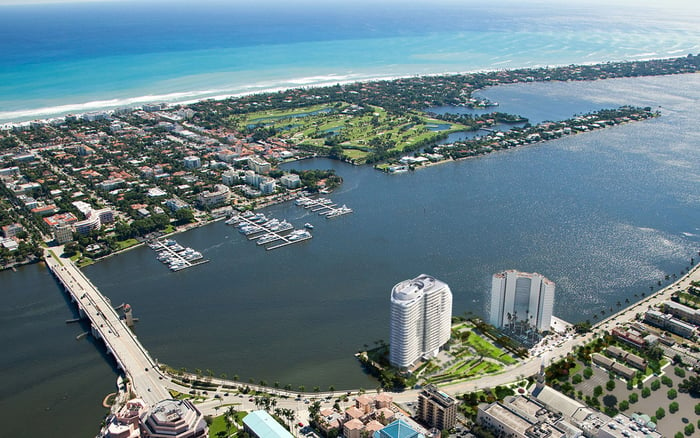
Maison D'Or South Flagler raises a familiar luxury real estate question in West Palm Beach: what does private dining actually mean once the building is occupied, governed, staffed, and maintained? For buyers, the appeal is immediate. A private dining room suggests discretion, hospitality, and the pleasure of entertaining without surrendering the privacy of home. The more important issue is less visual and more structural: who owns the operational responsibility behind that experience?
In a prime South Flagler setting, where buyers often compare buildings by service culture as much as floor plan, private dining should not be treated as a decorative amenity. It is a managed environment. It depends on rules, staffing, budgets, insurance, kitchen access, food and beverage protocols, reservation systems, and the daily judgment of the people representing the building. A beautiful room can lose its meaning quickly if the logistics are vague.
That is why the ownership question matters. A residence can carry an impressive hospitality promise, but a buyer needs to understand whether the private dining experience is supported by a durable operating framework or merely described as an amenity. In ultra-premium buildings, the difference is often invisible during a sales conversation and highly visible after move-in.
Private dining can be organized in several ways. The space may function as a common amenity under association control, a bookable venue governed by house rules, an extension of a broader hospitality service, or a room supported by third-party staffing. Each model can work, but each produces a different ownership outcome.
If the space is owned and controlled by the condominium association, residents usually gain a clearer voice through governance. They may also inherit budget responsibility for maintenance, staffing, replacement reserves, and usage policies. If an outside operator is involved, the question shifts to contract terms, service consistency, termination rights, and accountability. If access is limited by reservation priority or special fees, buyers should understand whether the amenity feels inclusive or becomes a premium add-on.
The word private also deserves precision. Private can mean resident-only access. It can mean a secure room available for resident events. It can mean the ability to host with building support. It may also mean privacy from the public, but not exclusivity from other owners seeking the same calendar dates. A buyer who entertains often should ask how conflicts are resolved, how far in advance reservations may be made, and whether peak evenings are governed by clear policies.
In South Florida's top residential buildings, service amenities increasingly function as lifestyle infrastructure. A pool is not only a place to swim. A lobby is not only an arrival sequence. A private dining room is not only a furnished interior. It is part of the building's social architecture.
For West Palm Beach buyers, the most useful lens is not whether the room looks impressive during a tour, but whether it can perform under real demand. Can residents host family dinners, business guests, charity-adjacent gatherings, or seasonal celebrations without turning the building into a hotel corridor? Can staff move food, flowers, wine, and service items through back-of-house routes without disrupting residential privacy? Are cleanup, damage deposits, vendor access, and security expectations already addressed?
This is where private dining becomes a proxy for management quality. A building that has thought carefully about dining logistics has often thought carefully about deliveries, staffing lines, guest flow, and after-hours conduct. Conversely, vague dining rules can signal broader ambiguity.
Palm Beach and West Palm Beach buyers tend to bring a nuanced expectation of hospitality. Many are not simply seeking amenities. They are seeking controlled convenience. They may have staff, seasonal calendars, philanthropic obligations, visiting family, and established entertaining rituals. For this audience, the private dining conversation is less about novelty and more about whether the building can preserve order while enabling ease.
That distinction is especially important in a boutique residential environment. A smaller or more intimate building can make private dining feel personal, but it can also place greater pressure on scheduling and staffing. The fewer the residences, the more visible each event may become. The greater the service promise, the more important it is to know how that promise is funded.
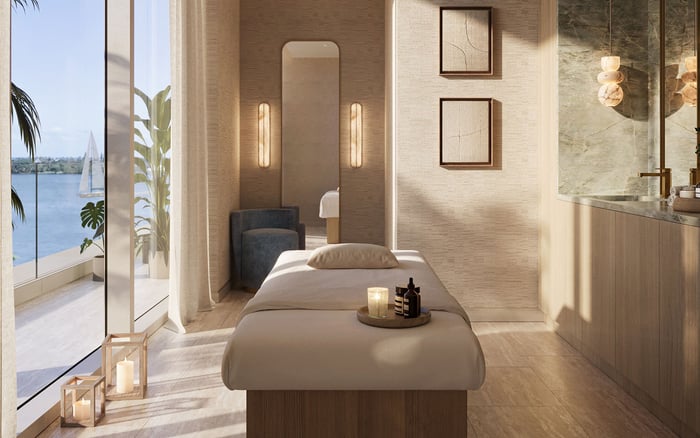
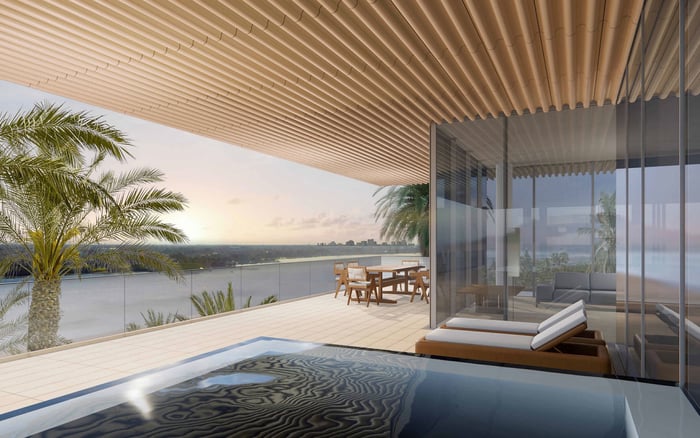
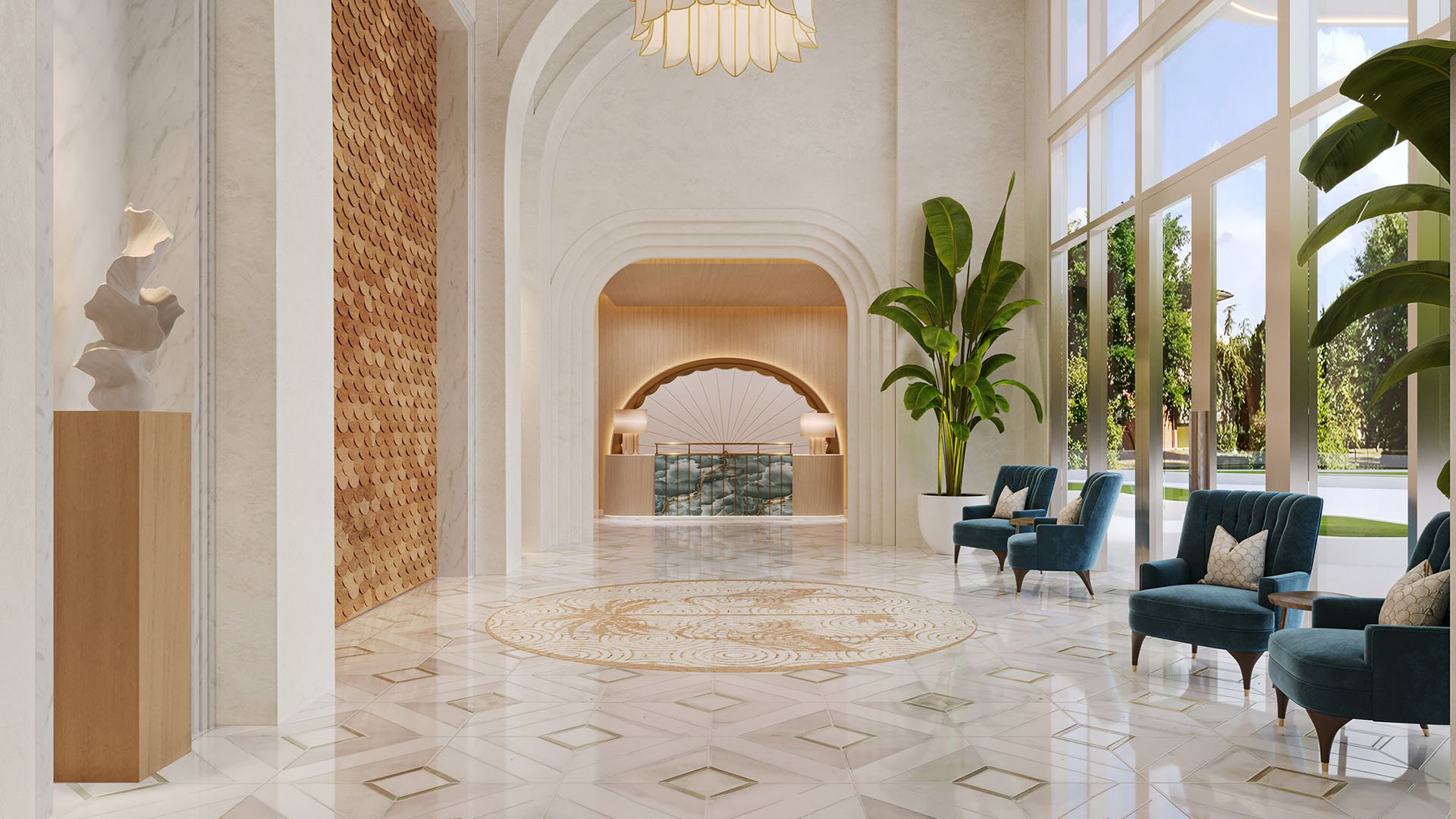
Buyers considering a new project or pre-construction opportunity should ask for clarity early. Renderings can communicate mood, but they do not answer whether a resident may bring a private chef, whether corkage or service charges apply, whether outside caterers are permitted, or whether building staff will support setup and breakdown. These are not minor lifestyle details. They are the mechanics that determine whether the amenity feels gracious or cumbersome.
A careful buyer should evaluate private dining in the same spirit as parking, storage, marina rights, or elevator access. The first question is legal: how is the space classified in the governing documents? If it is a common element, owners should understand association authority and cost allocation. If it is tied to an operator, they should understand who supervises performance and how standards are enforced.
The second question is financial. Private dining can require ongoing expense even when it is not used daily. Furniture, tabletop inventory, kitchen equipment, cleaning, insurance, staff training, and replacement cycles all have to be paid for. A polished hospitality concept should be matched by a credible budget strategy.
The third question is practical. Buyers should ask how reservations work, whether there are time limits, whether alcohol service is governed by specific rules, how guest access is handled, and what happens if multiple residents want the same holiday or weekend evening. The answer does not need to be permissive. In fact, the best luxury buildings are often disciplined. What matters is that expectations are clear.
The fourth question is cultural. Some buildings want private dining to feel like an extension of club life. Others want it to remain occasional, quiet, and resident-controlled. Neither approach is inherently superior. The right fit depends on how a buyer lives.
The most sophisticated buyers will not ask only, "Is there private dining?" They will ask, "Who is responsible for making private dining excellent five years from now?" That question reframes the amenity from a sales feature into an ownership obligation.
If residents ultimately control the dining environment, they also control its future character. That can be empowering, but it requires governance maturity. If a professional operator controls the experience, residents may benefit from consistency, but they should understand the limits of that control. If the model depends heavily on outside vendors, the building must manage access, liability, and quality without diluting privacy.
For Maison D'Or South Flagler, the buyer's most important task is to connect the romance of private dining with the realities of condominium life. The strongest amenity is not necessarily the most elaborate. It is the one whose ownership, rules, staffing, and costs are aligned with the expectations of the residents who will use it.
Why does private dining require ownership due diligence? Because the room is only one part of the experience. Governance, staffing, insurance, booking rules, and cost allocation determine how it works in daily life.
Should buyers ask whether the dining room is a common amenity? Yes. Classification affects control, budgeting, maintenance responsibility, and how resident access may be governed.
Is an outside hospitality operator always better? Not always. An operator can add consistency, but buyers should understand contract oversight, service standards, and how residents can address performance concerns.
What makes private dining feel truly private? Privacy depends on controlled access, discreet guest movement, thoughtful service routes, and rules that prevent events from overwhelming the residential setting.
Can private dining increase monthly ownership costs? It can. Staffing, cleaning, equipment, furnishings, insurance, and reserves may all influence the operating budget.
What should frequent hosts ask before purchasing? They should ask about reservation priority, guest limits, vendor policies, alcohol rules, setup support, cleanup requirements, and holiday availability.
Does a boutique building change the private dining equation? Yes. Intimacy can enhance the experience, but it can also make scheduling, noise control, and resident etiquette more important.
Are renderings enough to evaluate the amenity? No. Renderings show atmosphere, while governing documents and service policies reveal how the dining experience will actually function.
Why is this topic important on South Flagler? Buyers in this corridor often expect residential privacy with hospitality-level ease, which makes operational clarity essential.
What is the best way to shortlist comparable options for touring? Start with location fit, delivery status, and daily lifestyle priorities, then compare stacks and elevations to validate views and privacy.
For a confidential assessment and a building-by-building shortlist, connect with MILLION.
If branded residences are on your mind — as a home or as an allocation — we would be glad to share what we are seeing, privately.
Begin a quiet conversation