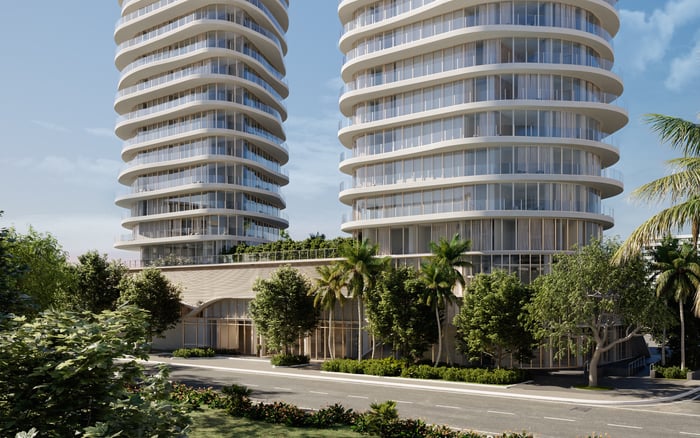
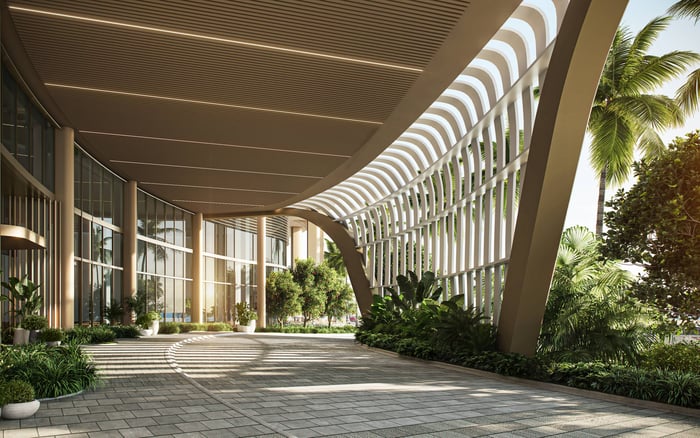
A buyer-oriented look at how Casamar speaks to the growing preference for discreet, composed arrival experiences in Pompano Beach luxury real estate.
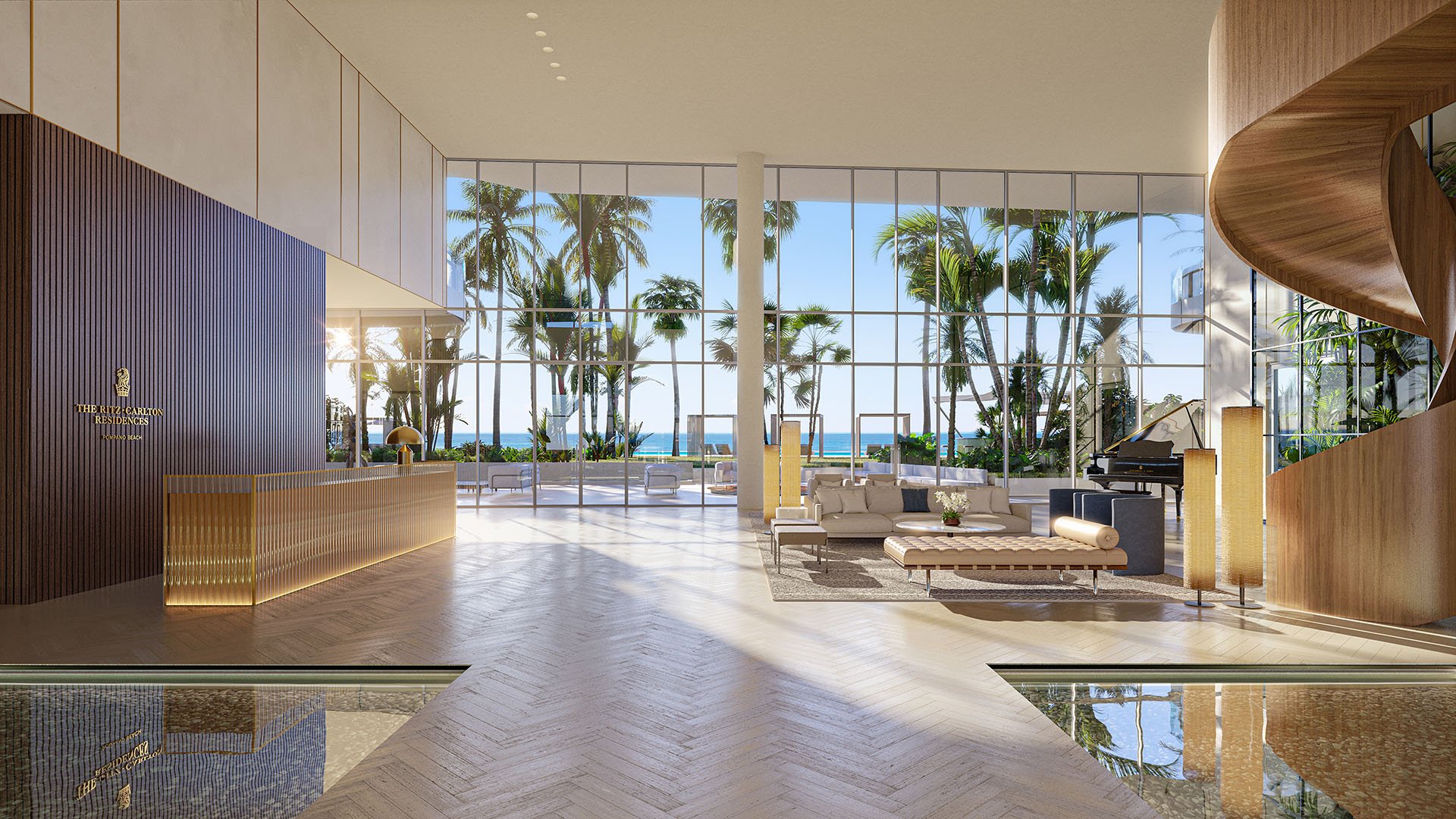
In South Florida luxury real estate, the first impression no longer begins at the residence door. It begins earlier: in the rhythm of entry, the quality of pause, the transition from public street to private address, and the feeling of being received without spectacle. That is the essence of private arrival culture: a buyer preference for discretion, choreography, and calm before the home itself is experienced.
For Pompano Beach, this conversation feels especially relevant. The city sits within a larger coastal corridor where buyers compare lifestyle, service, architecture, and privacy across multiple waterfront markets. In that setting, Casamar is best understood not only as a residential address, but as part of a broader shift in how affluent buyers evaluate Oceanfront living.
Private arrival is not a single amenity. It is a sequence. It can include the approach, the sense of enclosure, the ease of transition, the absence of friction, and the emotional reset that happens before entering the residence. For many buyers, that sequence now carries as much weight as views, finishes, or shared amenities.
Private arrival culture is rooted in a simple idea: luxury should reduce exposure. The buyer who values privacy may still enjoy restaurants, clubs, wellness spaces, and social settings, but home is expected to offer a more controlled experience. The entry should feel composed. The service rhythm should feel anticipatory rather than performative. The building should communicate confidence without calling attention to itself.
This is why arrival has become a design and lifestyle marker. It separates a residence that simply has a lobby from one that offers a considered threshold. It also separates casual convenience from true residential discretion. A buyer may not describe it in technical language, but they know when a building allows them to move from car to home with ease, quiet, and dignity.
In Pompano Beach, that preference carries particular weight because the market is drawing attention from buyers who understand the luxury grammar of Miami Beach, Fort Lauderdale, Bal Harbour, Sunny Isles Beach, and Palm Beach. They are not only asking what a residence offers. They are asking how it feels to return to it.
Casamar fits the conversation because Pompano Beach is being viewed through a more refined lens. The city is no longer discussed only as a coastal alternative. It is increasingly part of a luxury continuum where buyers consider the beach, the drive experience, the building tone, and the privacy of daily life as one cohesive package.
That is where private arrival becomes more than a design preference. It becomes a market signal. Buyers drawn to a quieter coastal address often want the building experience to reflect that restraint. They may not want the highest possible drama at the entrance. They may prefer separation, graceful transition, and a mood that feels residential rather than theatrical.
This is also why Casamar can be discussed beside other Pompano Beach names without reducing the conversation to size, branding, or finish level. Armani Casa Residences Pompano Beach brings a design-led identity to the area, while The Ritz-Carlton Residences® Pompano Beach speaks to service recognition and hospitality familiarity. Casamar participates in the same buyer dialogue, but the most important question remains experiential: does the building support the privacy rhythm the buyer expects?
One of the more sophisticated distinctions in today’s market is the difference between privacy and seclusion. Seclusion implies distance from activity. Privacy implies control within proximity. For many South Florida buyers, the latter is more useful. They want beach access, dining, boating, wellness, and airport connectivity, but they want the residential experience to remain protected from unnecessary exposure.
That is why Pompano Beach is compelling. It allows buyers to consider a coastal lifestyle without automatically defaulting to the most visible luxury corridors. The appeal is not isolation. It is a more measured version of access.
Private arrival supports that idea. It gives residents a way to move between public and private life with fewer interruptions. It creates a sense of ownership over time and attention. For high-net-worth buyers, that can be as meaningful as square footage.
A buyer evaluating Casamar should think beyond brochure language and walk through the daily sequence in practical terms. How does it feel to approach the property? Is the transition intuitive? Does the entrance feel residential in tone? Are guest, resident, and service movements likely to feel distinct? Does the building create a sense of calm before the elevator ride or residence entry?
Those questions apply across the Pompano Beach field. Ocean 580 Pompano Beach may appeal to buyers studying the broader coastal inventory, while W Pompano Beach Hotel & Residences introduces a different lens around energy, hospitality, and lifestyle programming. The useful comparison is not which project is louder in the market. It is which project’s arrival sequence best matches the buyer’s personal definition of luxury.
For some, that means maximum service visibility. For others, it means fewer touchpoints and more quiet. For a third group, it means architectural presence paired with discretion. Casamar enters this conversation because the Pompano Beach buyer is becoming more fluent in these distinctions.
For New-construction buyers, arrival culture should be considered early rather than treated as a final impression. Floor plan, view, terrace depth, and amenity mix are critical, but the lived experience depends on how each day begins and ends. A beautiful residence can still feel incomplete if the arrival sequence feels exposed, congested, or impersonal.
For Pre-Construction buyers, the task is more interpretive. They should study how the building is positioned, how it frames privacy, and whether the overall concept suggests a residential atmosphere that will age well. The goal is not to chase novelty. It is to identify design choices that will remain valuable because they solve an enduring luxury need: the desire to come home without friction.
This is especially relevant in Pompano Beach because the market is still defining its next luxury chapter. Projects that understand privacy as an emotional experience, not just a security feature, are likely to resonate with buyers who have already seen the full range of South Florida condominium living.
Casamar fits the private arrival conversation because it sits at the intersection of a maturing Pompano Beach market and a more sophisticated buyer expectation. The question is not simply whether a building looks impressive. The question is whether it lets residents arrive in a way that feels personal, protected, and calm.
In the ultra-premium segment, arrival has become a form of identity. It tells residents what kind of life the building is designed to support. It tells guests how the address wants to be experienced. Most importantly, it tells buyers whether the project understands that modern luxury is often quietest at the threshold.
What is private arrival culture in luxury real estate? It is the growing focus on a discreet, composed transition from public space to private residence. Buyers value privacy, ease, and calm before they even enter the home.
Why does private arrival matter in Pompano Beach? Pompano Beach is part of a broader South Florida coastal luxury conversation. Arrival quality helps buyers distinguish between buildings that feel merely convenient and those that feel truly residential.
How does Casamar fit this conversation? Casamar fits by aligning with buyer interest in a calmer coastal lifestyle and a more refined sense of daily entry. Its relevance is tied to how buyers now evaluate the whole residential sequence.
Is private arrival the same as security? No. Security is one part of the equation, while private arrival also includes mood, circulation, discretion, and the emotional transition into home.
Should buyers compare arrival experiences before choosing a residence? Yes. The way a building receives residents can shape everyday satisfaction as much as views, amenities, or interior finishes.
Does Oceanfront living make arrival more important? Often, yes. Oceanfront buyers may want the energy of the coast paired with a protected residential threshold that restores privacy and calm.
What should a buyer observe during a property tour? Buyers should notice approach, entry sequence, lobby tone, service flow, elevator experience, and how exposed or private the transition feels.
Is a branded residence always better for private arrival? Not automatically. Branding may suggest service standards, but the true test is whether the building’s daily rhythm matches the resident’s preferences.
Can private arrival affect long-term desirability? It can, because privacy and ease tend to remain important even as design trends change. A strong arrival experience supports enduring residential appeal.
Who should prioritize private arrival most? Buyers who value discretion, frequent travel, family privacy, or a quieter return home should place it high on their evaluation list.
For a tailored shortlist and next-step guidance, connect with MILLION.
If branded residences are on your mind — as a home or as an allocation — we would be glad to share what we are seeing, privately.
Begin a quiet conversation