For Los Angeles buyers establishing a primary residence in Coconut Grove, Florida homestead is not just a property-tax filing. It is a coordinated strategy involving January 1 residency, March 1 filing, Save Our Homes, California domicile analysis, creditor protection, estate planning, and the practical realities of living in Miami-Dade full time.
For a Los Angeles buyer establishing a base in Coconut Grove, the Florida homestead conversation is often reduced to a single headline: a primary residence may qualify for up to $50,000 in taxable value reduction. That matters, but it is only the entry point. The more consequential strategy is how homestead intersects with domicile, annual assessment caps, estate planning, creditor protection, and the timing of a cross-country transition.
Florida’s exemption can reduce taxable value by up to $50,000 for a qualifying primary residence. The first $25,000 applies to all property taxes, while the second $25,000 generally applies to non-school taxes on value between $50,000 and $75,000. For luxury buyers, that reduction may be modest relative to the price of a waterfront estate or a design-led condominium. The longer-term value often lies in the Save Our Homes benefit, which limits annual assessed-value increases for homesteaded property to the lesser of 3% or the Consumer Price Index.
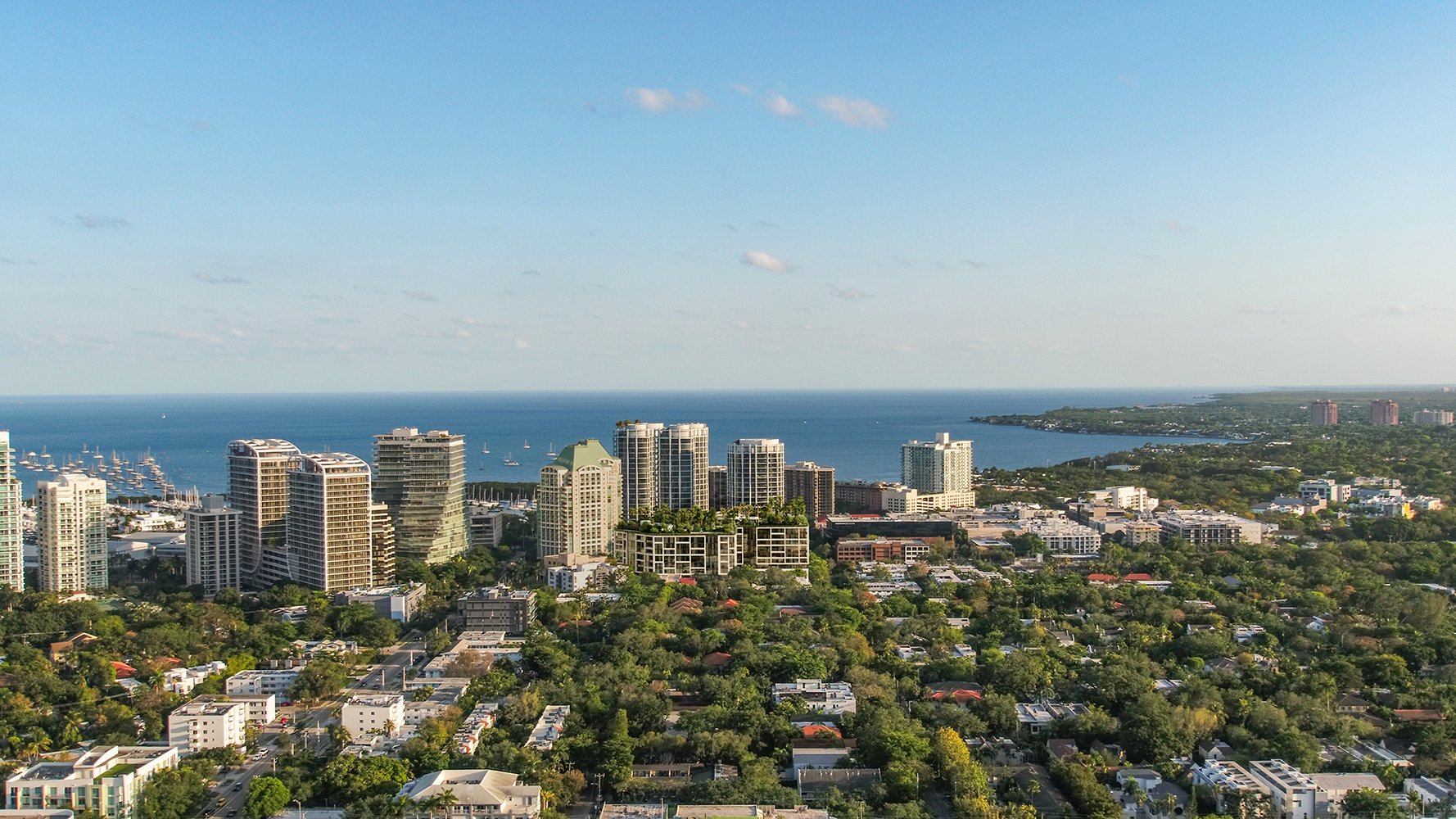
In Coconut Grove, where buyers may compare restored houses, new residences, and low-density condominium living at Four Seasons Residences Coconut Grove, the decision is not simply where to close. It is when and how to make the home the center of your legal, tax, and daily life.
To qualify for Florida homestead, an owner generally must hold legal or beneficial title and make the property their permanent residence as of January 1 of the tax year. Applications are generally due by March 1, and in Miami-Dade County, homeowners can apply through available filing channels, including online options.
That timing can surprise buyers who close late in the year, particularly those moving from Los Angeles with school calendars, business interests, art storage, household staff, or delayed renovations. If the property is not truly your permanent residence on January 1, the homestead year may be missed. If it is your permanent residence, the filing should be treated as a priority, not a post-closing administrative detail.
The first year also requires vocabulary discipline. Market value, assessed value, and taxable value are not the same. When Florida homestead property changes ownership, assessed value is generally reset to just value as of January 1 of the following year, subject to statutory exceptions. The Save Our Homes cap becomes more meaningful over time, after the property has established a homesteaded assessment base.
Florida’s constitution prohibits a personal income tax on natural persons, one reason high-income California residents study a move carefully. But obtaining Florida homestead does not, by itself, prove California nonresidency. California residents are taxed on income from all sources, while nonresidents are taxed only on California-source income. The residency analysis looks to closest connections and domicile.
For a Los Angeles-to-Coconut Grove move, the practical work is to align the full life pattern: Florida driver’s license, voter registration, tax filings, banking relationships, physicians, clubs, charitable ties, business operations, family calendars, and where one actually spends time. Homestead is a powerful piece of evidence, but it should not be the only piece.
This is particularly relevant for buyers evaluating Arbor Coconut Grove and The Well Coconut Grove as a full-time Miami base rather than a seasonal landing pad. The legal question is not whether the residence is beautiful enough to be primary. It is whether the buyer’s facts support that it is primary.
Los Angeles buyers often arrive with a Proposition 13 mindset. California generally caps the ad valorem property tax rate at 1% of full cash value, plus voter-approved indebtedness, and generally limits annual assessed-value increases to no more than 2% until a change in ownership or new construction triggers reassessment. California’s homeowner’s exemption is a $7,000 reduction in assessed value for an owner-occupied principal residence.
Florida’s structure feels different. The headline exemption is larger, but the greater strategic lever is the Save Our Homes cap after homestead is in place. Buyers should model the purchase year and later years separately. A first-year tax estimate may not reflect the full benefit of future capped assessment growth.
Portability is also relevant, though usually not for the first Los Angeles-to-Florida purchase. A Florida homeowner may be able to transfer up to $500,000 of accumulated Save Our Homes assessment benefit from one Florida homestead to another, subject to timing and eligibility rules. For a buyer who later moves within Florida, that can become part of the next acquisition strategy.
For Pricing & Trends discussions, the most useful comparison is not simply California versus Florida. It is old assessment base versus new assessment base, primary residence versus second home, and short-term tax bill versus long-term capped assessed value.
Florida’s constitutional homestead protection can be meaningful for asset protection. Homestead property is protected from forced sale for most debts, with important exceptions including taxes and assessments, purchase, improvement or repair obligations, and labor performed on the property.
There are boundaries. Within a municipality, Florida constitutional homestead protection is limited to up to one-half acre. Outside a municipality, the limit is up to 160 acres. Coconut Grove is within Miami, so buyers assembling unusually large sites should not assume the entire property receives the same constitutional protection. Waterfront and garden acreage may be emotionally compelling, but the legal acreage limit deserves pre-contract review.
Estate planning is equally essential. Florida homestead cannot be freely devised if the owner is survived by a spouse or minor child. Married buyers and families with children should coordinate title, trusts, marital planning, and intended succession before closing. Federal bankruptcy law can also cap state homestead protection for property acquired within 1,215 days before filing, which matters for buyers relying on asset-protection advantages soon after relocating.
This is why Estates & Single-Family buyers should treat homestead as a legal architecture issue, not simply a tax exemption. The same is true for condominium buyers at Vita at Grove Isle or Park Grove Coconut Grove, where the residence may be easier to maintain but still carries sophisticated title and domicile implications.
Before closing, align the desired homestead year with the purchase contract, move schedule, occupancy plan, and California exit strategy. Confirm who will hold title and whether the ownership structure supports legal or beneficial title for homestead purposes. Review whether the property will be a true permanent residence as of January 1.
After closing, prioritize the March 1 filing, update personal records, and maintain consistent evidence of Florida domicile. Keep careful travel records if California ties remain significant. Distinguish lifestyle convenience from legal residence: a staffed Los Angeles home, California business control, or substantial time spent on the West Coast can complicate the narrative.
For Buyer's Guides readers, the central takeaway is simple. Homestead is most effective when it is designed into the acquisition plan rather than appended after the purchase. In Coconut Grove, where privacy, architecture, canopy streets, and bay access shape the market, the best strategy is quiet, documented, and deliberate.
What is the Florida homestead exemption? It can reduce taxable value by up to $50,000 for a qualifying primary residence, with different portions applying to different taxes.
When must I live in the home to qualify? You generally must hold legal or beneficial title and make the property your permanent residence as of January 1 of the tax year.
What is the filing deadline in Miami-Dade County? Homestead exemption applications are generally due by March 1 of the tax year.
Can I apply online? Yes. Miami-Dade homeowners have access to online filing options.
What is Save Our Homes? It limits annual assessed-value increases on homesteaded property to the lesser of 3% or the change in the Consumer Price Index.
Does homestead prove I am no longer a California resident? No. It helps support Florida domicile, but California residency analysis also considers closest connections and overall life patterns.
How does California’s homeowner exemption compare? California’s homeowner’s exemption is a $7,000 assessed-value reduction for an owner-occupied principal residence.
Is all of my Coconut Grove property protected from creditors? Not necessarily. Within a municipality, Florida constitutional homestead protection is limited to up to one-half acre.
Can I leave Florida homestead to anyone I choose? Not always. If you are survived by a spouse or minor child, Florida homestead devise restrictions can apply.
Should I coordinate homestead with estate and tax counsel? Yes. Cross-state domicile, title structure, creditor protection, and family succession should be reviewed before and after closing.
If you'd like a private walkthrough and a curated shortlist, connect with MILLION.
If branded residences are on your mind — as a home or as an allocation — we would be glad to share what we are seeing, privately.
Begin a quiet conversation