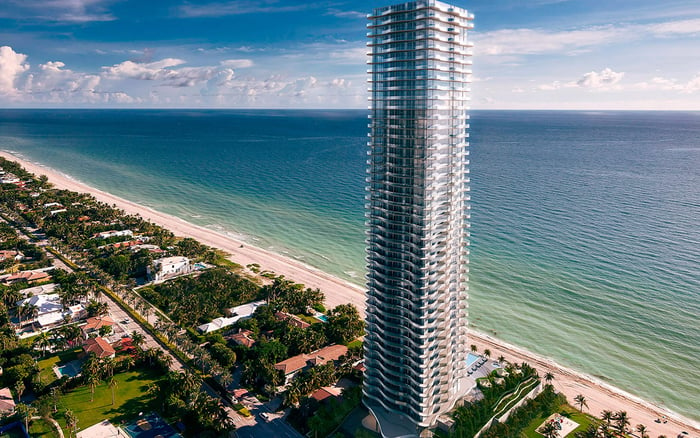
A practical insurance-planning guide for London buyers evaluating waterfront homes and condominiums in Sunny Isles Beach, with emphasis on flood, wind, deductibles, association gaps, liability, valuables, and cross-border ownership coordination.
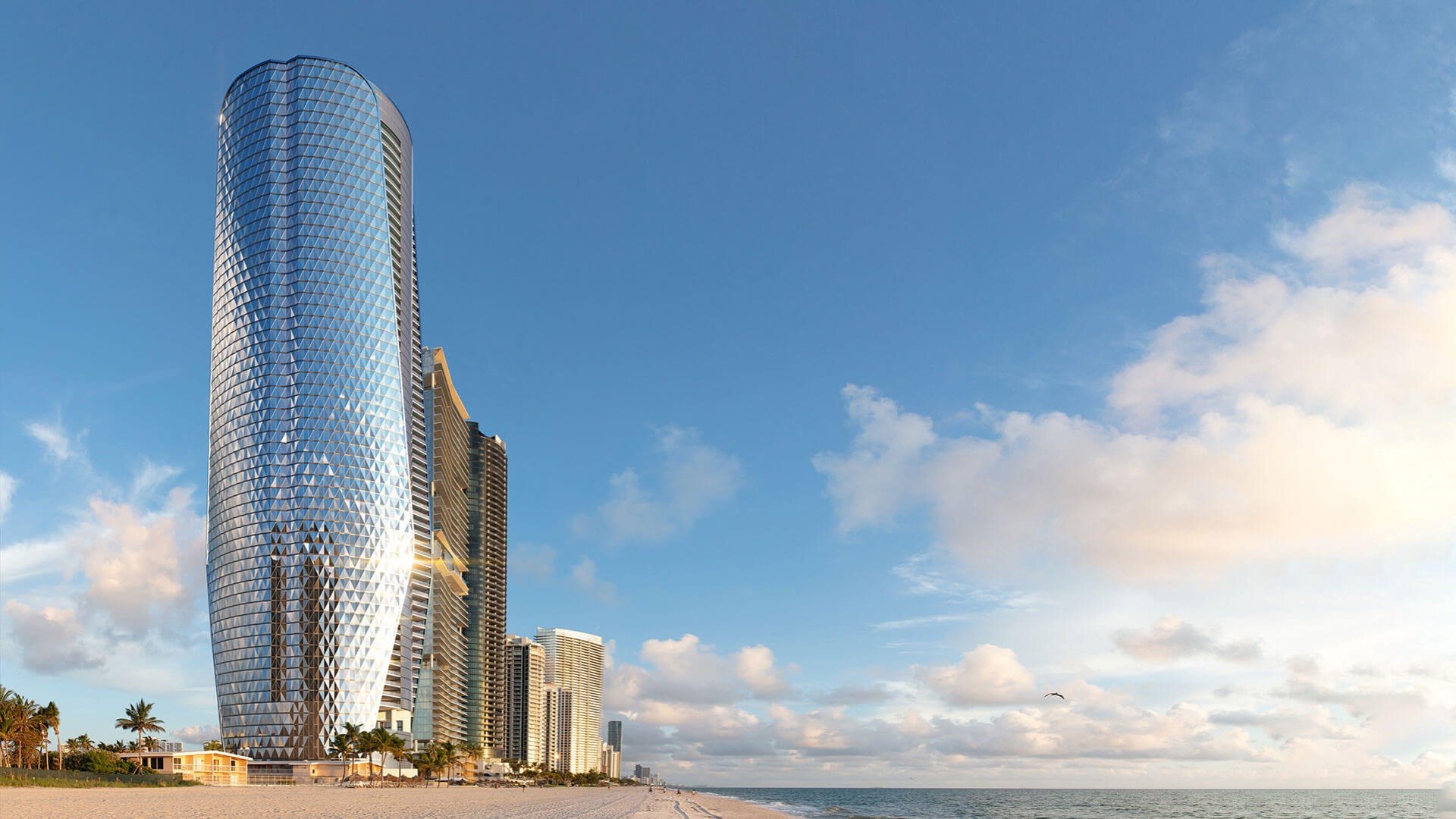
For a London buyer, the central insurance lesson in Sunny Isles Beach is that Florida waterfront ownership is rarely solved by one tidy, UK-style home insurance product. The program is layered. A serious purchase requires attention to property cover, wind and hurricane language, separate flood insurance, personal contents, valuables, liability, condominium association obligations, and the way the ownership structure is named on the policy.
Sunny Isles Beach occupies a narrow coastal strip in northeast Miami-Dade, positioned between the Atlantic Ocean and the Intracoastal Waterway. That geography is the source of its appeal and the reason insurance diligence should begin early. Oceanfront prestige, panoramic water views, and resort-calibre amenities all sit within a coastal risk environment where extreme winds, storm surge, inland flooding, tornadoes, and rip currents belong in the planning conversation.
In the new-development and trophy-condominium segment, early underwriting questions are not a sign of hesitation. They are a sign of sophistication. Buyers considering residences such as Bentley Residences Sunny Isles or St. Regis® Residences Sunny Isles should review insurance assumptions in parallel with legal, tax, and financing advice, not after the contract has become emotionally inevitable.
Waterfront property in South Florida carries two distinct conversations that are often blurred together: wind and flood. Wind damage may be addressed within a homeowners or condominium unit-owner policy, subject to exclusions, limits, and hurricane deductibles. Flood damage is different. Standard homeowners insurance generally does not cover flood damage, so a buyer should treat flood insurance as a separate decision rather than an automatic feature of the property policy.
Storm surge deserves particular attention for beachfront and barrier-island property. It can push ocean water onto normally dry land, making elevation, distance to water, building design, and site conditions central to insurance pricing and resilience. Before making an offer or finalizing financing, buyers can check a specific address against federal flood maps and use county flood-zone resources for an additional view of the location.
For financed purchases, the flood-zone designation can also affect closing mechanics. Mortgage lenders commonly require flood insurance when a property is in a high-risk flood area and the loan is federally backed or regulated. Cash buyers have more discretion, but discretion is not immunity. In the ultra-prime segment, the more relevant question is often whether standard coverage limits are sufficient for the residence, its finishes, and its contents.
Flood insurance available through the national program has coverage limits that can be misaligned with high-value waterfront residences. A London buyer purchasing a large condominium, a full-floor residence, or a heavily customized home should evaluate whether private or excess flood coverage is appropriate. This is especially true when bespoke millwork, imported stone, custom lighting, art storage, and specialty furnishings form a meaningful part of the economic exposure.
Premiums are increasingly property-specific. Risk Rating 2.0 considers variables such as flood frequency, flood type, distance to water, elevation, and rebuilding cost. In practical terms, two residences with similar views may not produce similar insurance outcomes. A lower floor, a different elevation profile, or a more complex rebuilding cost can materially affect the annual premium and the buyer’s retained risk.
For Sunny Isles Beach buyers, one of the most useful disciplines is to ask for insurance indications before negotiating only on price. A seller’s current premium may not transfer. A lender’s requirement may be only a baseline. A buyer’s actual risk tolerance may call for broader limits, higher liability protection, or excess flood capacity.
Most London buyers looking in Sunny Isles Beach are evaluating condominiums rather than detached waterfront estates. That makes the condominium insurance structure central. Florida condominium buyers must distinguish between the association’s master insurance obligations and the unit owner’s responsibility for interiors, contents, and personal liability.
The association’s policy may insure common elements and certain building components, but Florida condominium rules generally exclude many unit-owner interior elements. These can include floor, wall, and ceiling coverings, electrical fixtures, appliances, water heaters, and window treatments. In a luxury residence, those exclusions can represent substantial financial exposure.
For towers such as Jade Signature Sunny Isles Beach or The Ritz-Carlton Residences® Sunny Isles, the diligence should be documentary rather than conversational. Request the association master policy, windstorm deductible language, flood policy, current unit-owner insurance requirements, reserve information, and recent claims history. The point is not simply to confirm that insurance exists. It is to understand what happens after a serious storm, who pays first, and where the unit owner’s responsibility begins.
Hurricane deductibles are often percentage-based rather than flat-dollar amounts. That distinction is crucial for expensive waterfront property. A deductible expressed as a percentage can leave the owner retaining a large dollar amount before coverage responds. Florida homeowners policies may also have separate deductibles for hurricane losses and for other covered perils, so comparing only annual premium can create a false sense of economy.
A sophisticated buyer should ask three questions. What is the hurricane deductible? What value is the percentage applied to? How much cash would be needed if a named storm triggered the deductible? For a condominium buyer, the same thinking should extend to the association’s deductible and whether any portion could be assessed to owners.
This is where insurance planning becomes part of broader liquidity planning. A trophy residence should not be acquired on the assumption that all storm-related costs are immediately absorbed by insurance. Deductibles, uncovered interiors, temporary accommodation, assessments, and delayed claims resolution all belong in the ownership model.
Some coastal properties are harder to insure in the private market than others. Citizens Property Insurance Corporation is Florida’s state-created property insurer for eligible owners who cannot obtain comparable private-market coverage, which makes it relevant in hard-to-insure coastal areas. Still, buyers should not assume it will always be available. Eligibility is limited and can depend on whether private-market offers are available within statutory premium thresholds.
There is another planning point. Citizens policyholders can face surcharges or assessments after major storm losses. That does not make it unsuitable in every case, but it does mean the comparison with private coverage should include more than the initial premium. A well-advised buyer will compare limits, exclusions, deductibles, assessment exposure, claims service expectations, and long-term availability.
For high-net-worth buyers, the residence is rarely the only exposure. Jewelry, art, collectibles, watches, and other valuables often require scheduled coverage, floaters, or endorsements because standard property policies may impose sublimits. A unit filled with museum-quality furnishings or collectible design should be discussed with an insurer before the items arrive in Florida.
Personal umbrella liability insurance is also worth considering. It provides liability protection above underlying homeowners, auto, or watercraft policy limits. For owners who entertain frequently, employ household staff, keep vehicles in Florida, or use boats, umbrella coverage can be a quiet but important layer.
Cross-border structuring should be aligned as well. Foreign owners selling U.S. real property may be subject to FIRPTA withholding, so insurance should be coordinated with tax and legal advice on ownership entities, named insureds, beneficial owners, and estate planning. A mismatch between the owner of record and the insured party can become a problem at precisely the wrong moment.
The best insurance process is chronological. Quote early. Map the flood risk. Review the condominium master policy if buying a unit. Model the wind and hurricane deductibles in dollars. Evaluate private or excess flood options. Add umbrella liability and scheduled valuables where appropriate. Then align the ownership entity, named insureds, lender requirements, and closing timetable.
For a single-family waterfront acquisition, add property-specific inspections before binding coverage. Roof age, exterior openings, elevation, seawall condition, flood vents, and wind-mitigation features can all influence insurability and cost. For a condominium, focus less on the private residence alone and more on the building’s risk architecture: master coverage, reserves, deductibles, flood policy, and claims history.
The essential idea is simple. Sunny Isles Beach can deliver the rare combination of resort life, privacy, and global connectivity, but the insurance program must be built with the same care as the purchase itself.
Is standard homeowners insurance enough for Sunny Isles Beach waterfront ownership? Usually not by itself. Flood insurance is generally separate, and luxury buyers may need additional limits for interiors, contents, and liability.
Should I check flood risk before making an offer? Yes. Review current flood maps and local flood-zone resources for the exact address before finalizing price, financing, or coverage assumptions.
Will my lender require flood insurance? A lender commonly requires flood insurance when the property is in a high-risk flood area and the loan is federally backed or regulated.
What is the biggest condo insurance misunderstanding? Buyers often assume the association master policy covers everything. Unit owners usually remain responsible for interiors, contents, and personal liability.
Which interior items may fall to the condo owner? Floor, wall, and ceiling coverings, electrical fixtures, appliances, water heaters, and window treatments may sit outside the association’s coverage.
Why do hurricane deductibles matter so much? They are often percentage-based, which can translate into a substantial retained loss on an expensive waterfront residence.
Is national flood insurance enough for a luxury property? It may not be. Coverage limits can make private or excess flood insurance important for high-value residences, finishes, and contents.
Can I rely on Citizens Property Insurance Corporation? Not automatically. Eligibility is limited, and policyholders may face surcharges or assessments after major storm losses.
Do art and jewelry need separate coverage? Often, yes. Valuables may require scheduled coverage, floaters, or endorsements because standard policies can impose sublimits.
Should foreign buyers coordinate insurance with tax planning? Yes. Ownership structure, named insureds, and potential FIRPTA withholding on a future sale should be reviewed together.
If you'd like a private walkthrough and a curated shortlist, connect with MILLION.
If branded residences are on your mind — as a home or as an allocation — we would be glad to share what we are seeing, privately.
Begin a quiet conversation